Mortgage rates have sunk to their lowest level in about four years as the Fed keeps rates on hold, suggesting the bottom may be in for now. Borrowers could benefit from locking in rates, though future moves by the Fed and shifts in inflation or Treasury yields could influence volatility and the trajectory of rates going forward.
U.S. stock futures were mixed Friday ahead of Q4 GDP data and the Fed's preferred inflation gauge (PCE), plus a Supreme Court ruling on Trump's tariffs; Dow futures fell about 30 points, S&P 500 futures were little changed, and Nasdaq-100 futures rose ~0.1%. Economists expect Q4 real GDP growth around 2.5% and the PCE price index about 2.8% year over year (core ~3%). Fed minutes show officials split on rate cuts, signaling more evidence inflation must cool. A ruling against tariffs could lift markets, though the White House may reimpose duties later. In recent sessions, the Dow and Nasdaq slipped while oil rose amid U.S.–Iran tensions; Nvidia earnings are due next week.
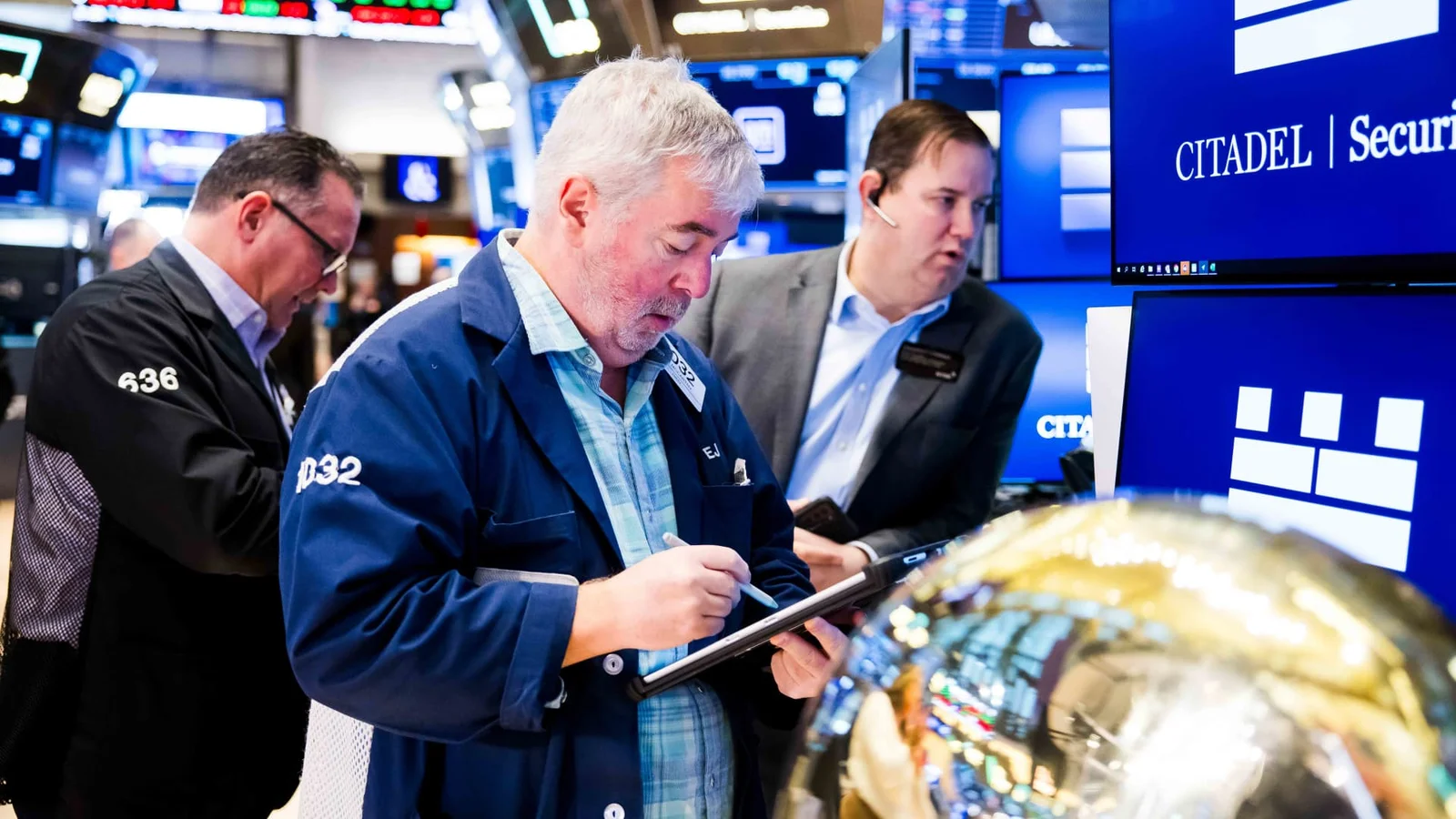
Wall Street closed lower as private-equity stocks fell after Blue Owl Capital froze redemptions and sold assets, with Apple and Walmart also weighing on the indices. Deere rose after lifting its forecast and Omnicom beat revenue estimates, but EPAM sank on a cautious outlook, while Carvana and others slid; investors awaited Fed signals and inflation data amid ongoing AI-related market turbulence.
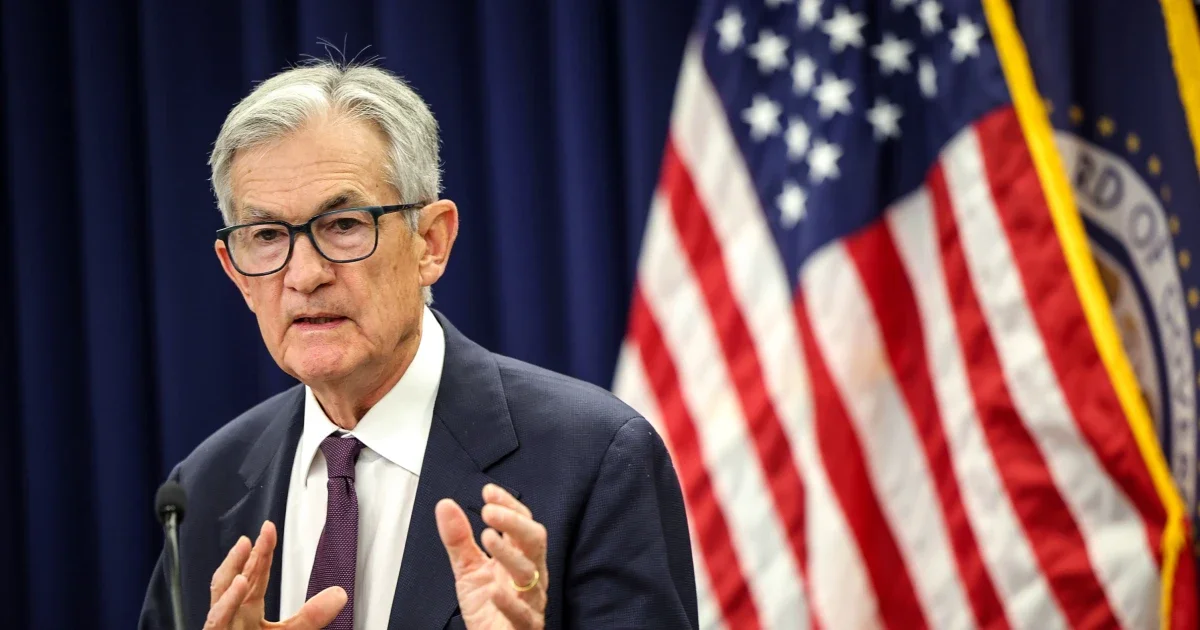
Minutes from the Fed’s Jan. 27–28 meeting show several officials said rate hikes could be appropriate if inflation remains above the 2% target; with inflation volatility and a steady labor market, policymakers also said further rate cuts would be appropriate only if inflation declines as expected, but most signaled they will hold rates steady for now, with any near-term move unlikely before late summer at the earliest.
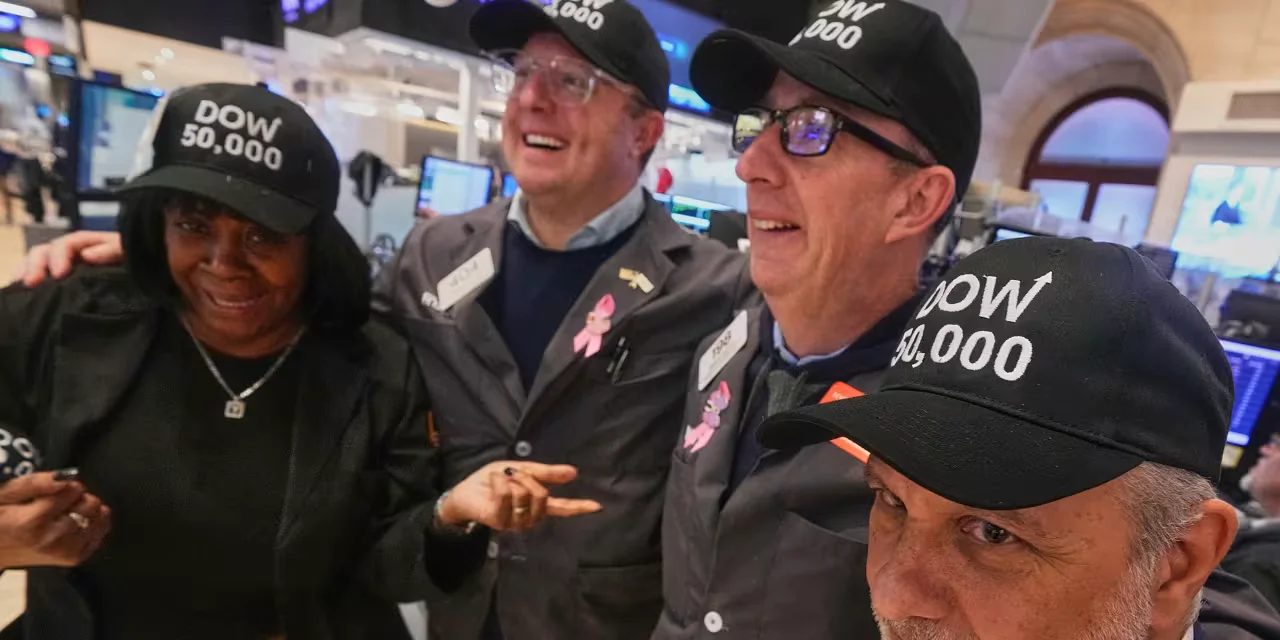
The Dow briefly topped 50,000 on Feb. 6 but gave back the gains as AI-driven disruption and rich tech valuations pressured risk assets, triggering a broad selloff in AI-sensitive stocks and other sectors even as bonds benefited from cooler inflation and renewed rate-cut bets. Sentiment was extraordinarily bullish, with traders warned to buy dips rather than chase rallies, while data suggesting inflation might ease kept the Fed on investors’ radar. Analysts caution that this could be a near‑term peak if AI swings persist and earnings multiples don’t re-rate.
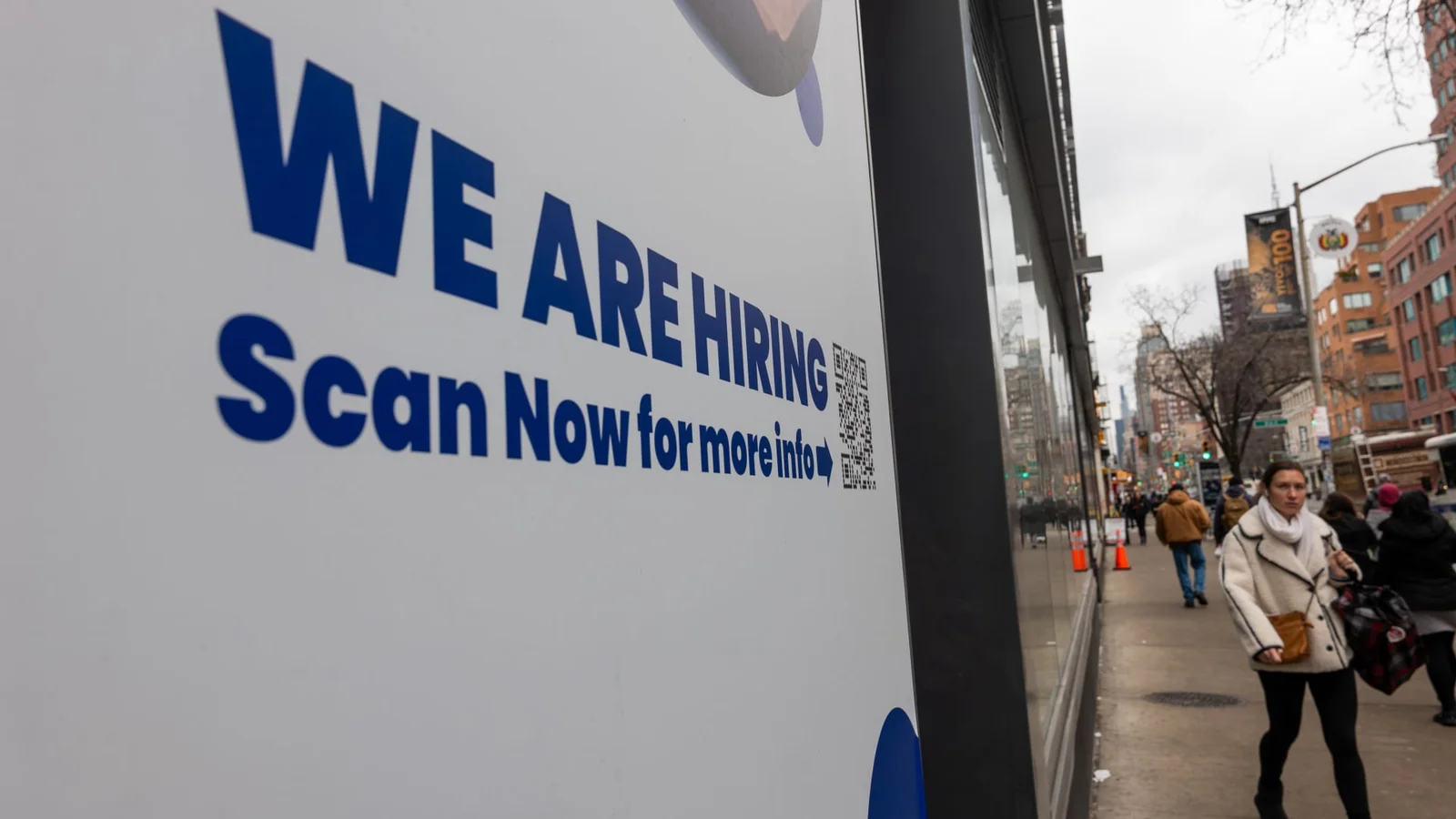
Data piling up point to a weakening labor market as the main risk to the US economy this year, potentially slowing growth and paving the way for further rate cuts, with economists like Mark Zandi saying the jobs market remains fragile and job creation is faltering.
The Economist outlines Kevin Warsh, a Trump-era Fed nominee, arguing his stance that inflation is perilous, monetary policy has often been too stimulative, and Fed bond-buying (QE) contributed to economic woes; the piece frames his views as “Warshonomics” and discusses potential policy implications for a Trump-influenced Fed.
Silver prices slumped in European trade, with spot silver down about 10% to around $79/oz and March futures near $78.55/oz as a firmer dollar and yield repricing weighed on metal prices. Analysts describe the move as a normalization phase rather than a trend reversal, noting that longer‑term drivers—central‑bank gold demand and silver’s industrial use in solar and grid modernization—remain intact. Traders are eyeing upcoming central‑bank meetings and the US payrolls data, which was delayed to Feb. 11 due to a partial government shutdown.
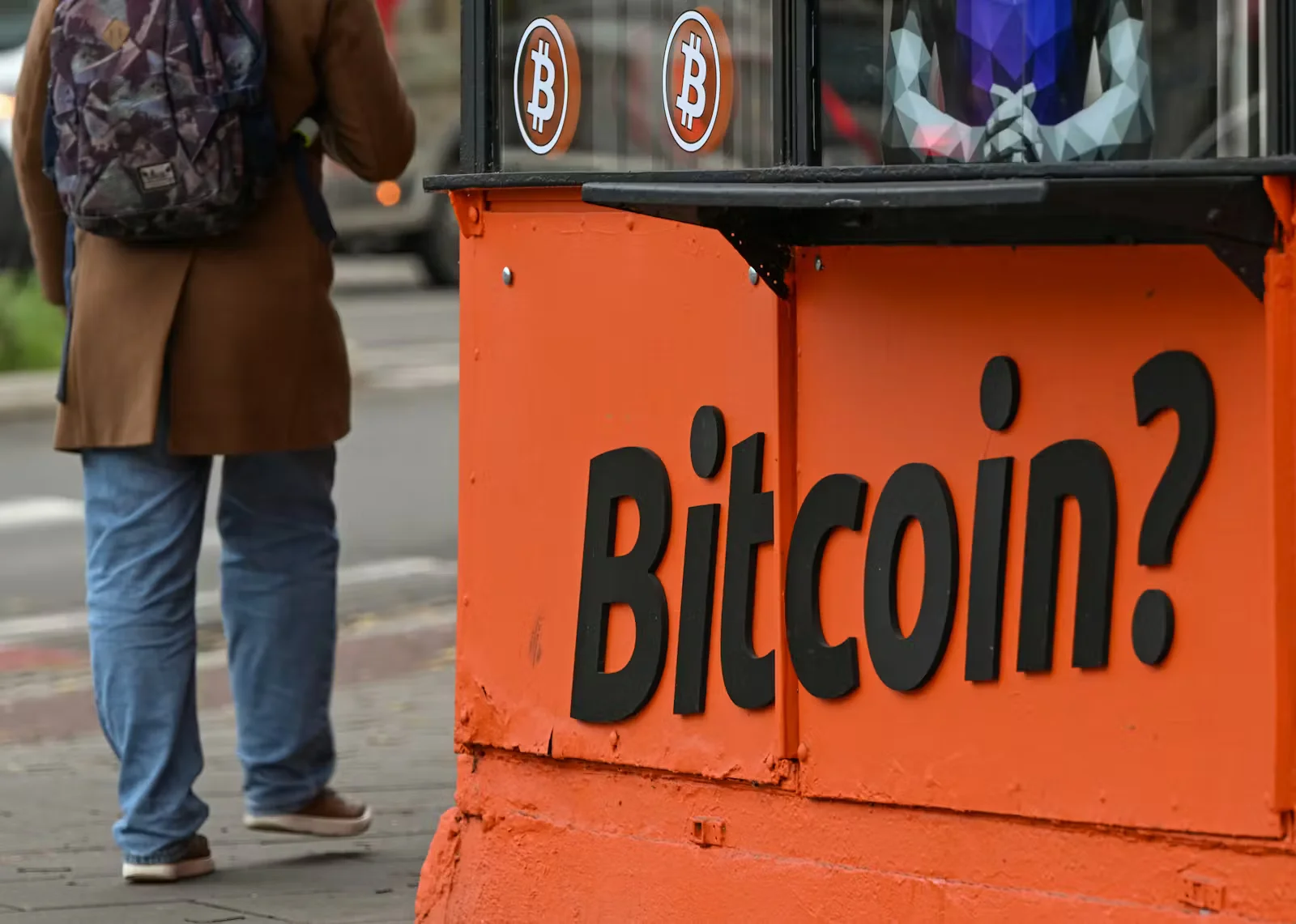
Bitcoin dipped below $75,000 over the weekend and then rose to around $78,000, but traders monitor a key support near $73,000; a break there could push prices toward $60,000 by end-February as liquidity and Fed policy expectations weigh on the market. January was the fourth straight monthly drop, with over $5 billion in crypto liquidations in four days and substantial ETF outflows signaling renewed risk-off sentiment. Analysts are divided: some fear deeper downsides while others see potential for a rebound if liquidity returns and ETF flows stabilize.
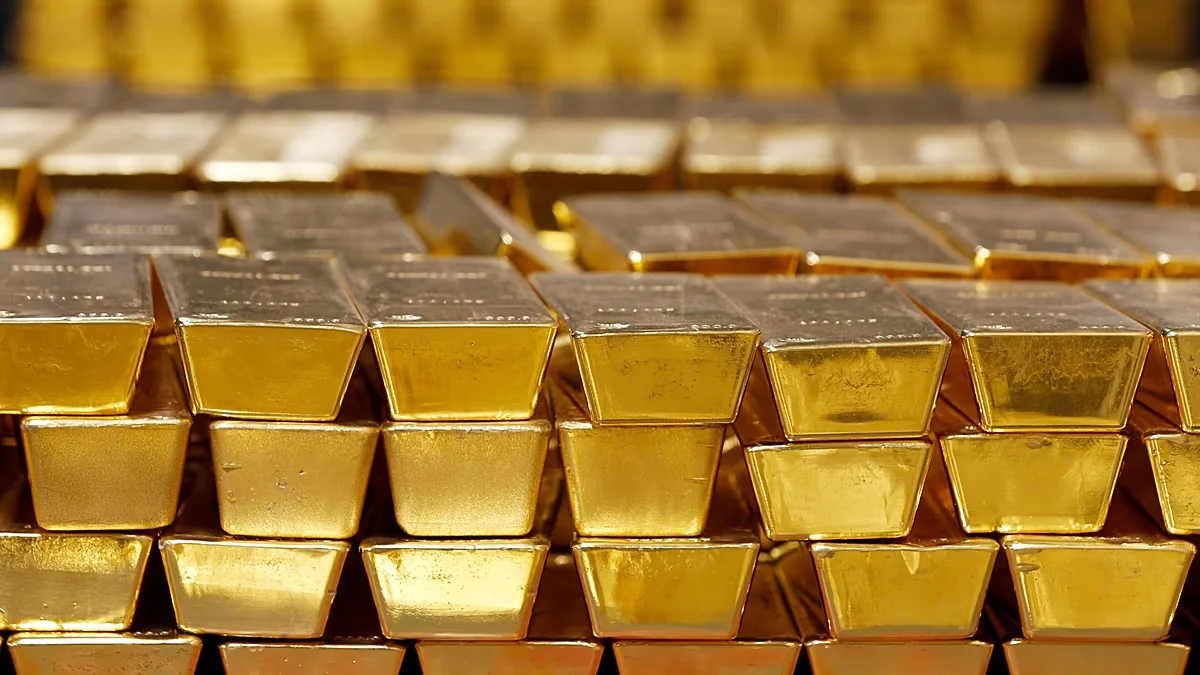
Gold tumbled from about $5,600/oz to roughly $4,700, and silver plunged around 31% in a single session, as uncertainty, a softer dollar, and signals of potential U.S. monetary-policy shifts (notably Warsh’s Fed nomination) weighed on metals that had just hit record highs earlier in the week.
Asian stock markets eased as technology shares cooled following mixed US mega-cap earnings and the Federal Reserve paused rates. Meta posted upbeat revenue guidance and Tesla beat estimates, supporting some growth names, while Microsoft slipped on AI-related cost concerns. Japan’s Nikkei and Korea’s KOSPI inched lower, Hong Kong and Australia edged down, and Chinese equities were modestly muted as traders booked profits. The Fed’s hold kept sentiment cautious, with Powell signaling no rate cuts until inflation is clearly on a 2% path, and markets pricing in possible cuts later in the year as Big Tech earnings continue.
U.S. stock futures edged lower after the Fed held rates at 3.50%-3.75%, marking the first pause after three cuts; S&P 500 futures fell about 0.2%, Dow futures ~0.3% lower, and Nasdaq futures were flat. In after-hours trading, Meta Platforms jumped about 8% on a stronger-than-expected revenue outlook, while Microsoft slid roughly 7% as cloud growth cooled and AI spend pressured margins. The regular session ended largely flat as investors await Apple, Caterpillar, and Lockheed Martin results later in the week, with traders still penciling in two additional rate cuts this year but receiving little clarity from the Fed.
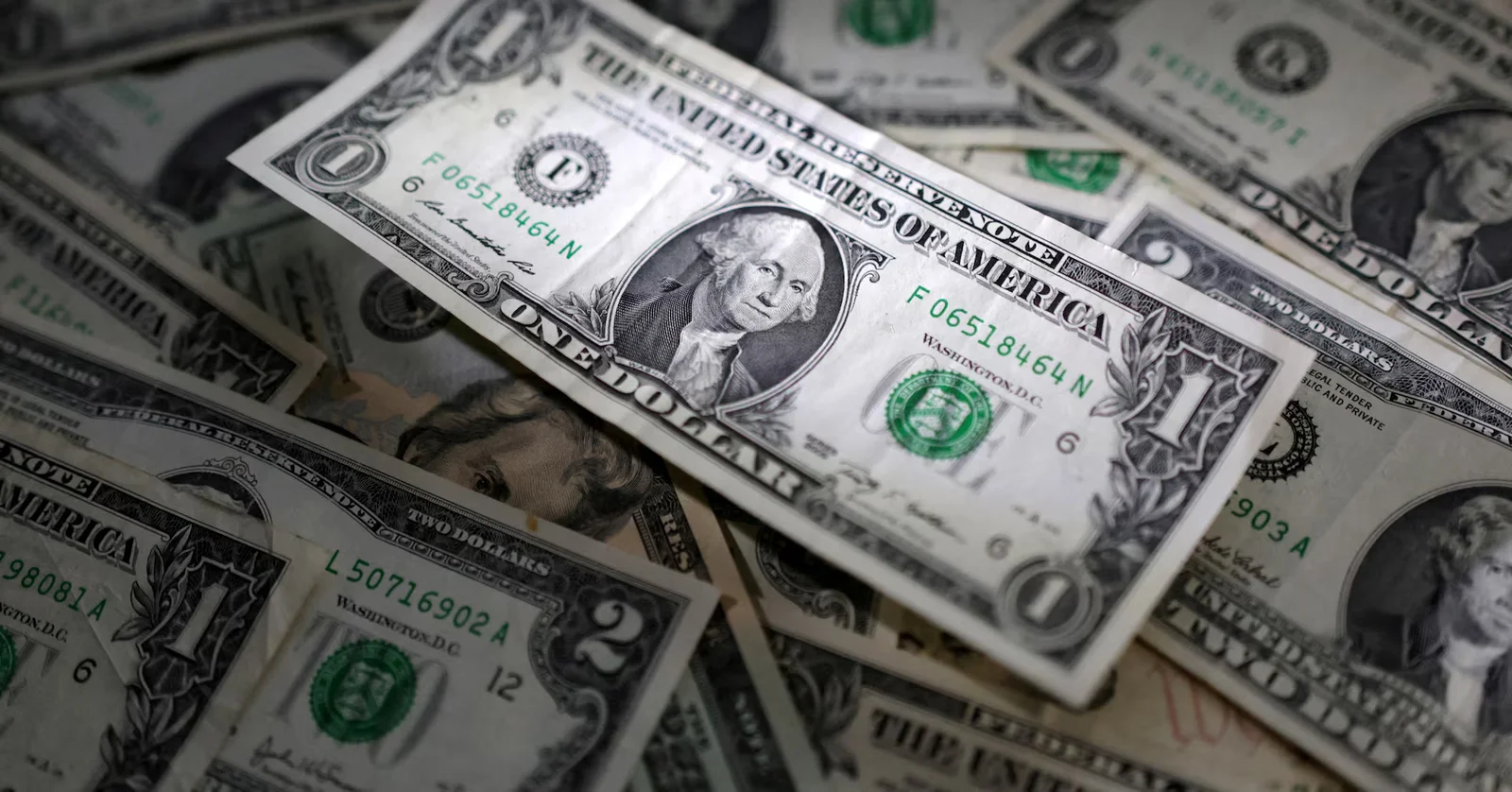
The U.S. dollar dropped toward a four-year low after President Trump downplayed its weakness, boosting the euro above $1.20 and lifting the yen and pound ahead of a Federal Reserve decision amid ongoing currency-intervention talk.
Futures point to a subdued session ahead of the Federal Reserve’s first rate decision of the year, with S&P 500 futures near flat, Nasdaq 100 futures up about 0.3% and Dow futures down around 15 points, after a Tuesday where the S&P 500 hit a record and the Dow fell more than 400 points on UnitedHealth’s steep drop. The Fed is expected to hold rates at 3.5%–3.75%, with traders pricing in two 25-bp cuts by end-2026 and watching Chair Powell for signs of easing. Tech earnings loom, with Microsoft, Meta, and Tesla due after the bell and Apple Thursday. In after-hours trading, Texas Instruments jumped over 9% on strong guidance, Seagate rose on results, while Qorvo fell on weak guidance. The dollar slid 1.3%, its largest one-day drop since last April, as Trump commented on currency values, marking the greenback’s lowest level since February 2022.
Markets look tense as traders expect the Fed to hold rates even as robust mega-cap earnings arrive; a weakening dollar, a record surge in gold, and political risks—including a potential government shutdown and leadership questions at the Fed—keep investors wary and sustain the “sell America” mood.