The US labor market in 2025 showed signs of slowdown with subdued job creation and a rising unemployment rate, but no signs of a recession. Job growth is expected to remain modest in 2026, with some analysts predicting a jobless expansion, though others see potential for stabilization or growth due to policy changes and economic measures. Overall, rapid job growth of previous years is unlikely to return soon.
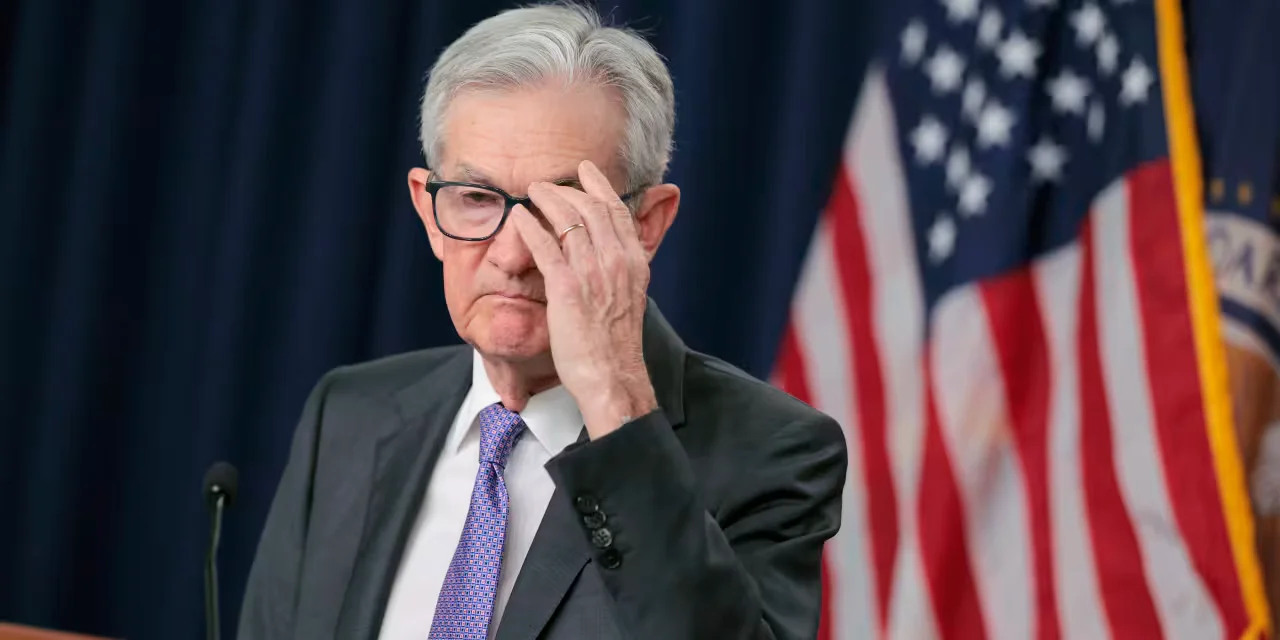
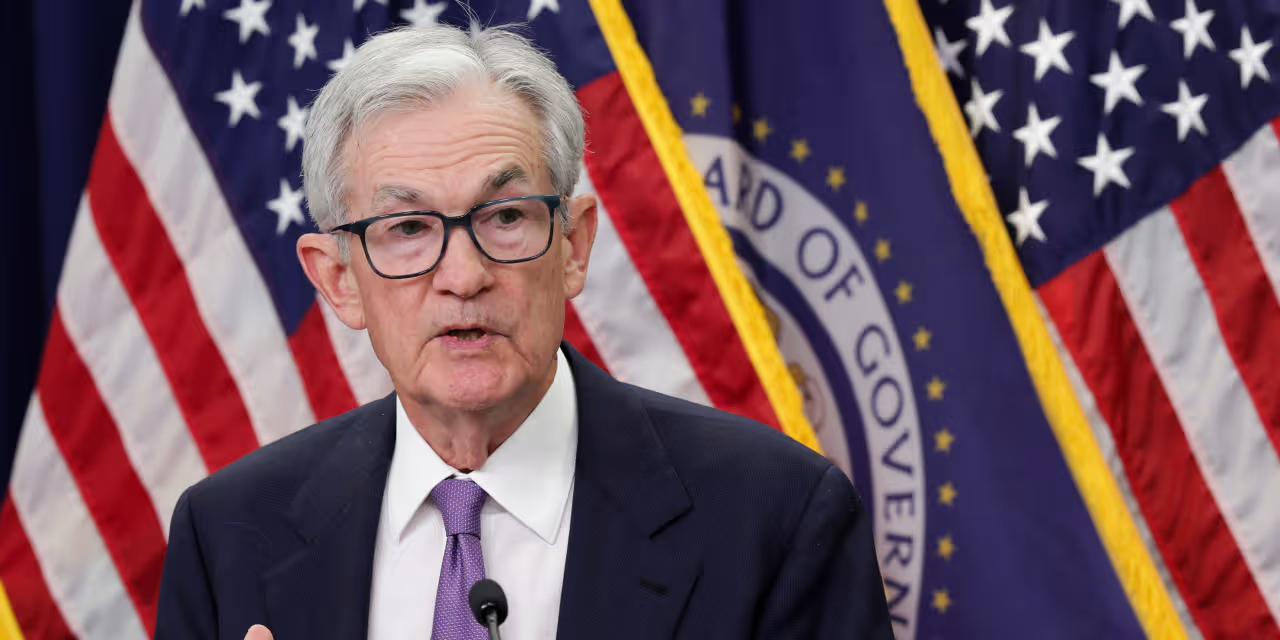
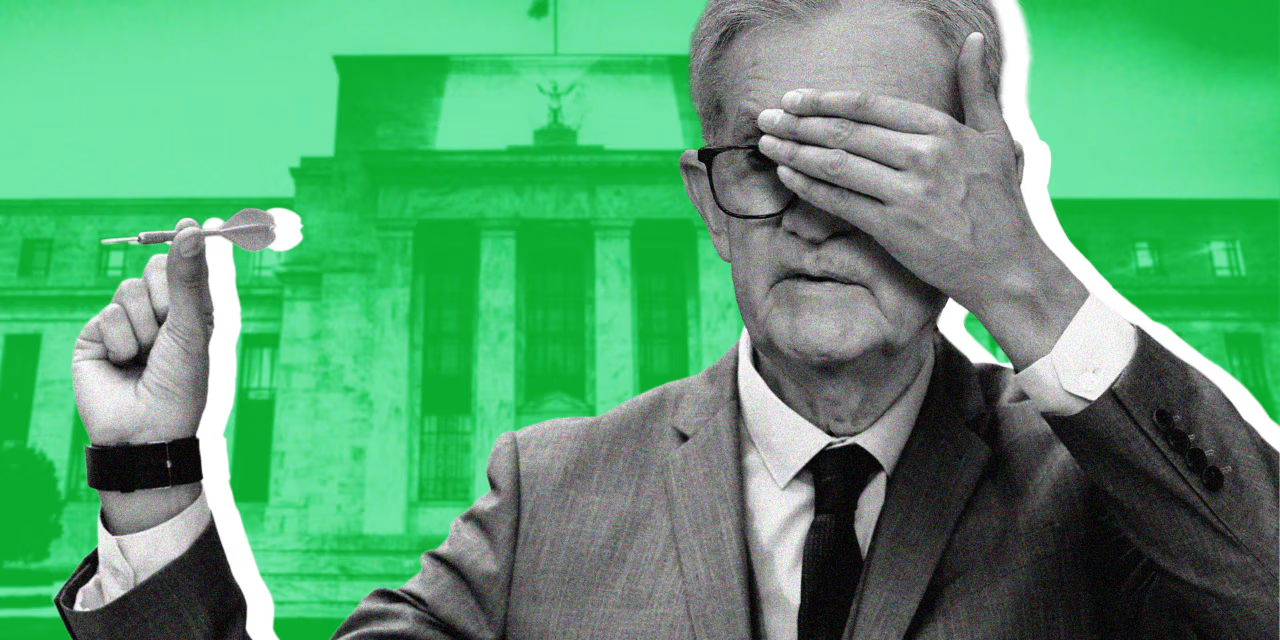
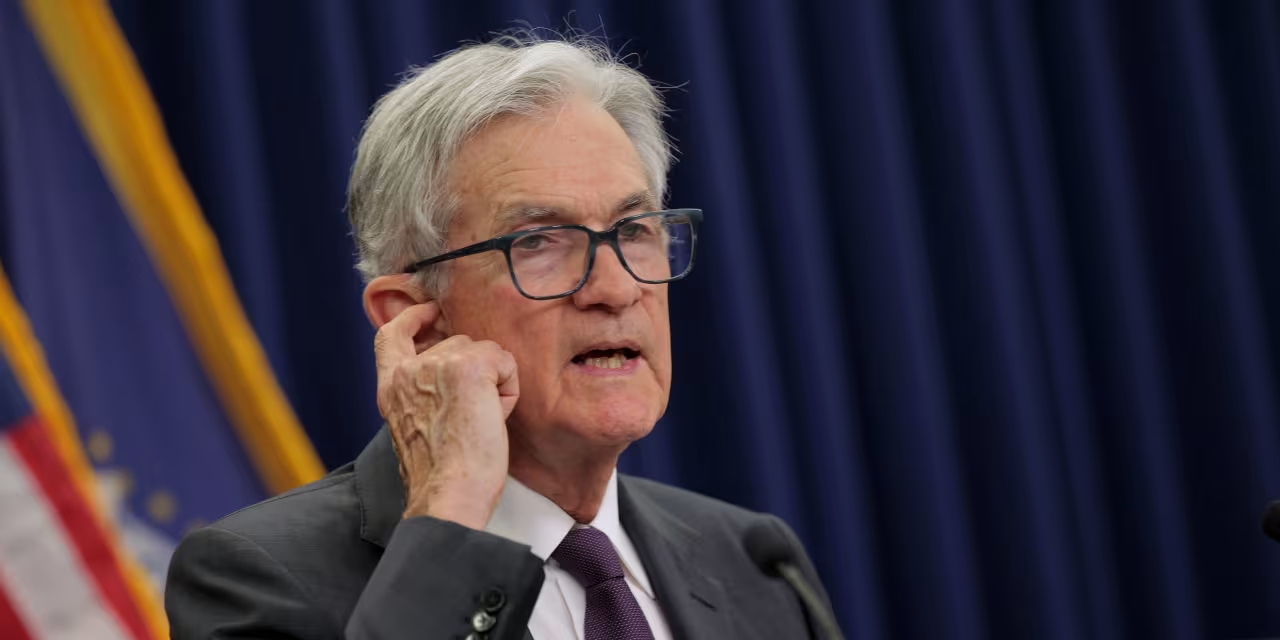
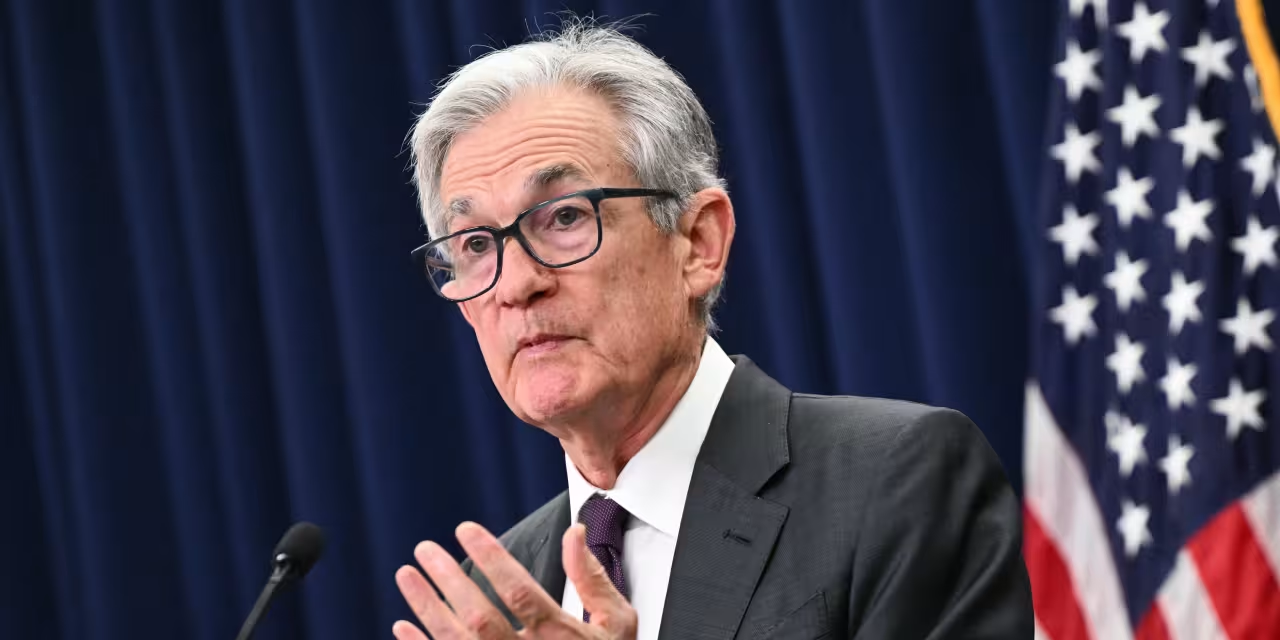
Fed Chair Jerome Powell indicated that a rate cut in December is uncertain due to divided opinions among Fed officials and unclear economic data, leading markets to reduce expectations of a cut. The Fed recently cut rates by a quarter point, but future moves depend on upcoming economic data, with some officials advocating for caution amid mixed signals from the economy.
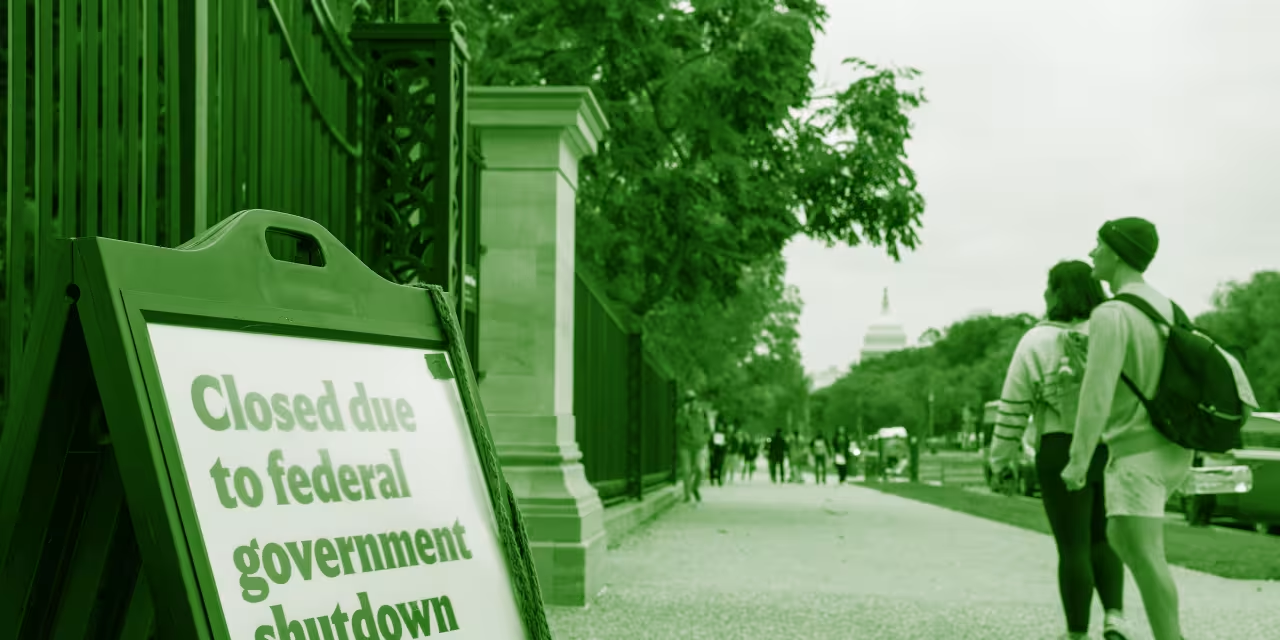
The ongoing government shutdown, potentially the longest in US history, is causing economic concerns, with estimates of a 0.1% to 0.2% weekly impact on GDP and fears of larger damage if mass layoffs occur. The shutdown is driven by a standoff over Obamacare subsidies and could extend into November, with possible triggers for resolution including airport disruptions or military pay issues. Polls show significant public concern about economic effects, but some analysts remain cautiously optimistic about long-term impacts.
The US government shutdown is complicating the Federal Reserve's decision-making process on interest rates due to delayed economic data, especially inflation and employment reports, amid a sluggish labor market and high inflation. Despite alternative data sources, the lack of official statistics may lead the Fed to hold rates steady or proceed cautiously in its upcoming meetings, with some experts suggesting the shutdown could increase market volatility.
The Federal Reserve is likely to cut interest rates by 25 basis points amid concerns over weak job growth and inflation, but this move has sparked debate among economists about its potential impact on inflation and economic stability, with opinions divided on whether the cut is appropriate given current economic conditions.
Federal Reserve Chair Jerome Powell signaled a potential interest rate cut in September to support the labor market amid concerns about employment and inflation, influenced by recent weak job growth data and the impact of tariffs, marking a strategic gamble to balance economic goals.
Fed officials expect inflation to rise soon due to tariffs, with many believing consumers will bear the costs, while a few express concerns about persistent inflation; the outlook influences potential interest rate decisions amid economic uncertainties.
Senior White House officials and experts affirm that the crucial monthly jobs report will continue to be produced despite proposals from some to suspend it, emphasizing its importance for economic decision-making and concerns over politicization and data reliability.
Fed Governor Michelle Bowman is advocating for faster interest rate cuts due to concerns over a weakening labor market and economic slowdown, signaling a potential shift in Fed policy ahead of the September meeting, with markets expecting a quarter-point reduction.
The Bank of England's monetary policy committee was deeply divided over interest rate decisions, resulting in a split vote with four members for no change, four for a quarter-point cut, and one for a half-point cut, leading to a cautious rate reduction to 4%. The decision reflects ongoing concerns about economic growth, inflation, and global trade impacts, with market reactions indicating a hawkish stance despite the divided votes.
President Trump is narrowing down his choices for the next Federal Reserve Chair, favoring Kevin Hassett and Kevin Warsh, while ruling out Treasury Secretary Scott Bessent, and considering a short-term replacement for Fed Governor Adriana Kugler.
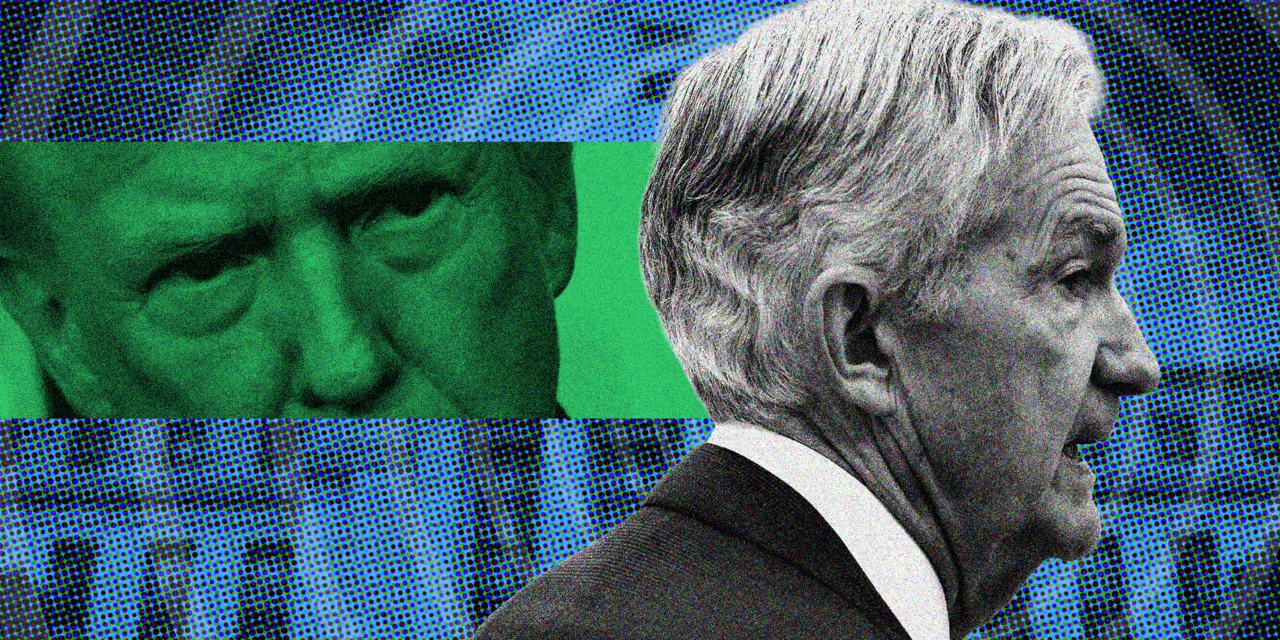
Amid political tensions and Trump’s pressure on Fed Chair Powell, the upcoming Fed meeting is seen as pivotal, though no rate change is expected. The meeting occurs against a backdrop of Trump’s attempts to influence Fed independence, with market reactions hinging on Powell’s signals about future rate cuts, especially with upcoming economic data and Powell’s potential future at the Fed.
Economists from Harvard Business School found that Trump's tariffs have led to modest but quick price increases in imported goods, with a cumulative rise of about 3% since March, challenging claims from the Trump administration that tariffs do not significantly impact consumer prices.
The Trump administration emphasizes that quality trade deals are more important than the August 1 tariff deadline, with officials providing conflicting views on whether tariffs will be implemented or delayed, amid ongoing negotiations and market speculation.
Federal Reserve Governor Christopher Waller argues that the labor market is weaker than it appears, justifying an interest rate cut this month to prevent economic slowdown, despite most officials preferring to wait for more inflation data; he also downplays the impact of tariffs on inflation and suggests a potential additional rate cut later this year if inflation remains controlled.