Tag

Wetlands

All articles tagged with #wetlands

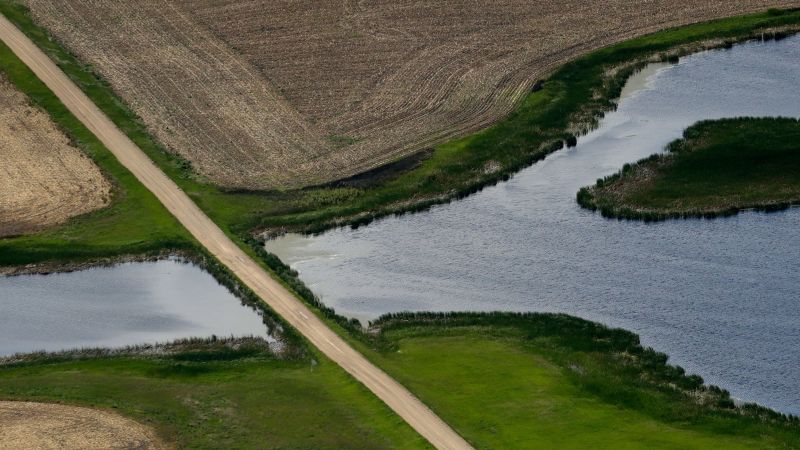
EPA's Proposed Rule Threatens Wetland Protections in Ohio and Wisconsin

Originally Published 15 days ago — by Signal Cleveland

Featured image for EPA's Proposed Rule Threatens Wetland Protections in Ohio and Wisconsin
Source: Signal Cleveland

The U.S. EPA proposes to weaken Clean Water Act protections for 96% of Ohio's wetlands and many streams, risking increased pollution and environmental degradation, especially after the 2023 Supreme Court ruling that redefined water protections. Public comments are open until January 5 to oppose the rule.

Greece Residents Oppose New Senior Living Development

Originally Published 1 year ago — by 13WHAM-TV

Featured image for Greece Residents Oppose New Senior Living Development
Source: 13WHAM-TV

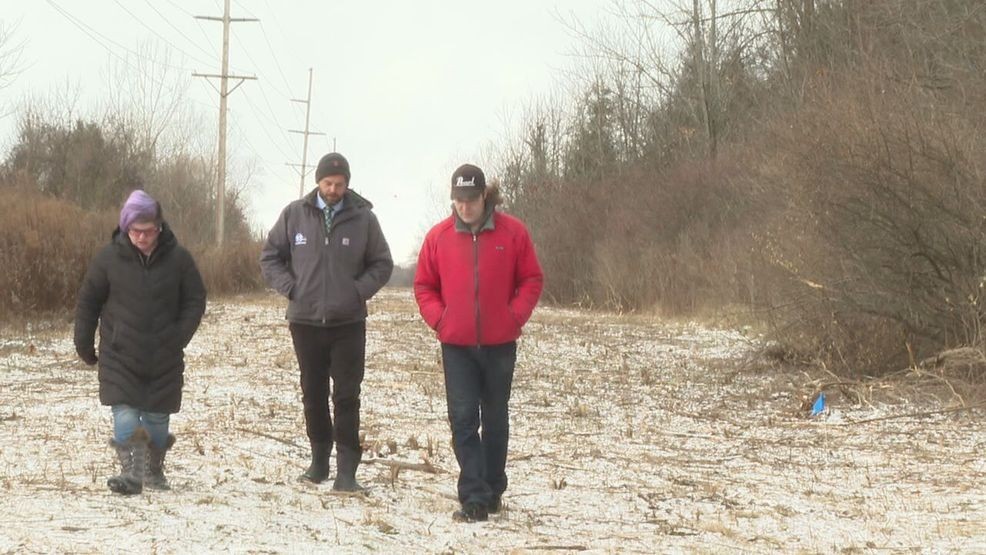
The Town of Greece has approved a senior living complex on Island Cottage Road, sparking concerns among residents about environmental impacts and potential contamination. Residents like Steve DiBattisto and the Bulsons are worried about traffic, fire safety, and the effect on local wildlife and wetlands. Despite the approval, opponents vow to continue their fight, citing issues with soil contaminants and loss of green spaces. Town Supervisor Bill Reilich supports the project, emphasizing the need for senior housing in the area.

"Wetland Methane Emissions Surge in High Latitudes, Study Finds"

Originally Published 1 year ago — by Phys.org

Featured image for "Wetland Methane Emissions Surge in High Latitudes, Study Finds"
Source: Phys.org

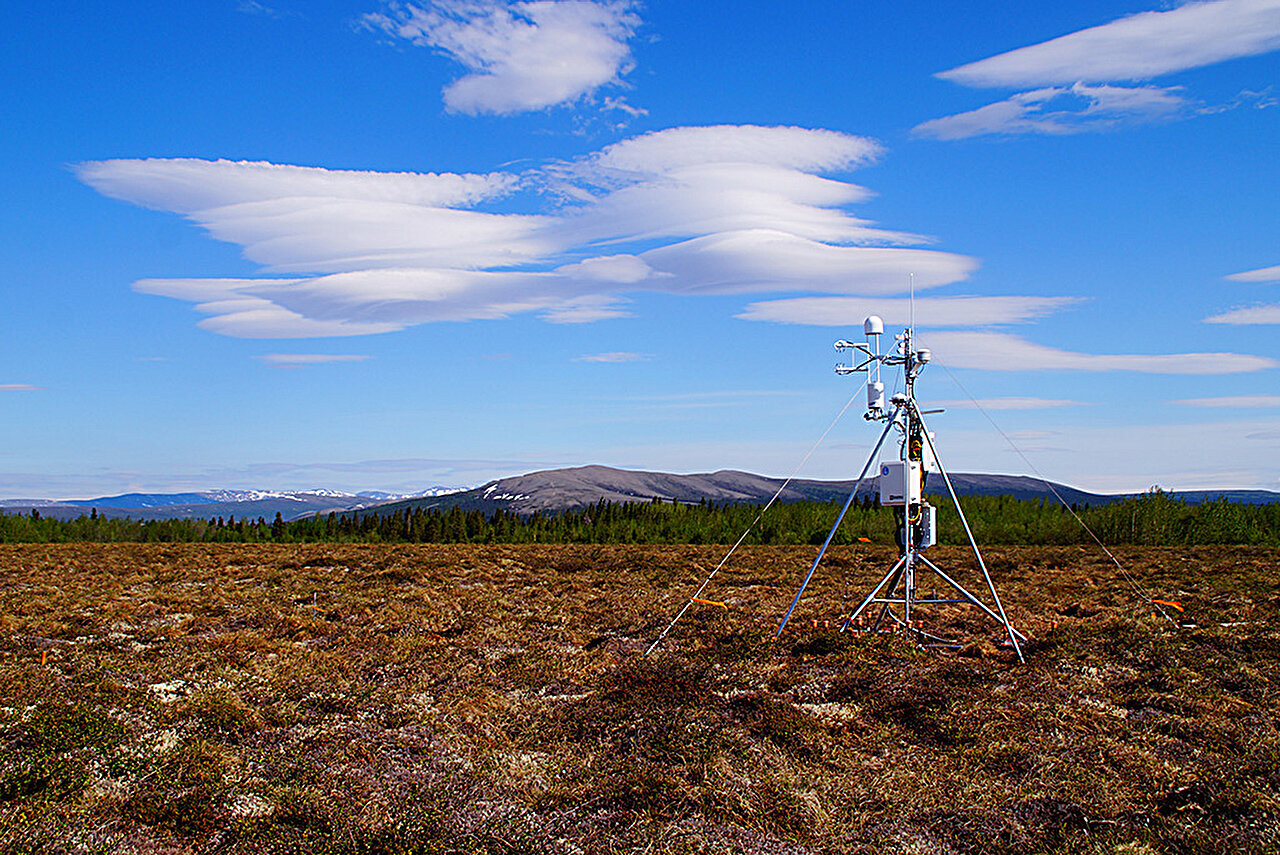
A study by the Department of Energy's Lawrence Berkeley National Laboratory reveals that methane emissions from wetlands in the Boreal-Arctic region have increased by approximately 9% since 2002, likely due to rising temperatures and enhanced microbial activity. The research team combined data from various monitoring methods to analyze over 307 total years of methane emissions data, finding that higher temperatures and increased plant productivity are major drivers of these emissions. The study provides a better understanding of the role wetlands play in the global climate system and offers a scientific baseline to address climate change.

"Louisiana's Vulnerable Wetlands: A Sobering Glimpse into the Future"

Originally Published 1 year ago — by The Washington Post

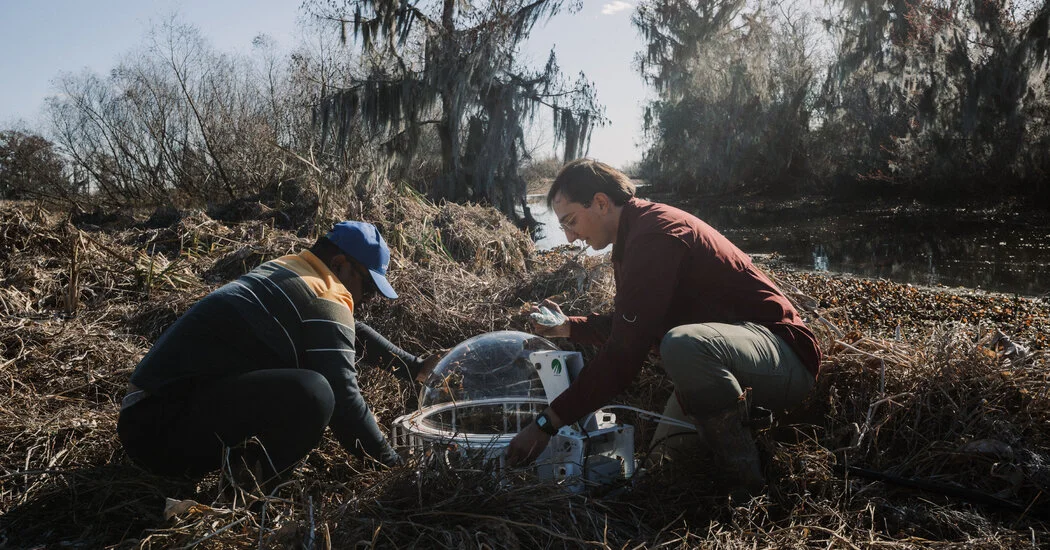
Featured image for "Louisiana's Vulnerable Wetlands: A Sobering Glimpse into the Future"
Source: The Washington Post

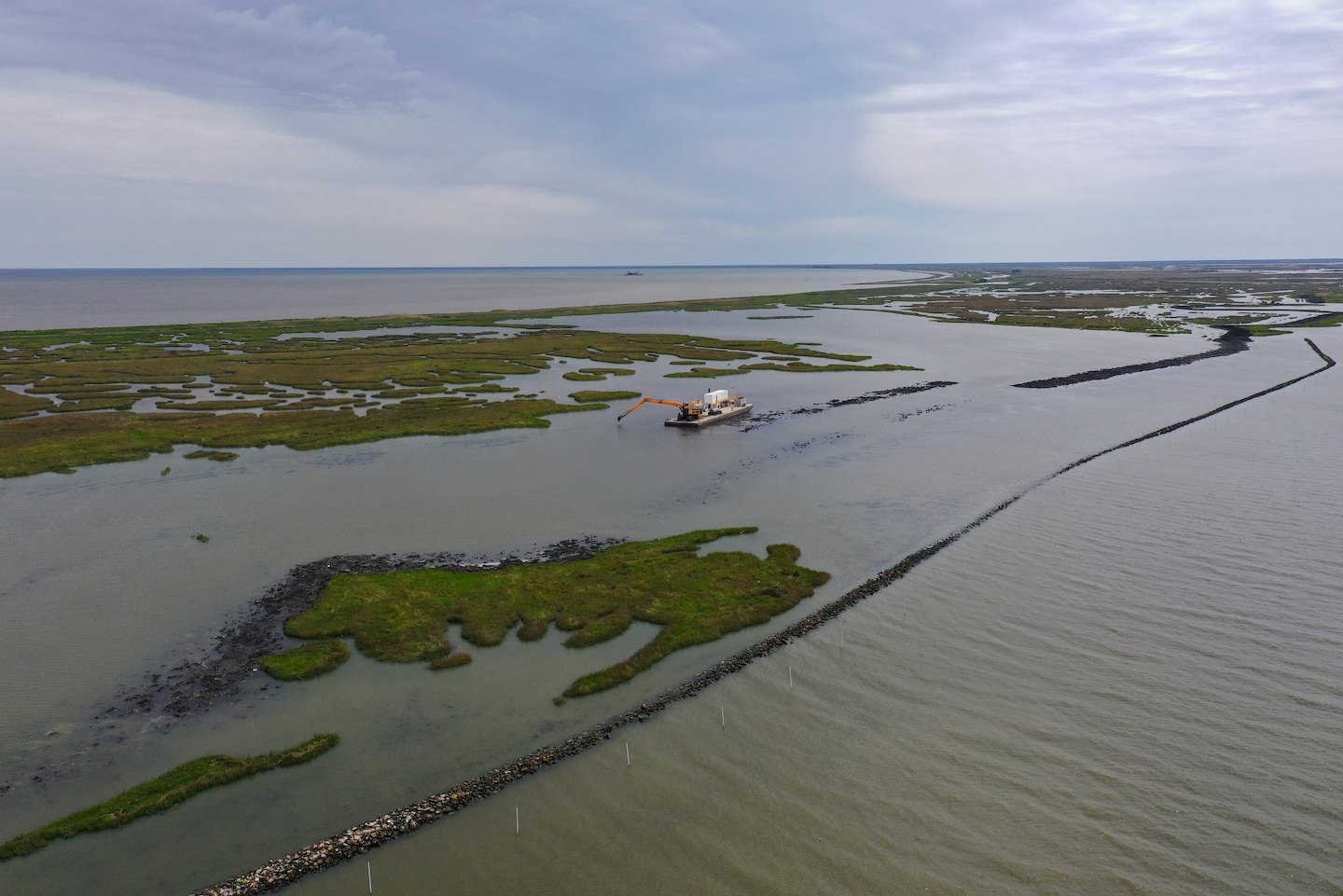
Scientists warn that rapidly rising seas are causing a surge in sea level rise, leading to the drowning of coastal wetlands in Louisiana. The state's wetlands, crucial for coastal protection and biodiversity, are unable to keep pace with the rising water levels, putting them at risk of disappearing. Efforts to restore wetlands may not be enough to counter the rapid loss, and the study predicts that Louisiana could lose 75% of its coastal wetlands by 2070, posing a significant threat to the state's ecosystem and coastal resilience.

"Rapid Vegetation Growth Replaces Melting Ice in Greenland, Signaling Climate Change"

Originally Published 1 year ago — by NBC News

Featured image for "Rapid Vegetation Growth Replaces Melting Ice in Greenland, Signaling Climate Change"
Source: NBC News

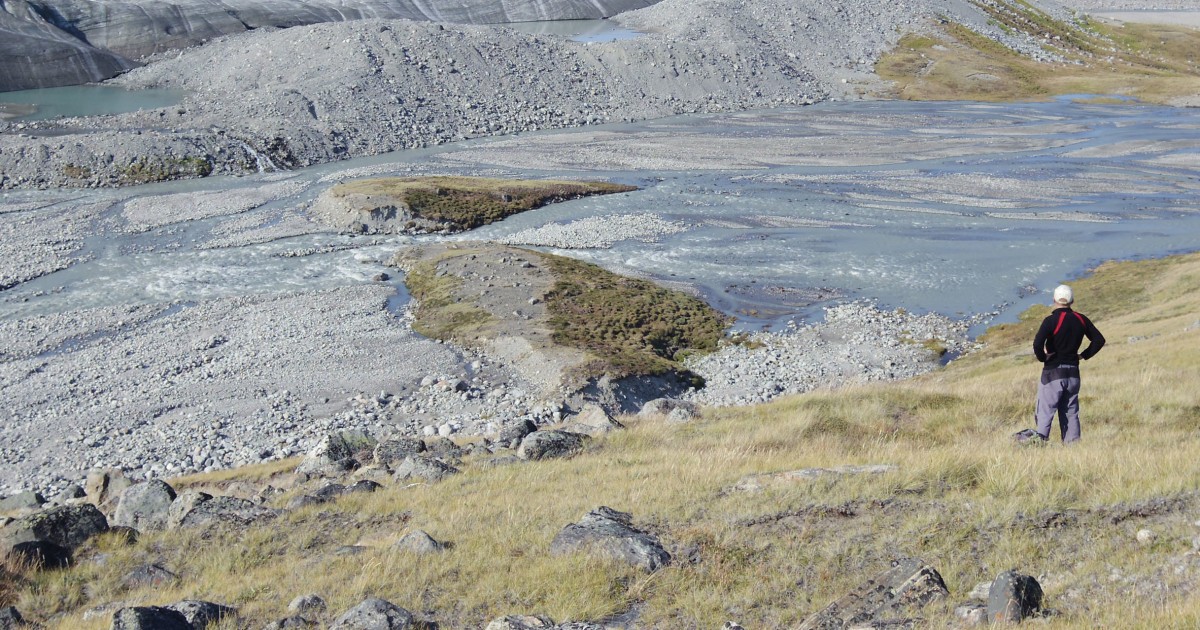
A new study using satellite images has revealed that parts of Greenland's ice sheet and glaciers have melted over the past 30 years, leading to the growth of wetlands, shrub vegetation, and barren rock. The expansion of vegetation and wetlands, particularly in the southwest and northeast, raises concerns about the stability of the landscape, rising sea levels, and increased greenhouse gas emissions. The loss of ice also contributes to global warming by exposing bare rock and vegetation that absorb more sunlight, while wetlands become significant sources of methane emissions. These changes have cultural implications for indigenous populations and pose significant challenges for global sea level rise.

"Nisar's Expertise Enhances Understanding of Forests and Wetlands: JPL"

Originally Published 2 years ago — by IndiaTimes

Featured image for "Nisar's Expertise Enhances Understanding of Forests and Wetlands: JPL"
Source: IndiaTimes

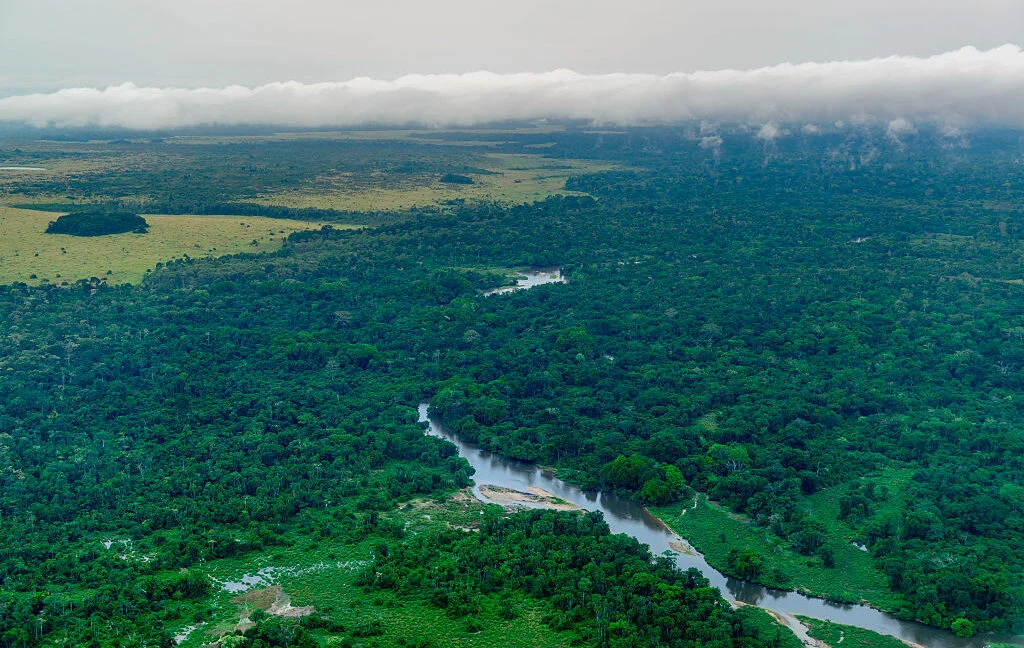
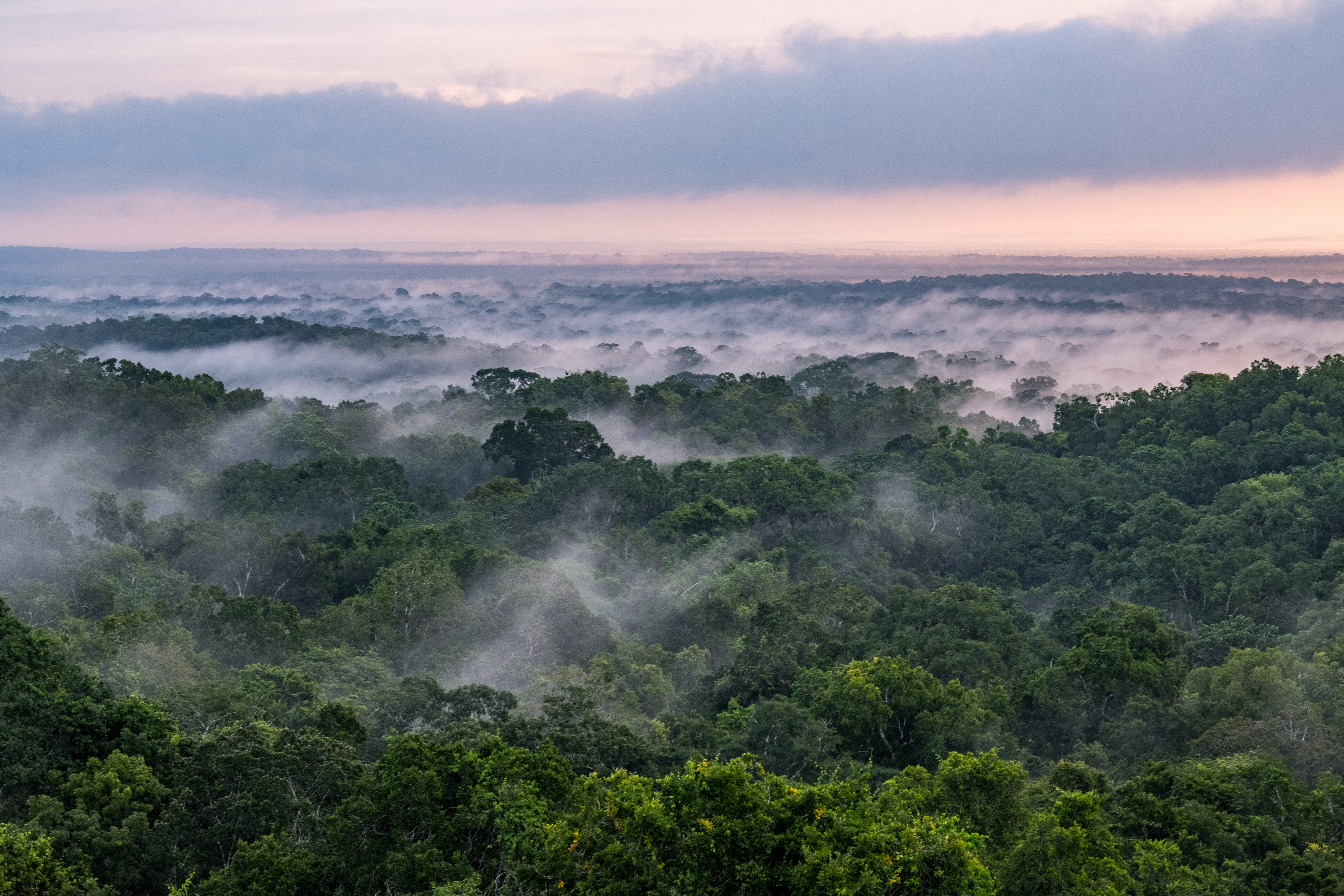
The Nasa-Isro Synthetic Aperture Radar (Nisar) satellite, scheduled to launch in 2024, will provide researchers with unprecedented insights into Earth's forests and wetlands. By scanning the planet's land and ice surfaces every 12 days, Nisar will track changes in forests and wetlands, which play crucial roles in the global carbon cycle and climate change. The satellite's radar technology will help understand the impact of deforestation on the carbon cycle, improve knowledge of forest growth and degradation, and aid in studying geological events and environmental changes such as earthquakes, volcanic eruptions, and glacier melting.

"Revolutionary NASA-ISRO Radar Mission Unveils Dynamic Forest and Wetland Perspectives"

Originally Published 2 years ago — by NASA

Featured image for "Revolutionary NASA-ISRO Radar Mission Unveils Dynamic Forest and Wetland Perspectives"
Source: NASA

The NASA-ISRO NISAR radar satellite mission, set to launch in early 2024, will provide detailed insights into forests and wetlands, crucial ecosystems for regulating greenhouse gases and combating climate change. By scanning Earth's land and ice surfaces every 12 days, NISAR will track changes in forest density and wetland flooding, helping researchers understand the capture and release of carbon. The data collected will improve our understanding of deforestation's impact on the carbon cycle and aid in the management of wetland ecosystems. NISAR will also monitor land motion, earthquakes, volcanic eruptions, and the melting of glaciers and sea ice.

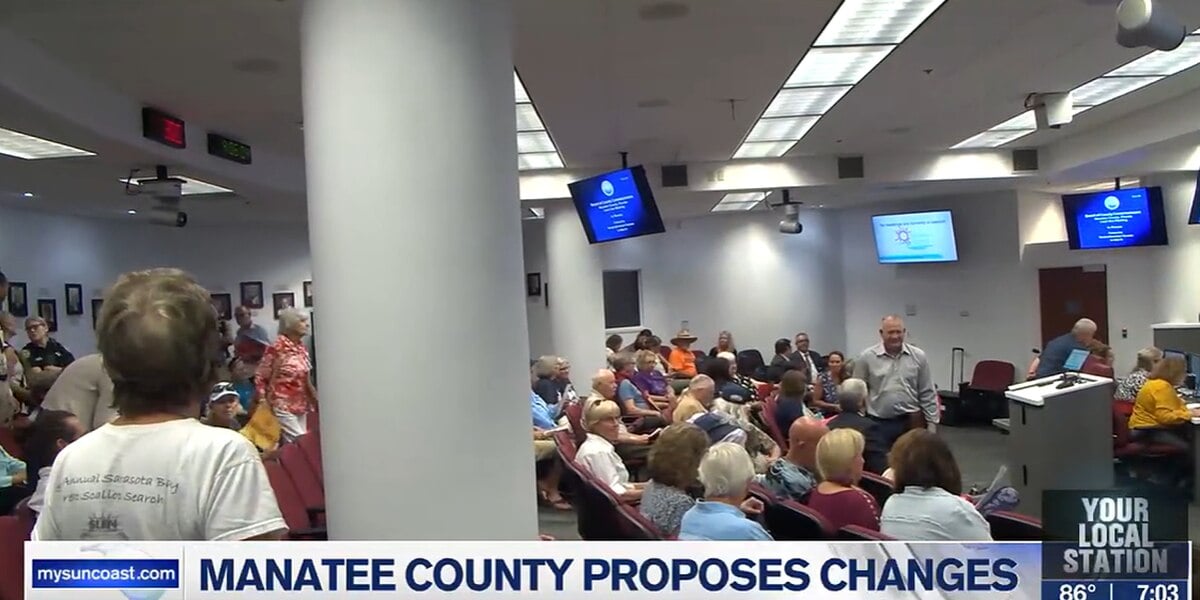
Manatee County Commission Chooses Developer Interests Over Wetland Protection

Originally Published 2 years ago — by WWSB

Featured image for Manatee County Commission Chooses Developer Interests Over Wetland Protection
Source: WWSB

The Manatee County Commission voted 5-1 to reduce protections for wetlands, cutting in half the buffer zone between construction and wetland areas. Environmentalists warn that this decision could lead to contamination of major drinking water sources. Despite pleas from concerned citizens, the county aims to align its development regulations with those of the state government.

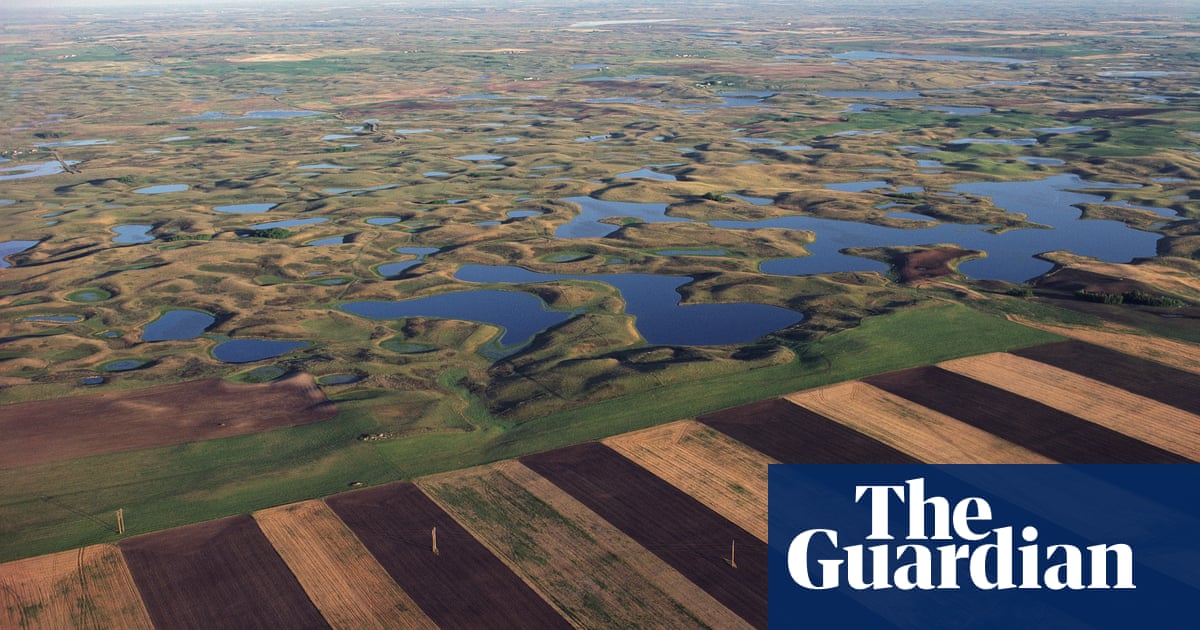
"Supreme Court Ruling Weakens Wetland Protections, Biden Administration Responds"

Originally Published 2 years ago — by The Guardian

Featured image for "Supreme Court Ruling Weakens Wetland Protections, Biden Administration Responds"
Source: The Guardian

The Biden administration has weakened regulations protecting wetlands after a Supreme Court ruling limited the federal government's jurisdiction over them. The new rule requires wetlands to be more clearly connected to other bodies of water, departing from previous federal rules. The ruling in favor of an Idaho couple seeking to build a house near a lake prioritized property rights over clean water concerns. Environmental groups argue that the new rule weakens protections for wetlands and restricts the federal government's ability to safeguard critical waters. The change takes effect immediately and comes as two hurricanes approach the coasts. The power of the Clean Water Act has fluctuated depending on the political party in the White House.

"EPA and Biden Administration Roll Back Wetland Protections Following Supreme Court Ruling"

Originally Published 2 years ago — by NPR

Featured image for "EPA and Biden Administration Roll Back Wetland Protections Following Supreme Court Ruling"
Source: NPR

The Environmental Protection Agency (EPA) has removed federal protections for the majority of the country's wetlands in compliance with a recent Supreme Court ruling. The ruling narrowed the scope of the Clean Water Act and the EPA's authority to regulate waterways and wetlands. The EPA's new rule eliminates the "significant nexus" test and shifts the responsibility of protecting waterways and wetlands to the states. Environmental groups argue that the ruling undermines clean water and wetland protections, leaving communities more vulnerable to pollution and flooding. Some business groups, however, believe the EPA's rollback does not go far enough.

Biden administration weakens water protections in response to Supreme Court ruling

Originally Published 2 years ago — by NBC News

Featured image for Biden administration weakens water protections in response to Supreme Court ruling
Source: NBC News

The Biden administration has weakened regulations protecting wetlands, citing a Supreme Court ruling that limited the federal government's jurisdiction over them. The new rule requires wetlands to be more clearly connected to other bodies of water, departing from previous federal rules. The Supreme Court ruling favored property rights over clean water concerns, narrowing the reach of environmental regulations. The rule change responds specifically to the court's decision and is final. Environmental groups have pushed for a broader definition to protect more waters, while developers and agriculture groups have sought to limit federal power. The new rule takes effect immediately and removes the "significant nexus" test for federally protected waters.

"Biden's Rule Threatens Protection of Majority of U.S. Wetlands"

Originally Published 2 years ago — by The Washington Post

Featured image for "Biden's Rule Threatens Protection of Majority of U.S. Wetlands"
Source: The Washington Post

The Environmental Protection Agency (EPA) has revised a key rule to comply with a recent Supreme Court ruling, potentially removing federal protections from up to 63% of the nation's wetlands. The EPA and the Department of the Army changed the definition of "waters of the United States" to align with the court's decision, which weakened the agencies' power to regulate waterways. As a result, numerous types of waters, including wetlands and ephemeral streams, will no longer be under federal protection. The ruling in Sackett v. EPA determined that wetlands are protected only if they have a continuous surface connection to bodies of water considered "waters of the United States." The EPA stated that the amendments made are limited and only address the parts of the previous rule that are invalid under the court's decision.

"EPA Redefines Federal Waters, Rolling Back Protections"

Originally Published 2 years ago — by CNN

Featured image for "EPA Redefines Federal Waters, Rolling Back Protections"
Source: CNN

The Environmental Protection Agency (EPA) and US Army have released a new rule that significantly reduces the scope of what qualifies as federal waters, following a Supreme Court decision in May that rolled back protections for US wetlands. The rule invalidates the previous definition of "waters of the United States" and excludes wetlands and smaller tributaries from protection. The decision has sparked criticism from environmental groups and even conservative Supreme Court Justice Brett Kavanaugh, who dissented with the majority, stating that the ruling will have significant repercussions for water quality and flood control in the US.

"Exploring Idaho's Hidden Gem: The Emerald Refuge"

Originally Published 2 years ago — by nasa.gov

A NASA-supported project in Idaho is using remote sensing data to predict which streams can support beavers and monitor the impact of their return. The project aims to update the Beaver Restoration Assessment Tool (BRAT) and create applications that use Earth observations to measure beaver rewilding impacts. By analyzing data from satellites like Landsat and Sentinel-2, scientists can track the growth of mesic vegetation near rivers and streams, which serves as a proxy for water availability. This information helps identify suitable sites for beaver reintroduction and highlights the positive effects of beavers on biodiversity, drought resilience, and water availability in ecosystems.

North Carolina House Overrides Six Vetoes After Intense Debate

Originally Published 2 years ago — by WGHP FOX8 Greensboro

Featured image for North Carolina House Overrides Six Vetoes After Intense Debate
Source: WGHP FOX8 Greensboro

The North Carolina House has voted to override six vetoes by Governor Roy Cooper, setting a possible record for vetoes fully overridden in a single day. Five of the bills, which cover topics such as late audit costs, retail sales, consumer finance, state work, and farming, have already been overridden by the Senate. The most contentious veto was for the Farm Bill, with Governor Cooper arguing that it weakens wetland protections and leaves the state vulnerable to flooding and water pollution. Another heated debate centered around a bill aimed at limiting questions about inclusion and affiliation in state work applications, with critics arguing it would hinder an inclusive environment and violate the First Amendment.