Tag

Western Us

All articles tagged with #western us

Western US Faces Severe Snow Drought and Water Supply Concerns

Originally Published 3 days ago — by The Conversation

Featured image for Western US Faces Severe Snow Drought and Water Supply Concerns
Source: The Conversation

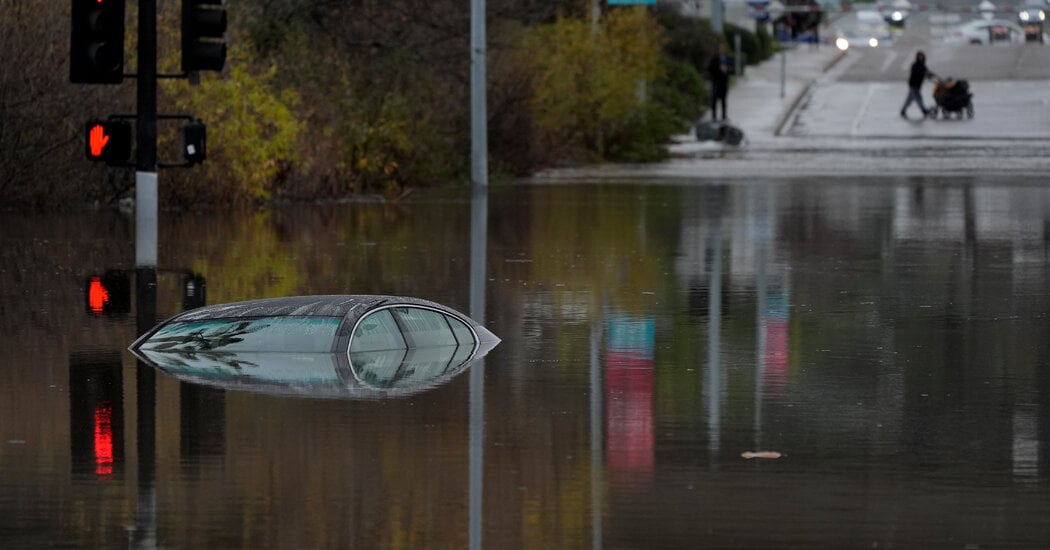
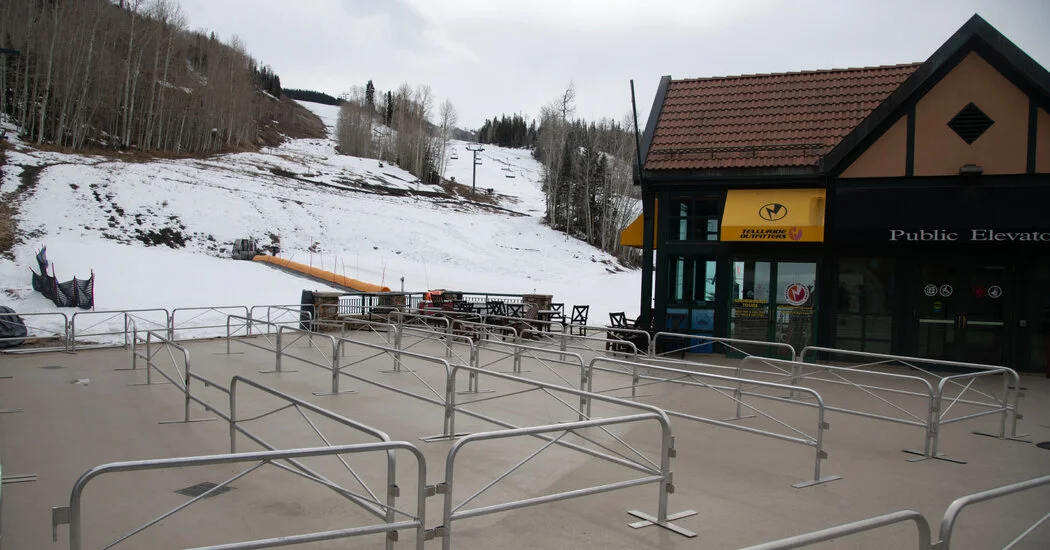
The western US is experiencing a snow drought in 2026, worsened by atmospheric river storms that caused heavy rainfall and melting of snowpack, which is critical for regional water supplies. Warmer temperatures have led to more rain instead of snow, exacerbating water shortages and increasing risks of flooding and landslides. Scientists are working to improve predictions and understand storm impacts to better manage water resources amid climate change.

Colorado River Negotiations Stall Amid Growing Water Crisis

Originally Published 23 days ago — by Politico

Featured image for Colorado River Negotiations Stall Amid Growing Water Crisis
Source: Politico

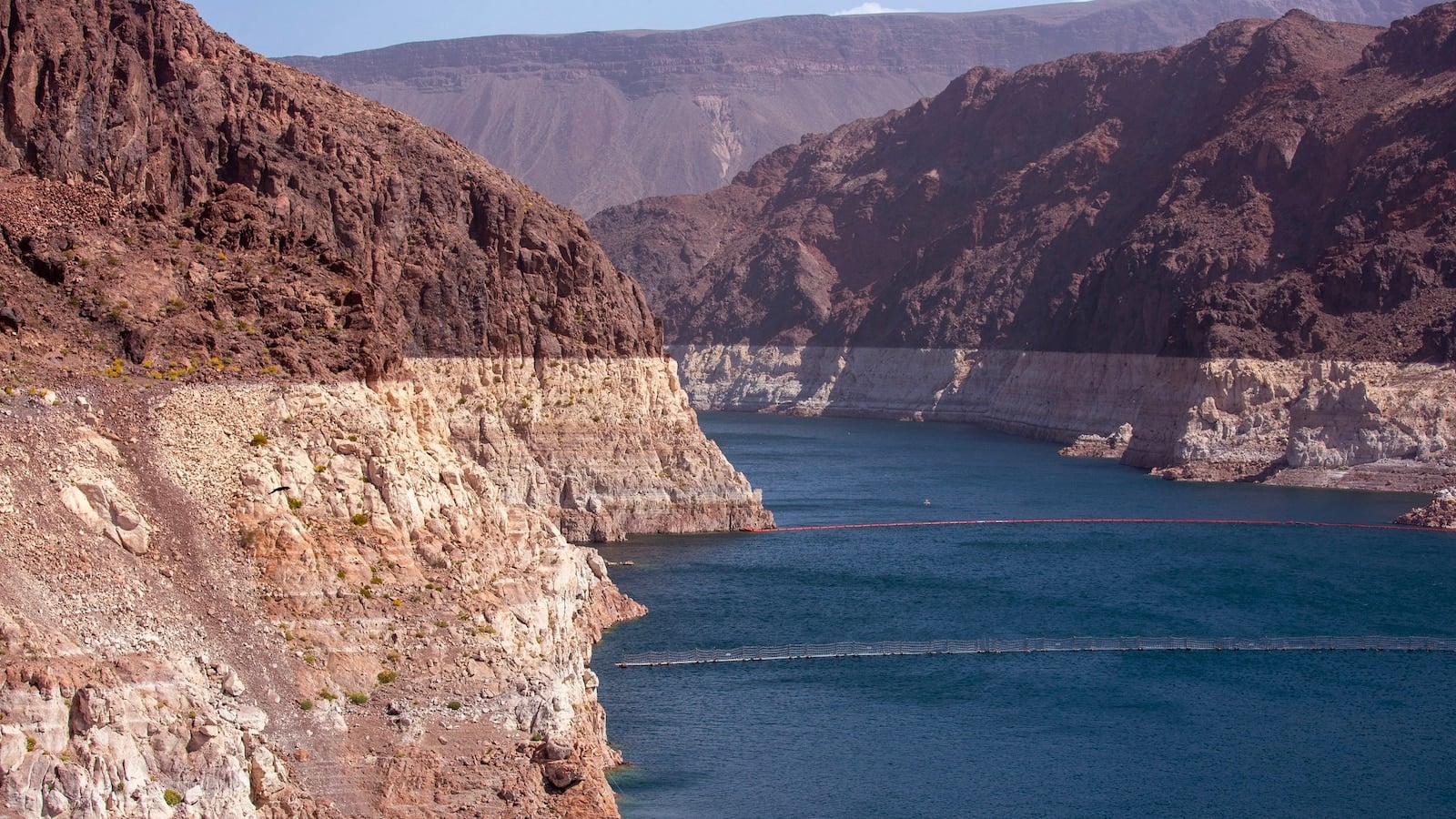
The Colorado River water dispute among seven states, including swing states Arizona and Nevada and conservative states Utah and Wyoming, is escalating, risking a water crisis for 40 million people amid drought and political tensions, with federal intervention efforts hampered by political deadlock and upcoming elections.

Western US Ski Resorts Struggle Amid Record Warmth and Drought

Originally Published 23 days ago — by ABC News

Featured image for Western US Ski Resorts Struggle Amid Record Warmth and Drought
Source: ABC News

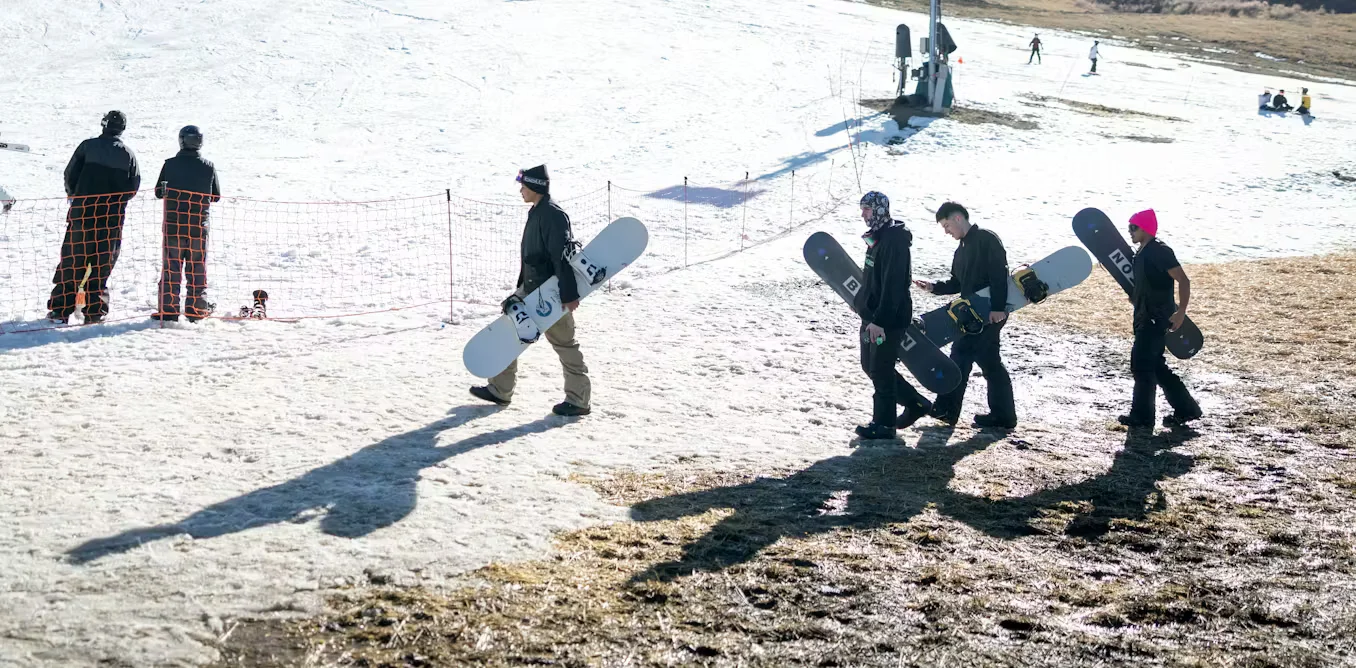
Warm weather and low snowpack are negatively impacting Western ski resorts, delaying openings and reducing snow-based attractions, while the Midwest and Northeast experience record snowfall, highlighting regional climate variability and concerns over drought and water supply in the West.

Record-Breaking Heat Wave Scorches Western U.S.

Originally Published 1 year ago — by CBS News

Featured image for Record-Breaking Heat Wave Scorches Western U.S.
Source: CBS News

A major heat wave is intensifying across parts of the Western U.S., with record-high temperatures expected in California, Nevada, and Arizona. The National Weather Service has issued excessive heat warnings, predicting temperatures 10-15 degrees above normal through the weekend. Areas like Las Vegas and Death Valley are experiencing extreme heat levels, posing significant health risks. Authorities are advising precautions to prevent heat-related illnesses and wildfires.

Record-Breaking Heat Wave Scorches Western U.S.

Originally Published 1 year ago — by The New York Times

Featured image for Record-Breaking Heat Wave Scorches Western U.S.
Source: The New York Times

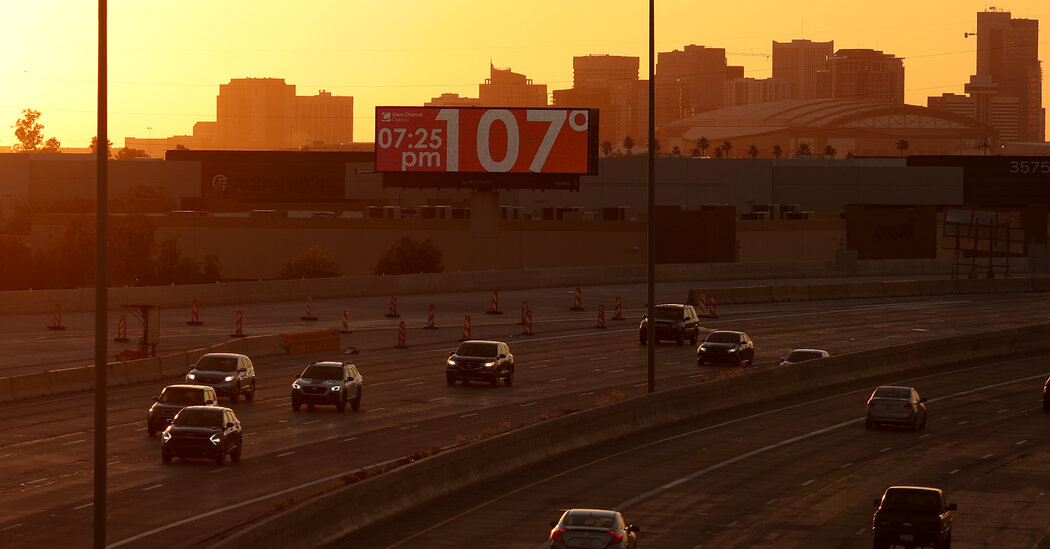
Nearly 19 million people in the Southwest U.S. are under an excessive heat warning as temperatures are expected to peak on Thursday, potentially breaking records in cities like Phoenix, Las Vegas, and Death Valley. The extreme heat will shift north into Oregon and Washington by the weekend, with some relief expected in the next 48 hours, though temperatures will remain above normal.

"Understanding Heat Domes and Their Impact on the Western US"

Originally Published 1 year ago — by NPR

Featured image for "Understanding Heat Domes and Their Impact on the Western US"
Source: NPR

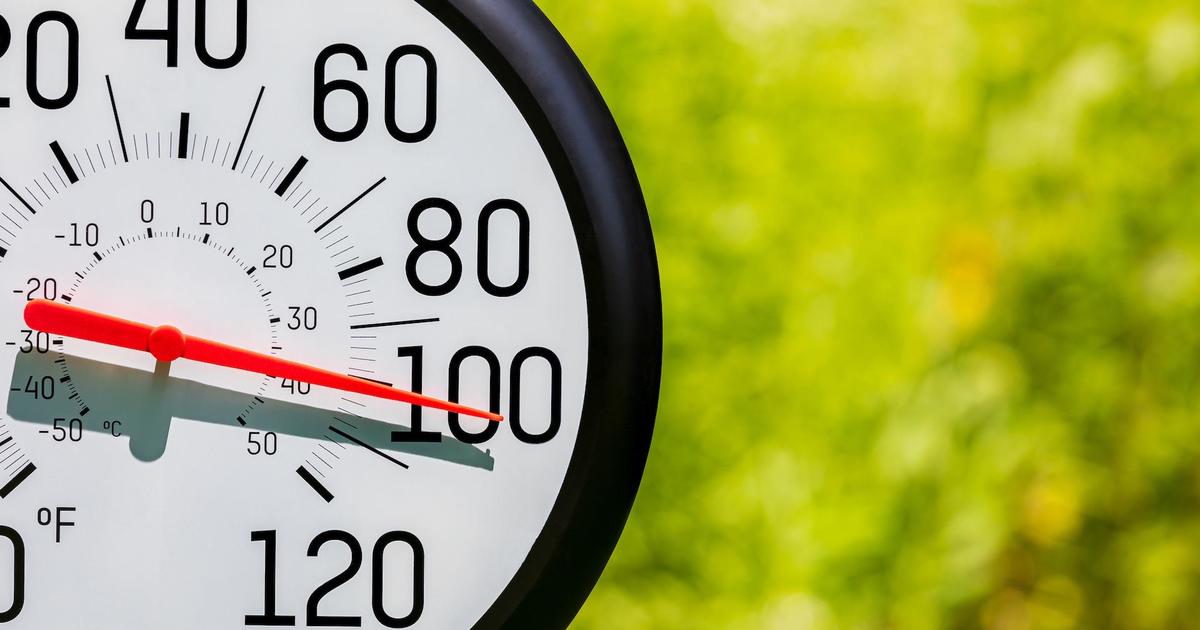
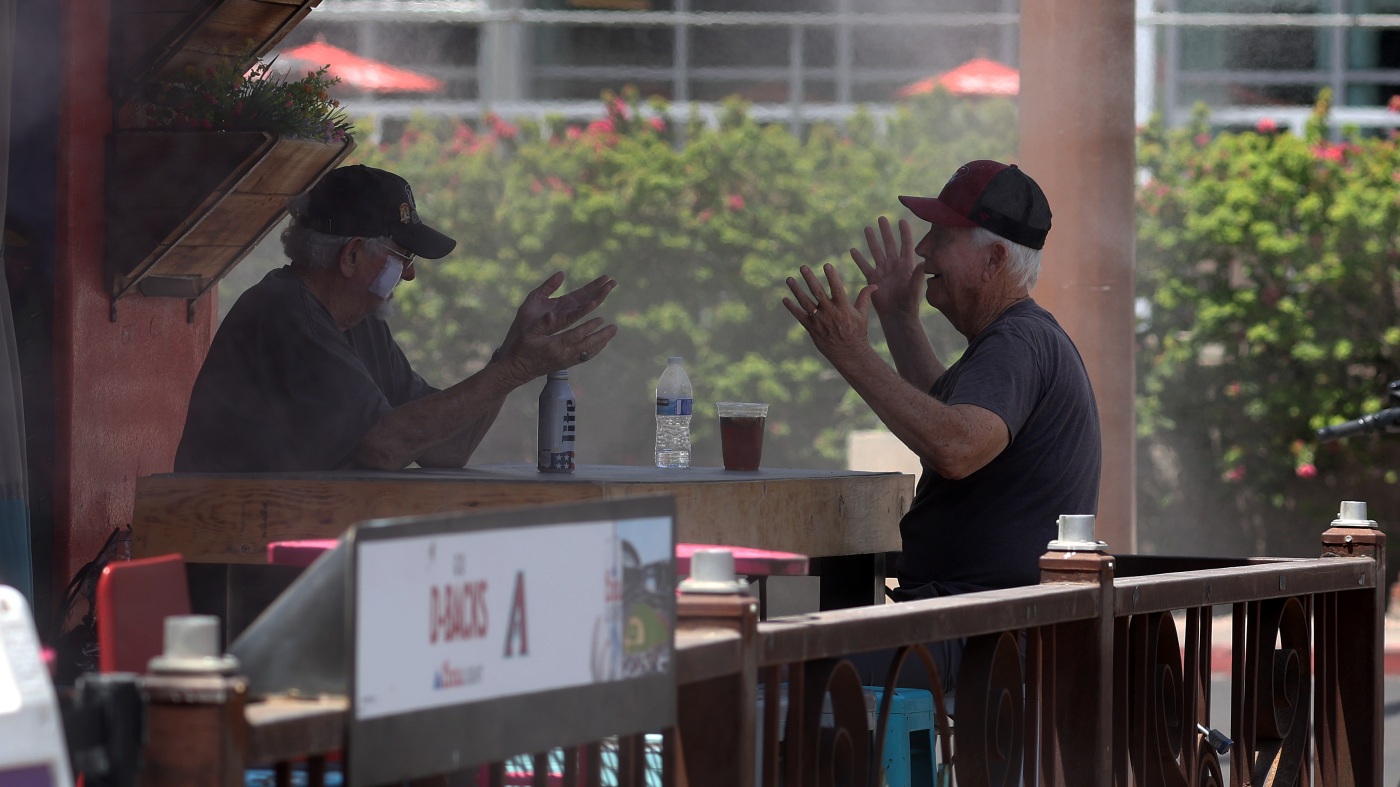
A heat dome, caused by high-pressure systems in the atmosphere, is bringing dangerously high temperatures to the Western U.S., with some areas experiencing highs over 100 degrees. This phenomenon traps heat like a lid on a pot, leading to prolonged periods of extreme heat. Climate change is making such heat events more frequent and intense. To stay safe, people should stay hydrated, seek shade, and check on vulnerable individuals. The National Weather Service and other agencies are issuing heat advisories and providing resources to help people manage the heat.

"Life-Threatening Heat Dome Scorches Western US"

Originally Published 1 year ago — by BBC.com

Featured image for "Life-Threatening Heat Dome Scorches Western US"
Source: BBC.com

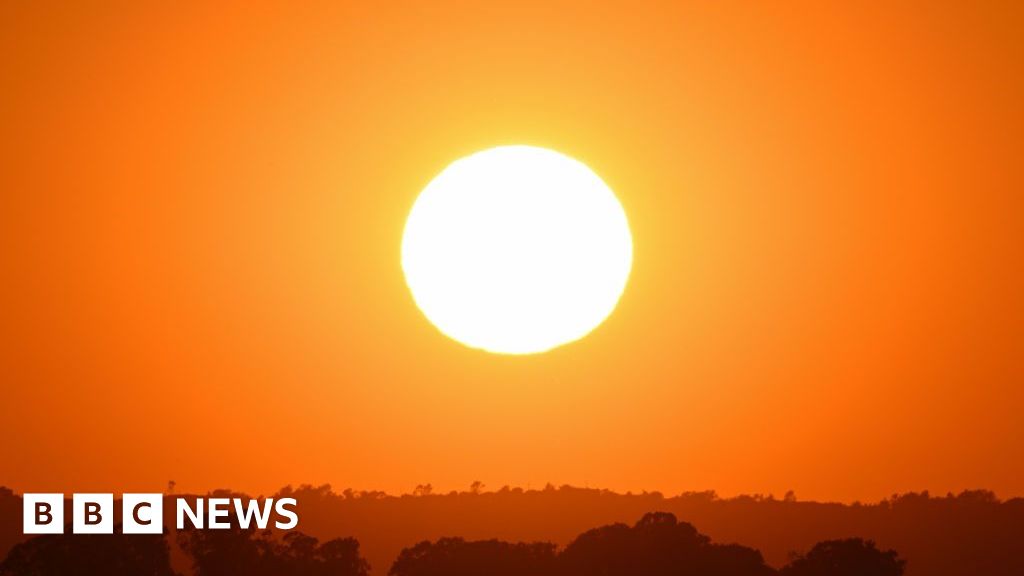
A heat dome is causing extreme temperatures across the western US, affecting over 34 million people in states like California, Nevada, Utah, and Arizona. The National Weather Service has issued excessive heat warnings, with temperatures expected to reach triple digits and potentially break records. This heat wave follows last year's deadly summer and is attributed to human-induced climate change, making such events more frequent and intense.

"Honolulu Leads U.S. in 1-Bedroom Rent Hikes"

Originally Published 1 year ago — by CNBC

Featured image for "Honolulu Leads U.S. in 1-Bedroom Rent Hikes"
Source: CNBC

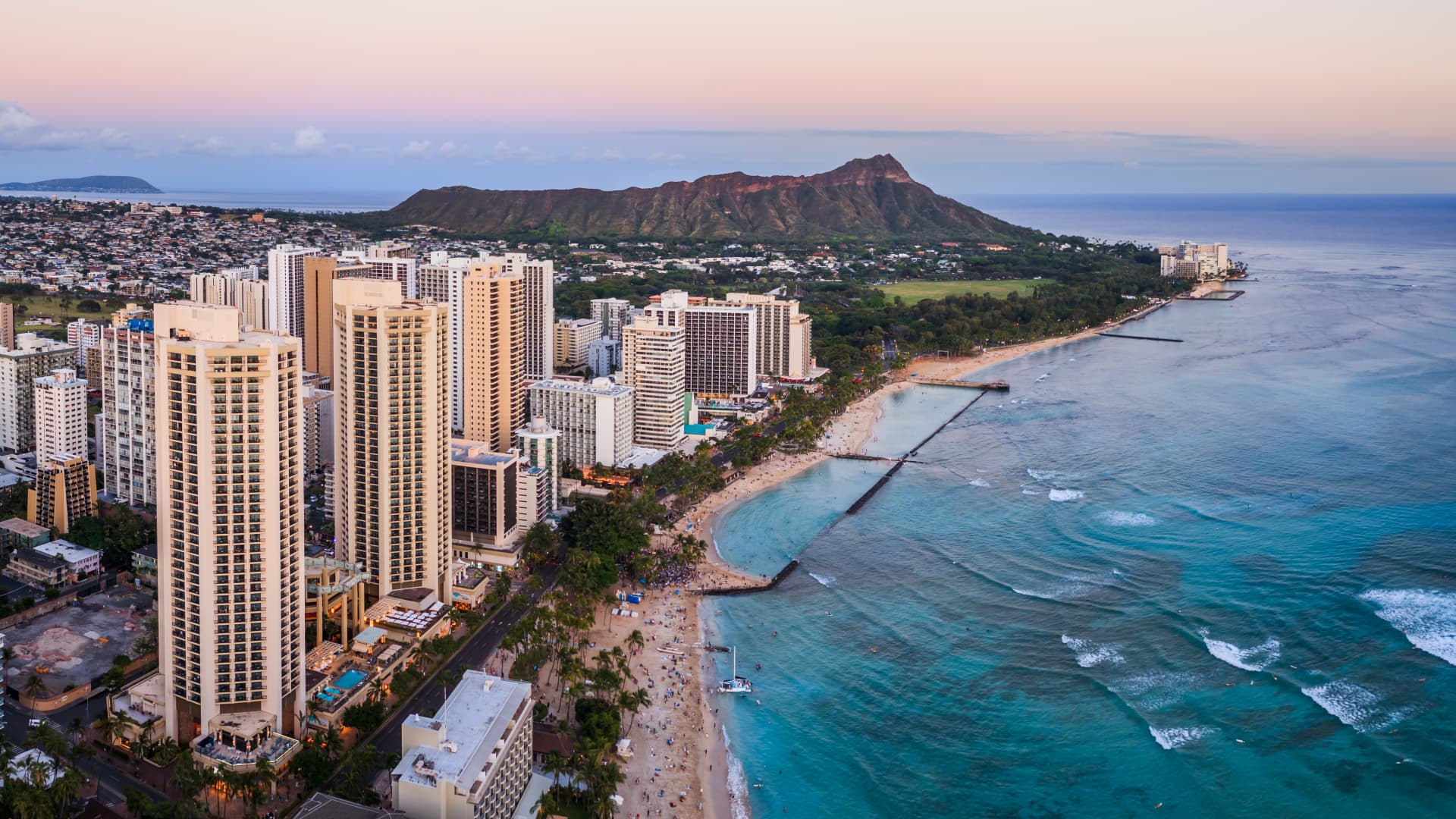
Honolulu, Hawaii, has experienced the highest year-over-year rent increase for one-bedroom apartments in the western U.S., with a 3.3% rise from $1,783 in 2023 to $1,841 in 2024. Despite a national trend of decreasing median rents, other western metro areas like Albuquerque, NM, and Seattle, WA, have also seen significant rent hikes. Factors contributing to Honolulu's high cost of living include its reliance on imported goods and high gas prices.

"Unveiling Colorado River's Water Usage: A Comprehensive Study"

Originally Published 1 year ago — by ABC News

Featured image for "Unveiling Colorado River's Water Usage: A Comprehensive Study"
Source: ABC News

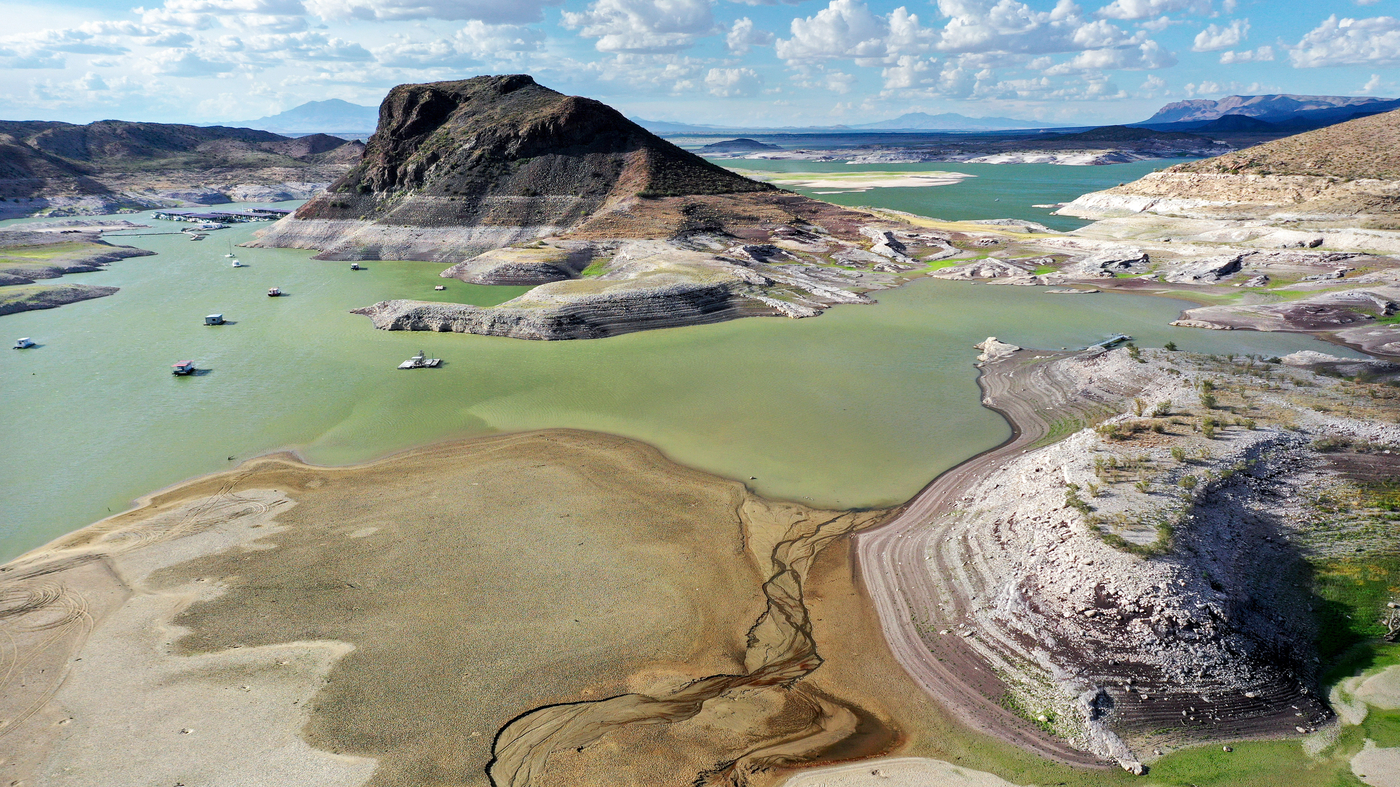
A report published in Communications Earth & Environment reveals that over half of the Colorado River's water flow is used for agricultural irrigation, with alfalfa and grass hay for cattle feed accounting for a third of the usage. The study aims to aid negotiations for conserving water allocated from the river, as legal agreements are set to expire in 2026. With the river's volume decreasing and reservoirs dropping, there is a pressing need for reduced water consumption and leaving more water to support ecosystems. Farmers are facing pressure to adapt to a future with less water, as they may need to reduce their water use by 20%.

"West Coast Braces for Series of Powerful Atmospheric River Events"

Originally Published 1 year ago — by The New York Times

Featured image for "West Coast Braces for Series of Powerful Atmospheric River Events"
Source: The New York Times

A series of atmospheric rivers is expected to bring heavy rainfall and snow to the Western U.S. and Canada over the next week, with the potential for localized flooding and landslides. The first two atmospheric rivers will mainly impact Northern California, the Pacific Northwest, and British Columbia, with a third and possibly a fourth affecting the region later in the week. The exact locations of heaviest precipitation remain uncertain, but there is a high probability of above-average precipitation across the Western U.S. in the coming week.

"Unprecedented Overlap: Climate Change's Impact on Extreme Heat and Droughts in North America"

Originally Published 1 year ago — by NPR

Featured image for "Unprecedented Overlap: Climate Change's Impact on Extreme Heat and Droughts in North America"
Source: NPR

A new study published in Science Advances reveals that hotter temperatures are exacerbating the megadrought in the Western U.S., leading to the emergence of "hot droughts" – dry conditions intensified by heat. By analyzing tree rings, researchers found that the last 20 years have seen unprecedented frequency of compound warm and dry summers, attributed to human-caused climate change. The study suggests that future droughts will be worsened by higher temperatures, particularly in regions like the Great Plains and the Colorado River Basin, impacting water reserves for millions of people.

"Colorado River Negotiations Yield Messy Compromise, Lake Mead Water Levels Rise with Federal Funding"

Originally Published 2 years ago — by The Colorado Sun

Featured image for "Colorado River Negotiations Yield Messy Compromise, Lake Mead Water Levels Rise with Federal Funding"
Source: The Colorado Sun

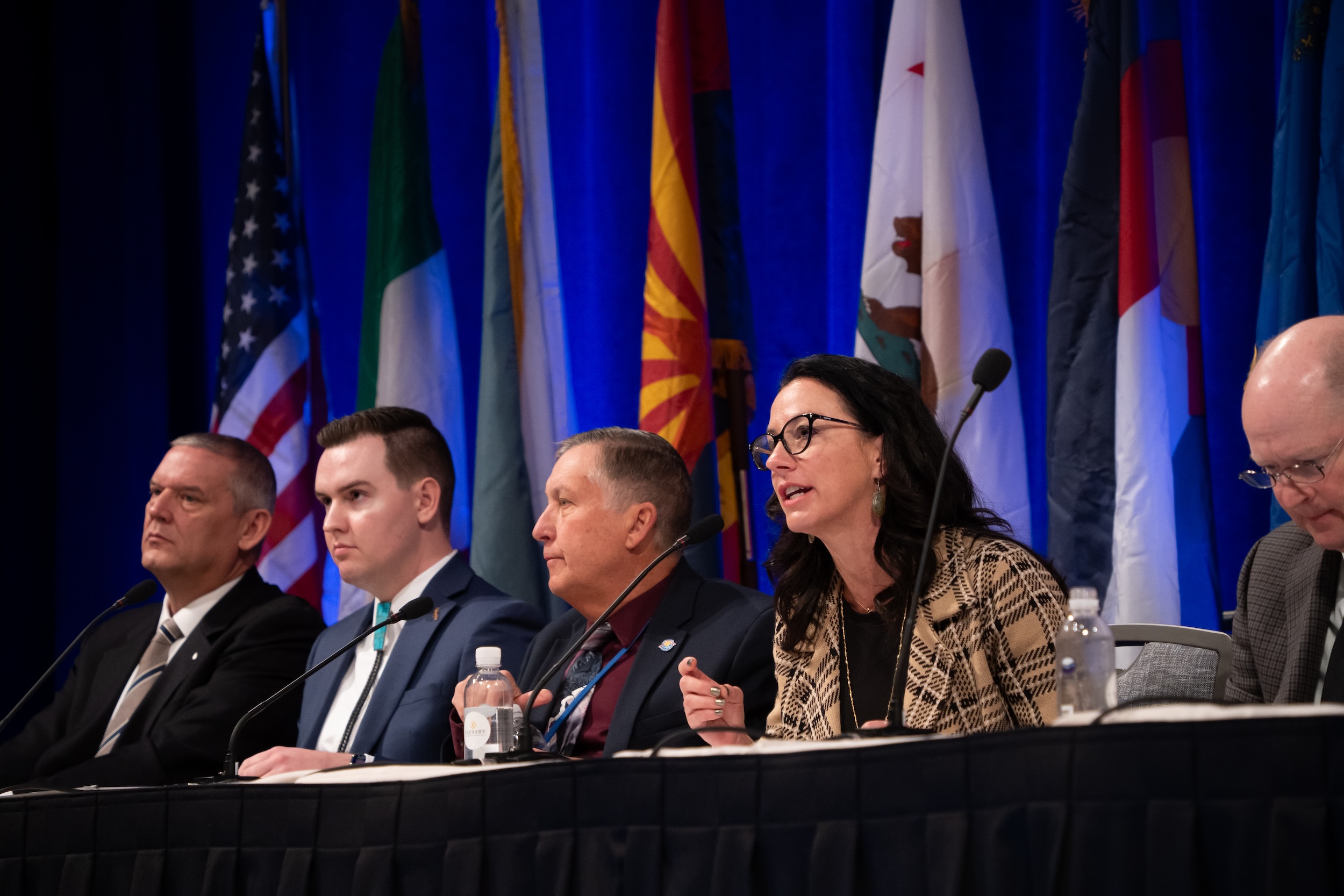
Negotiators for the seven states in the Colorado River Basin, including Colorado, met at the Colorado River Water Users Association conference in Las Vegas to discuss new rules for managing water use after 2026. The officials acknowledged that the negotiations would result in a messy compromise that would not solve all of the basin's problems. The key issues include balancing competing needs among water users, addressing overuse in the Lower Basin, and finding solutions to the supply-demand imbalance and the impacts of climate change. The negotiators emphasized the importance of compromise and shared responsibility, as litigation and legislation have proven challenging. The involvement of tribes in the negotiations was also highlighted as a crucial aspect that needs to be addressed.

Wildfires Reverse 20 Years of Air Quality Progress in Western U.S.

Originally Published 2 years ago — by SciTechDaily

Featured image for Wildfires Reverse 20 Years of Air Quality Progress in Western U.S.
Source: SciTechDaily

A new study reveals that wildfires in the western U.S. have reversed 20 years of progress in air quality, resulting in an increase of 670 premature deaths per year. The increase in frequency and intensity of wildfires has led to a 55% rise in black carbon concentrations, a fine-particle air pollutant linked to respiratory and heart disease. The impact on air quality has been most significant in fire-prone areas and downwind regions, with the highest mortality rates observed in these areas. The study highlights that efforts to improve air quality through reductions in automobile emissions have been undermined by wildfires, erasing the gains made over the past two decades.

December Weather Forecast: Above-Normal Temperatures and Cloudy Start

Originally Published 2 years ago — by The Weather Channel

Featured image for December Weather Forecast: Above-Normal Temperatures and Cloudy Start
Source: The Weather Channel

The December temperature outlook for the central and western United States predicts much warmer than average conditions, with the Midwest, Plains, and West having the highest likelihood of far-above-average temperatures. The East Coast and Florida are expected to see near-average temperatures, while the Southeast could experience a wetter-than-average month. The central US is likely to be drier than average, while areas from the Northern Rockies to the Great Lakes have the highest chance of below-average precipitation.