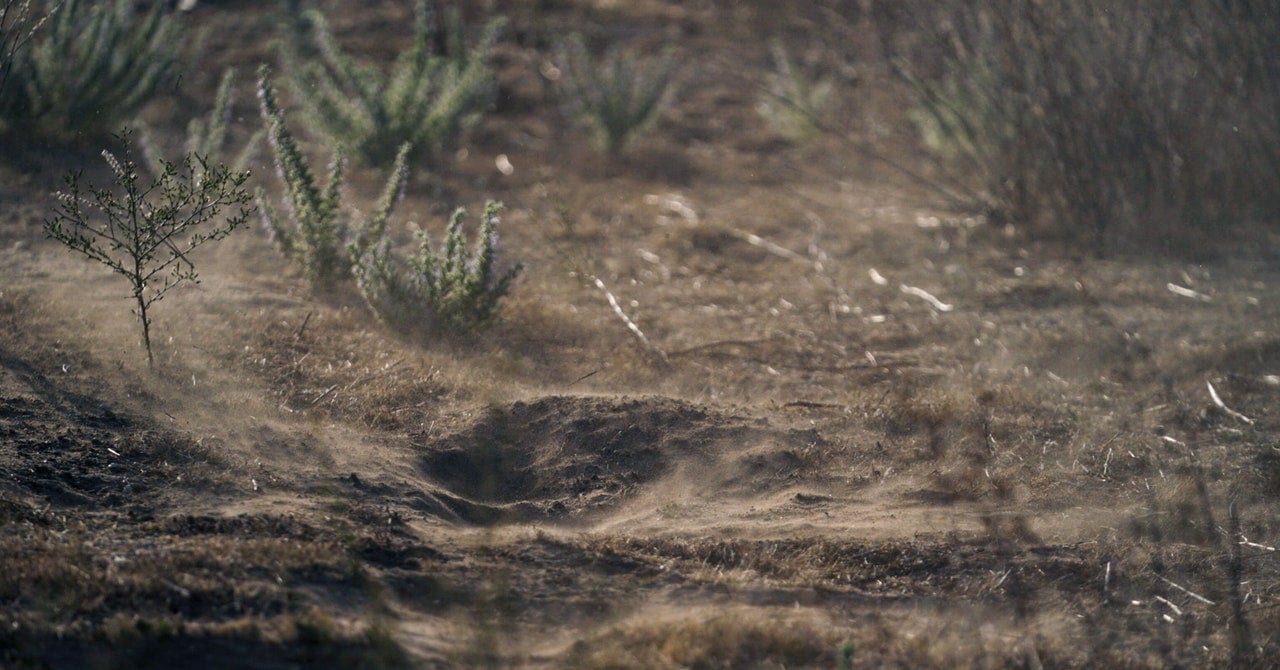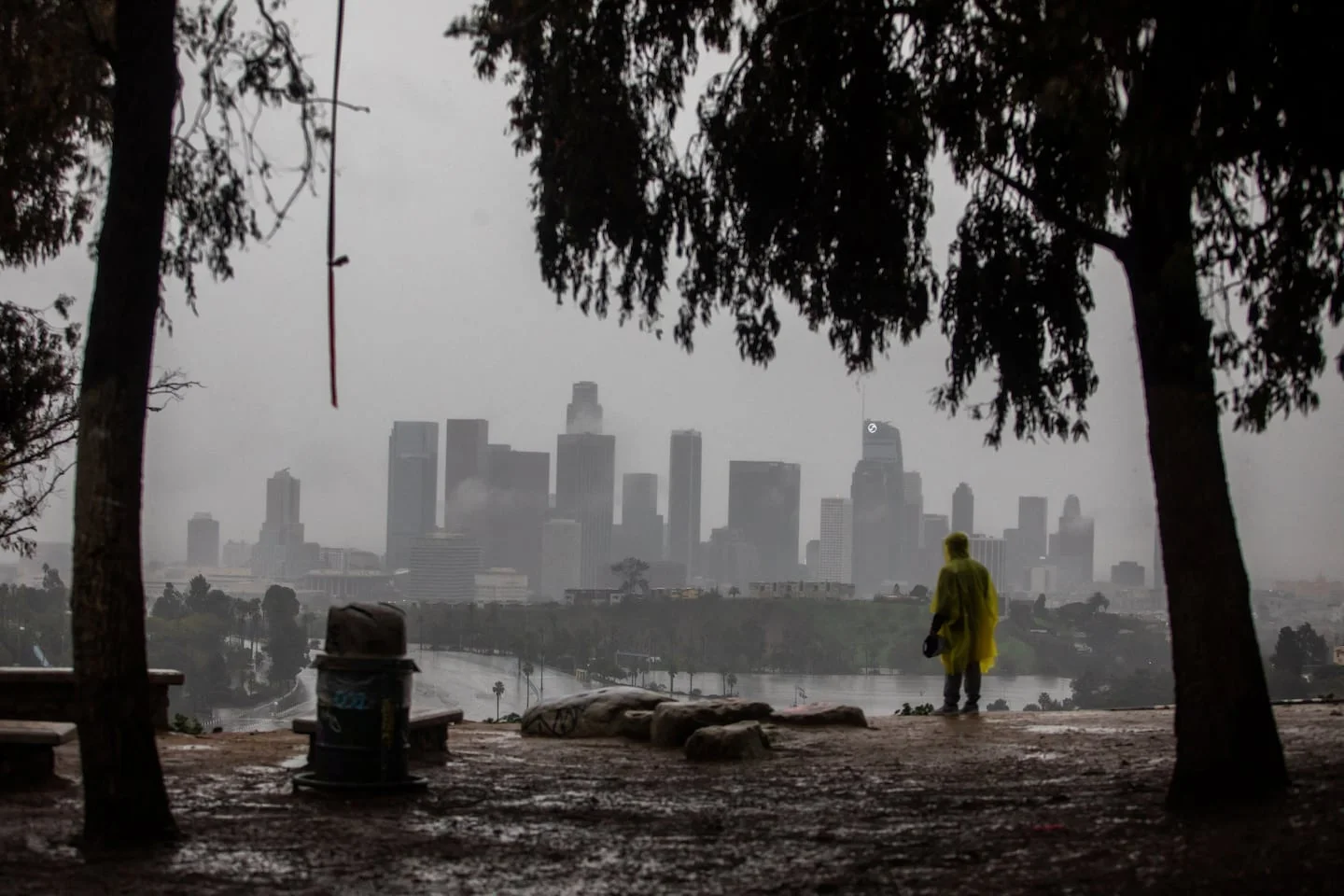
California has experienced a rare period of no abnormal dryness for the first time in 25 years, thanks to recent heavy rains and atmospheric rivers, reducing wildfire risk and water supply concerns, though climate change is expected to cause more extreme weather swings in the future.
The western US is experiencing a snow drought in 2026, worsened by atmospheric river storms that caused heavy rainfall and melting of snowpack, which is critical for regional water supplies. Warmer temperatures have led to more rain instead of snow, exacerbating water shortages and increasing risks of flooding and landslides. Scientists are working to improve predictions and understand storm impacts to better manage water resources amid climate change.
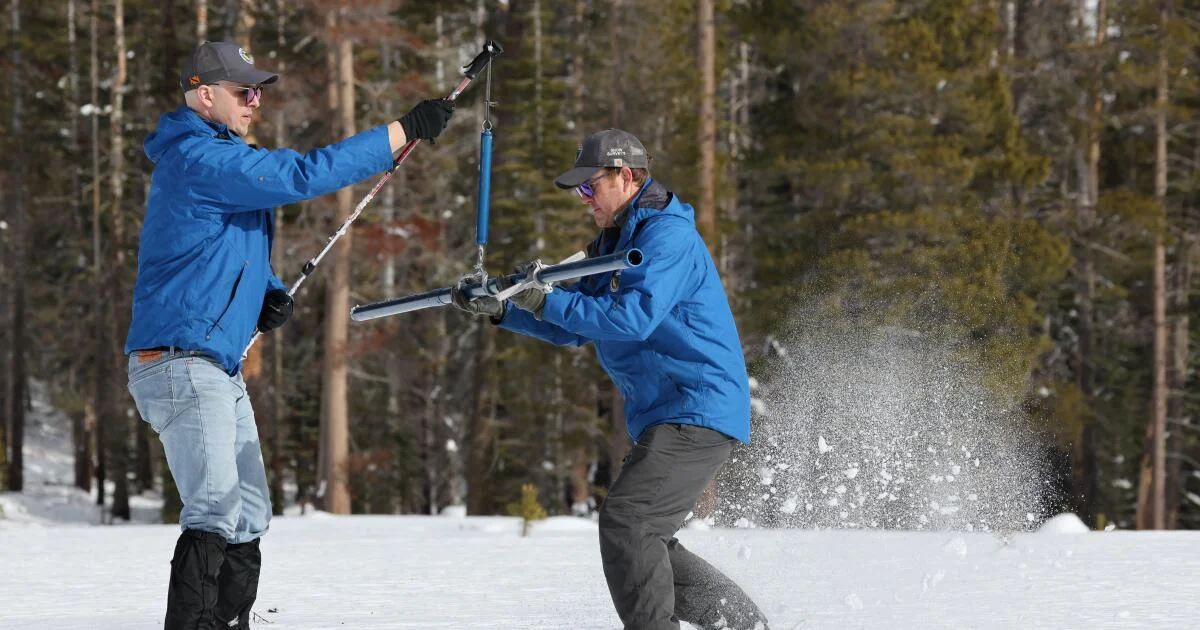
California's snowpack is currently below average at 71%, despite recent storms that temporarily improved conditions. The snowpack, crucial for the state's water supply, remains a concern due to variability influenced by atmospheric rivers and climate change, with the coming months critical for recovery. Reservoir levels are above normal, but the overall season's outcome remains uncertain, emphasizing the importance of continued storm activity.
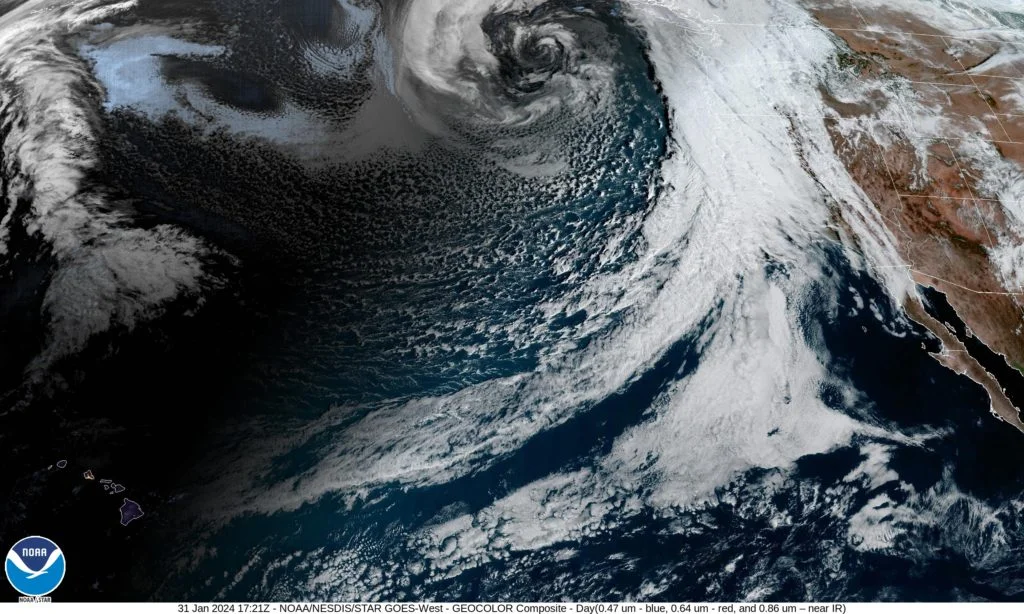
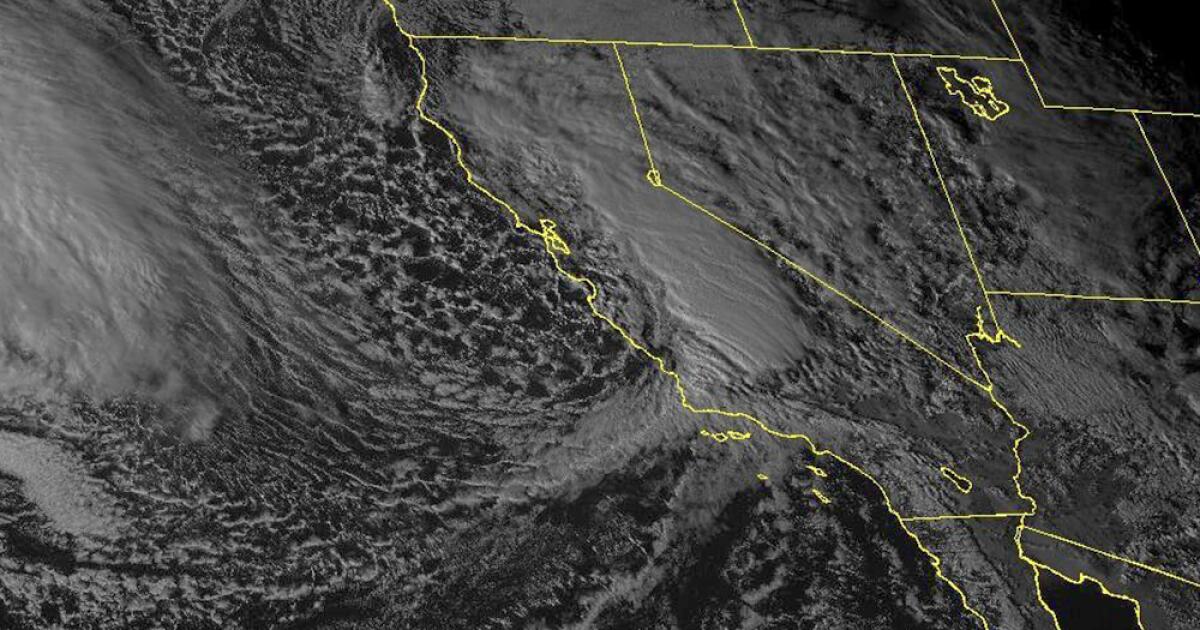
Atmospheric rivers are large plumes of moisture that form in tropical regions and are carried by winds to other areas, especially impacting the U.S. West Coast by causing heavy rain, snow, and potential flooding, with their size and frequency increasing due to climate change.
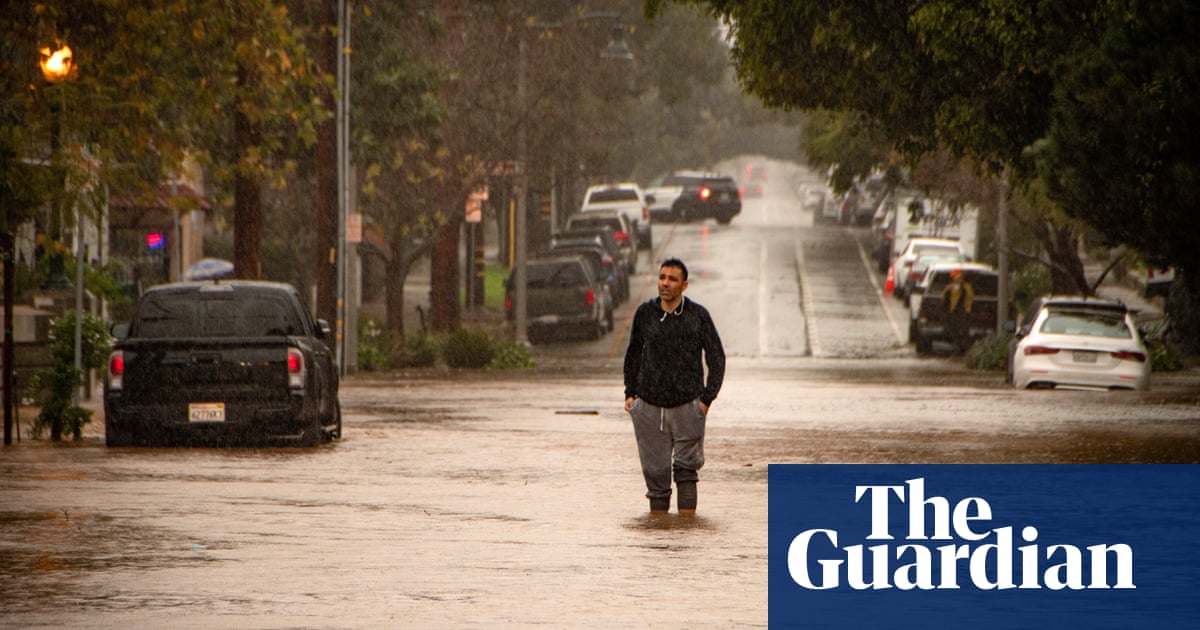
Heavy rain and flash flooding in northern California caused water rescues and at least one death, with significant rainfall in Redding and other areas, driven by atmospheric rivers bringing moisture from the tropics.
California faces ongoing flood risks due to heavy rainfall and atmospheric rivers, with potential record-breaking rain and snow, while other regions like Zimbabwe and Australia experience severe weather variations during the festive period.
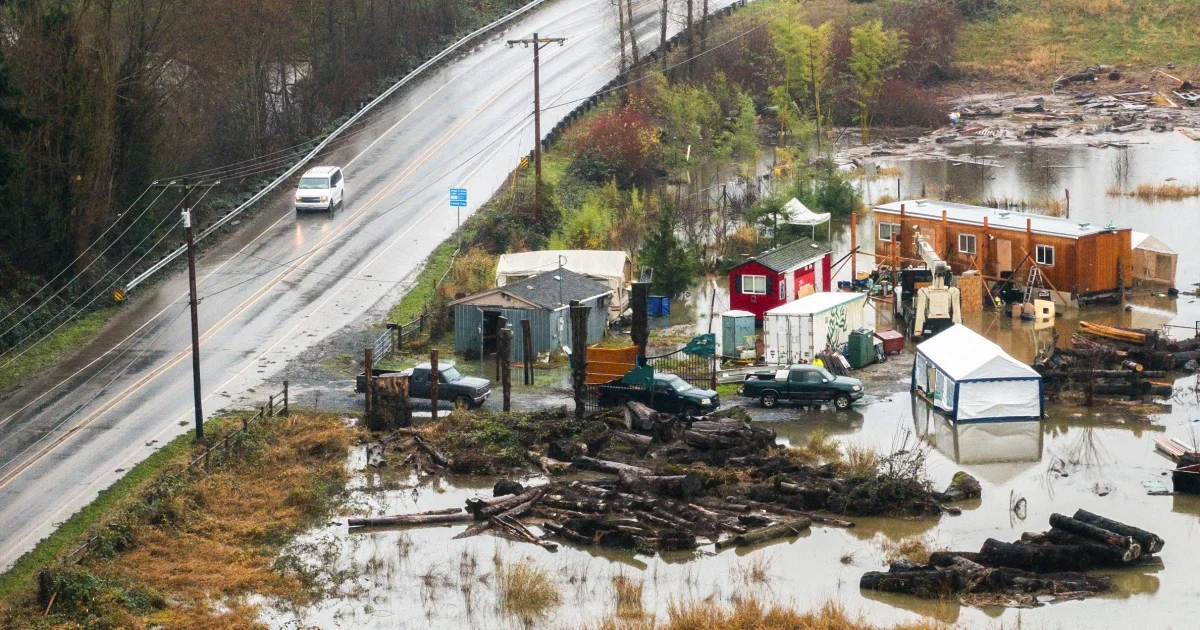
Washington state is experiencing infrastructure failures, including levee breaches and highway closures, due to persistent atmospheric river storms, with one fatality reported and ongoing flood risks exacerbated by climate change and human modifications to rivers.
Two atmospheric river storm systems are bringing significant rain and snow to the Pacific Northwest and Northern California, with the first storm already delivering 1 to 2 inches of rain west of the Cascade Mountains. These storms, characterized by concentrated moisture, are expected to cause heavy flooding and mountain snow in the region.
California is experiencing relentless rainfall and flooding from atmospheric rivers, with record-setting precipitation in many areas. The state has seen significant snowfall in the Sierra Nevada and widespread flooding in urban areas. Despite the wet conditions eradicating years-long drought, concerns about water containment in the snowpack persist. Another atmospheric river is forecasted to impact California next week, with above-average rainfall expected to continue through March.
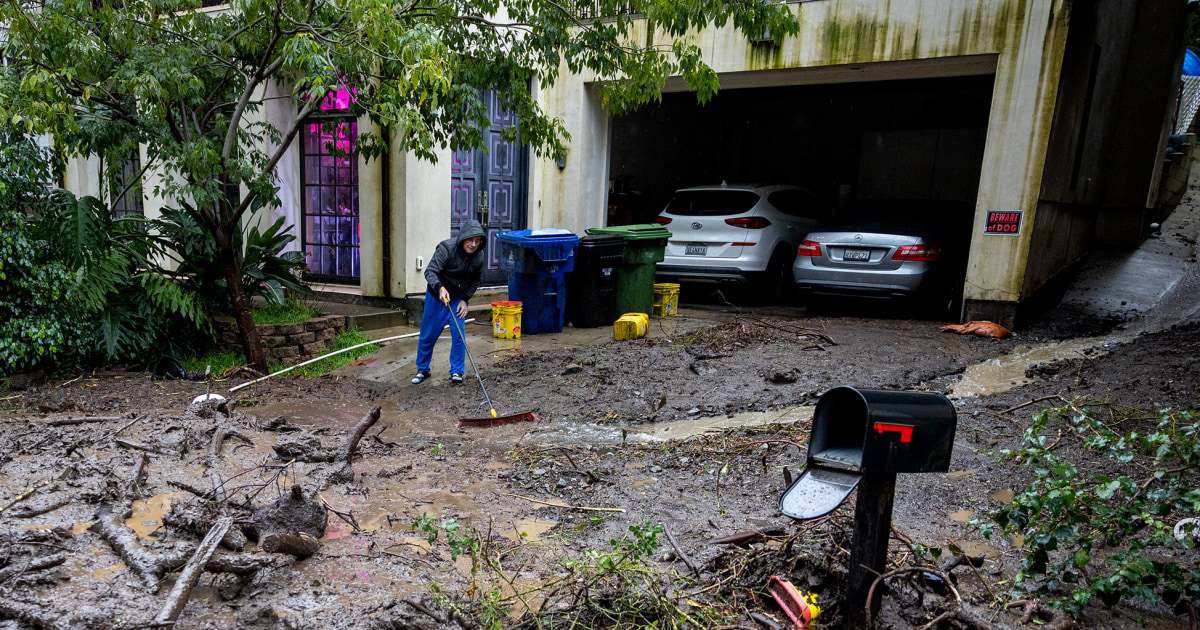
Heavy rain and flood warnings have hit Southern California, with Los Angeles and surrounding areas under a flood watch and flash flood warnings. The storm is expected to bring up to 5 inches of rain, damaging winds, and potential flooding and mudslides. The California Governor’s Office of Emergency Services has activated its operations center, and several rescues have been conducted in affected areas. The storm is a result of atmospheric rivers, similar to the severe storm that hit the region two weeks prior, causing significant damage and economic loss.
Intensifying winter rainstorms in California are spreading the deadly fungal disease valley fever, with cases reaching record numbers. Climate change, particularly the oscillation between extreme dryness and wetness, is creating ideal conditions for the spores to spread. Rising global temperatures and increasingly intense atmospheric rivers are fueling the growth of valley fever, posing a profound threat to public health in California.
California is bracing for another stormy week as two atmospheric rivers are set to bring heavy rainfall from Friday through Wednesday. The first system will hit Northern California, with up to 4 inches of rain expected along the coast and flood watches issued. The second storm will impact Southern California, with concerns about floods, mudslides, and heavy rain in areas like Santa Barbara and Los Angeles. Climate change is expected to increase the frequency and intensity of these storms, posing greater risks in the future.
Atmospheric river storms, fueled by warming oceans, are becoming stronger and deadlier, causing destructive floods and costing billions in damage. Scientists are racing to understand these systems by deploying instruments that measure atmospheric rivers and using new technology like dropsondes and airborne radio occultation. The research aims to improve weather forecasts, provide early warnings, and mitigate the growing flood risks in California and the American west due to climate change.
Record rainfall in Southern California caused significant flooding, with before-and-after images from Floodbase showing the scale of the devastation. The images reveal dramatic differences in accumulated water between late January and early February, with flooding at its peak around Los Angeles on Feb. 6 and in Santa Barbara County on Feb. 5. The storms killed at least nine people, caused landslides, and resulted in property damage along the California coast, with more rain expected. Floodbase's AI model simulates satellite imagery to provide a visual representation of the flooding, as public satellites have not yet flown over the affected areas.
Warmer ocean temperatures, attributed to a combination of El Niño and climate change, are causing havoc along the Pacific Coast, leading to catastrophic floods in California and deadly wildfires in Chile. The warmer oceans and air allow the atmosphere to hold more moisture, intensifying atmospheric rivers and precipitation. While scientists debate the exact contribution of climate change to these events, it's clear that ocean temperatures have been steadily rising, with global average sea surface temperatures matching record highs. The increasing moisture in atmospheric rivers is expected to worsen in a warming climate, potentially leading to more extreme weather events.