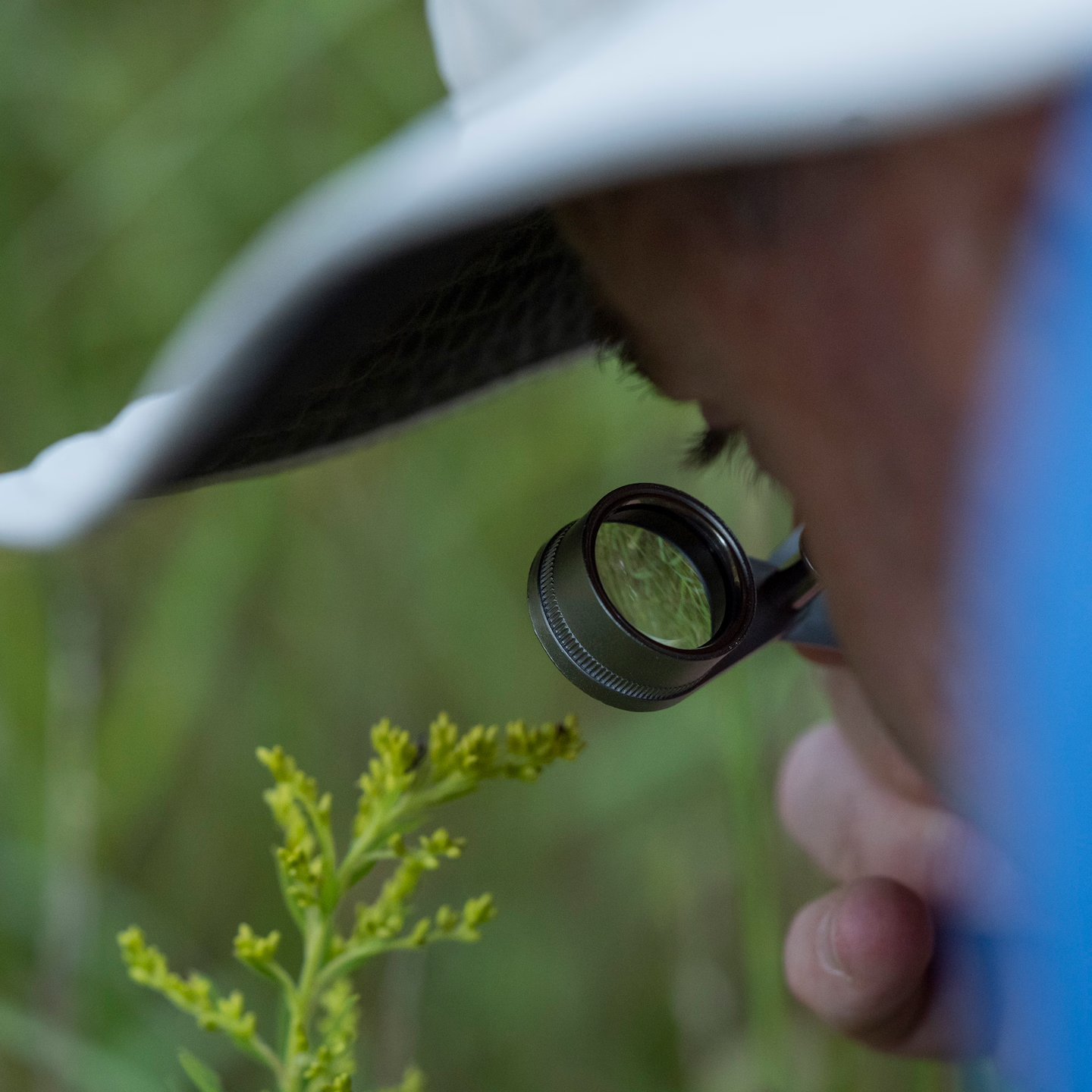
Research shows that experiencing awe daily can boost our health, and activities like art workshops at the National Gallery of Art can help cultivate this feeling, which has been linked to improved mental and physical wellbeing.
In challenging times, finding beauty and awe in simple aspects of nature, like wildflowers and grasses, can help restore our sense of humanity and connection, as emphasized in a reflective column about seeking beauty amidst adversity.
Scientists explain that music has the power to create a sense of connection and wonder by synchronizing brain waves, activating pleasure and reward circuits, and triggering the production of brain chemicals associated with pleasure. Music also has a calming effect, deepening breathing and lowering stress hormones, which fosters a feeling of connection to others and the world. Emotions like awe, stimulated by music, counter feelings of loneliness and contribute to overall health and well-being. Musicians themselves often experience a sense of wonder while playing music, with neural pathways opening and a heightened sensitivity to their surroundings.
A new research study explores the impact of experiencing awe during periods of great stress, such as the COVID-19 pandemic. The study found that feeling connected to something larger than ourselves can help us find meaning and cope with suffering. Awe leads to shifts in neurophysiology, diminished self-focus, increased prosocial behavior, greater social integration, and a heightened sense of meaning and purpose. Participants who experienced more awe reported less stress and greater well-being. The study suggests that finding awe in everyday moments can have a positive impact on mental health and overall wellness.
Dispositional awe is linked to resilience in the face of COVID-19 stressors, regardless of religiosity, according to a study published in Psychological Reports. The study found that individuals who experience more awe tend to exhibit greater resilience to COVID-19. Religiosity and awe were also positively related, but religiosity and resilience were only weakly related. The researchers suggest that actively seeking experiences of awe, such as going for a walk in nature or watching a documentary about the cosmos, may be a healthier and more effective coping mechanism than behavioral and mental disengagement.