Scientists at Cornell have discovered a way to potentially reverse age-related weight gain by reactivating beige fat, a type of fat that burns calories like brown fat. They identified a signaling pathway that suppresses beige fat formation with age and found that blocking this pathway, using existing cancer drugs, can restore fat-burning activity in older mice, offering promising avenues for combating metabolic decline and obesity-related diseases.
Beans are a nutritious and affordable food that most Americans don't consume enough of. They are packed with vitamins, minerals, and fiber, making them beneficial for weight control, gut health, and reducing the risk of heart disease. Beans also provide essential nutrients that many people lack in their diets. While they can cause gas and take time to cook, canned beans or frozen edamame are convenient alternatives. Eating beans daily is healthy and can improve the quality of your diet.
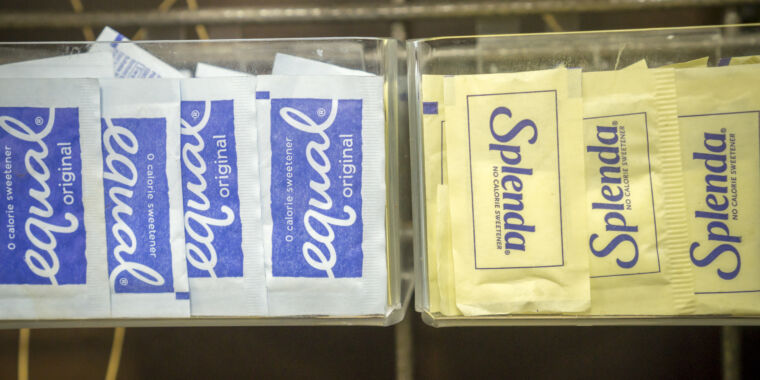
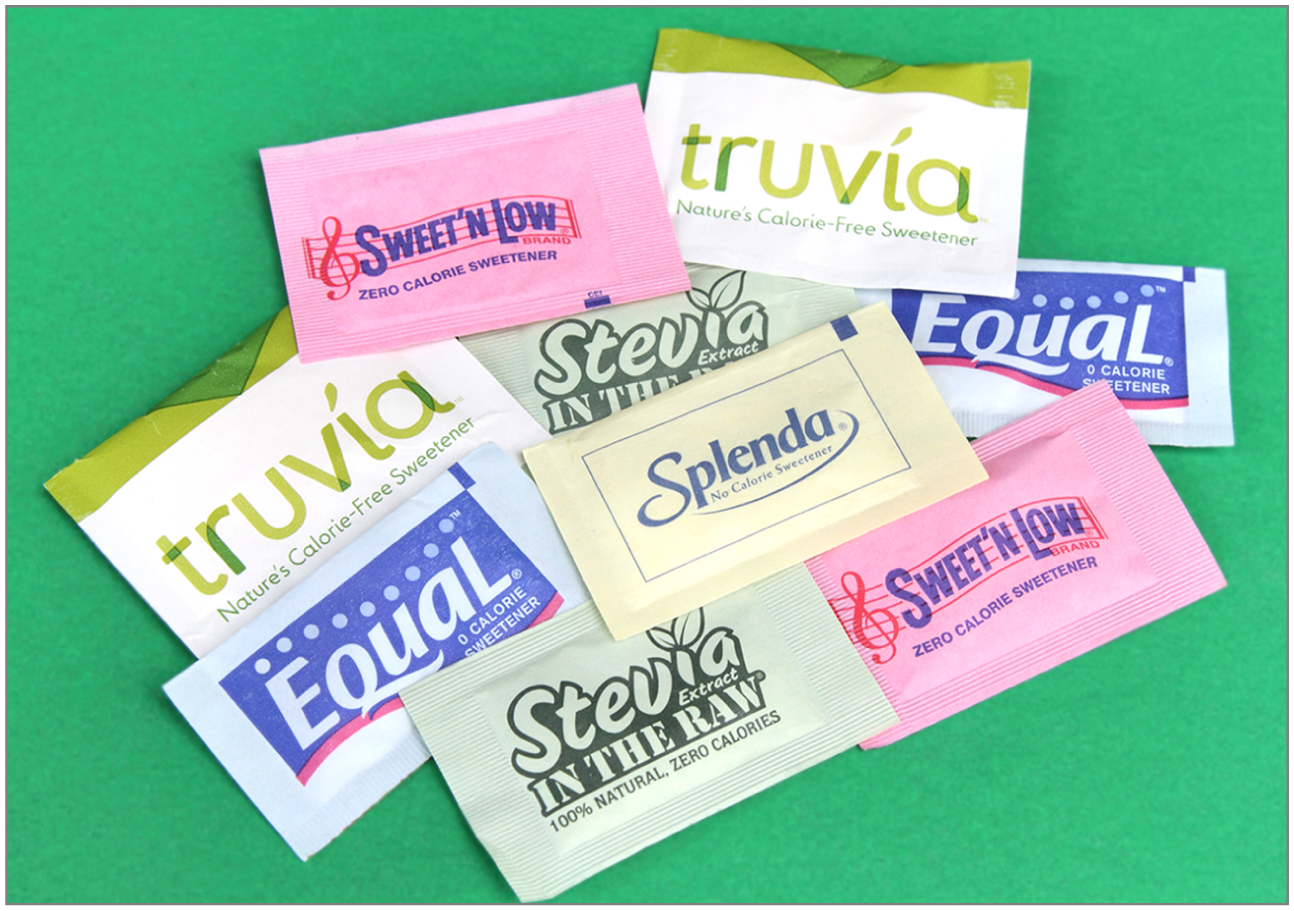
The World Health Organization (WHO) has warned against using sugar substitutes for weight control or managing noncommunicable illnesses, as ongoing consumption may increase the risk of cardiovascular diseases, type 2 diabetes, and even death. The guideline applies to artificial and natural sweeteners not classified as sugar, but not sugar alcohols or low-calorie sugars. The WHO recommends opting for unsweetened foods and beverages and reducing consumption of sugar and its substitutes in infants and young children still forming taste preferences.
New research suggests that high-energy workouts, even if they are quite short, can reduce a key appetite-upping hormone in many people, leading to less interest in food. The result, over time, could mean we eat less and control our weight better if we push ourselves a bit during exercise. The most striking finding was that lactate levels had soared in people's bloodstreams after the interval sessions, compared to the levels after the moderate run and the quiet sitting. Lactate partially blocked the release of acylated ghrelin from the stomach, where it normally originates, which is one of the primary hormones that increases appetite.
New research suggests that high-energy workouts, even if they are quite short, can reduce a key appetite-upping hormone in many people. The study found that brief, intense exercise had raised people’s lactate and, in the process, lowered ghrelin, one of the primary hormones that increases appetite. According to food diaries, the exercisers subsequently consumed fewer calories on the day of their high-intensity intervals, compared to the no-exercise day. The upshot is that if you’d like to keep your appetite in check after exercise, you may want to pick up the pace.
The World Health Organization advises against using non-sugar sweeteners for weight control due to potential long-term side effects, including an increased risk of Type 2 diabetes. Registered Dietician Shanthi Appelo recommends replacing sweeteners with natural sugars like fruit and consuming non-sugar sweeteners or sugary snacks in moderation.
The World Health Organization (WHO) has recommended against using artificial sweeteners for weight control or attempting to boost health generally, as they don't appear effective for weight control and may increase long-term risks of Type 2 diabetes, cardiovascular disease, and even death. WHO experts reviewed data from 283 unique studies, including 50 randomized controlled trials, 97 prospective cohort studies, and 47 case-control studies, and found that the weight loss seen in some trials of artificial sweeteners is likely just down to reducing calories, not an inherent property of artificial sweeteners. People should reduce the sweetness of the diet altogether, starting early in life, to improve their health.
The World Health Organization (WHO) has advised against the use of non-sugar sweeteners (NSS) for weight control or managing noncommunicable diseases, citing a lack of evidence for long-term benefits and possible links to Type 2 diabetes, cardiovascular diseases, and mortality in adults. The WHO recommends reducing the sweetness of diets overall and consuming food with naturally occurring sugars instead. The guidance includes all synthetic or natural sweeteners that aren’t classified as sugars in manufactured foods, except for those with preexisting diabetes.
The World Health Organization (WHO) has released a new guideline advising against the use of non-sugar sweeteners (NSS) for weight control or reducing the risk of noncommunicable diseases (NCDs). The recommendation is based on a systematic review of evidence suggesting that NSS does not confer any long-term benefit in reducing body fat and may have potential health risks, such as an increased risk of type 2 diabetes, cardiovascular diseases, and mortality in adults. The WHO recommends reducing the sweetness of the diet altogether, starting early in life, to improve health.