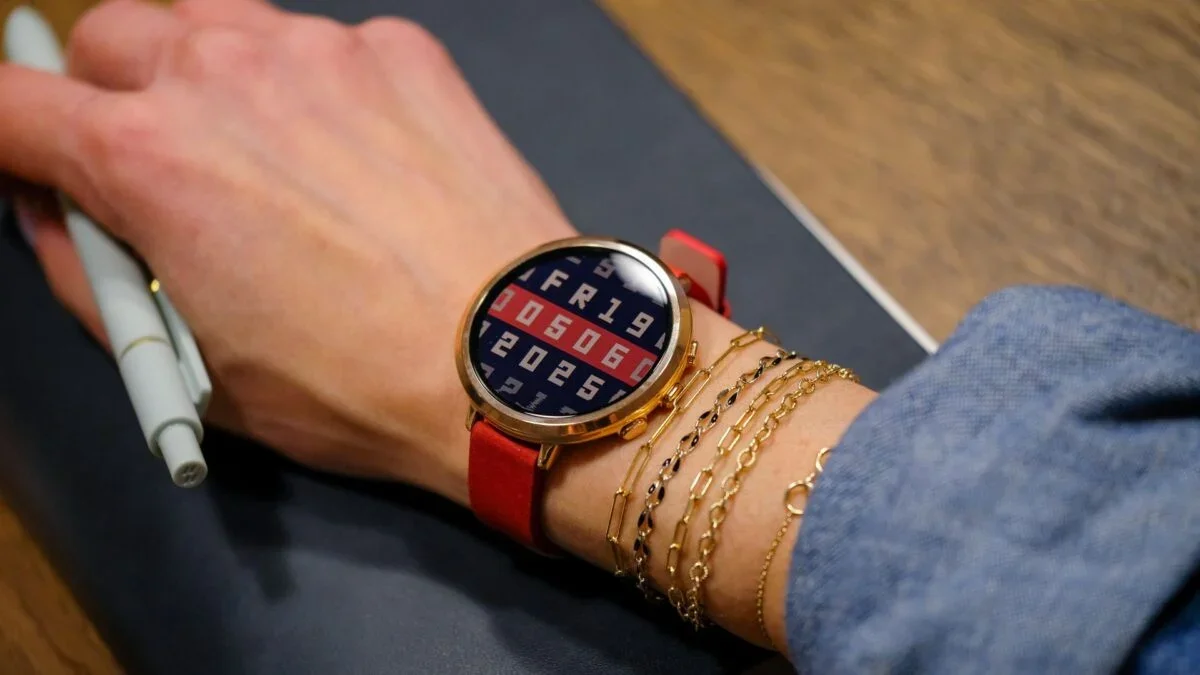
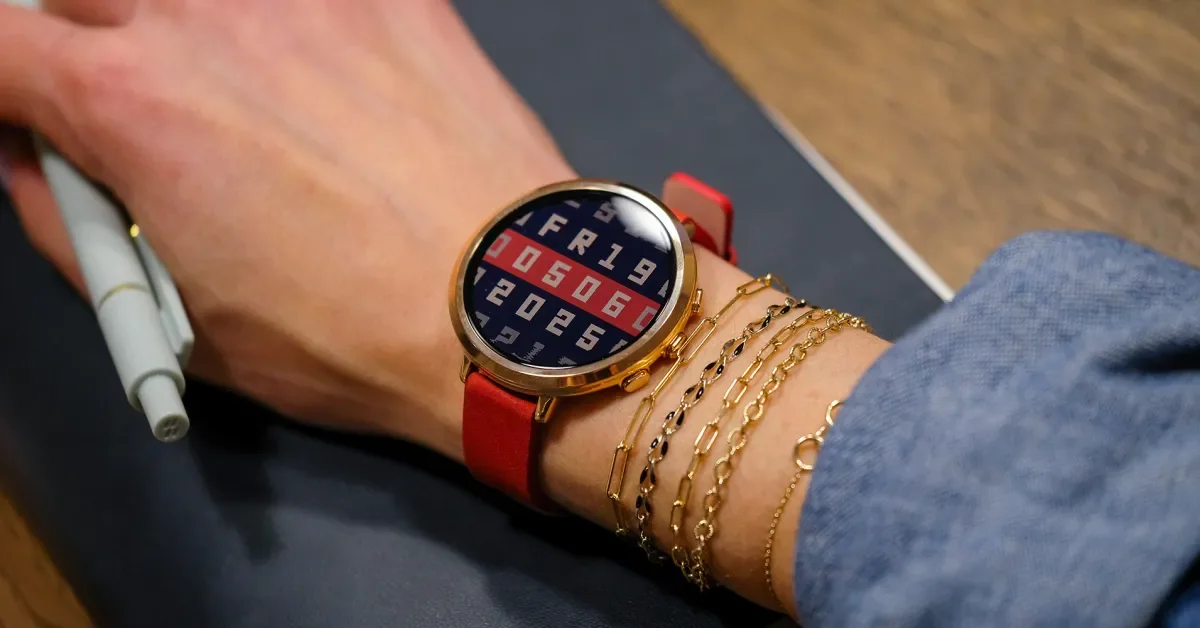
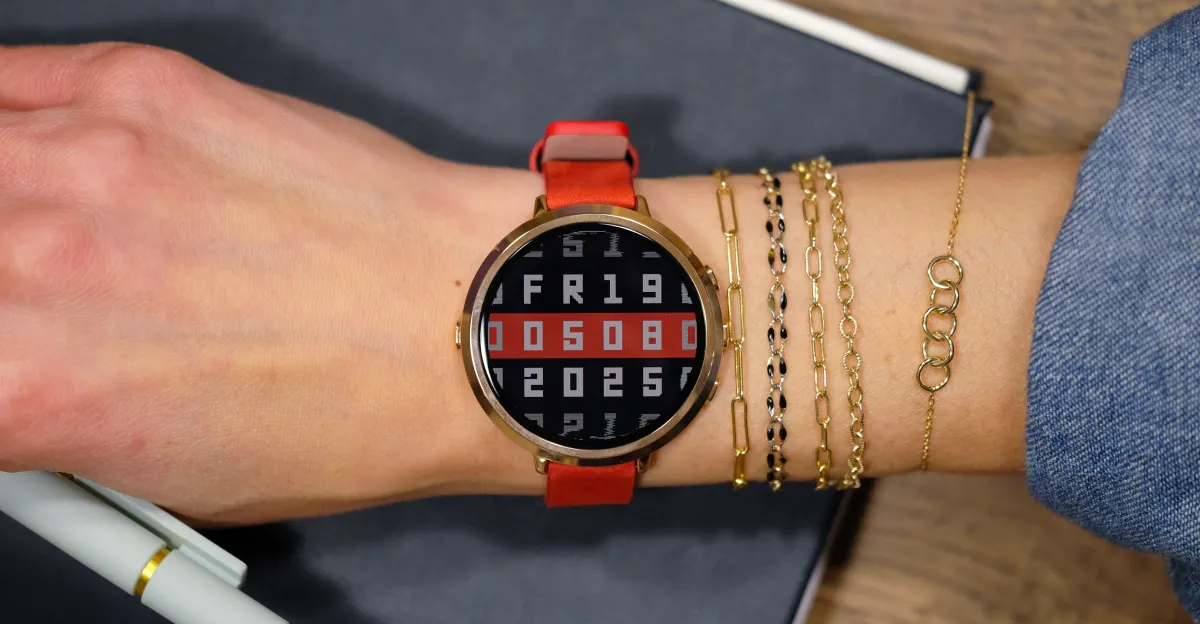
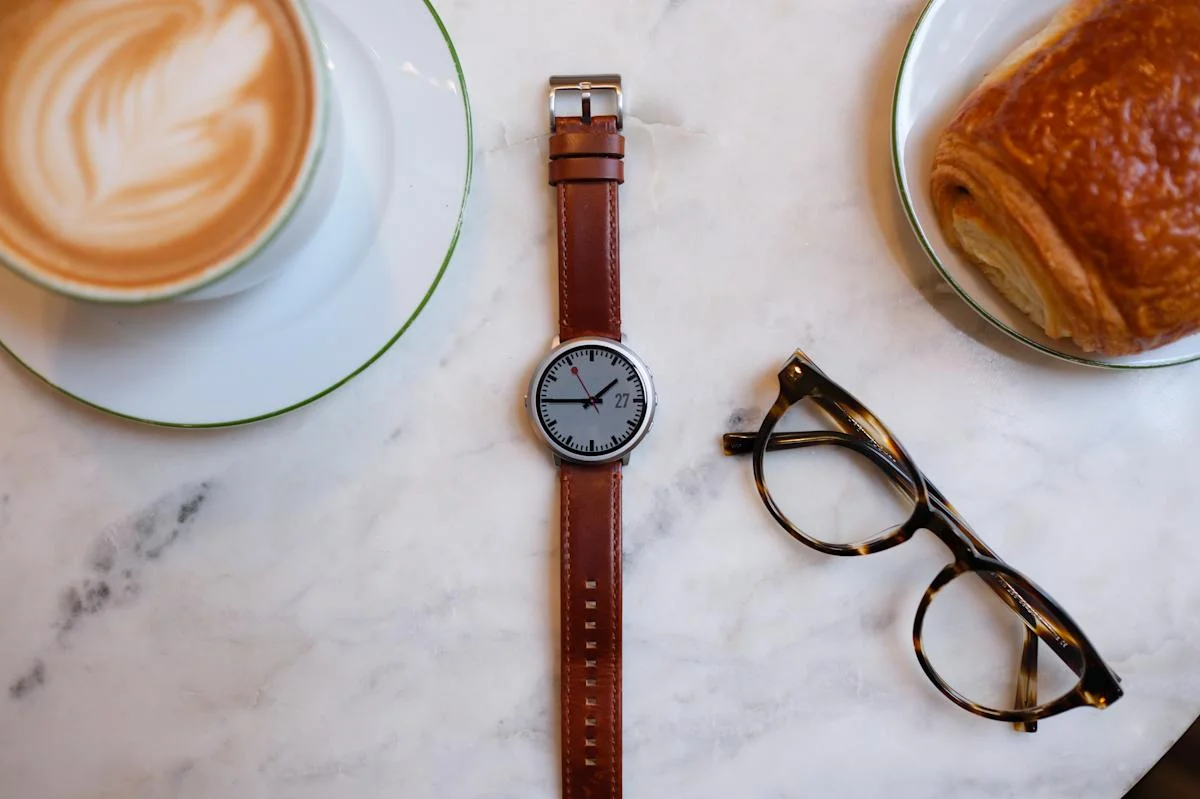
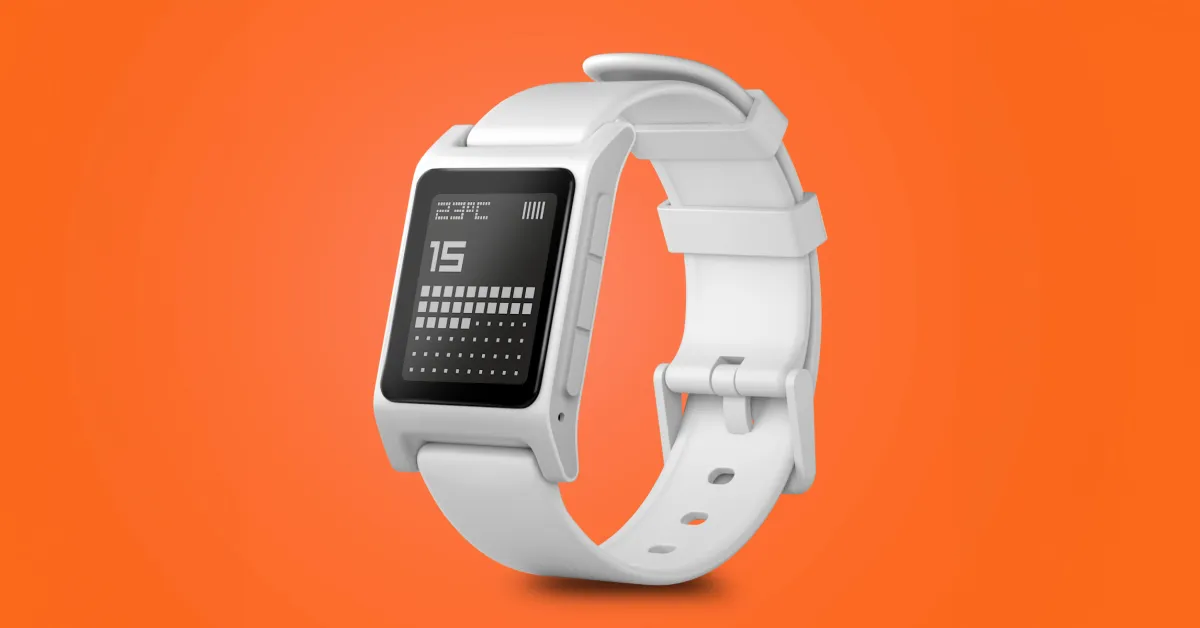
Pebble has introduced the Pebble Round 2, a minimalist, circular smartwatch with a color e-paper display, multi-week battery life, and support for simple health tracking, set to be showcased at CES 2026. It features a sleek design with multiple color options and is based on reusing previous Pebble designs and open-source software, with preorders now available.
The Pebble Round smartwatch is making a comeback in 2026 with the Pebble Round 2, featuring a thinner design, larger and higher-resolution display, improved battery life of nearly 2 weeks, water resistance, and a microphone, all for $199, available for pre-order with shipping in May.
Pebble has announced a reboot of its classic round smartwatch, the Pebble Round 2, featuring a larger 1.3-inch touchscreen, longer battery life of up to two weeks, and new speech input capabilities, available for preorder at $199 with shipping in May.
Pebble has revived its smartwatch legacy with the Pebble Round 2, addressing past flaws like battery life and display design, and focusing on utility and user customization, with pre-orders starting at $199 and shipping in May.
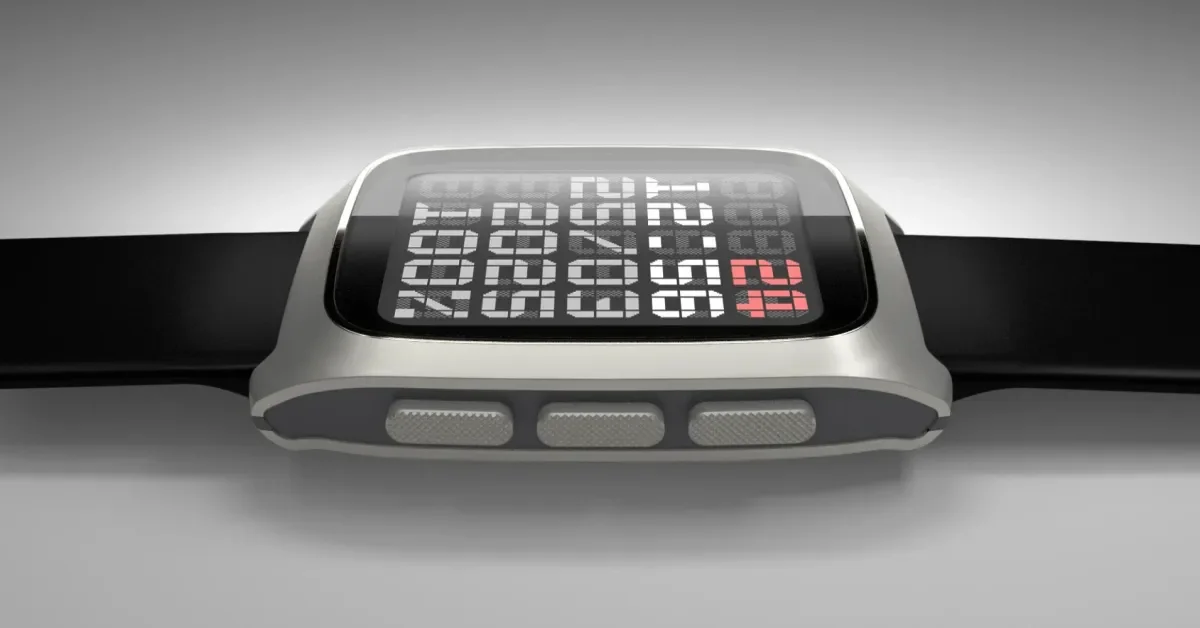
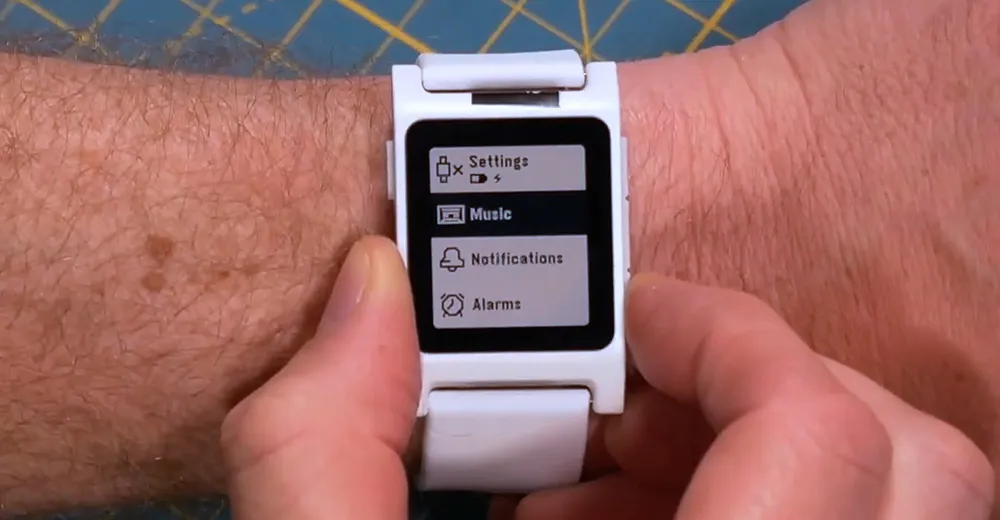
Pebble is making a comeback with the new Pebble Time 2 smartwatch, featuring a retro design, improved hardware, and long battery life, appealing to fans of minimalism and customization, although it won't match the health tracking of the Apple Watch.
Pebble watches are officially returning with their original name after the company recovered the trademark, marking a sentimental and strategic revival of the iconic smartwatch brand, supported by its dedicated community and the open-sourcing of its software.
The Pebble brand is officially returning with new smartwatches now called Pebble 2 Duo and Pebble Time 2*, after the founder regained the trademark. The company, still named Core Devices, is shipping early units and updating the Pebble app, with delays in mass production due to improvements in water resistance. The new devices mark a revival of the iconic smartwatch brand.
Gabor Cselle, co-founder of the Twitter alternative Pebble, has joined OpenAI to work on a confidential project. Cselle, who has a history of successful startups, including reMail and Namo Media, announced his new role on X, formerly Twitter. Pebble, which focused on safety and moderation, struggled to grow and eventually shut down, reemerging as a Mastodon instance. Cselle's move to OpenAI coincides with Anthropic's recruitment of Alex Rodrigues, highlighting competitive talent acquisition in the AI sector.
Pebble, formerly known as T2, a Twitter alternative, is shutting down due to intense competition from other Twitter rivals and the strong grip Twitter, now called X, has on the market. Despite initially having decent retention and a small but engaged community, Pebble struggled to gain traction, with only 3,000 daily active users out of 20,000 registered users. The founders believe that the competitive landscape evolved faster than anticipated, and the durability of the network effect of Twitter proved stronger than expected. Pebble aimed to prioritize trust, safety, and moderation, but may have positioned itself too far into the "kindness" territory. The lack of a native mobile app and a rebranding from T2 to Pebble may have also contributed to its challenges. The founders don't regret their experience and may work on something new in the future.
Pebble founder Eric Migicovsky is leading a community project called Small Android Phone, which aims to create a sub-six-inch compact smartphone with a premium feel, a Snapdragon 8 Gen 1 or mid-level Qualcomm chip, and a 50MP main sensor. The team is interested in a metal frame with a layer of glass composite or ceramic-coated aluminum frame. The phone is expected to cost around $850 and may be crowdfunded for $40 to $50 million.
Pebble's founder and former team members are working on a compact Android phone, but face challenges in finding a small enough display and sourcing up to $50 million in funding. The phone is expected to have a 50MP camera and use either the Snapdragon 8 Plus Gen 1 SoC or an unreleased mid-tier Snapdragon chipset. The team thinks the phone will cost $850 and may need to offer a budget phone first before launching a high-end device. The demand for small phones is uncertain, but options from Asus, Samsung, and Sony exist.
Eric Migicovsky, founder of Pebble, is leading a community-based project to create a small Android phone that can compete with the iPhone Mini. The team is currently sourcing a display, choosing a chip, and picking a body design. The phone could feature a metal frame covered in glass composite, ceramic-coated aluminum, forged carbon, bio-resin, or ceramic composites. The team is accepting signups on its website for those interested in supporting the project.
A team of former Pebble employees is working on a small Android phone project called "Marvin" that aims to fill the gap left by Apple's discontinuation of small phones. The team is considering a metal frame covered in glass composite or ceramic-coated aluminum for the phone's body, and is looking at two potential chipsets, the Snapdragon 8 Plus Gen 1 and a yet-to-be-released mid-tier Qualcomm chip. The team is hoping to provide at least two years of software updates and is considering a crowdfunding campaign to raise $40 to $50 million to cover engineering, manufacturing, shipping, operations, support, and all the other costs that come with shipping a consumer product.