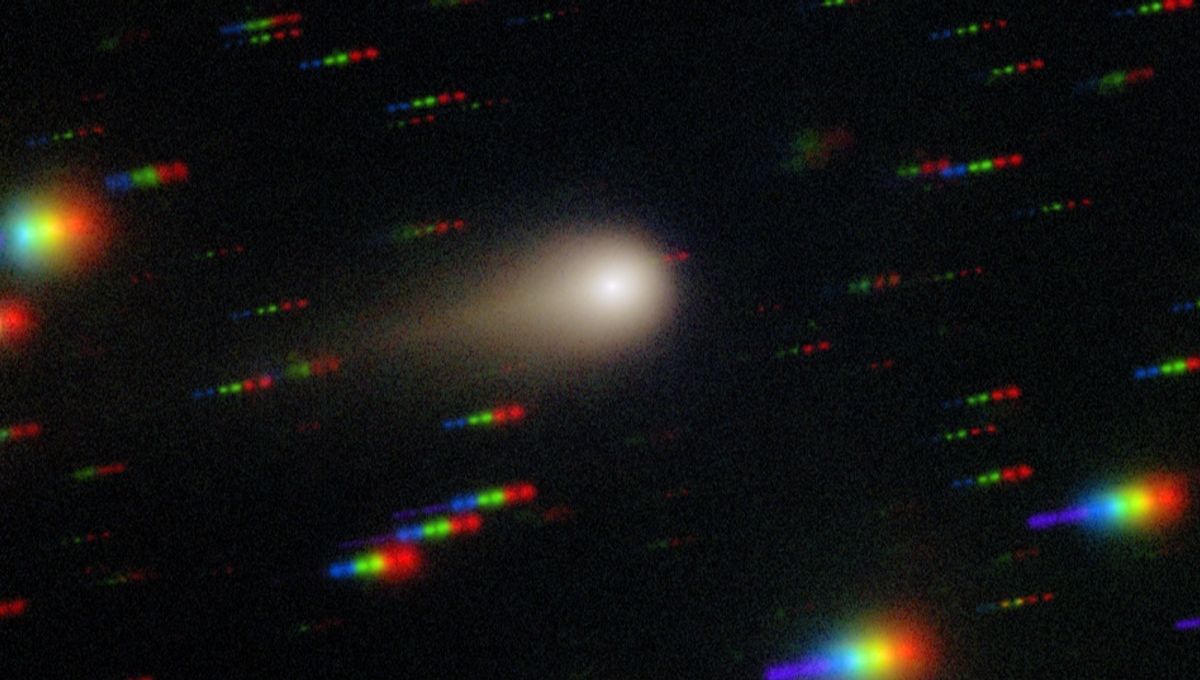
Comet 3I/ATLAS, an interstellar visitor, is losing about 40 kg of water per second, indicating high activity and suggesting it originates from an older, thick disk region of the galaxy. Its composition and water emission provide insights into planetary formation and the presence of life's ingredients beyond our solar system.
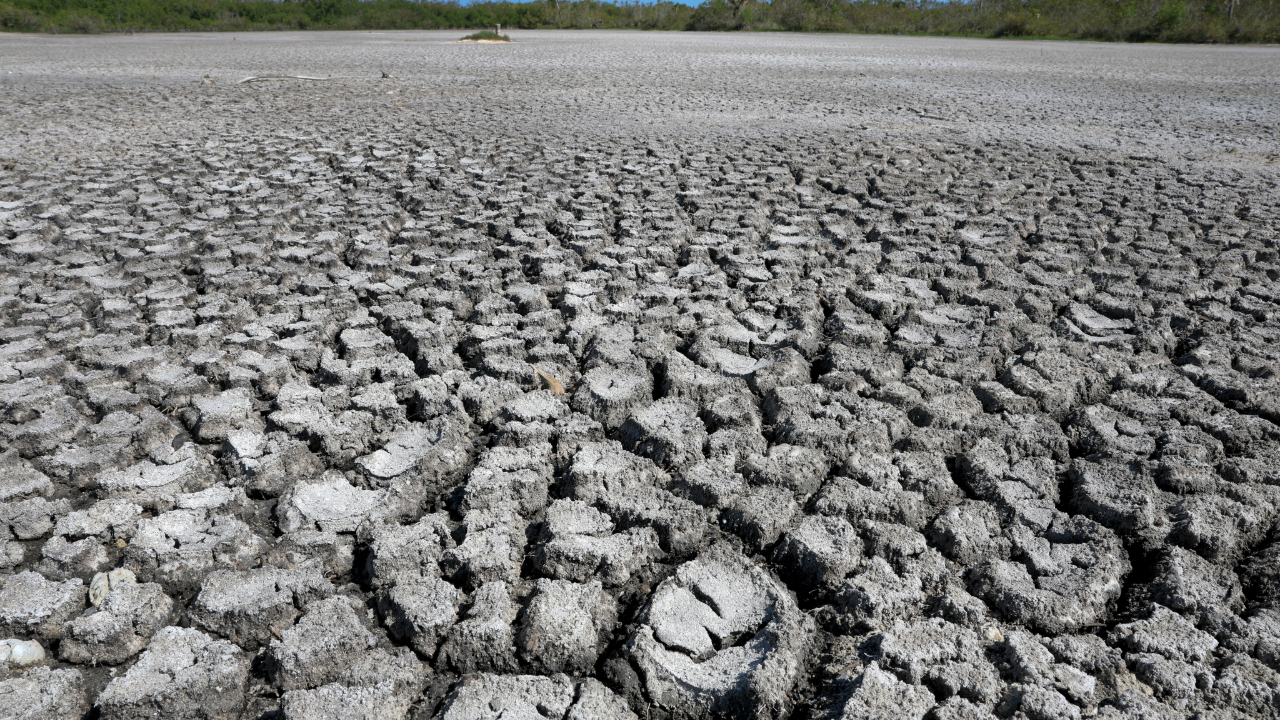
Satellite data over two decades reveal that Earth's continents are experiencing unprecedented water loss, primarily due to climate change and poor groundwater management, with significant implications for global water security and increasing desertification.
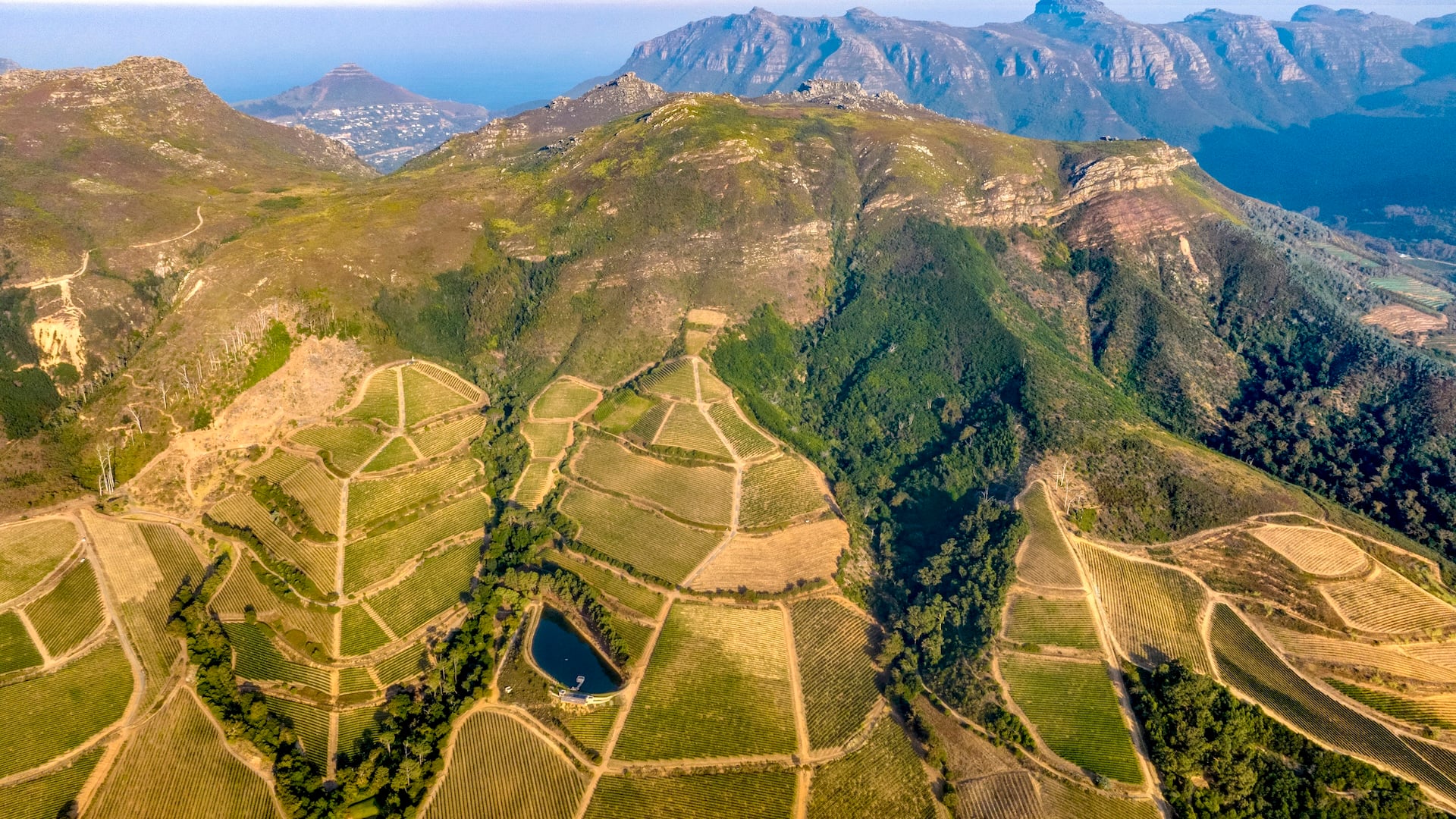
Scientists have discovered that South Africa's land is rising up to 2 millimeters per year, primarily due to drought-induced water loss, challenging previous mantle flow explanations. This finding, supported by GNSS and satellite data, highlights the impact of climate change on Earth's crust and offers a potential new method for monitoring water scarcity.,
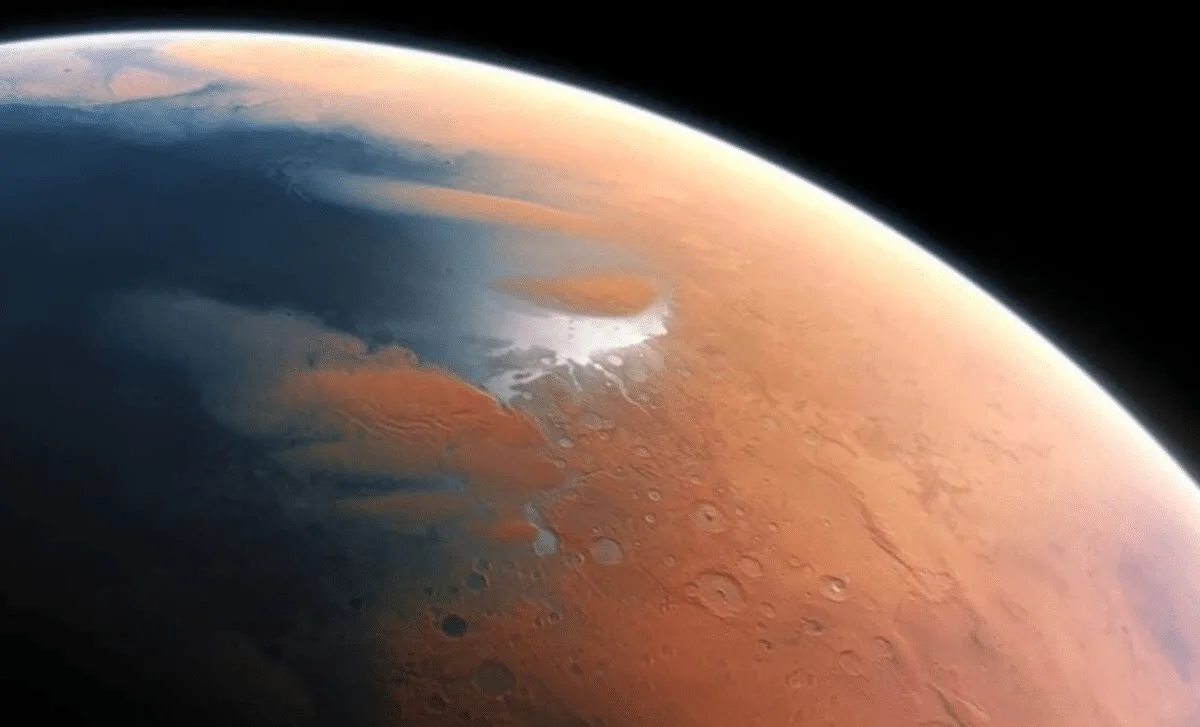
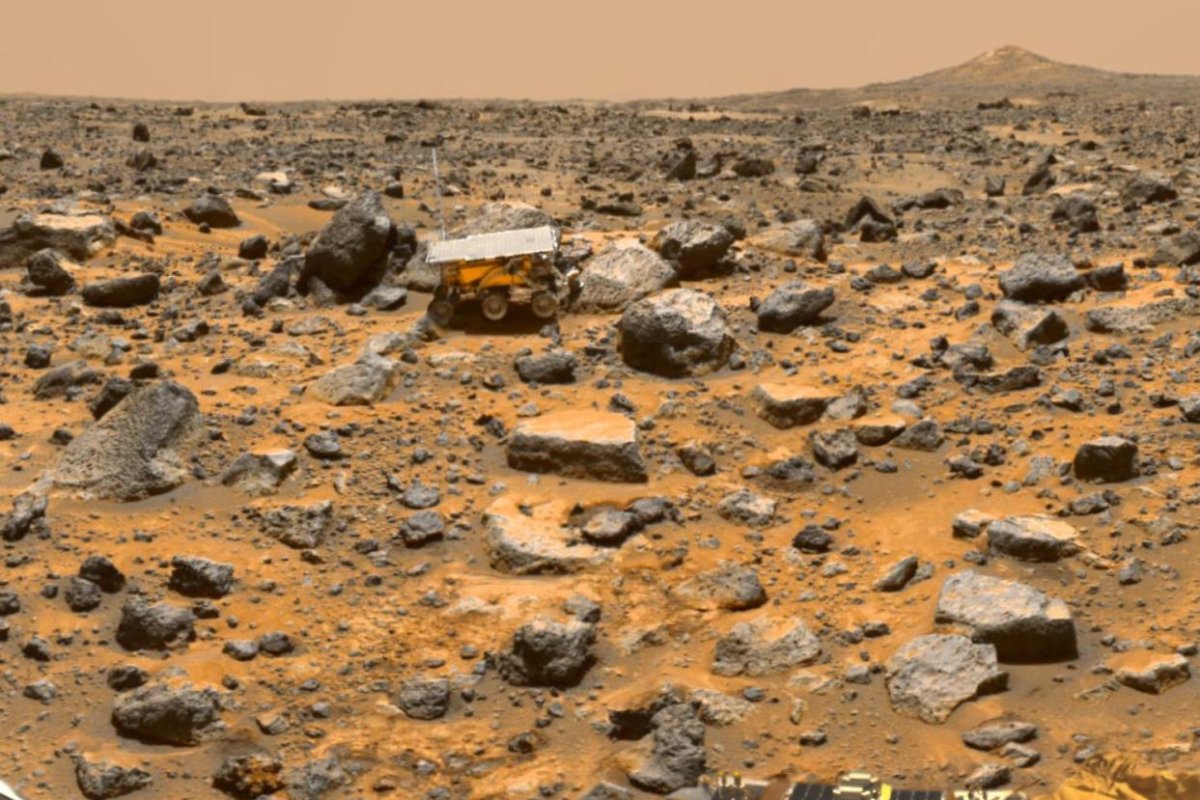
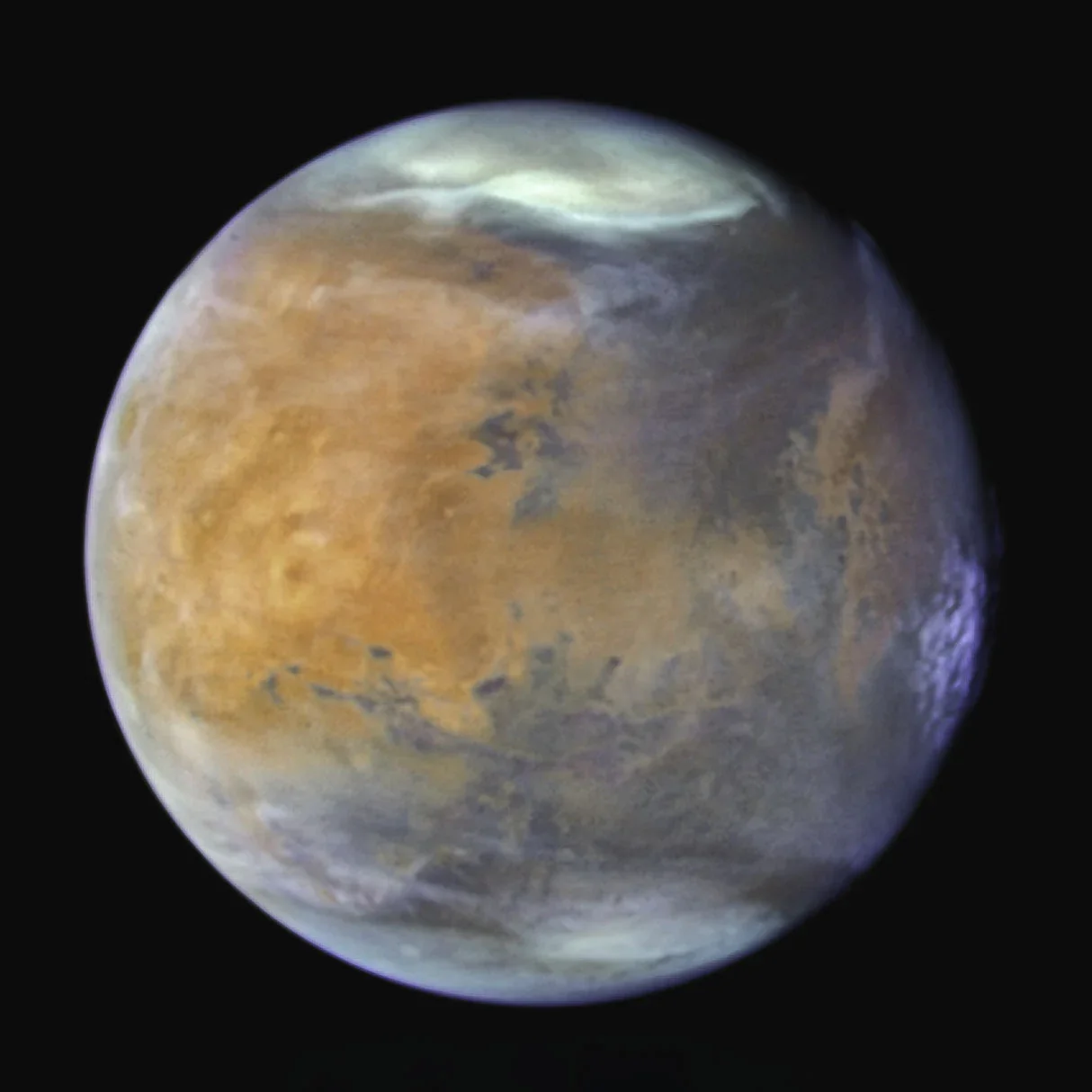
NASA's MAVEN mission has found evidence of sputtering, a process where atoms are knocked out of Mars' atmosphere by charge particles, which could explain how the planet lost its water and nearly all of its atmosphere, shedding light on Mars' past habitability.
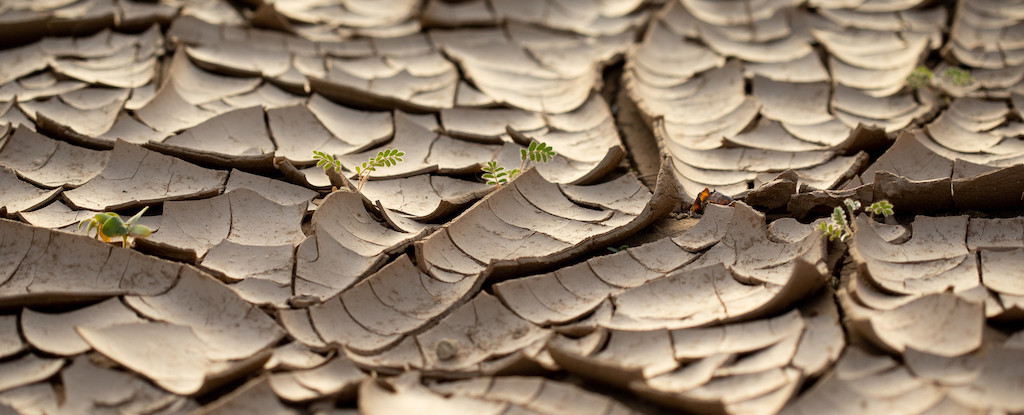
A study reveals that South Africa's land has been rising by an average of 6 mm annually between 2012 and 2020 due to water loss from drought, with GPS data linking the uplift to seasonal and regional water depletion, suggesting the land's elevation changes are primarily driven by water storage variations rather than mantle activity.
A new study shows that South Africa's land has been rising by an average of 6 millimeters between 2012 and 2020 due to drought-induced water loss, with GPS data revealing a strong correlation between water depletion and land elevation changes, suggesting that water loss is the primary driver of this uplift.
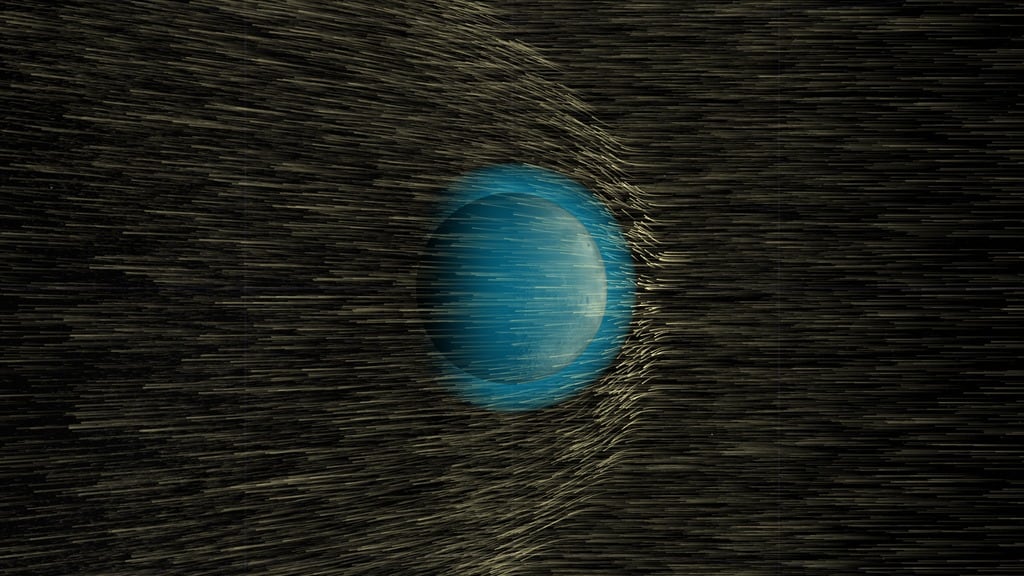
The solar wind, a stream of gas and charged particles emitted by the sun, disappeared near Earth and Mars in December 2022. This unexpected event caused the protective magnetic layers around both planets to expand. Scientists believe that studying the disruptions to Mars' magnetosphere caused by changes in the solar wind could provide insights into how the planet lost its water billions of years ago. On Earth, understanding lulls in the solar wind is important as they can interfere with satellites and communications. The disappearance of the solar wind also affects Earth's magnetosphere, causing the expansion of the bow shock and radiation belts, which can disrupt communications and pose risks to spacecraft. Additionally, reduced solar wind can lead to intense polar rain and pave the way for more significant solar dangers, such as coronal mass ejections, which can impact various systems on Earth.
Austin Water's pipes leaked over 6.9 billion gallons of treated water in 2022, an increase of more than 400 million gallons compared to the previous year. While this amount is less than the city's all-time high in 2020, it is still enough to fill Lady Bird Lake nearly three times. The leaks were within an acceptable range according to the infrastructure leakage index, but the city acknowledges the need to reduce losses. Austin Water has implemented a water loss control program, including pipe renewal and smart meter installations, and is in the process of replacing analog meters with smart meters to reduce apparent losses. The city received an infrastructure leakage index grade of 4.09, aiming to achieve a score below 3 in the next few years.