Tag

Gps Data

All articles tagged with #gps data

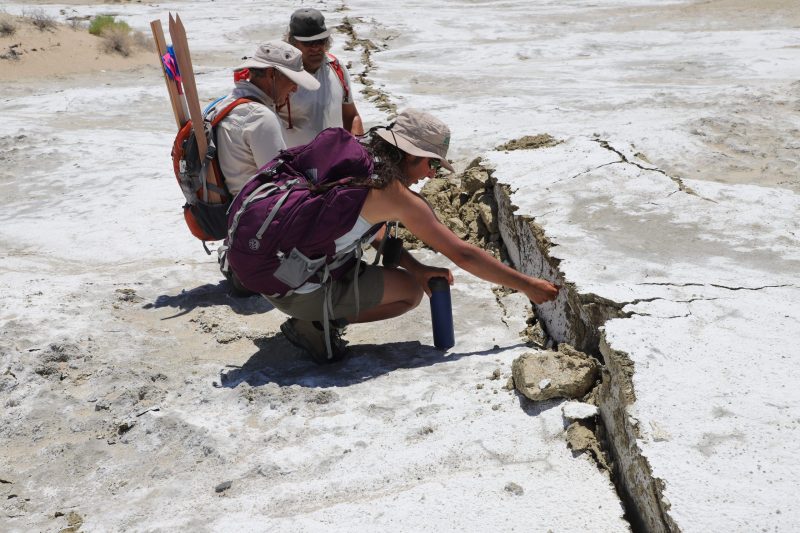
South Africa's land is rising annually due to groundwater depletion, study reveals

Originally Published 7 months ago — by Live Science

Featured image for South Africa's land is rising annually due to groundwater depletion, study reveals
Source: Live Science

A study reveals that South Africa's land has been rising by an average of 6 mm annually between 2012 and 2020 due to water loss from drought, with GPS data linking the uplift to seasonal and regional water depletion, suggesting the land's elevation changes are primarily driven by water storage variations rather than mantle activity.

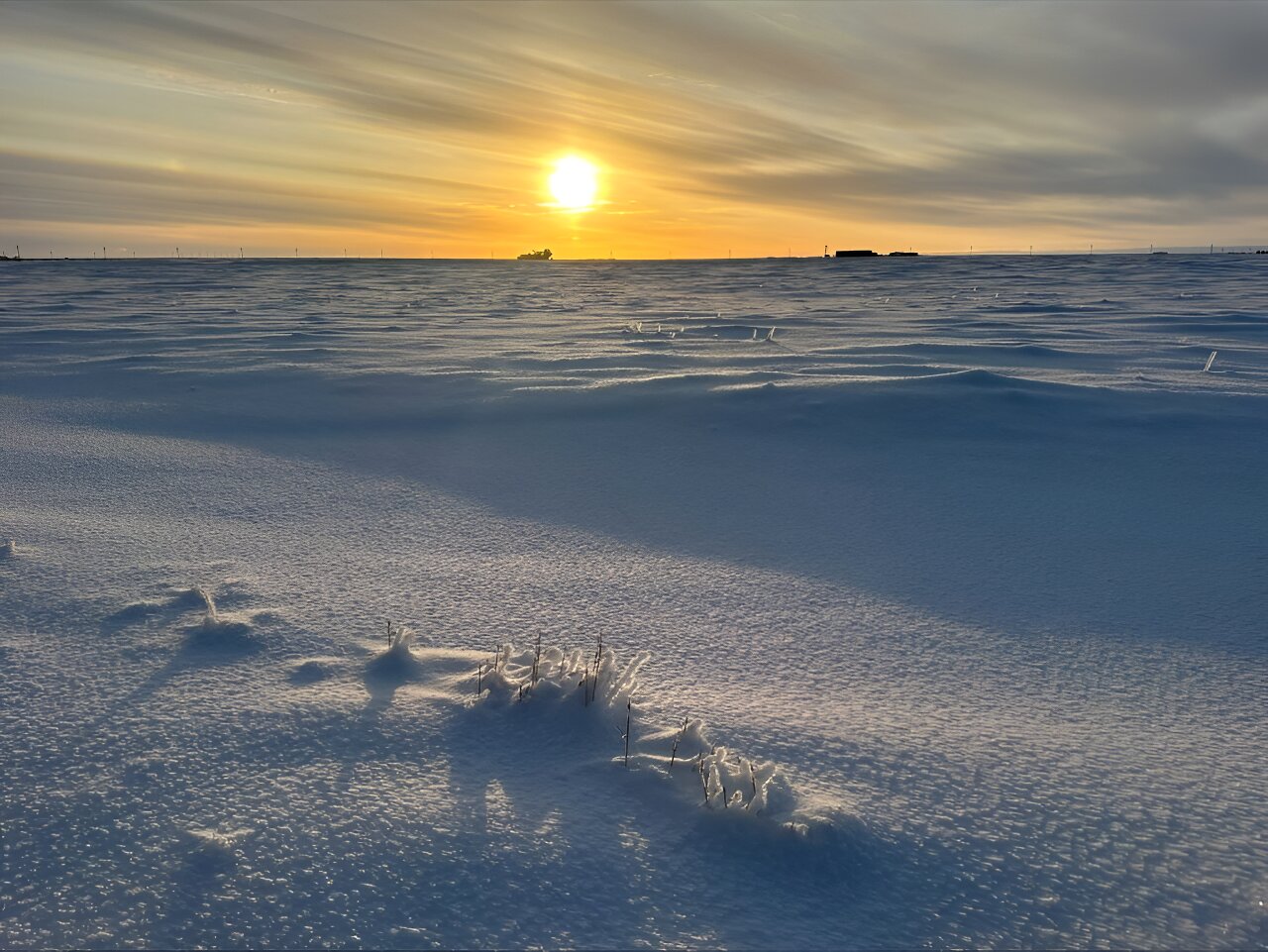
"Uncovering Arctic Warming: New Insights on Chasing the Light"

Originally Published 2 years ago — by Phys.org

Featured image for "Uncovering Arctic Warming: New Insights on Chasing the Light"
Source: Phys.org

A study by Sandia researchers using GPS satellite radiometer data has revealed new insights into the reduction of sunlight reflectivity, or albedo, in the Arctic, which is heating up at a rate four times faster than the rest of the planet. The study found a 20% to 35% decrease in total reflectivity over the Arctic summer, with one-third attributed to fully melted ice and the remaining two-thirds likely caused by the weathering of the remaining sea ice. The researchers hope that their findings will be incorporated into models for Arctic amplification and plan to continue mining the GPS data for further analysis.

Advancements in GPS Data Bring Hope for Earthquake Prediction

Originally Published 2 years ago — by EarthSky

Featured image for Advancements in GPS Data Bring Hope for Earthquake Prediction
Source: EarthSky

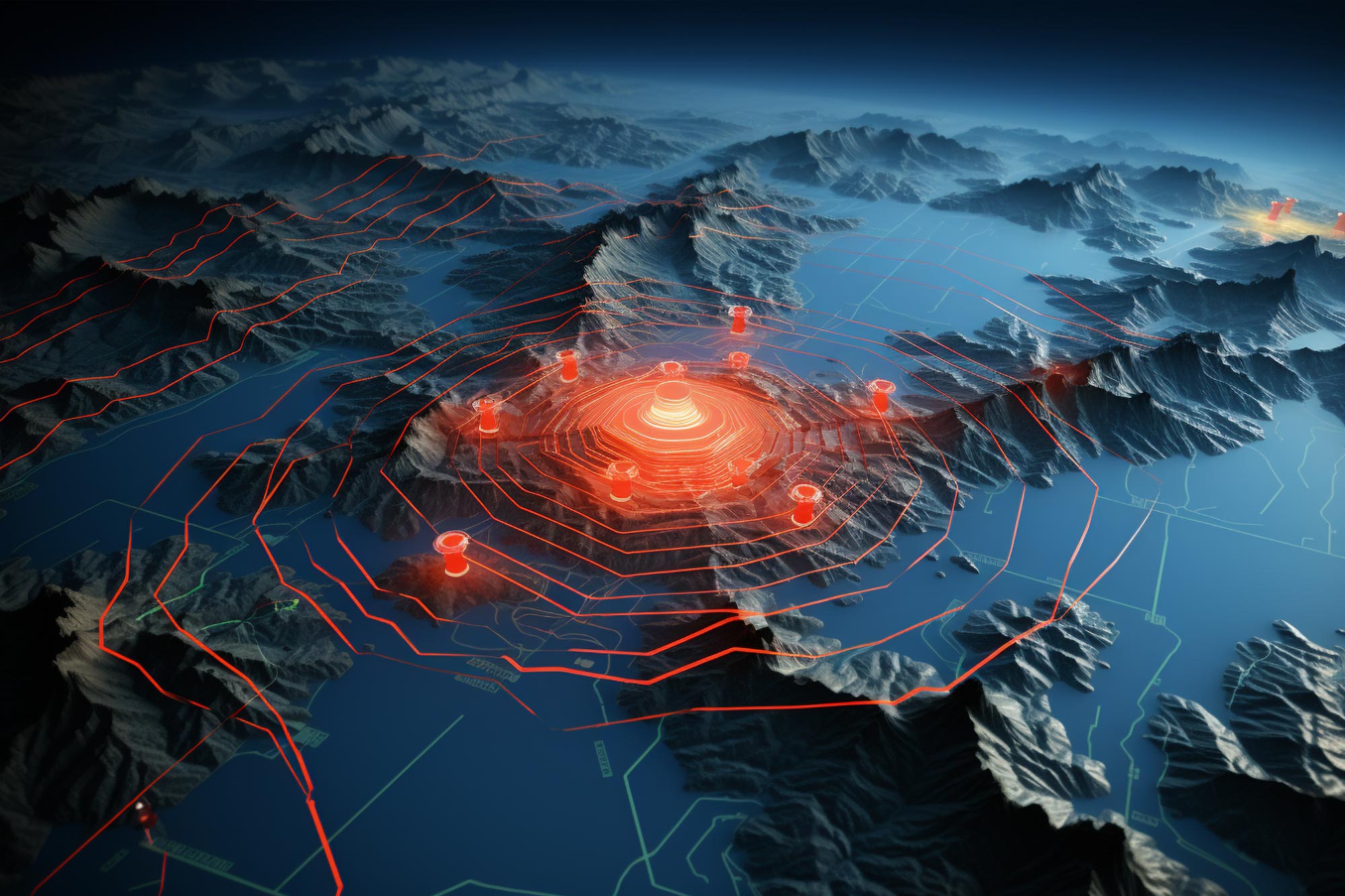
French researchers Quentin Bletery and Jean-Mathieu Nocquet claim to have discovered a way to predict major earthquakes hours before they occur. Their analysis of 90 past earthquakes suggests that a "precursory slip" phase occurs within two hours before the earthquake, providing enough time for officials to issue warnings. While the study still needs to be confirmed, if their discovery is real, it could potentially save lives and protect critical infrastructure. However, implementing this prediction method would require an expensive retooling of the GPS system and the construction of an extensive GPS sensor network along major earthquake rupture faults.

"Unlocking Earthquake Predictions: How GPS Data Holds the Key"

Originally Published 2 years ago — by Livescience.com

Featured image for "Unlocking Earthquake Predictions: How GPS Data Holds the Key"
Source: Livescience.com

Scientists believe that GPS data could help identify early warning signs of powerful earthquakes two hours before they occur. By analyzing GPS data from over 90 earthquakes, researchers found that a pattern of "slow fault slip" in tectonic plates occurred before the earthquakes. However, more advanced GPS systems with increased sensitivity are needed to accurately detect this pattern at an individual location. While the findings have potential for integration into automated earthquake early-warning systems, current technology does not allow for accurate earthquake prediction.

GPS Data: A Potential Early Warning System for Earthquakes

Originally Published 2 years ago — by The Jerusalem Post

Featured image for GPS Data: A Potential Early Warning System for Earthquakes
Source: The Jerusalem Post

Scientists have discovered a precursory fault phase slip that occurs nearly two hours before an earthquake, potentially allowing for early warnings. By analyzing GPS records from 48 hours prior to over 90 earthquakes, the researchers observed signs of increasing activity along fault zones in the two hours immediately before the earthquakes. However, current GPS systems lack the sensitivity required to make precise predictions at single sites, and it remains uncertain whether these slow-slip accelerations can be measured accurately enough to provide useful warnings for individual events.

GPS Data: A Promising Early Warning System for Earthquakes

Originally Published 2 years ago — by SciTechDaily

Featured image for GPS Data: A Promising Early Warning System for Earthquakes
Source: SciTechDaily

A global analysis of GPS time-series data from nearly 100 large earthquakes suggests the existence of a precursory phase of fault slip that occurs approximately two hours before seismic rupture. However, the current monitoring tools lack the necessary coverage and precision to detect or monitor for precursory slip at the scale of individual earthquakes, posing a significant challenge for practical earthquake prediction. If confirmed and reliably measured, this precursory phase could potentially provide a warning for large earthquakes.

The Privacy Risks of Strava's Heatmap Feature

Originally Published 2 years ago — by CyclingWeekly

Featured image for The Privacy Risks of Strava's Heatmap Feature
Source: CyclingWeekly

Strava's global heatmap feature, which is based on GPS data and compiles data from the previous two years, could reveal user locations, even on private mode, according to researchers at North Carolina State University. The feature could pose a privacy and safety risk to Strava's more than 100 million users, as it could expose secret or sensitive information through its global heatmap. Strava has provided an opt-out function for the heatmap after discovering the risk. However, researchers found that making an account private doesn't guarantee protection against this.

Strava's Heatmap Feature Raises Privacy Concerns

Originally Published 2 years ago — by Connect the Watts

Featured image for Strava's Heatmap Feature Raises Privacy Concerns
Source: Connect the Watts

Researchers at North Carolina State University Raleigh discovered that Strava's heatmaps can reveal users' home addresses by merging publicly accessible heatmap data with unique user metadata. The researchers were able to identify individual residential addresses by locating starting and ending locations near specific homes and comparing the findings with voter registration data. To ensure privacy, Strava users can hide the start and finish of their activities within the app's privacy controls.