Medieval monks managed cold climates by utilizing specific architectural features like warming rooms (calefactory) and wearing minimal winter clothing, with some monasteries having dedicated heated spaces to provide warmth during harsh winters, reflecting the importance placed on warmth for monastic life.
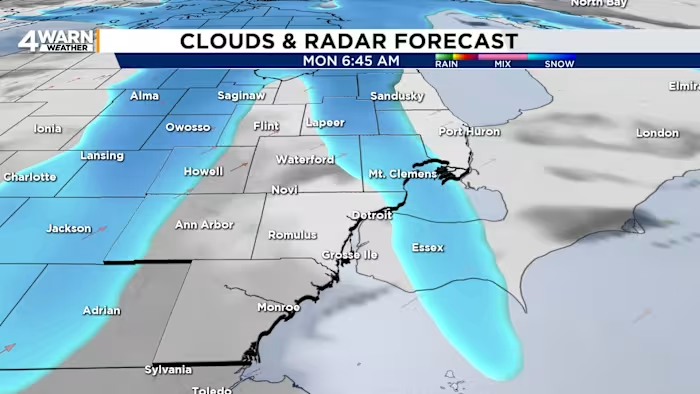
A cold front continues to bring frigid temperatures and snow to Metro Detroit, with light snow expected Monday morning. A warming trend begins midweek, with temperatures rising into the 30s and 40s, accompanied by rain showers and fluctuating snow chances through the week. Cold weather and snow are expected to persist into the weekend, followed by a gradual warm-up and rain by next Sunday.
Iceland has detected its first mosquitoes, with three sightings confirmed, raising concerns about the impact of climate change on the country's ecosystem.
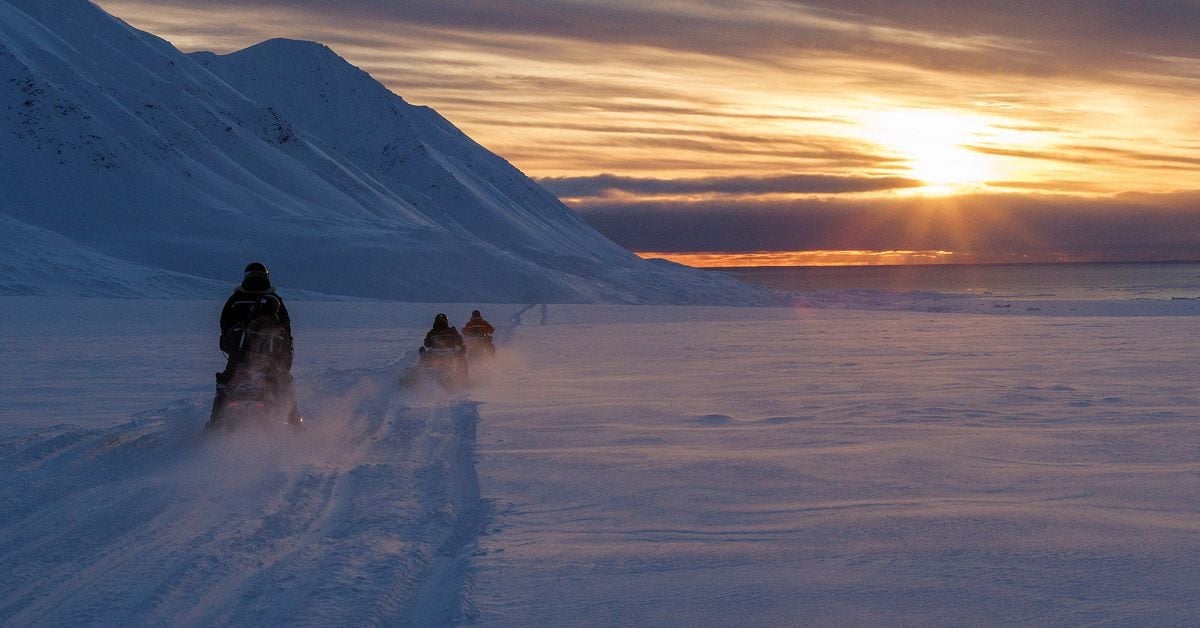
The Arctic experienced its warmest summer on record, leading to wildfires, melting glaciers, and higher sea levels that threaten coastal cities worldwide, according to the National Oceanic and Atmospheric Administration's (NOAA) 2023 Arctic Report Card. The Arctic is warming twice as fast as the rest of the globe due to human-caused climate change. The report also highlighted more frequent extreme weather events with global impacts, such as the extreme wildfire season in northern Canada. Greenland lost another 350 trillion pounds of ice, contributing to rising seas. The report warns that irreversible climate harms caused by an overheating Arctic will continue to affect North America and Eurasia. Additionally, the report noted an increase in Arctic greening, which could accelerate climate change by releasing stored carbon dioxide.
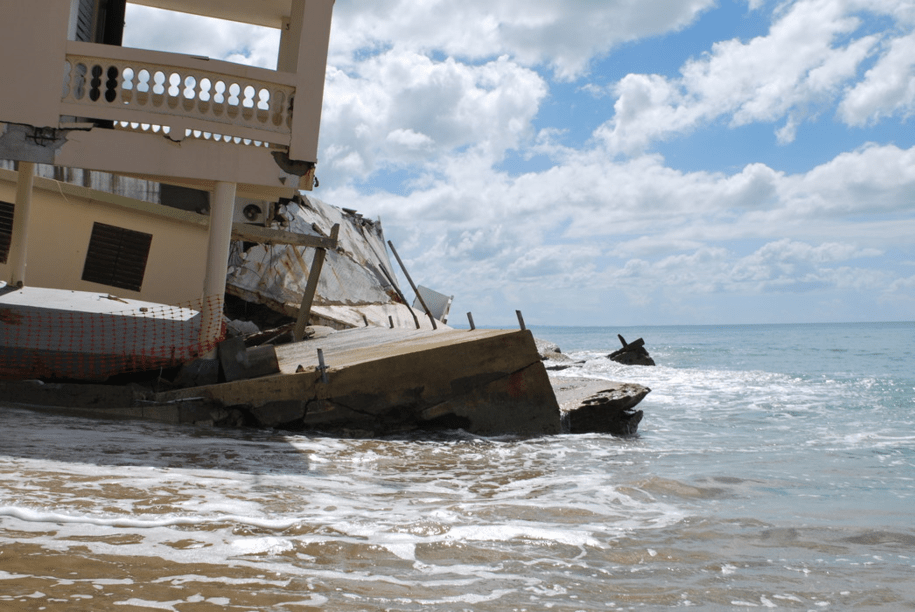
Seismic data has confirmed that ocean waves are shaking the Earth as storms become more ferocious due to global warming. The study highlights the impact of climate change on extreme weather events, with rising sea levels and increased storm intensity leading to stronger ocean waves that can generate seismic activity. This finding underscores the urgent need for climate action to mitigate the effects of warming on our planet.
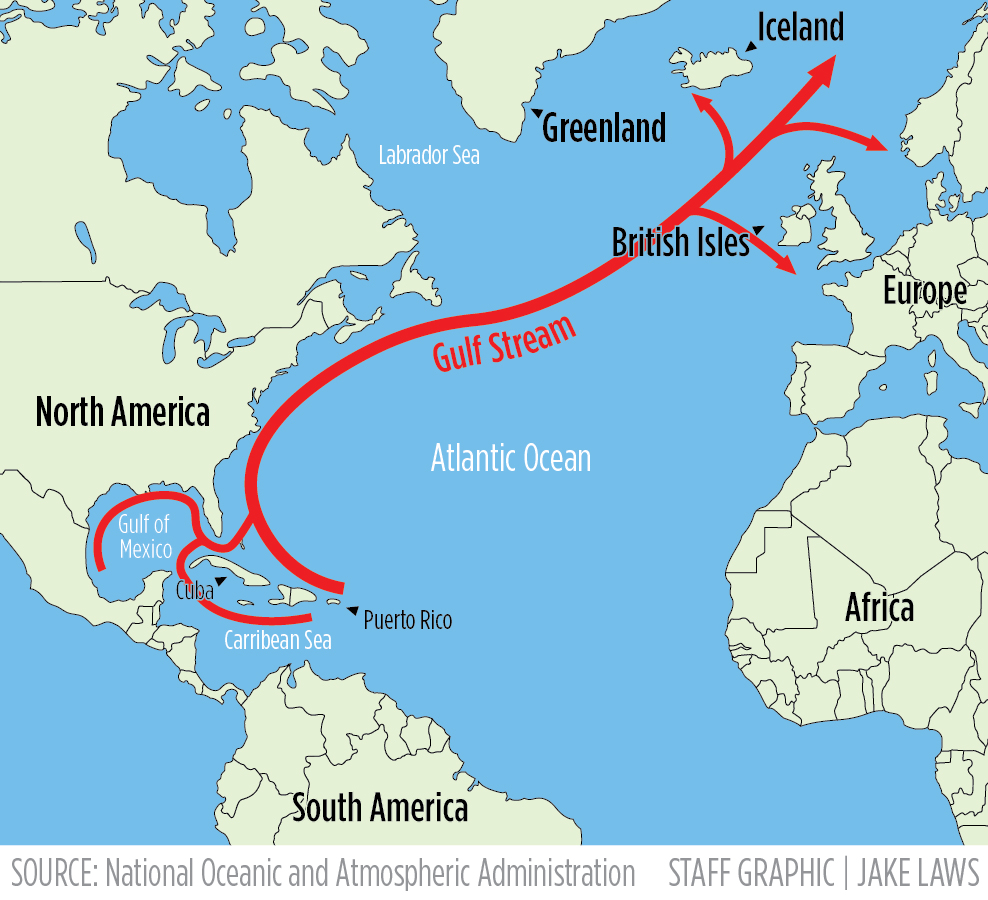
The Gulf Stream, a tropical ocean current, has warmed faster than the global oceans and moved closer to the U.S. eastern continental shelf over the past 20 years, increasing the risk of sudden impacts on coastal fisheries, according to a study by the Woods Hole Oceanographic Institution. Warm-water breakaways from the Gulf Stream can temporarily increase temperatures in the Gulf of Maine, affecting marine wildlife. The balance between the Labrador Current and the Gulf Stream is shifting, with the Gulf Stream becoming warmer and wider. The warming trend in the Gulf of Maine is four times faster than the global oceans, with significant consequences for the region's ecosystems and communities.
A new study published in Nature Climate Change reveals that the Gulf Stream, a powerful ocean current that influences weather patterns and carries heat from the tropics to higher latitudes, has been warming faster than the global ocean and shifting closer to the coast over the past two decades. The study, based on extensive temperature and salinity profiles collected between 2001 and 2023, shows that the near-surface layer of the Gulf Stream has warmed by about 1°C and moved about 5 kilometers closer to the Northeastern United States continental shelf. The findings provide observational confirmation of predictions made by numerical simulations and highlight the potential impact on coastal fisheries and weather patterns.
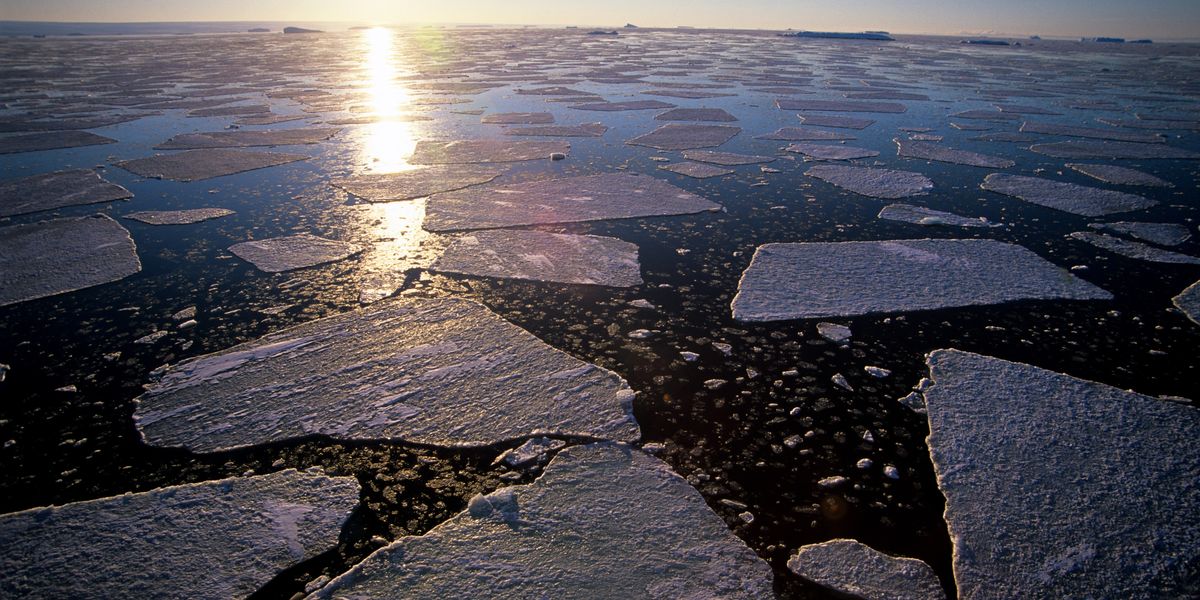
Antarctica is warming at a rate twice as fast as the rest of the planet, surpassing projections made by climate models, according to a study published in Nature Climate Change. The research, which analyzed 78 ice cores, found evidence of polar amplification in Antarctica, a phenomenon that causes higher temperatures near the poles. The study warns that failing to consider these feedback loops could lead to an underestimation of the magnitude of anthropogenic warming and its consequences in Antarctica. The findings have raised concerns about the future of Antarctic sea ice, ecosystems, and potential sea-level rise. Another study published the same day suggests that while irreversible retreat of the West Antarctic ice sheet has not yet occurred, it is possible if current climate conditions persist. These studies add to growing evidence of the impact of human-caused global heating on Antarctica.
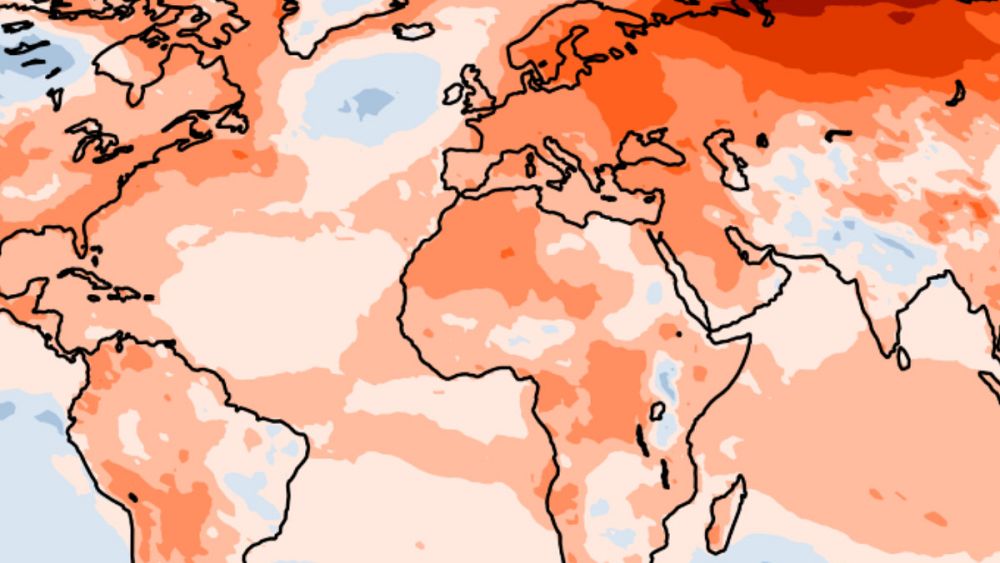
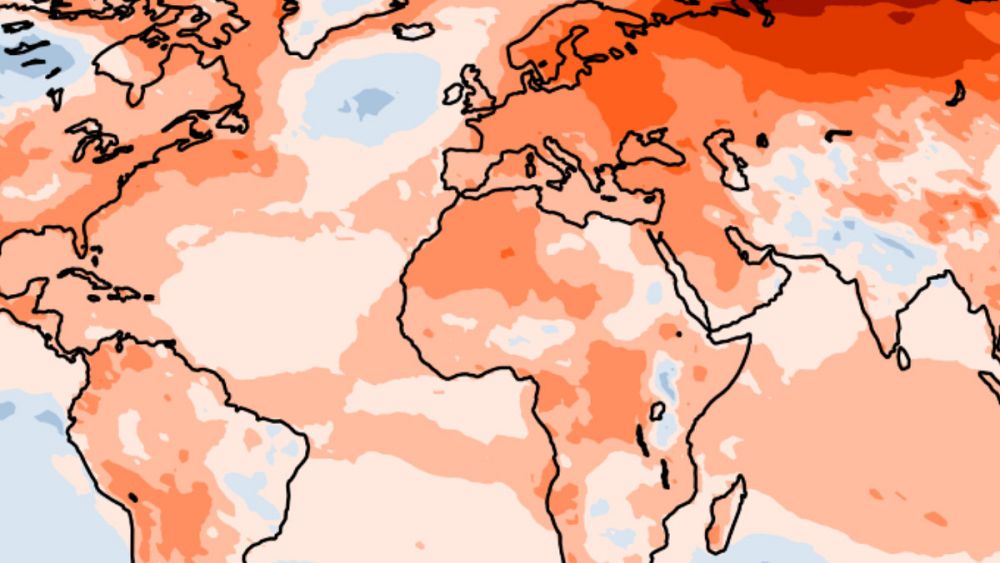
Europe is warming twice as fast as the global average, with temperatures around 2°C above average in much of Western Europe and even exceeding 3.5°C in regions close to the Arctic. Extreme weather-related events claimed more than 16,000 lives and directly affected 156,000 people in 2022. Renewable energy generated more electricity than polluting fossil fuels for the first time last year, with wind and solar power generating 22.3% of EU electricity. Glacier melt was unprecedented, with 880 km3 of ice lost in Europe from 1997 to 2022.
Europe is warming twice as fast as the global average, with temperatures around 2°C above average in much of Western Europe and even exceeding 3.5°C in regions close to the Arctic. Extreme weather-related events claimed more than 16,000 lives and directly affected 156,000 people in 2022. Renewable energy generated more electricity than polluting fossil fuels for the first time last year, with wind and solar power generating 22.3% of EU electricity. Glacier melt was unprecedented, with 880 km3 of ice lost in Europe from 1997 to 2022.
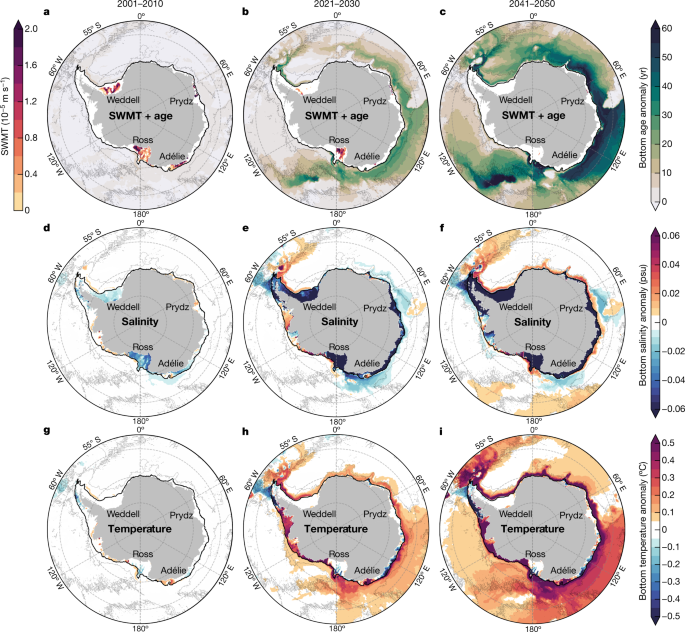
A new study suggests that the slowdown of the abyssal ocean overturning and warming is driven by Antarctic meltwater. The research shows that the increased freshwater input from melting Antarctic ice shelves is causing a reduction in the formation of Antarctic Bottom Water, which is a key driver of global ocean circulation. This could have significant implications for sea level rise and climate change.