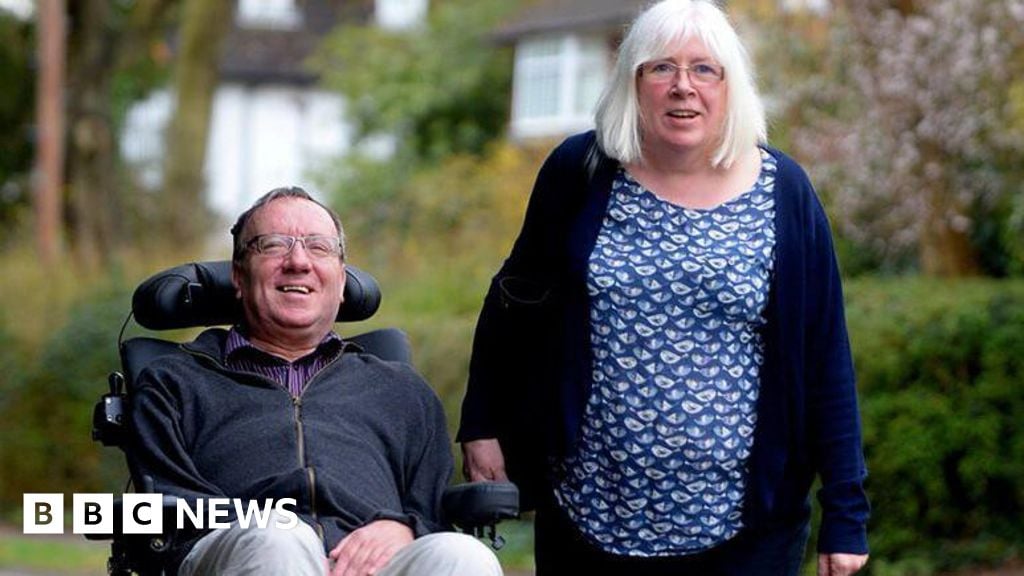
A man with Motor Neurone Disease from Redhill was shocked to learn he no longer qualifies for a Covid vaccine under current UK guidelines, which prioritize certain vulnerable groups. The UKHSA advises clinical judgment in such cases, but some patients and MPs are concerned about the communication and criteria for vaccination eligibility, especially for those with compromised breathing and other health issues.
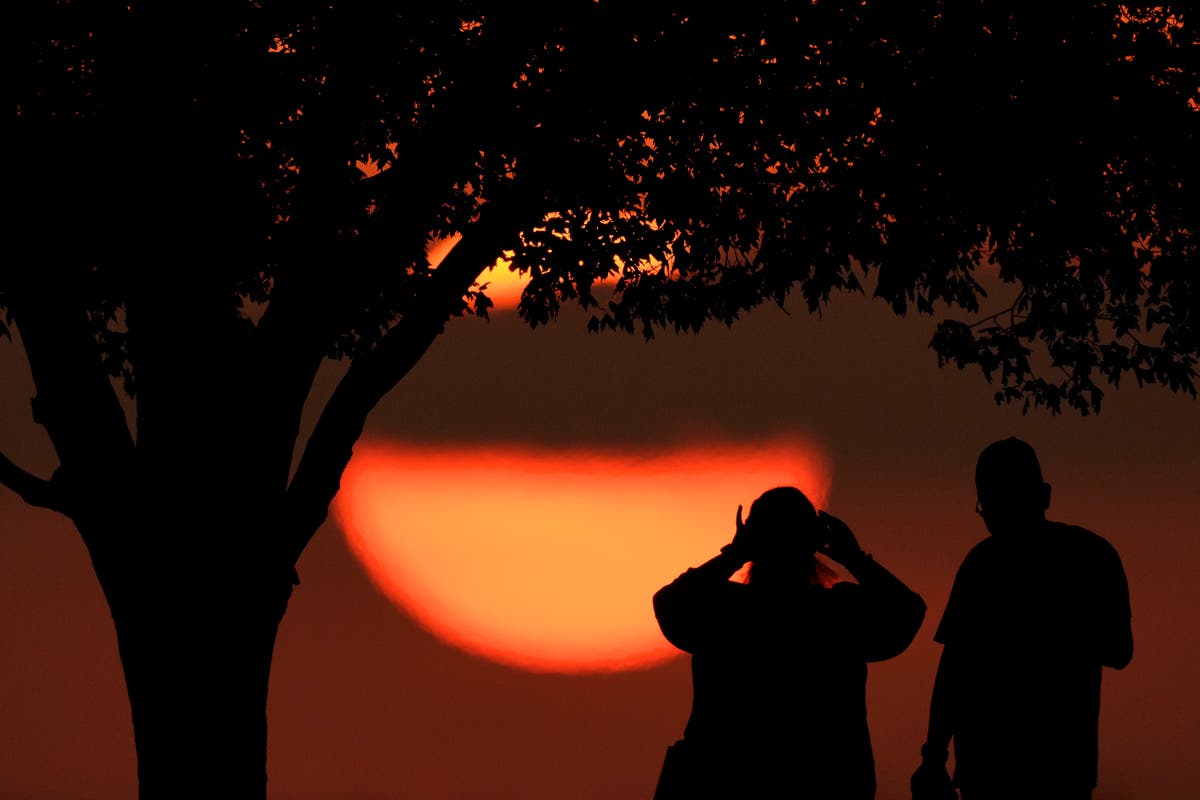
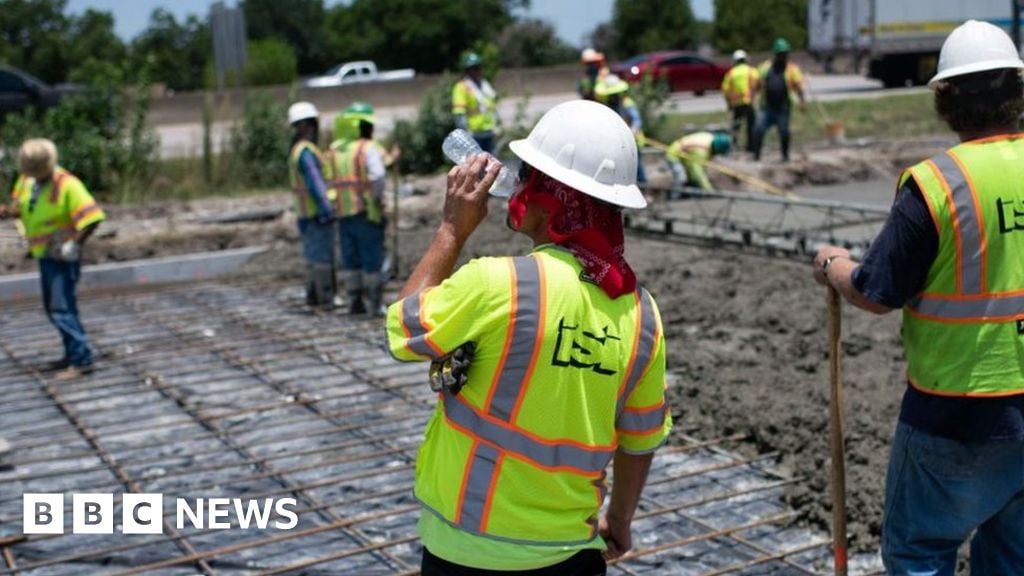
Heatstroke is a serious medical emergency caused by the body's inability to regulate temperature, with symptoms like confusion, dizziness, and loss of consciousness. Bystanders should move affected individuals to a cool area and seek immediate medical help. Less severe heat illnesses include heat exhaustion and heat cramps. Extreme heat can also worsen underlying health conditions, especially in vulnerable groups such as the elderly, young children, those with chronic illnesses, and outdoor workers. Precautions include staying hydrated, avoiding peak heat hours, and never leaving children or pets in hot cars.
A study from New York University has found that extreme heat exposure may accelerate cognitive decline, particularly among vulnerable groups such as Black older adults and those living in poorer neighborhoods. The research suggests that cumulative exposure to extreme heat can lead to cellular damage, inflammation, and oxidative stress in the brain, depleting cognitive reserve. The study also highlights the role of socioeconomic disparities, with affluent neighborhoods having resources to cope with heatwaves, while disadvantaged neighborhoods lack such resources. Additionally, the study found a link between extreme heat and racial inequality, with faster cognitive decline observed among Black older adults, potentially due to systemic disadvantages caused by structural racism.
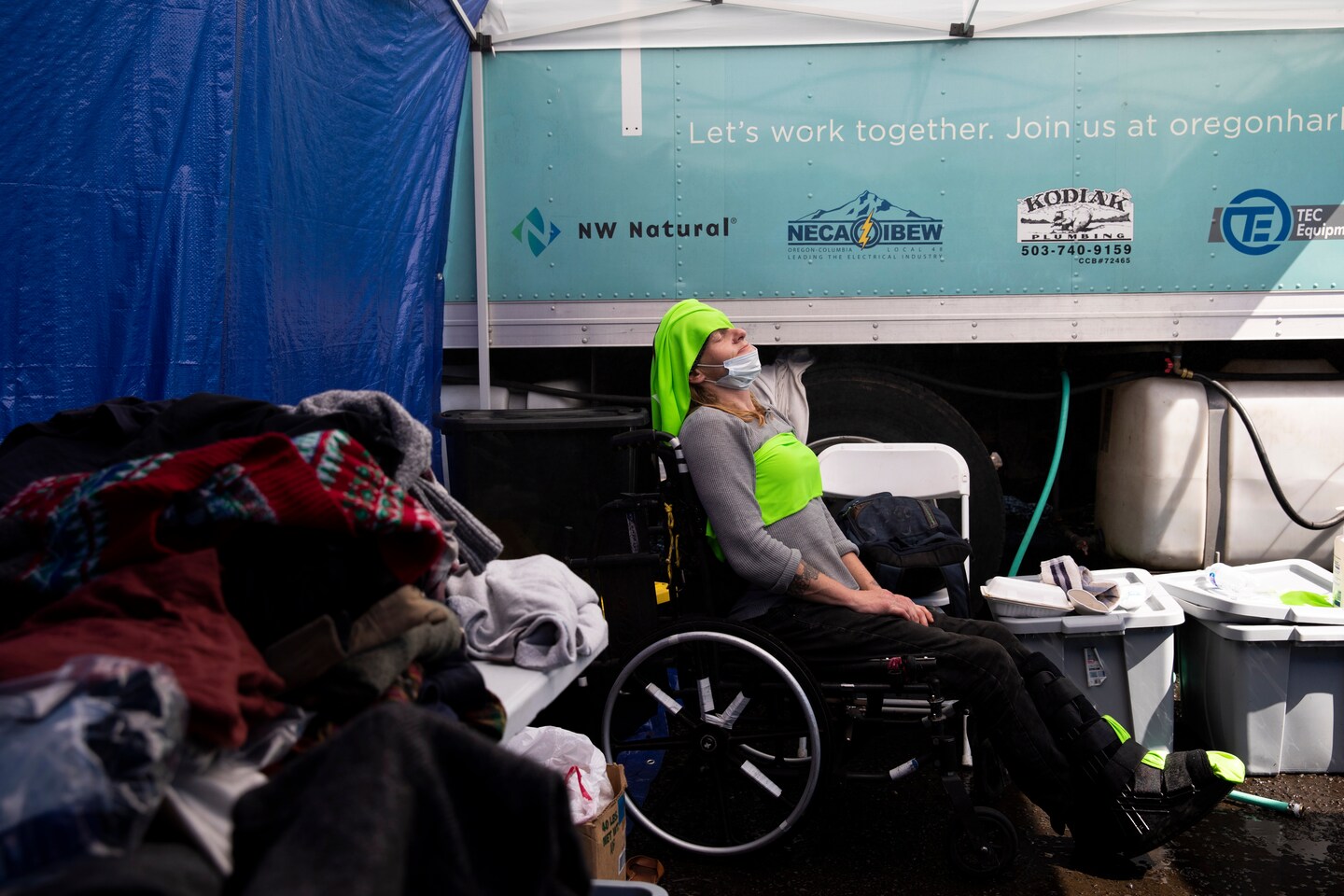
As heat waves continue to threaten cities across the US, cooling centers are being recommended as a refuge for vulnerable groups. However, experts warn that these centers may not be accessible or realistic for everyone, particularly the elderly and those without reliable transportation. Public awareness and stigmas associated with cooling centers also pose challenges. While cooling centers can save lives during extreme heat events, their effectiveness is unclear due to accessibility concerns. Informal facilities like shopping malls and movie theaters could offer alternatives. Additionally, limited hours and the inability to address nighttime heat pose further obstacles. Experts emphasize the need for a multilayered approach to combat heat, including parks, tree canopies, white roofs, and energy efficiency practices.
As heatwaves continue to affect various parts of the world, it is important to understand the effects of extreme heat on the body and how to stay safe. Heat can lead to symptoms such as heat rash, swollen feet, dizziness, nausea, fainting, muscle cramps, headaches, heavy sweating, tiredness, and cold, pale, and clammy skin. Vulnerable groups, including older people, babies, and those with underlying conditions, are at a higher risk of serious harm. It is crucial to stay hydrated, wear appropriate clothing, seek air-conditioned places, limit outdoor activity, and look out for those who may struggle to keep cool. Heat exhaustion can progress to heat stroke, which is a medical emergency. Certain medications and conditions can increase the risk of heat-related complications. It is important to take precautions and seek medical help if necessary.