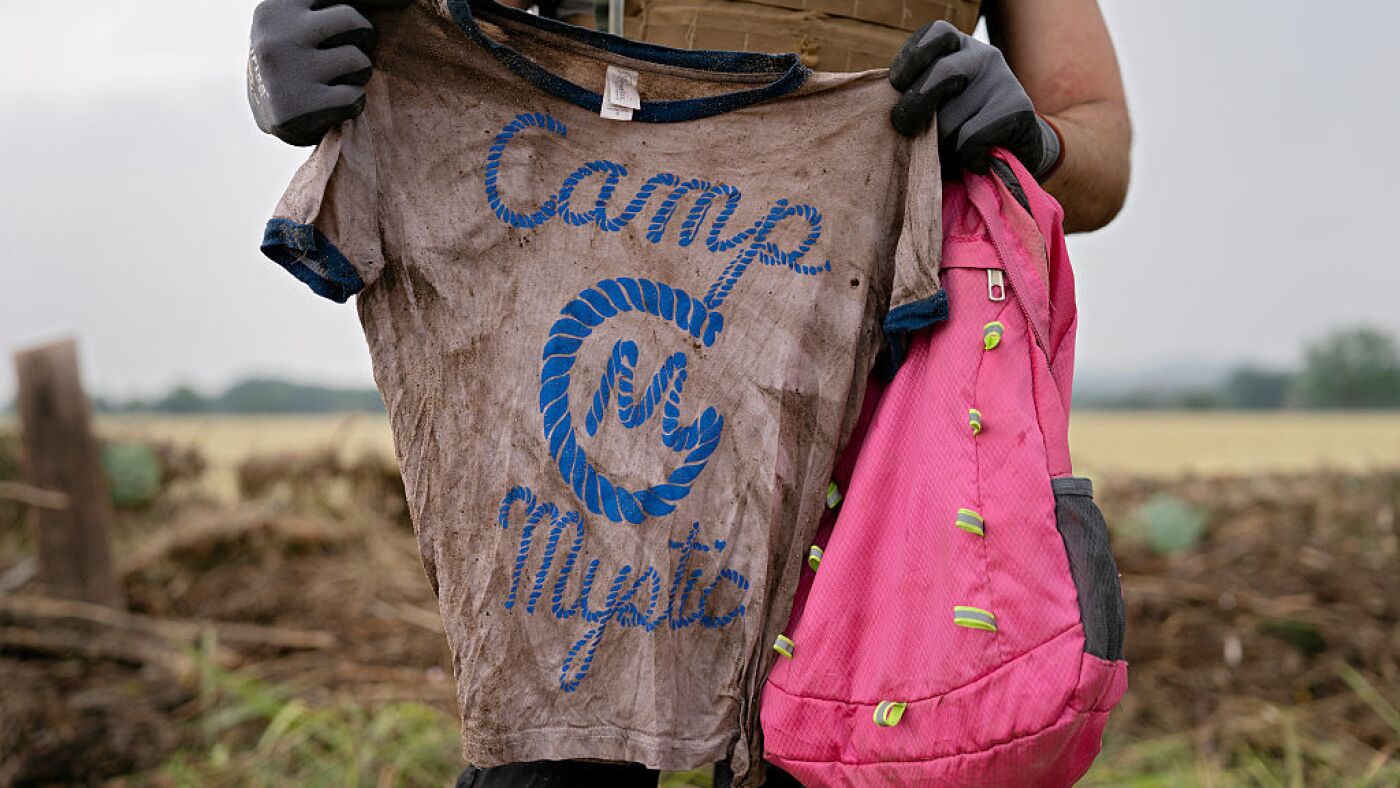
Experts recommend parents ask camp operators about measures to mitigate heat, flood, and wildfire risks, including infrastructure, emergency plans, and environmental monitoring, especially given the lack of comprehensive federal regulation and increasing climate-related hazards.
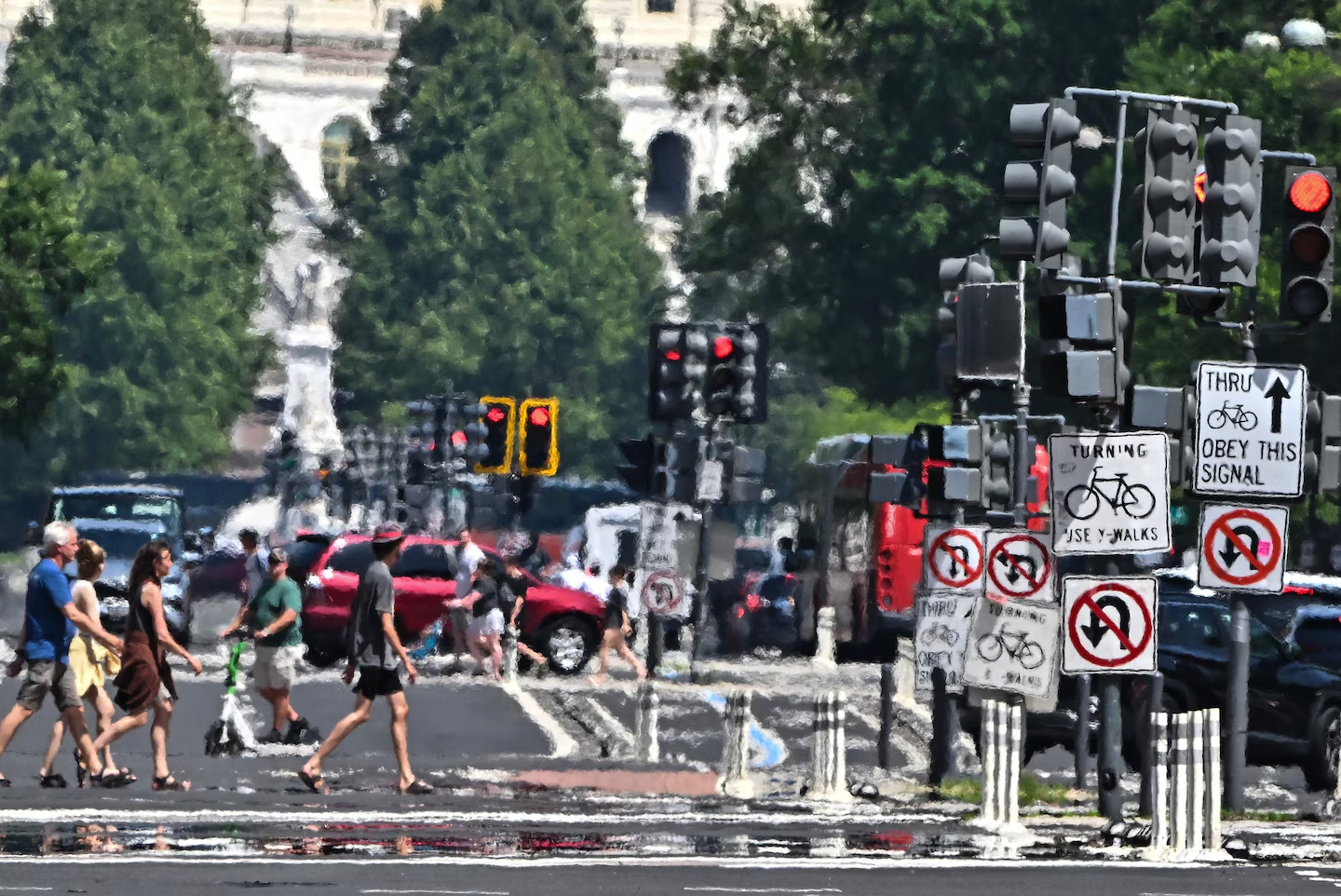
A heat wave is intensifying in the DC area with temperatures reaching the upper 90s to 100s, accompanied by high humidity and an extreme heat warning for Tuesday. The weather is expected to remain hot and humid through Wednesday, with potential thunderstorms and a gradual cooling trend later in the week. Safety precautions are advised due to the dangerous heat levels.
As temperatures rise, certain medications can increase the risk of heat-related illnesses by affecting the body's ability to regulate temperature and increasing sun sensitivity. It's important to stay hydrated, store medications properly, and limit sun exposure to stay safe during summer.
Heatstroke is a serious medical emergency caused by the body's inability to regulate temperature, with symptoms like confusion, dizziness, and loss of consciousness. Bystanders should move affected individuals to a cool area and seek immediate medical help. Less severe heat illnesses include heat exhaustion and heat cramps. Extreme heat can also worsen underlying health conditions, especially in vulnerable groups such as the elderly, young children, those with chronic illnesses, and outdoor workers. Precautions include staying hydrated, avoiding peak heat hours, and never leaving children or pets in hot cars.
With the first major heat wave approaching much of the U.S., experts advise taking precautions such as checking the heat index, wearing lightweight clothing, seeking shade, staying hydrated, and recognizing symptoms of heat exhaustion to prevent heat-related illnesses during hot weather activities.
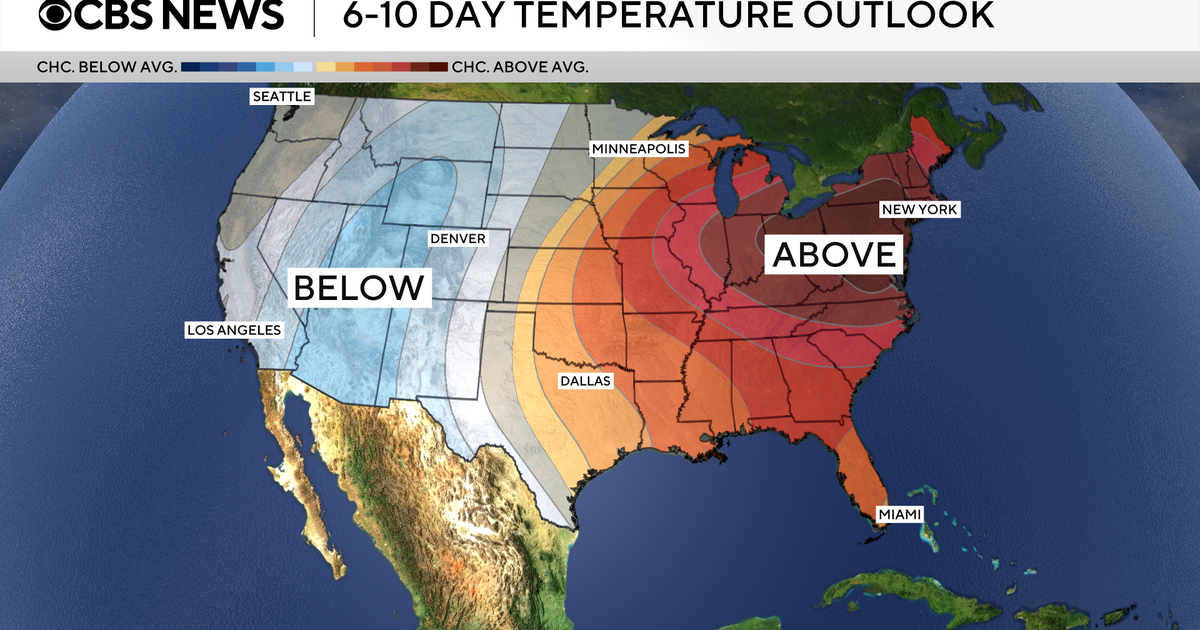
A significant heat wave is forecast across the eastern U.S., bringing record high temperatures, severe storms, and dangerous heat indices, with the heat expected to shift from the West to the Midwest and Northeast over the coming days. Authorities advise staying hydrated, avoiding strenuous activity, and being alert to symptoms of heat-related illnesses.
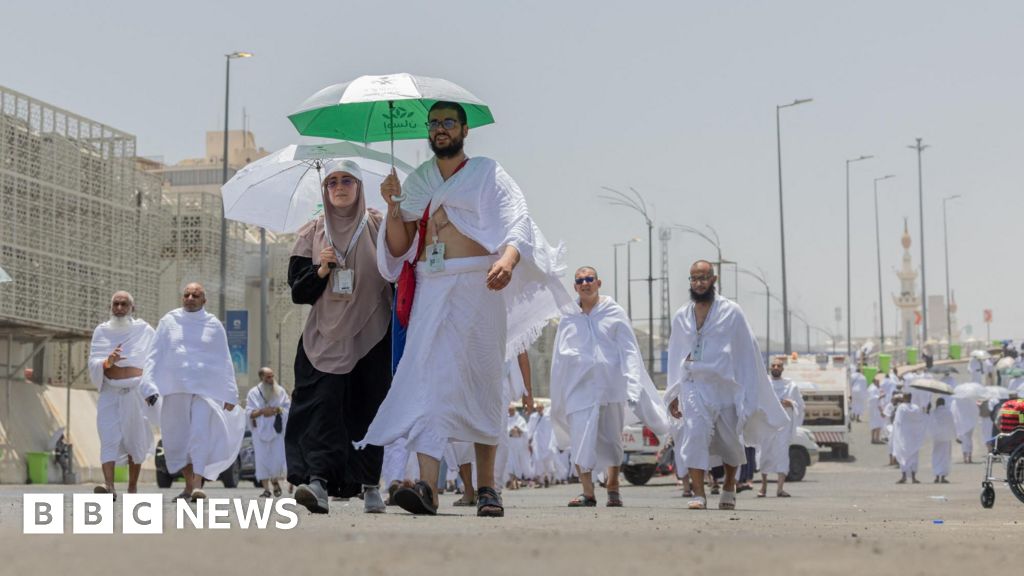
Saudi Arabia has implemented enhanced safety measures, including cooling systems and crowd management, to prevent heat-related deaths during this year's Hajj pilgrimage, which began with over 1.4 million pilgrims amid extreme temperatures reaching 44°C, following last year's tragic deaths due to heat and stampedes.
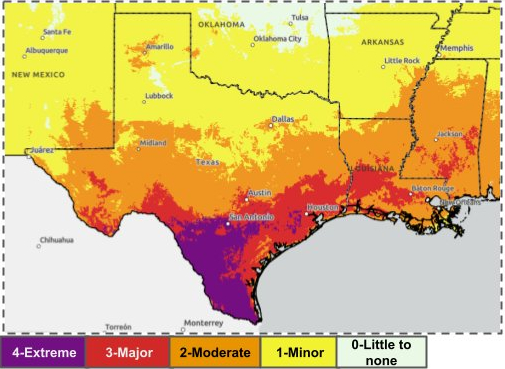
The National Weather Service has issued urgent excessive heat warnings and advisories for multiple counties in Texas, with heat index values expected to reach up to 115 degrees. Residents are advised to stay hydrated, avoid strenuous activities, and take precautions against heat exhaustion and heat stroke. Governor Greg Abbott has also extended a disaster declaration to additional counties following recent severe storms.
San Francisco is expected to experience warmer temperatures this week, with highs reaching the 80s due to a high-pressure system compressing the usual coastal breeze. The warmest days are anticipated to be Thursday and Friday, with temperatures dropping to the upper 50s to lower 60s overnight. The National Weather Service advises practicing heat safety, limiting outdoor activities during the afternoon, and seeking air-conditioned venues. Health experts warn of the risks of excessive heat exposure, including strokes and exhaustion. Cooler temperatures will return by Sunday and Monday.
Congressional Democrats have introduced a bill in the House and Senate that would require the Occupational Safety and Health Administration (OSHA) to adopt an interim heat standard for workplace safety. The proposed legislation aims to address the health risks of extreme heat faced by workers, as heat alerts cover over 100 million people nationwide. President Joe Biden has also taken actions to crack down on heat-safety violations and invest in weather forecasting and water storage. OSHA is currently developing a heat standard, but the proposed bill would expedite the process and require an interim standard to be finalized within a year of passage. Advocates hope the bill can be passed in time to take effect by next summer.
Extreme heat is becoming increasingly dangerous, with record-breaking temperatures being experienced in various parts of the world. Heat-related illnesses such as heat exhaustion and heat stroke can be life-threatening, particularly for vulnerable populations such as infants, older adults, and those who work outdoors. To stay safe during extreme heat, it is important to keep your home and body cool, stay hydrated by drinking plenty of water, recognize the signs of heat exhaustion and heat stroke, and take precautions when engaging in outdoor activities. Additionally, it is crucial to check on vulnerable individuals in the community and provide support if needed.
A certified yoga teacher and yoga sculpt instructor shares the benefits of low-impact exercises, such as walking, yoga, pilates, barre, and swimming, which are gentle on the body and reduce the risk of injury. She recommends incorporating low-impact workouts into your weekly routine, along with high-intensity workouts and rest days. The article also provides tips for working out in the heat, including staying hydrated and wearing appropriate clothing. Additionally, the trainer suggests nine low-impact exercises, including walking, yoga, squats with oblique twists, donkey kicks, planks, bicep curls, lunges with tricep extensions, bird dogs, Pilates 100s, and cobra/locust poses.
Farmworkers and outdoor workers in South Florida are demanding the implementation of a municipal heat standard that would provide access to drinking water, shade, and breaks on the job. The effort, led by labor organization WeCount!, has gained urgency as the region experiences a historic heatwave. At least one farmworker has already died from heat-related causes this year. The Miami-Dade Board of County Commissioners passed the first reading of an ordinance to create the heat standard, which would also include a heat exposure safety program, employee rights notices, and the establishment of a county Office of Workplace Health and Safety. The federal government has been slow to draft heat safety rules, making the Miami ordinance potentially the first of its kind in the United States.
Most U.S. workers have few legal protections related to extreme heat conditions, leaving them vulnerable to heat-related illnesses and fatalities. Only six states have regulations guaranteeing laborers access to water, rest, and shade. The federal government is in the process of drafting heat safety rules, but it is a lengthy process. Recent climate studies show that Earth is experiencing record-high temperatures, exacerbating the risks faced by workers. The consequences of heat illness can be deadly, and heat-related deaths are often undercounted. The lack of specific guidelines makes it difficult for regulators to hold employers accountable for heat injuries. State legislatures or labor departments are left to issue their own workplace heat protections, but many states have yet to implement comprehensive measures.
Excessive Heat Warnings continue in the Phoenix Metro and beyond, with temperatures expected to reach between 113 and 117 degrees through the weekend and into next week. Wednesday and Thursday could be the hottest days of the year so far, with record-setting heat possible. It is advised to limit time outside, stay hydrated, and be aware of the signs of heat illness.