Japan experienced its highest temperature ever at 41.2°C in Tamba City, amid a prolonged heat wave that has increased health risks, strained power grids, and led to record temperatures this July, with authorities warning of further heat and issuing safety advisories.
A severe heat wave is impacting much of the US, with temperatures soaring into triple digits, posing health risks including heat stroke and brain fog. Experts advise on safety measures to stay protected during extreme heat conditions.
Experts warn that Americans taking Ozempic and similar weight-loss drugs may face increased risks of dehydration and heat stroke during the current heat dome, as these medications can suppress thirst and reduce water intake, especially in high temperatures, leading to serious health risks without proper hydration and precautions.
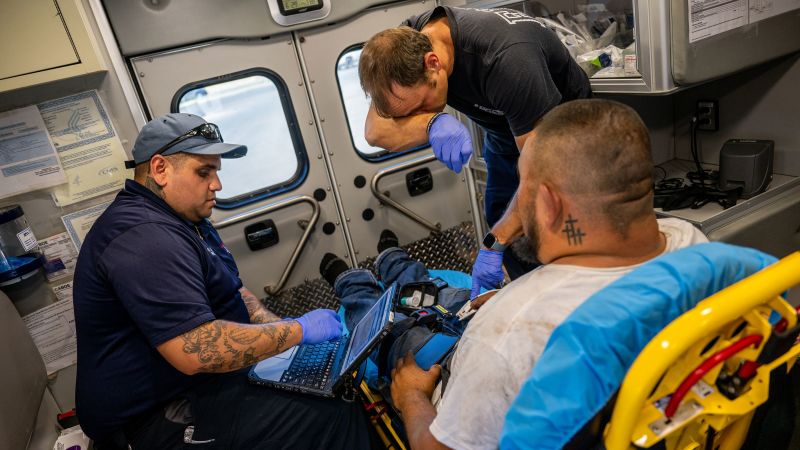
As the Southwest faces a heat wave with triple-digit temperatures, the Phoenix Fire Department is using cold water immersion to treat heatstroke victims, a technique already adopted by local hospitals. This method, which rapidly lowers body temperature, is now standard on all Phoenix emergency vehicles and aims to reduce the high number of heat-related deaths in the area.
Doctors have reported an increase in respiratory illnesses, including cases of influenza and COVID-19, during the holiday season. Some COVID-19 screen tests initially showed negative results but were later found to be positive upon repeat testing. The timing of the tests may have been too early to detect the virus. There has been a rise in upper and lower respiratory tract infections in the past four to six weeks, with a few cases requiring hospitalization. The public is advised to be cautious around individuals exhibiting symptoms of respiratory infections. Additionally, there has been an increase in cases of heat stroke and rhabdomyolysis, leading to severe respiratory symptoms in elderly patients. It is recommended to stay hydrated and seek medical care promptly.
Jefferson County Public Schools in Louisville, Kentucky, have canceled all outdoor middle and elementary school sports for the rest of the week due to dangerous heat indexes. The Kentucky High School Athletic Association requires outdoor activities to be stopped if the heat index rises above 104 degrees. High school football games will start after 7:30 p.m. to avoid extreme temperatures. Safety measures, including cold immersion tubs, will be implemented to monitor signs of heat illness. The decision comes after the tragic death of Max Gilpin, a teenager who died from heat stroke during football practice 15 years ago.
A 66-year-old man from Austin, Texas, died of heat stroke while hiking in Utah's Arches National Park during a trip to spread his father's ashes. James Bernard Hendricks likely became disoriented due to a combination of heat, dehydration, and high altitude. His body was found off-trail, and his water bottle was empty. The National Park Service and Grand County Sheriff's Office are investigating the incident.
Extreme heat can have detrimental effects on the human body, and with climate change, these occurrences are expected to increase. Heat rash, heat cramps, heat exhaustion, and heat stroke are all potential risks. Heat rash, characterized by small blisters, can be relieved by moving to a cool environment and removing tight clothing. Heat cramps, caused by electrolyte imbalances, can be alleviated by stopping exertion, moving to a cool location, and replenishing lost electrolytes through salty foods or sports drinks. Heat exhaustion, marked by intense fatigue and high body temperature, requires immediate cooling and hydration. Heat stroke, the most severe condition, can be fatal and requires emergency medical attention. To stay safe in extreme heat, it is advised to seek air-conditioned environments, avoid exertion during the hottest times of the day, and stay hydrated.
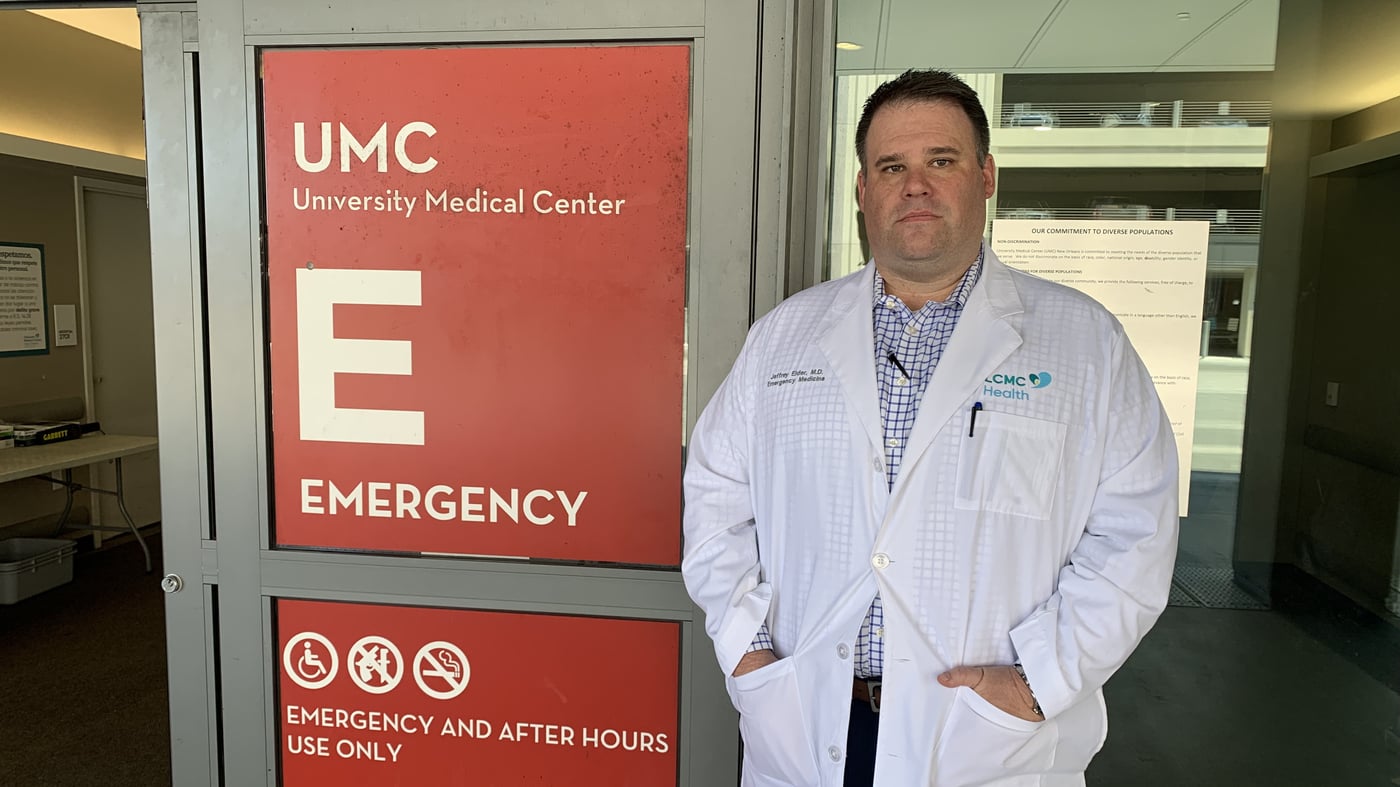
New Orleans is experiencing an increase in heat-related illnesses due to an ongoing heatwave, with emergency medical services responding to triple the number of heat-related calls compared to last year. The city's emergency medical systems are facing challenges with funding and staffing, operating at only 60% of its needed staff. To combat heat stroke, medical teams use ice, misting fans, and IV fluids for rapid rehydration. However, the increasing frequency and intensity of heatwaves due to climate change pose a significant burden on health infrastructure, requiring increased resources to treat patients suffering from extreme heat exposure.
At least eight dogs died from heat stroke and several others were rushed to veterinary hospitals after an air conditioning unit malfunctioned in a truck transporting them to a training facility in Michigan. The driver, unaware of the situation until the dogs started barking, stopped at a gas station where passersby called for help. The Humane Society of Hobart criticized the police for allowing the owner to leave with some of the animals without securing the vehicle and prior to completing an investigation. The owner was derogatory and belligerent, and despite the need for medical attention, the police allowed him to continue transporting the remaining dogs, some of which had already died. The incident is being investigated for potential animal cruelty and neglect.
As the planet warms and heat waves become more common, health care providers are urging medical systems to be proactive in addressing heat-related illnesses. Heat stroke, one of the most common and deadly heat-related illnesses, often catches people off-guard. The elderly, young children, those with underlying health conditions, and athletes are particularly vulnerable. Heat stroke can be mistaken for other conditions, making it crucial for health care providers to consider it as a possibility. Emergency departments need to incorporate climate into their thinking and be prepared to treat heat stroke urgently. Health professionals and patients are encouraged to take proactive measures to stay safe during hot weather, such as checking the weather, staying indoors, staying hydrated, and wearing appropriate clothing.
Country singer Jason Aldean suffered from heat stroke during a concert in Hartford, Connecticut, causing him to run off stage mid-performance. The concert has been rescheduled, and Aldean's representative confirmed that he is now doing well. Fans flooded the comment section with well-wishes for the singer.
Country singer Jason Aldean ended a concert early after suffering a heat stroke on stage in Hartford, Connecticut. The show will be rescheduled to a future date, and Aldean is doing well. He attributed the incident to a combination of dehydration and heat exhaustion.
Jason Aldean's concert in Hartford was cut short after he suffered a heat stroke during the performance. The country star left the stage early and did not return. The concert will be rescheduled, and ticketholders should stay tuned for updates on social media.
Country singer Jason Aldean abruptly ran off stage during a concert in Connecticut, with signs suggesting it was heat-related. He stopped singing, wiped off sweat, and then bolted off stage. A fan described the extreme heat and humidity at the venue, expressing concern for Aldean's well-being. The show was cut short, and Aldean's team is working on rescheduling the concert.