A large study using VA data shows that nicotinamide, a form of vitamin B3, can significantly reduce the risk of skin cancer, especially when taken early after the first diagnosis, with a 14% overall risk reduction and up to 54% for initial cases, suggesting a potential shift in prevention strategies.
A large-scale study involving over 33,000 patients found that nicotinamide, a vitamin B3 supplement, can reduce the risk of skin cancer recurrence by up to 54%, especially when taken after a first skin cancer diagnosis, suggesting it could be used earlier in prevention strategies.
A large VA study suggests that over-the-counter vitamin B3 (nicotinamide) may reduce the risk of developing new skin cancers, especially when started after a first cancer, with a 14% overall reduction and up to 54% in certain cases, highlighting its potential as a safe, accessible preventive measure.
A new study suggests that over-the-counter nicotinamide, a form of vitamin B3, can reduce the risk of certain skin cancers, especially in individuals with a history of the disease, potentially leading to earlier preventive use. The research analyzed data from nearly 34,000 US veterans, finding a 14% overall risk reduction, with greater benefits for those previously affected by skin cancer, though less clear benefits were observed for immunocompromised patients. The findings could influence future guidelines for skin cancer prevention.
A new study shows that Vitamin B3 (nicotinamide) supplements can significantly reduce the risk of non-melanoma skin cancer recurrence, especially when taken after the first diagnosis, with a 54% risk reduction observed among users. The findings support the routine recommendation of B3 supplements for skin cancer prevention, though more research is needed for those without a history of skin cancer.
Researchers have discovered that vitamin B3 (niacin) can effectively target a genetic factor, miR-93, involved in fatty liver disease (MASLD), by reducing lipid accumulation and improving liver function, suggesting a promising, safe, and affordable treatment option through drug repurposing.
Researchers discovered that microRNA-93 promotes fatty liver disease by inhibiting SIRT1, but vitamin B3 (niacin) can suppress miR-93, offering a promising, already-approved treatment pathway for MASLD, a common liver condition affecting 30% of the global population.
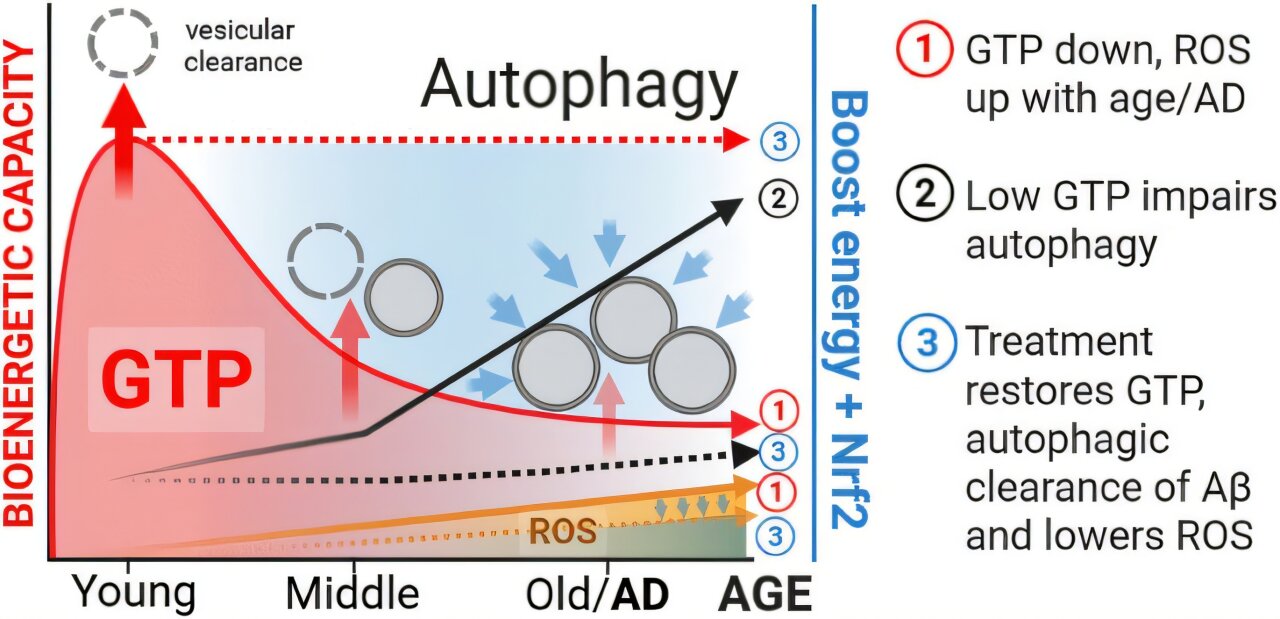
Research suggests that combining vitamin B3 (nicotinamide) and green tea antioxidant EGCG may help slow down Alzheimer's progression by restoring GTP levels, reducing neuronal damage, and aiding in the clearance of harmful plaques, though human studies are still needed.
Researchers at UC Irvine found that a combination of vitamin B3 (nicotinamide) and green tea compound (epigallocatechin gallate) can restore energy levels in aging brain cells, improve their ability to clear harmful proteins associated with Alzheimer's, and reduce oxidative stress, offering a potential nonpharmaceutical approach to treat age-related cognitive decline.
A groundbreaking clinical trial in Japan found that nicotinamide riboside, a vitamin B3 derivative, significantly improves symptoms of Werner syndrome, a rare premature aging disease, by boosting NAD+ levels, improving cardiovascular health, reducing skin ulcers, and slowing kidney decline, with no serious side effects.
A study from Copenhagen suggests that high doses of vitamin B3, specifically nicotinamide riboside, can significantly reduce lung inflammation in patients with chronic obstructive pulmonary disease (COPD). This form of vitamin B3 is converted into NAD+, a molecule that may enhance the immune system, which is often weakened in COPD patients. While the study shows promise for improving symptoms, experts caution against self-medication due to potential side effects and emphasize the need for further research. COPD affects 1.2 million people in Britain, with cases expected to rise.
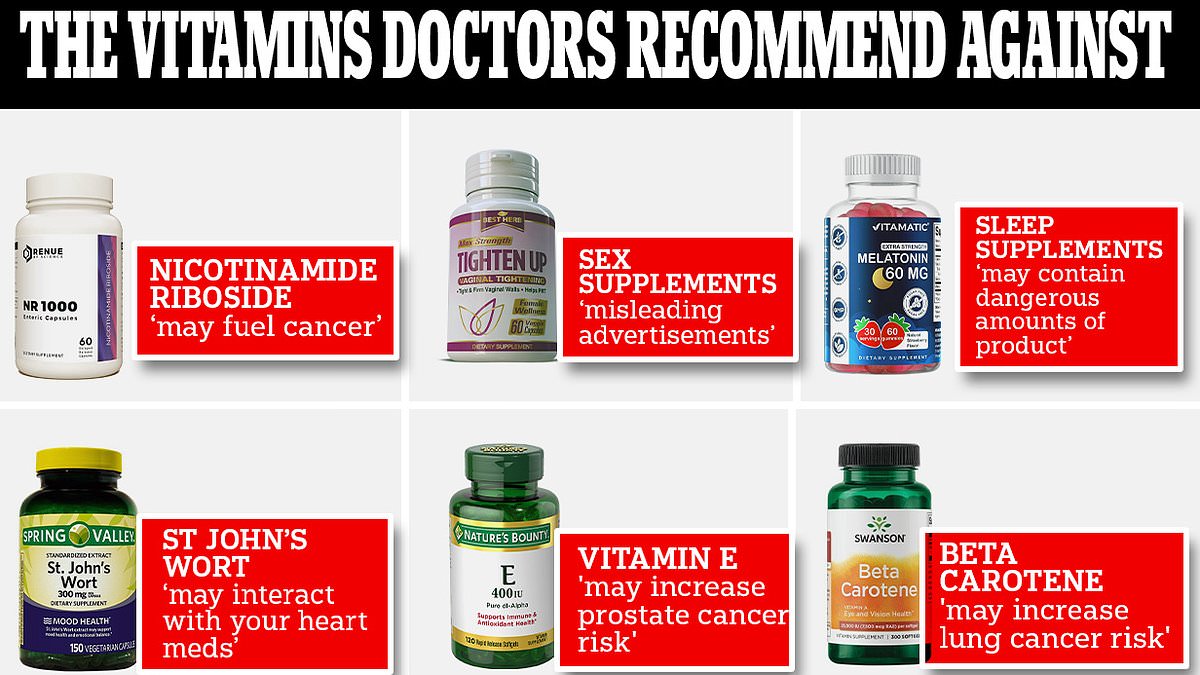
A new study suggests that taking nicotinamide riboside (NR), a form of vitamin B3, may increase the risk of developing aggressive forms of cancer. The supplement industry is largely unregulated, and many products may not only be ineffective but also potentially harmful. Other supplements, such as multivitamins, Vitamin E, and beta carotene, have also been linked to adverse health outcomes. Additionally, supplements for sexual performance, weight loss, sports performance, and cognitive enhancement are often problematic. It's recommended to consult a doctor before starting any new supplement, as they can interact with medications and may not be necessary if a well-rounded diet is maintained.
A study published in Nature Medicine suggests that high blood levels of niacin breakdown products are linked to an elevated risk of major adverse cardiovascular events (MACE), independent of known risk factors such as high cholesterol. The study, led by Stanley Hazen, chair of Cardiovascular and Metabolic Sciences at Cleveland Clinic's Lerner Research Institute, found that excess niacin intake from fortified foods may be exacerbating cardiovascular disease, increasing risks of heart attacks, strokes, and death. This unexpected link could open up new avenues for treatment and prevention of cardiovascular disease.
A new study from researchers at Cleveland Clinic warns that excessive levels of vitamin B3, also known as niacin, can increase the risk of cardiovascular disease. Vitamin B3 is added to processed foods to prevent deficiency, but the study found that too much of it can lead to the formation of a blood metabolite called 4PY, triggering inflammation and damaging blood vessels. The study suggests a need for caution with niacin supplements and a focus on a diet rich in fruits and vegetables while avoiding excess carbohydrates.
A new study published in Nature Medicine suggests that high levels of niacin, a B vitamin found in many foods and added to fortified cereals and breads, may actually raise the risk of heart disease by triggering inflammation and damaging blood vessels. The study found that a substance made when there is too much niacin in the body, called 4PY, was strongly linked with patients who have had a heart attack, stroke, or other cardiac event. Experts caution against routine intake of niacin supplements and recommend consulting with a healthcare provider before taking high doses of niacin for cholesterol management.