A large study using VA data shows that nicotinamide, a form of vitamin B3, can significantly reduce the risk of skin cancer, especially when taken early after the first diagnosis, with a 14% overall risk reduction and up to 54% for initial cases, suggesting a potential shift in prevention strategies.
A large-scale study involving over 33,000 patients found that nicotinamide, a vitamin B3 supplement, can reduce the risk of skin cancer recurrence by up to 54%, especially when taken after a first skin cancer diagnosis, suggesting it could be used earlier in prevention strategies.
A large VA study suggests that over-the-counter vitamin B3 (nicotinamide) may reduce the risk of developing new skin cancers, especially when started after a first cancer, with a 14% overall reduction and up to 54% in certain cases, highlighting its potential as a safe, accessible preventive measure.
A new study suggests that over-the-counter nicotinamide, a form of vitamin B3, can reduce the risk of certain skin cancers, especially in individuals with a history of the disease, potentially leading to earlier preventive use. The research analyzed data from nearly 34,000 US veterans, finding a 14% overall risk reduction, with greater benefits for those previously affected by skin cancer, though less clear benefits were observed for immunocompromised patients. The findings could influence future guidelines for skin cancer prevention.
A new study shows that Vitamin B3 (nicotinamide) supplements can significantly reduce the risk of non-melanoma skin cancer recurrence, especially when taken after the first diagnosis, with a 54% risk reduction observed among users. The findings support the routine recommendation of B3 supplements for skin cancer prevention, though more research is needed for those without a history of skin cancer.
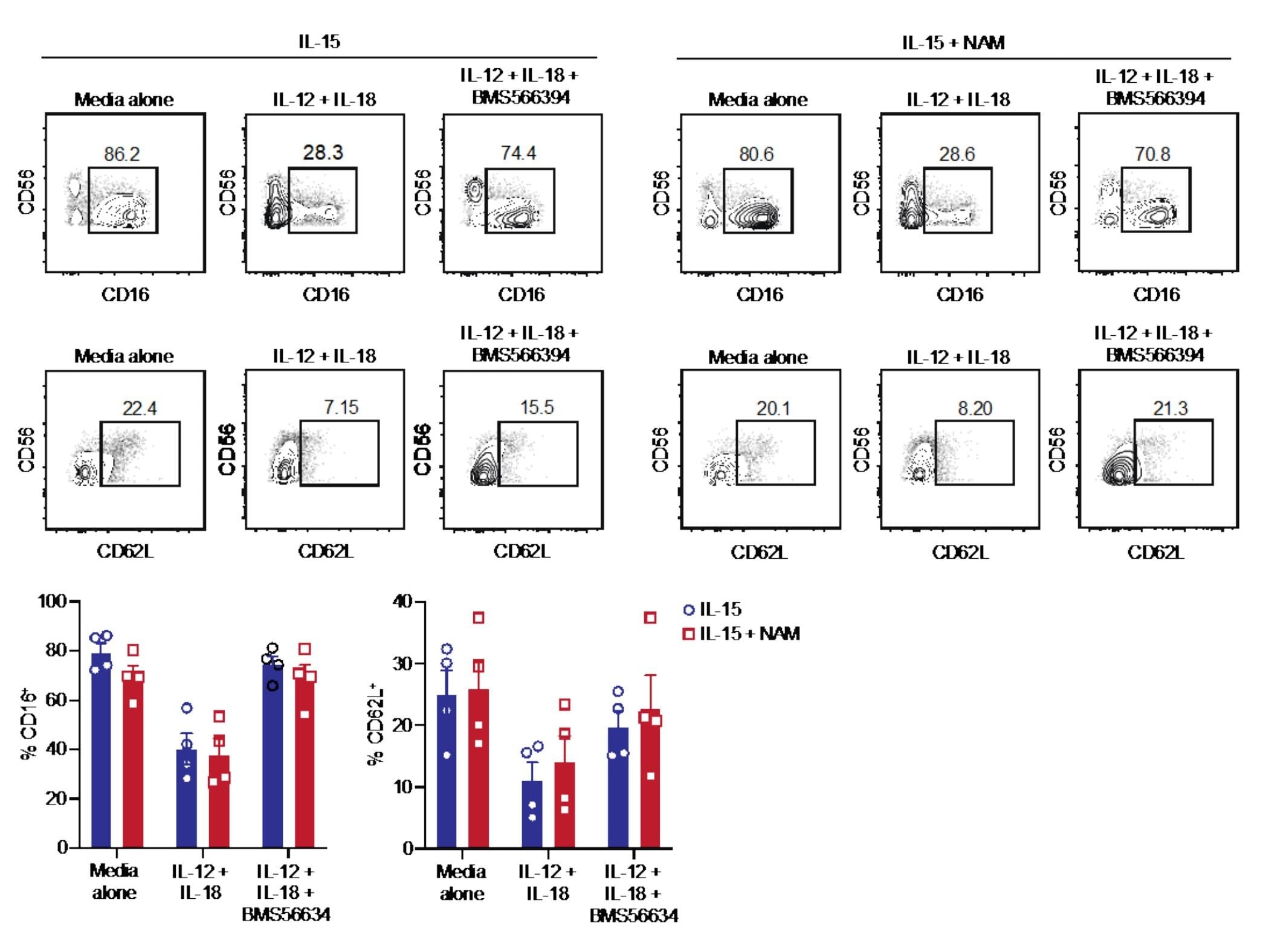
Scientists have discovered that pre-treating natural killer cells with nicotinamide, a compound found in vitamin B3, enhances their ability to target and destroy cancer cells. In a preliminary study, this approach showed promise in inducing remissions in patients with hard-to-treat blood cancers. Nicotinamide not only boosts the activity and persistence of natural killer cells but also protects them from oxidative stress and enhances their ability to home in on lymph nodes. The combination of nicotinamide-enhanced natural killer cells and monoclonal antibody treatment was found to be safe and resulted in complete or partial responses in patients with non-Hodgkin lymphoma. Further research is needed to validate these findings in larger clinical trials.