Scientists discovered that the gut hormone FGF19 signals the brain to increase energy expenditure and fat burning, offering promising new avenues for obesity and metabolic disease treatments, similar to drugs like Ozempic.
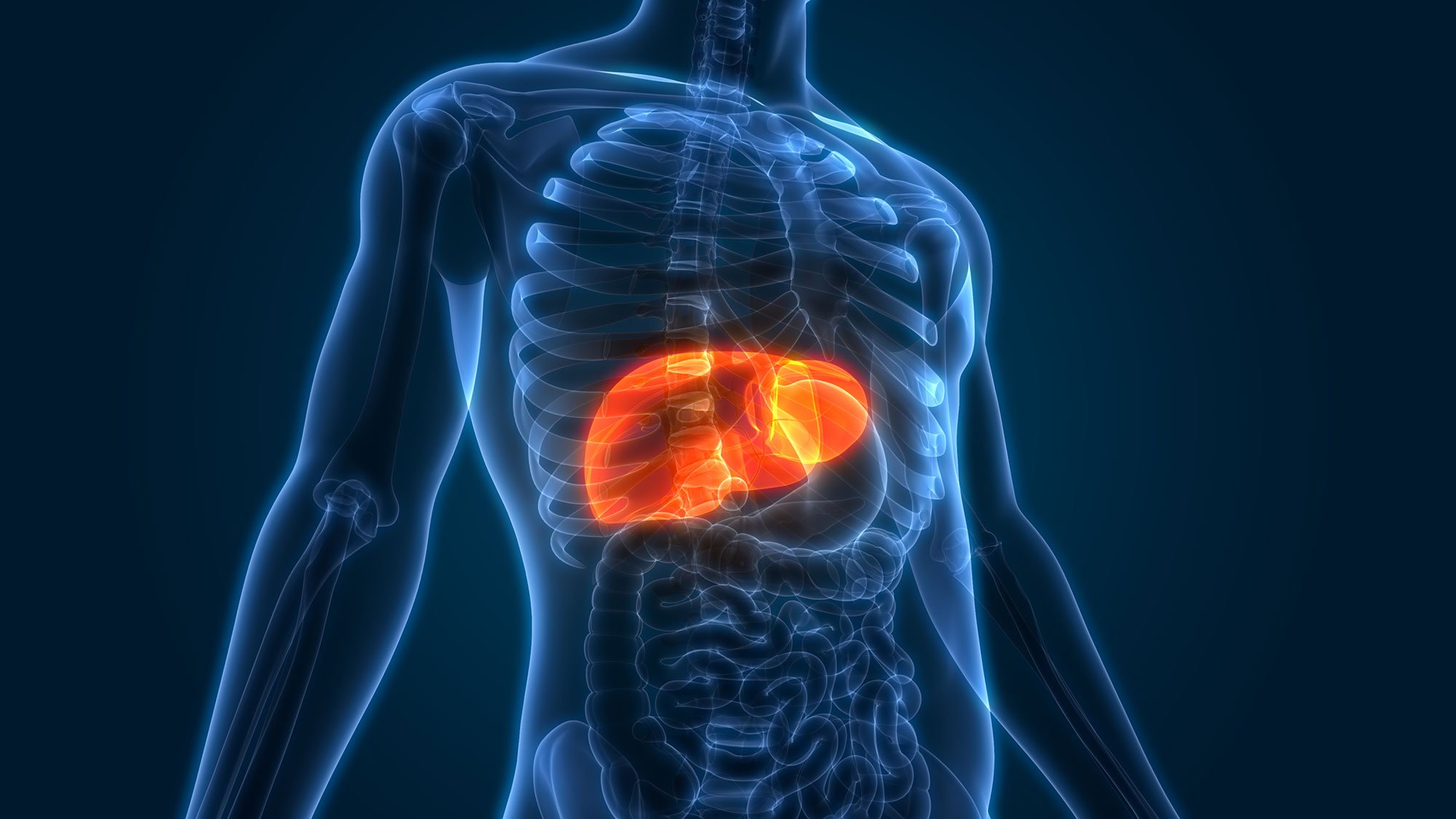
Researchers discovered that microRNA-93 promotes fatty liver disease by inhibiting SIRT1, but vitamin B3 (niacin) can suppress miR-93, offering a promising, already-approved treatment pathway for MASLD, a common liver condition affecting 30% of the global population.
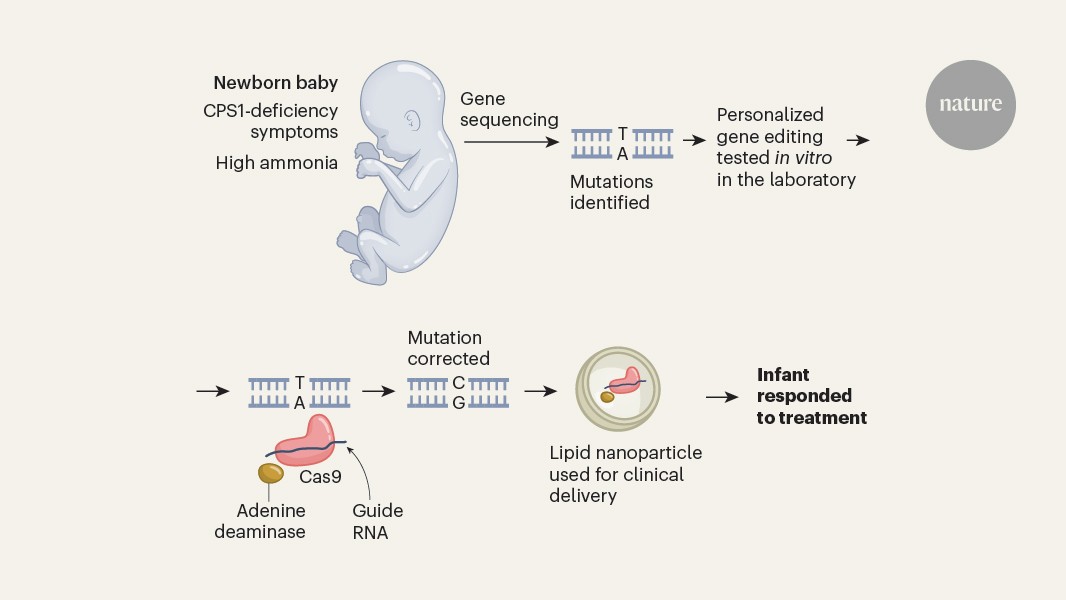
Scientists used CRISPR-based base editing delivered via lipid nanoparticles to successfully treat a baby with a rare genetic metabolic disorder, marking a significant advancement in personalized gene therapy.
Novo Nordisk's Wegovy has received accelerated FDA approval to treat MASH, making it the first GLP-1 therapy approved for this liver condition, based on promising early trial results, with plans for approval in Europe and Japan.
A study finds that the percentage of children with 'extremely severe' obesity in the U.S. has more than tripled over 15 years, leading to higher risks of serious health problems like fatty liver and diabetes, highlighting a growing public health emergency and the need for better treatment access.
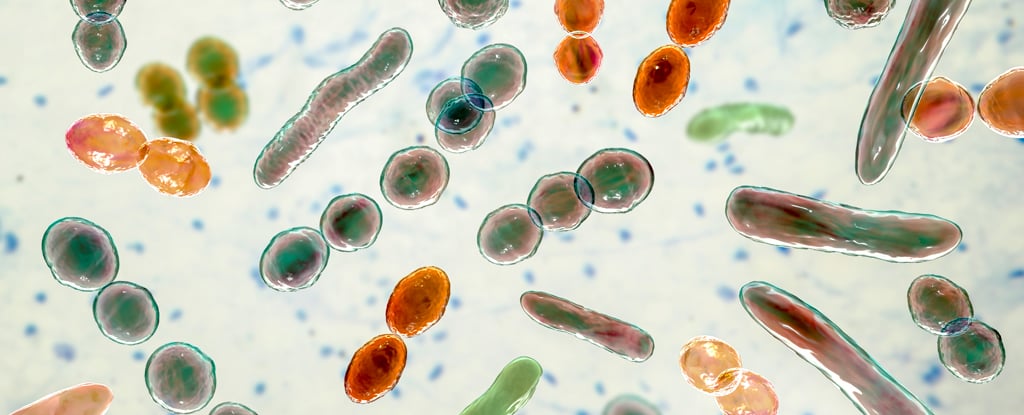
Weight loss and diabetes drugs like Wegovy, Ozempic, and Mounjaro target regulatory pathways involved in obesity and diabetes, mimicking natural gut hormones produced in response to nutrients in food and influenced by the gut microbiome. While these drugs have shown effectiveness in weight loss and blood sugar control, they come with gastrointestinal side effects and potential long-term implications. Despite their promise, a healthy lifestyle involving whole foods, exercise, stress management, and sleep remains crucial for managing metabolic disease and overall health, particularly for those without obesity or diabetes.
Incretin hormones, naturally produced in the gut, regulate metabolism and appetite, with the gut microbiome playing a crucial role. Drugs like Wegovy and Ozempic mimic these hormones, showing effectiveness in weight loss and blood sugar control. However, lifestyle factors such as diet and exercise remain important for managing metabolic disease. Reintroducing whole foods and promoting gut microbiome health may be key in addressing the root causes of obesity and diabetes.
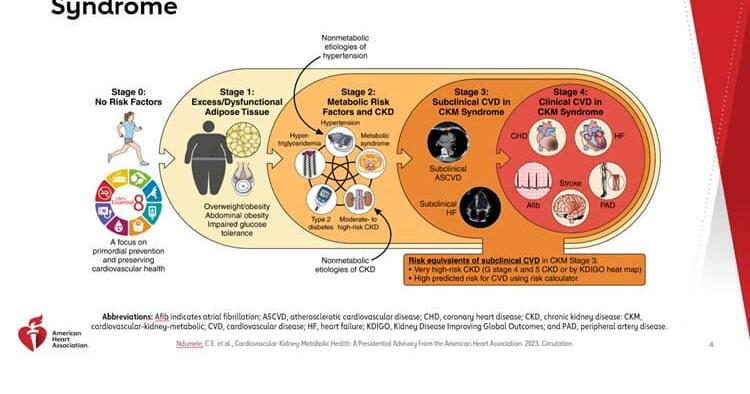
The American Heart Association has announced a new condition called Cardiovascular-Kidney-Metabolic Syndrome (CKM), which affects multiple organs in the body. CKM reflects the strong link between obesity, heart disease, diabetes, and kidney disease. There are four stages of CKM, with the highest risk for those who are obese or overweight. Prevention measures include maintaining a healthy weight, eating fresh foods, and engaging in physical activity. Medical experts aim to identify health factors impacting obesity and continue educating the public on health habits and preventative measures.
A new study reveals that 1 in 4 people who eat healthy meals tend to undermine their efforts by consuming unhealthy snacks, such as ultraprocessed and sugary treats. The research emphasizes the importance of swapping unhealthy snacks for healthier options like fruit and nuts, as snacks account for nearly a quarter of our daily calorie intake. Snacking on highly processed foods and sugary treats can lead to increased hunger and negative health outcomes, including higher BMI, visceral fat mass, and triglyceride concentrations associated with metabolic diseases. The study also highlights the significance of snack timing, with late-night snacking linked to consuming calorie-dense foods high in fat and sugar. However, participants who frequently consumed high-quality snacks like nuts and fresh fruit were more likely to maintain a healthy weight. Experts recommend carrying convenient, nutritious snacks to maintain control over food choices and promote healthier snacking habits.
A new study from McGill University has found that there are differences between male and female genes and how they relate to depression. Researchers identified 11 areas of DNA that were linked to depression in women and one in males. They also found depression was associated with metabolic disease in women, providing an important new aspect to consider when treating depressive symptoms. Despite the biological processes involved in depression being similar in males and females, researchers found that different genes were involved for each sex. This information can be useful to identify future sex-specific treatments for depression.