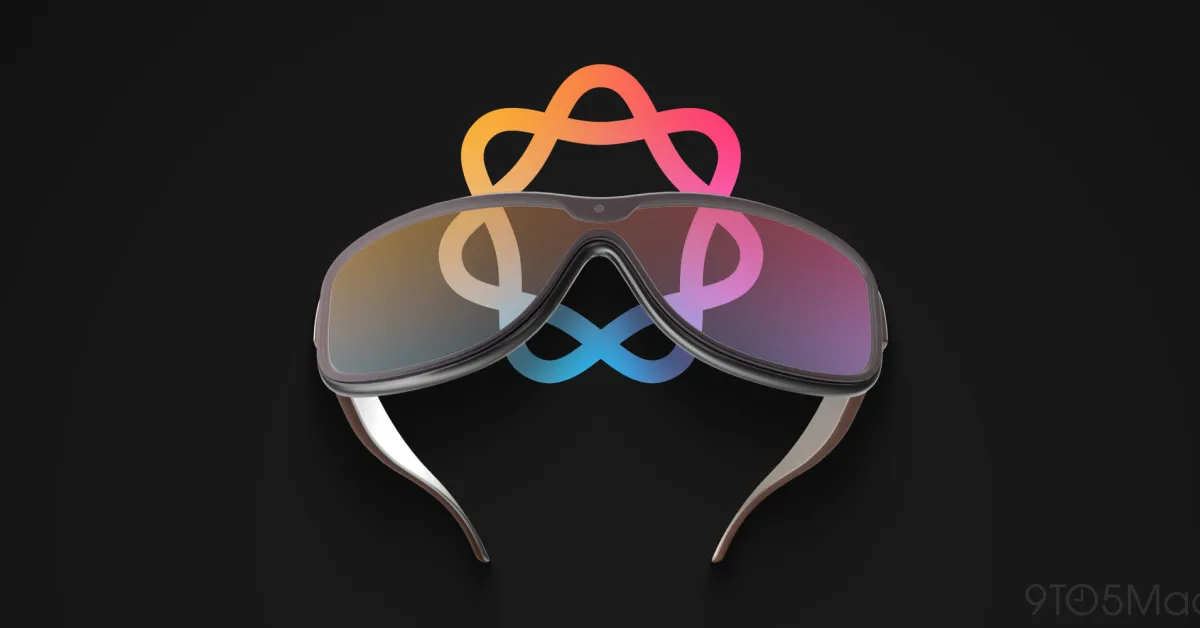
Apple is prioritizing the development of Apple Glasses, which are expected to run a version of visionOS that can unlock full functionality when paired with a Mac, indicating a strategic move towards spatial computing and AR technology. This approach suggests that the glasses will offer AI features, cameras, and seamless integration with Macs, making them a potentially revolutionary wearable device.
Apple is expanding visionOS support on the Vision Pro to include native compatibility with PlayStation, Xbox, and spatial controllers, enhancing gaming capabilities and system awareness, with potential announcements at WWDC or later this year.
Apple is gearing up for WWDC 2025 with a new 'Sleek peek' teaser, hinting at a fresh glass-like design for its upcoming operating systems including iOS 26, macOS 26 (named Tahoe), tvOS 26, and watchOS 26, all inspired by visionOS. The event will be streamed across multiple platforms, and Apple has also shared a promotional animation featuring a glass-like logo and new branding details. Rumors also suggest updates to the iPhone 17 lineup and a shift in naming conventions for Apple OS versions.
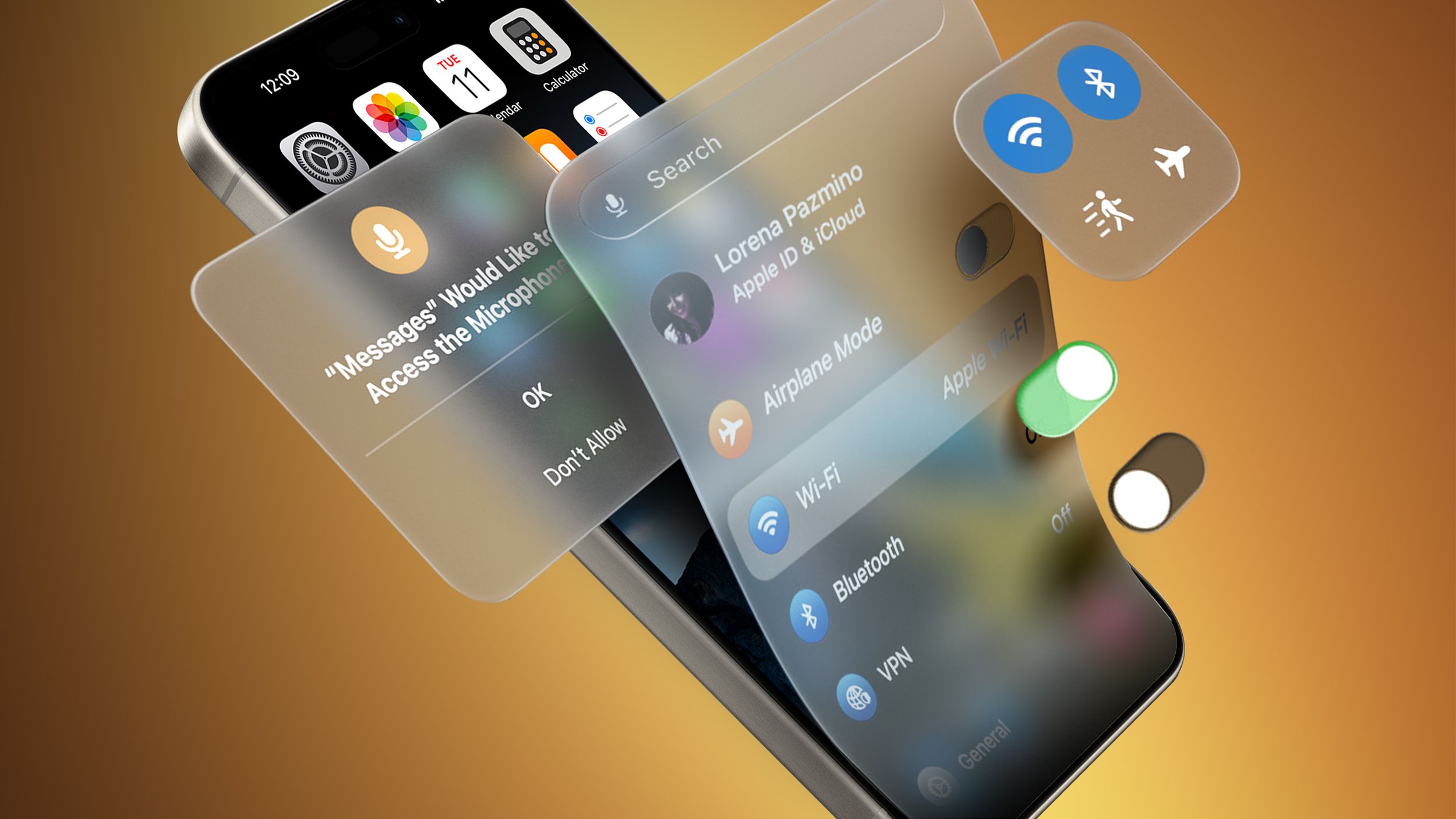
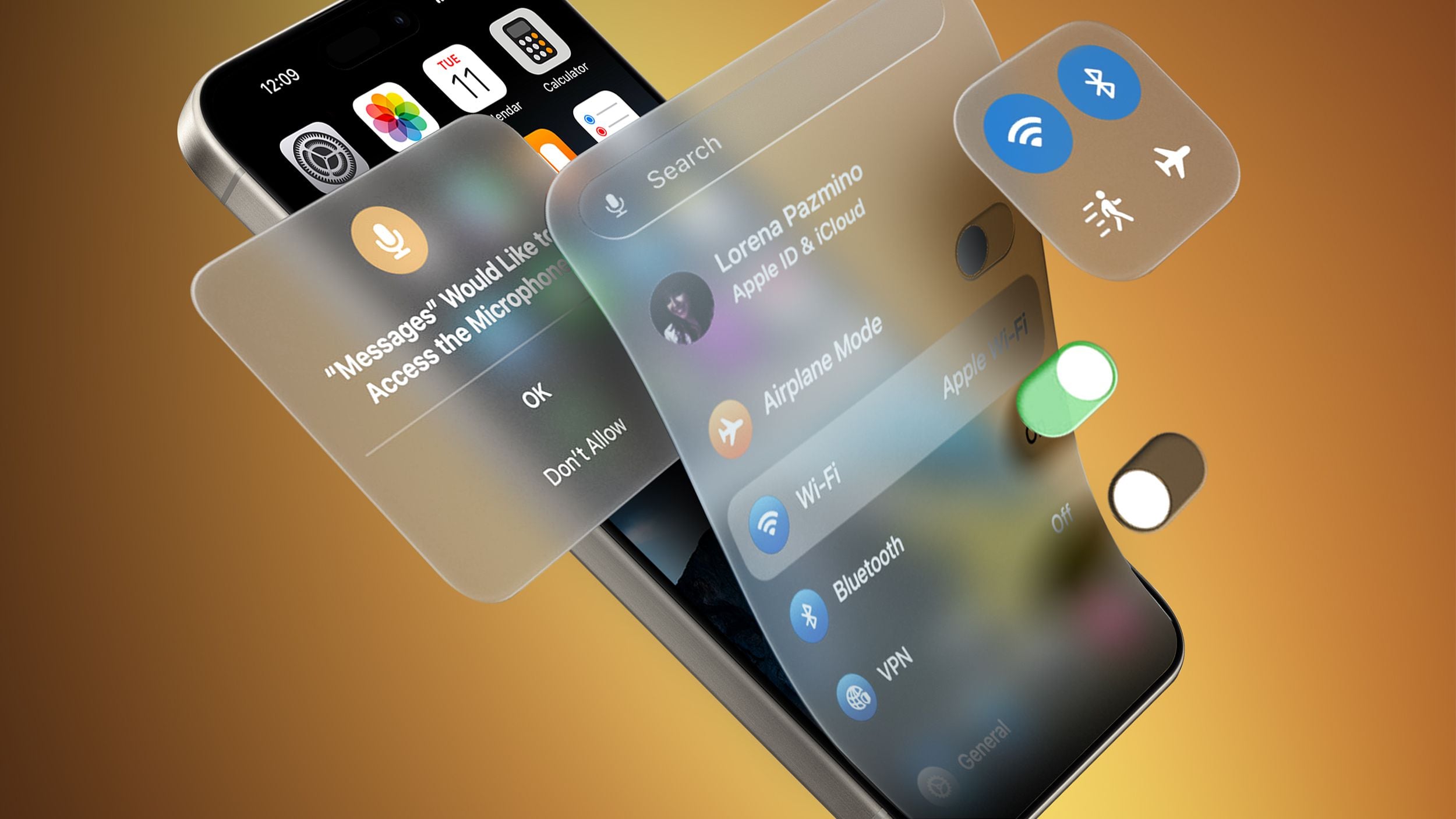
Apple is planning a major visual overhaul for iOS 26, inspired by visionOS, featuring translucent interfaces, floating menus, rounded and glassy UI elements, subtle lighting effects, and a simplified design to create a more immersive and cohesive user experience across its platforms, to be unveiled at WWDC 2025.
Apple is set to unveil a major UI redesign called 'Solarium' for all its operating systems at WWDC 2025, featuring a more modern look with translucent backgrounds and circular icons, heavily inspired by visionOS, aiming for consistency across devices. The event will focus on design changes rather than AI advancements, amidst ongoing legal and tariff challenges.
Apple is rumored to be extending its iOS 19 design updates to Apple TV and Apple Watch, inspired by visionOS for the Vision Pro headset, aiming for a more consistent and translucent appearance across its operating systems, with official announcements expected at WWDC 2025.
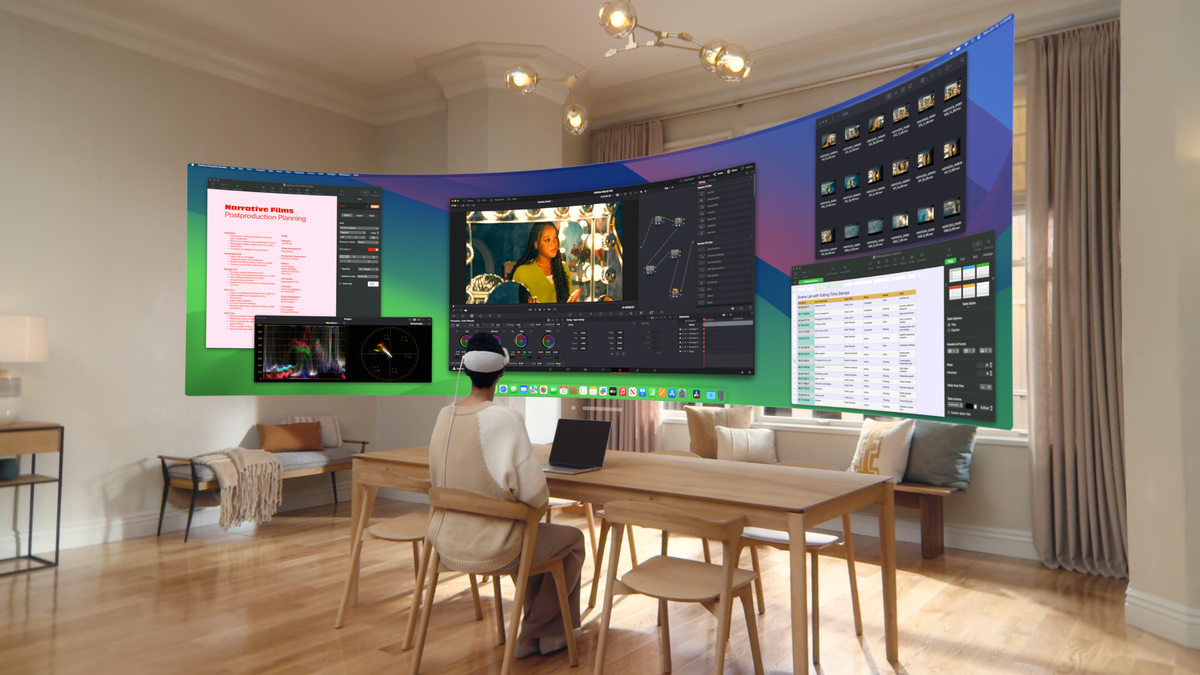
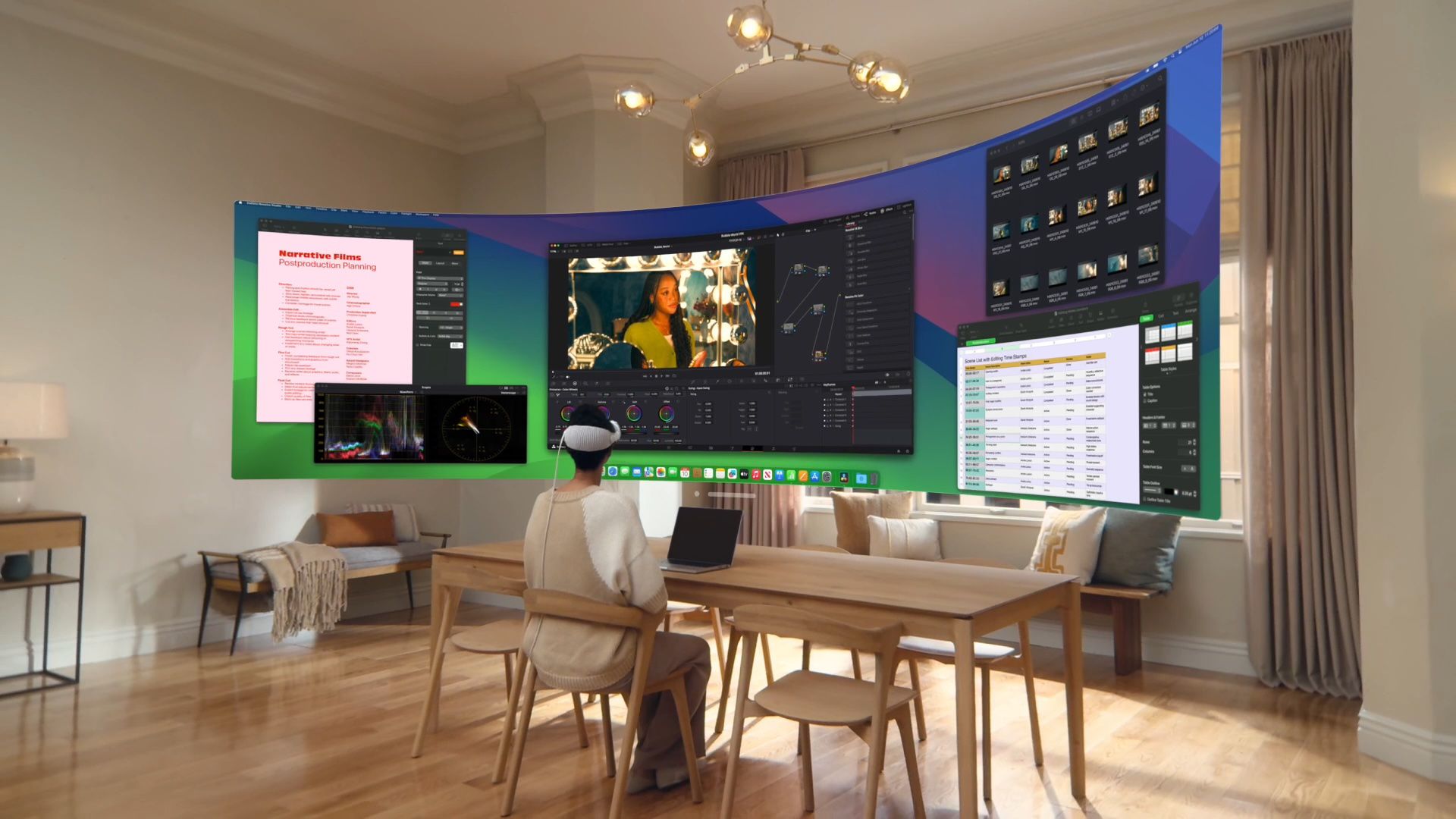
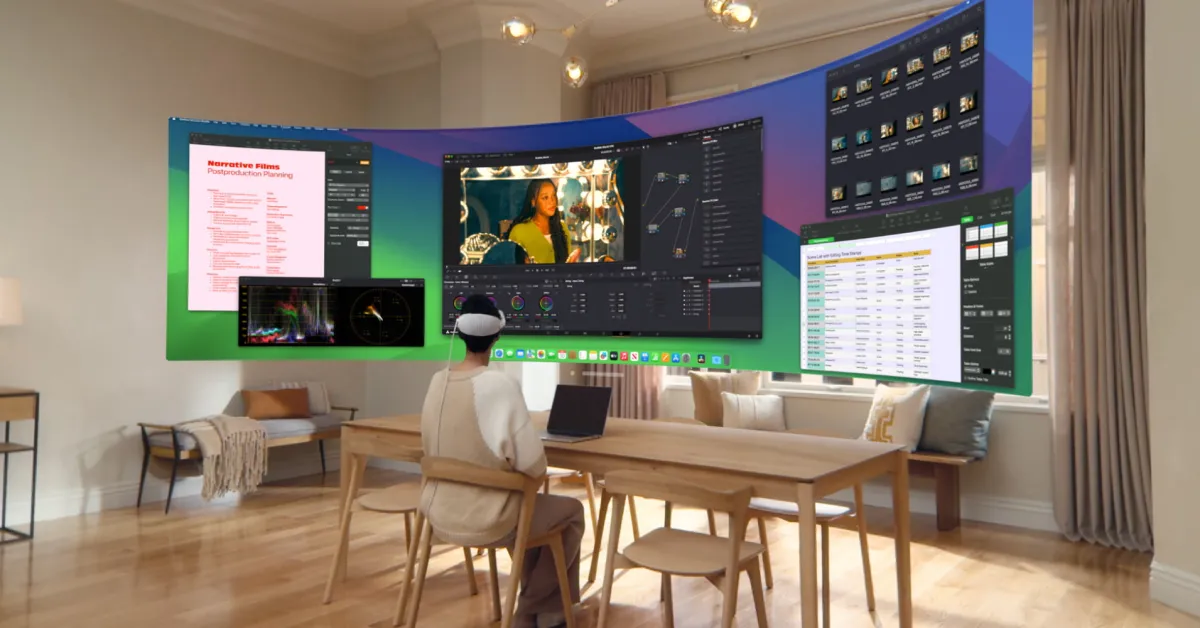
The Apple Vision Pro's new ultra-wide screen virtual display feature in VisionOS 2.2 is a potential game-changer for productivity, offering a compelling reason to justify its $3,500 price tag. While the headset's weight and limited virtual environments remain drawbacks, the ability to use a large virtual display anywhere could benefit professionals who rely on extensive screen real estate. Despite some technical challenges, this feature positions the Vision Pro as a valuable tool for certain users, transforming it from a novelty to a productivity workhorse.
Apple's visionOS 2.2 Beta introduces Wide and Ultrawide modes for Mac Virtual Display, requiring macOS 15.2 Beta. These new modes allow users to expand their virtual display to a panoramic Ultrawide experience with 8K horizontal resolution, utilizing eye-tracking technology for optimal resolution. The update also routes Mac audio to the Vision Pro headset. Users can access the beta by signing in to the Apple Developer Center and enabling beta updates, though they should be prepared for potential bugs and instability.
Apple has released the first beta of visionOS 2.2, introducing "Wide" and "Ultrawide" modes to the Mac Virtual Display feature for the Vision Pro headset. This update allows the headset to function as an external display with options equivalent to having two 4K displays side by side. The public release of visionOS 2.2 is expected in December, alongside other Apple software updates.
Apple has released the first developer betas for visionOS 2.2, tvOS 18.2, and watchOS 11.2, offering a preview of new features expected to launch publicly in December. These updates are anticipated to include enhancements like Vision Pro's upgraded Mac Virtual Display feature and new screensavers for tvOS. The betas are available to users with a developer account, and more features are expected to be discovered as testing continues.
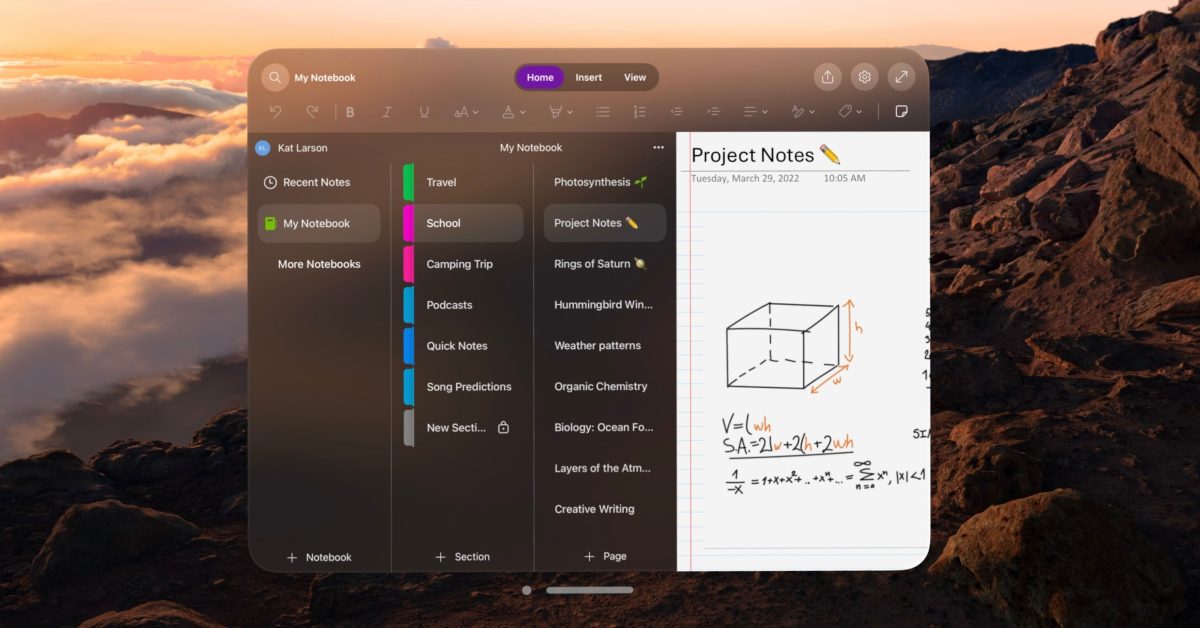
Microsoft has released a native OneNote app for Apple Vision Pro, utilizing the infinite canvas of spatial computing and offering features similar to the iPad version. The app is optimized for Vision Pro hardware, supporting hands-free use and Bluetooth pairing with a keyboard and trackpad. Microsoft has been actively providing visionOS apps, and the OneNote app is now available on the visionOS App Store.
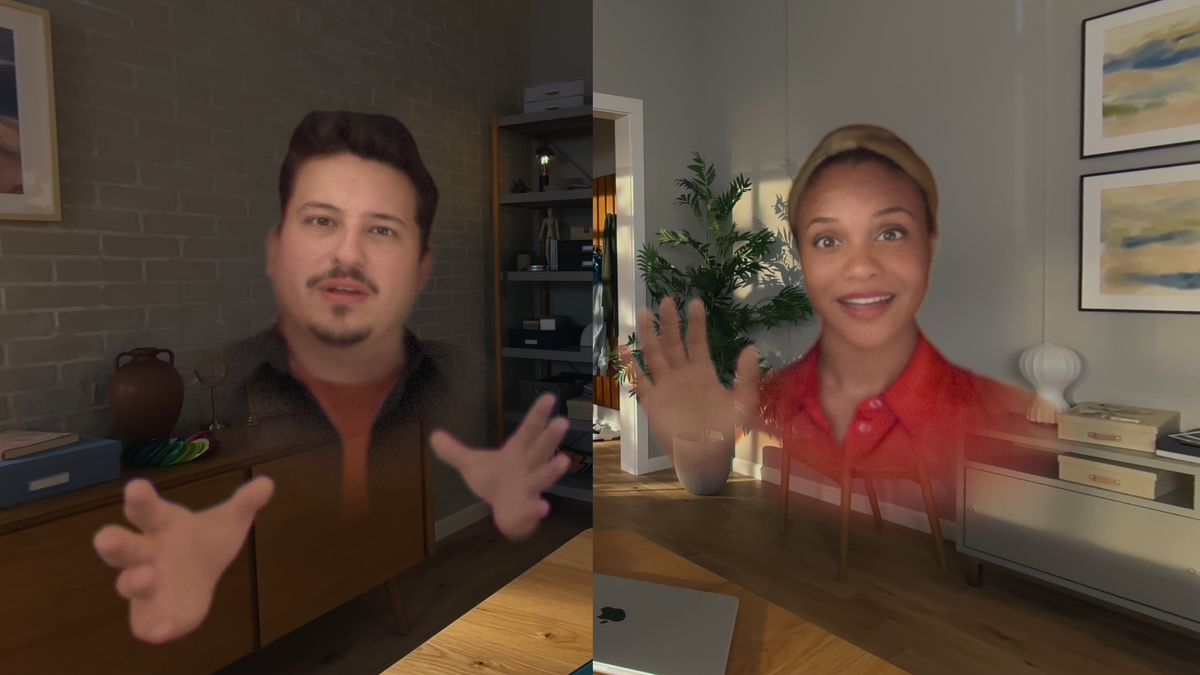
Apple's Vision Pro now offers 3D 'Spatial Personas', which are realistic virtual avatars driven by the headset's tracking sensors and appear in shared spatial context, allowing users to interact in a more immersive way. Developers can utilize three positioning templates for Spatial Personas, and apps like Apple TV+ and Freeform support this feature for shared experiences. The update is included in visionOS 1.1 and can be activated by selecting 'Spatial' during a FaceTime call.
An alleged iOS 18 design resource suggests a visionOS-inspired redesign, with translucent elements and glass-like buttons, consistent with previous rumors. While the authenticity of the image is uncertain, reports from The Verifier and Bloomberg's Mark Gurman indicate that iOS 18 may feature a significant redesign, potentially previewed at WWDC in June and released in September alongside the iPhone 16 lineup. Apple's annual developers conference WWDC is expected to provide more details about the upcoming software update.
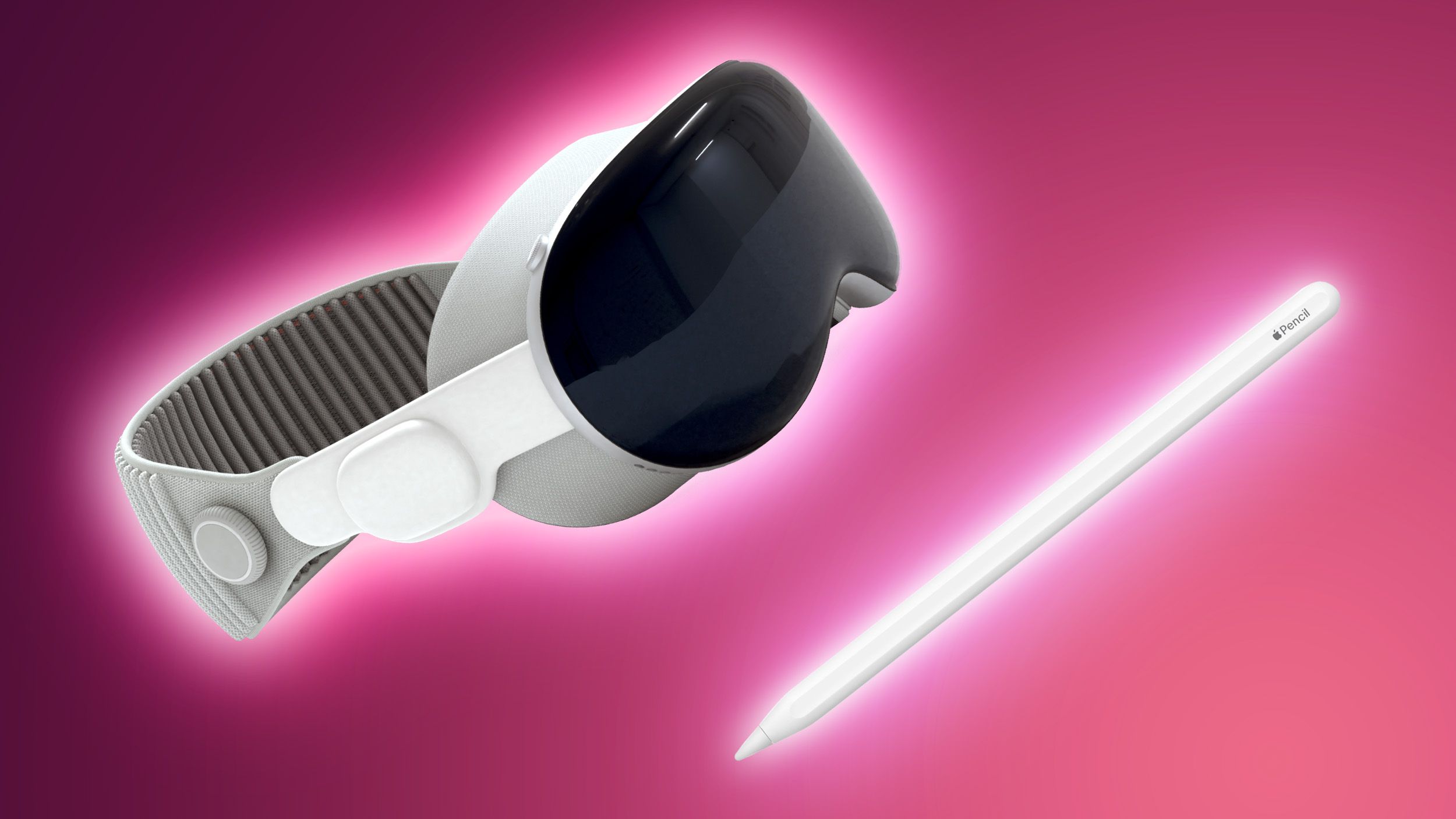
Apple is reportedly testing a new version of the Apple Pencil with visionOS support, potentially allowing it to work with the Vision Pro headset. This could enable users to draw on flat surfaces and see their creations in the open visionOS app. The new Apple Pencil may launch alongside new iPad models in April, but it's uncertain if it will support visionOS. Additionally, iOS 18 is expected to offer greater control over Home Screen app icon arrangement.
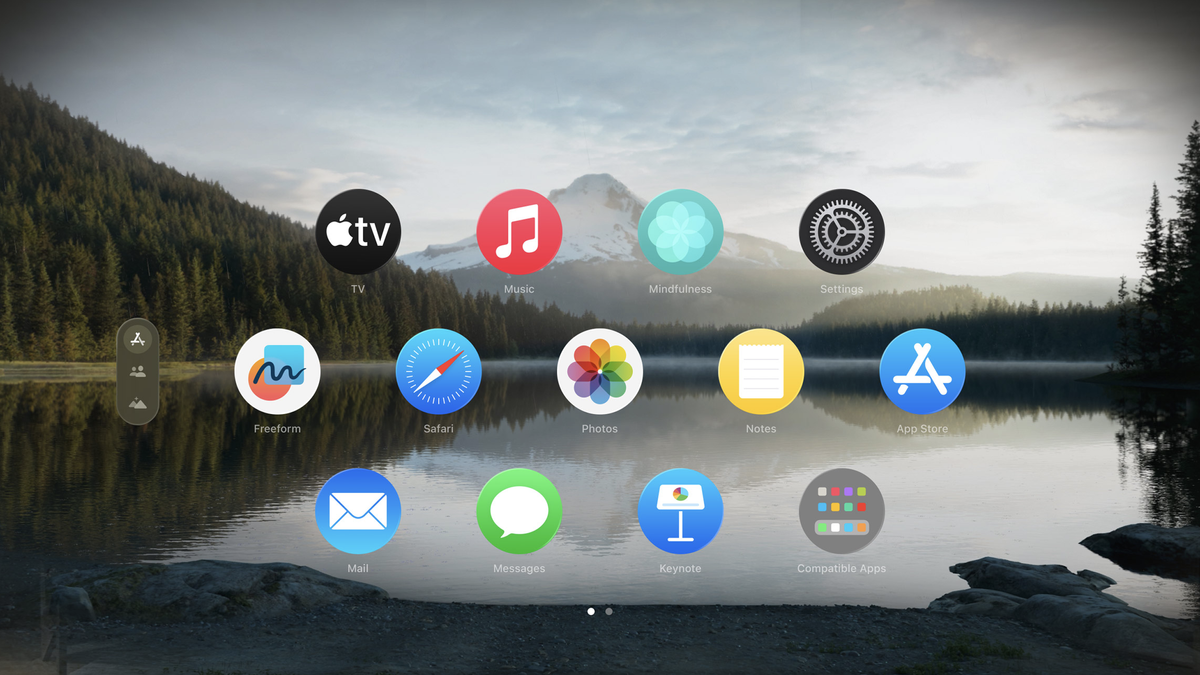
Apple has launched a web-based version of the Vision Pro app store, making it easier for users to browse and select apps for their spatial computer. The web-based store offers categories for new releases, popular weekly releases, and genre/type groupings, as well as editorial 'Stories' and "Vision Pro Picks". This move aims to simplify the process of finding and purchasing apps for the Vision Pro, aligning with Apple's App Store curation across its platforms.