Google has announced new fees for app developers linking outside its Play Store, charging $2–4 per install and taking a cut of in-app purchases, as part of compliance with a court order to open Android to third-party app stores. The company has yet to implement these fees but plans to do so, raising questions about legal and antitrust implications, especially in light of ongoing court cases and potential settlements. Developers and legal observers are watching closely to see how Judge Donato will respond to these changes.
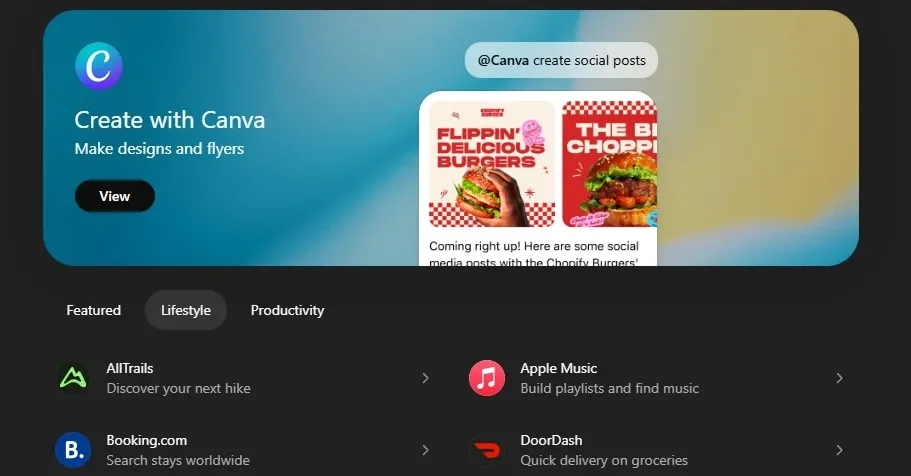
OpenAI has launched an App Directory for ChatGPT, allowing users to browse and integrate various tools and apps directly within the chatbot, including new features like an app store, renamed connectors, and integrations with services like Spotify, Zillow, Apple Music, and DoorDash, aiming to enhance functionality and explore monetization options.
Apple is expanding its advertising in the App Store by adding more ad placements in search results, which will appear further down the page starting in 2026, aiming to increase opportunities for app promotion without requiring campaign changes.
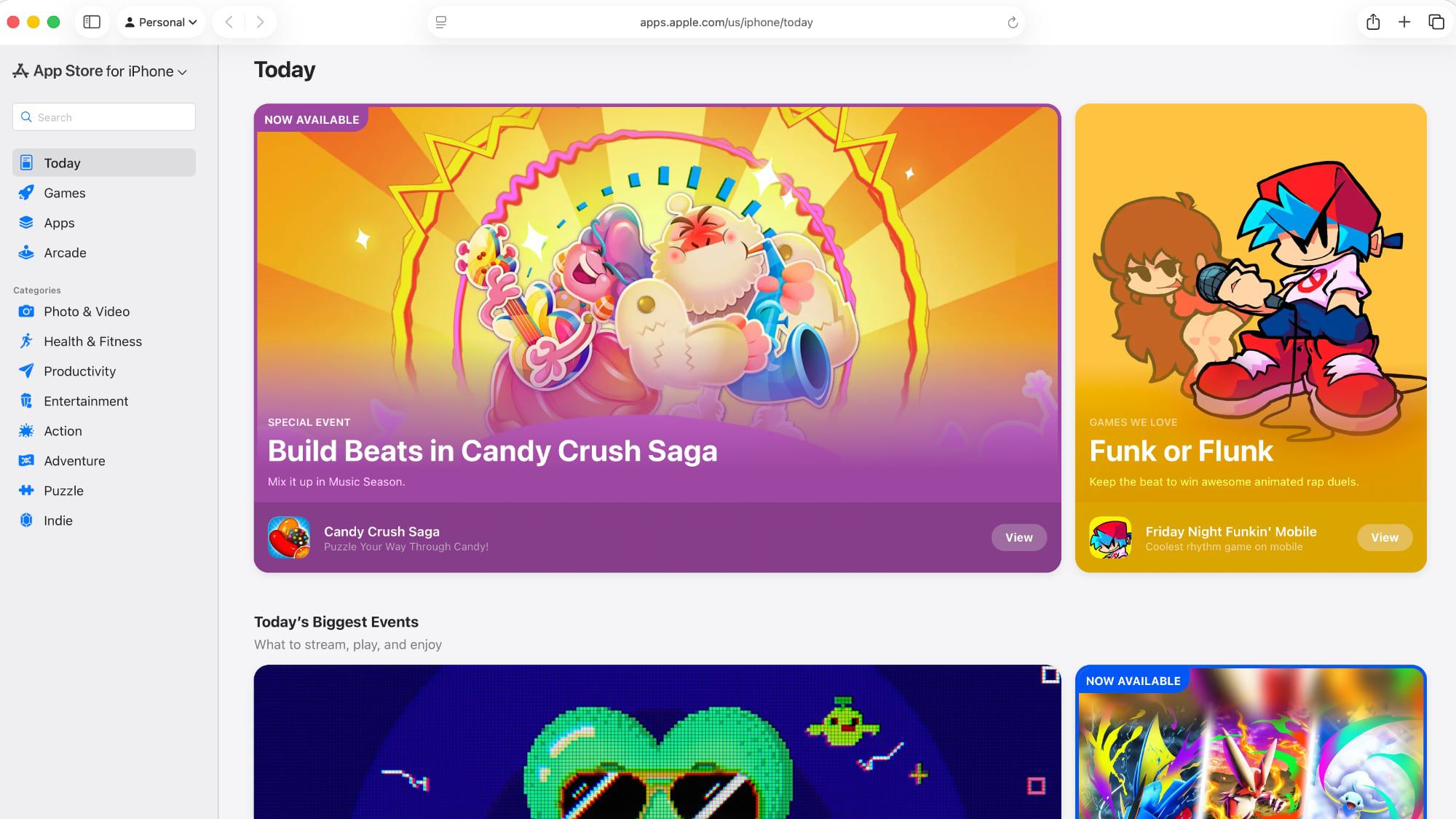
Apple has finally launched a browser-based version of its App Store in 2025, allowing users to browse and search for apps online, although purchases still redirect to the device's native App Store. This long-awaited development offers a new way to explore apps across different Apple platforms via a web interface, despite questions about its practical use.
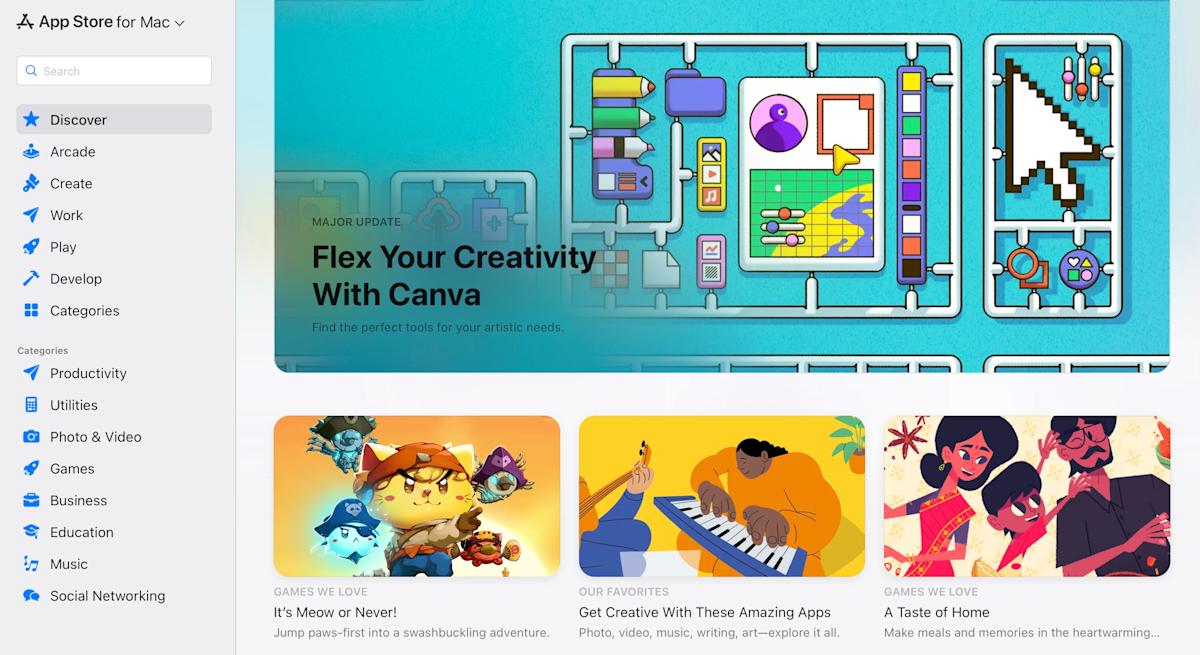
Apple has launched a new App Store for the web, expanding its digital distribution platform beyond traditional app stores, allowing users to access and install apps via web browsers.
Apple has returned to court to challenge Judge Rogers' injunctions related to its App Store rules, as part of the ongoing legal dispute with Epic Games over Fortnite and payment policies, seeking to overturn or modify previous rulings that require Apple to allow alternative payment methods without a 27% commission.
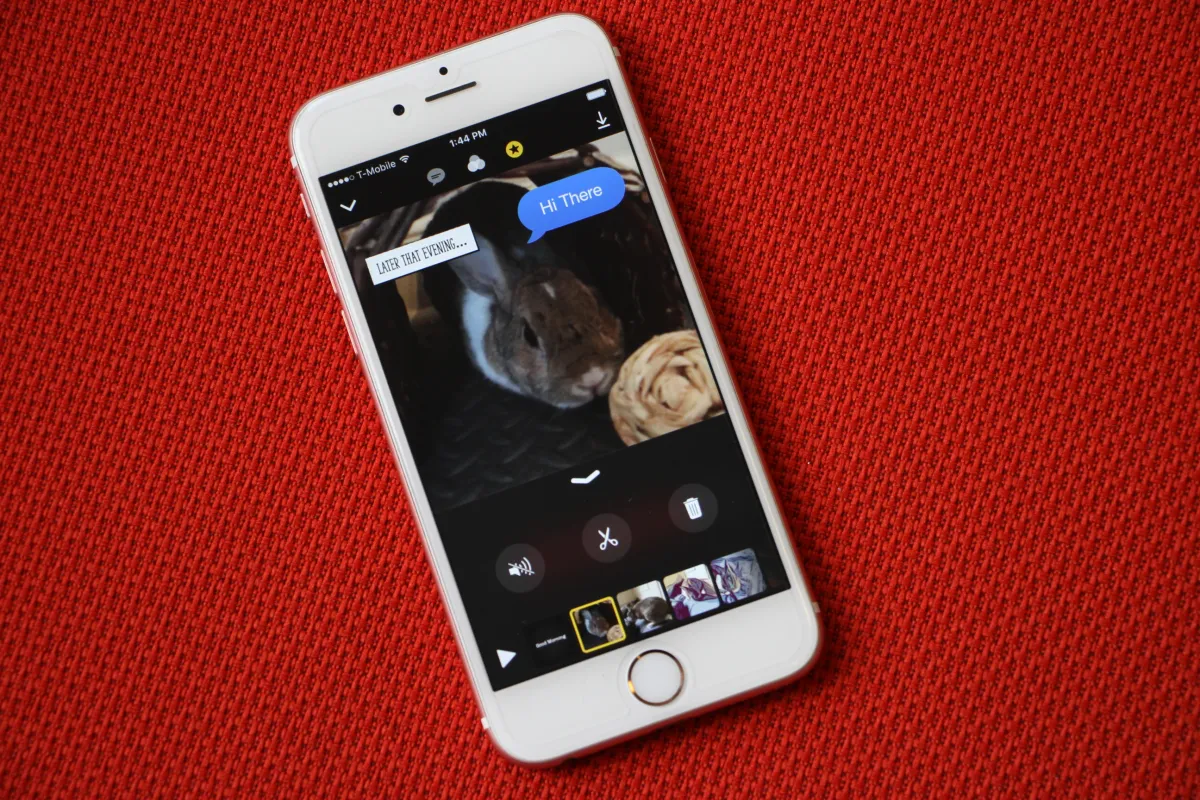
Apple is discontinuing support for the Clips app, removing it from the App Store and no longer providing updates, encouraging existing users to save their videos and switch to other apps for editing, as the app, launched in 2017 as a social media-like video tool, becomes outdated amidst newer AI-driven video apps.
Sora, an AI video-generating app, achieved nearly 627,000 downloads in its first week on iOS in the US and Canada, surpassing ChatGPT's initial week, despite being invite-only, highlighting its rapid adoption and popularity.
Starting January 1, 2026, Apple will require new iPhone users in Texas to verify their age, with users under 18 needing to join a Family Sharing group and parental consent for app downloads and in-app purchases, in compliance with Texas' age verification law. Apple is updating its APIs to support these requirements, while also expressing concerns over privacy implications. Similar laws are expected in Utah and Louisiana, and Google is preparing to support developers accordingly.
The Supreme Court denied Google's request to pause a court ruling requiring changes to its Play app store following an antitrust case filed by Epic Games, which alleges Google monopolizes app access and payments on Android. The ruling allows developers to steer users to out-of-app payment options, increasing competition. Meanwhile, India plans to introduce biometric authentication for UPI payments, enhancing security and convenience in digital transactions.
Multiple clones of OpenAI's Sora app are flooding the App Store worldwide, with some apps mimicking the official app and using OpenAI's logo, potentially misleading users into subscribing to fake versions since the official app is only available in the US and Canada.
OpenAI's Sora app for AI videos quickly became a viral hit, reaching No. 1 on the US App Store within days of launch, with 56,000 downloads on the first day and a total of 164,000 in the first two days, outperforming many other AI apps despite being invite-only and limited to US and Canada.
The US government, through the DOJ, pressured Apple to remove the ICE-tracking app ICEBlock, highlighting how government influence can control tech platforms and enforce censorship domestically, similar to practices seen in other countries.
Epic Games acknowledges Apple's improvements in reducing the steps to install third-party app stores on iOS, from 15 to 6, as a response to EU regulations, but criticizes ongoing anti-competitive policies like junk fees and discriminatory practices that violate the Digital Markets Act.
Google's AI app Gemini has become the top free app on the Apple App Store, surpassing ChatGPT, driven by the viral Nano-Banana image-generation trend that has attracted millions of users. This highlights increasing competition in the AI app market and signals strong investor confidence in Google, whose stock is rated as a strong buy with a target price of $236.85.