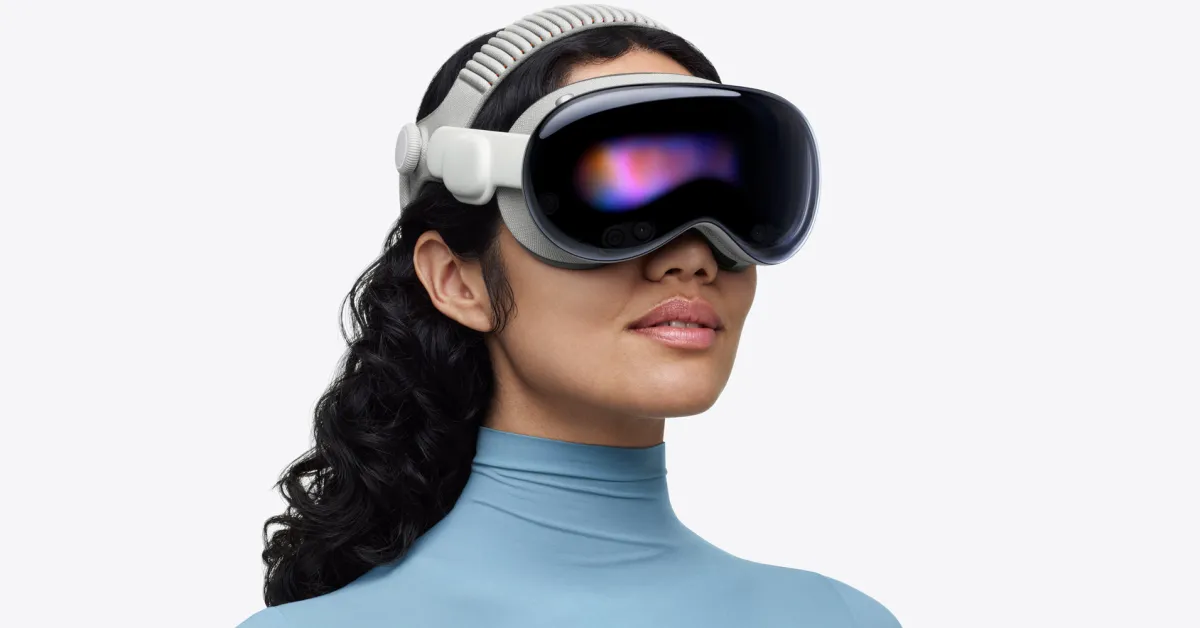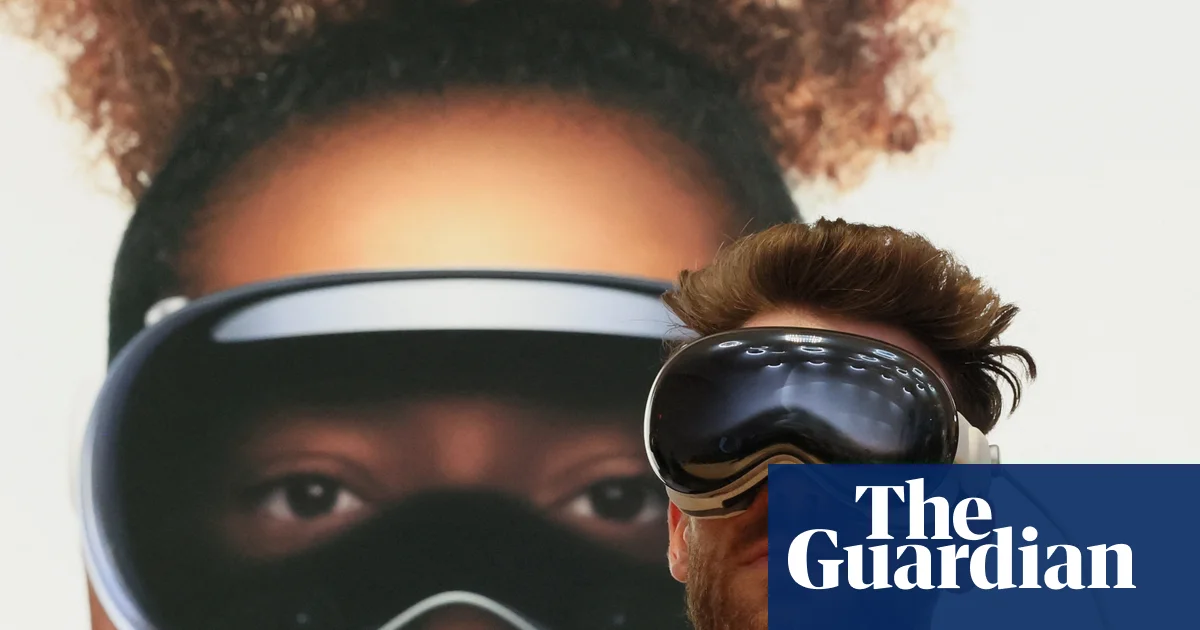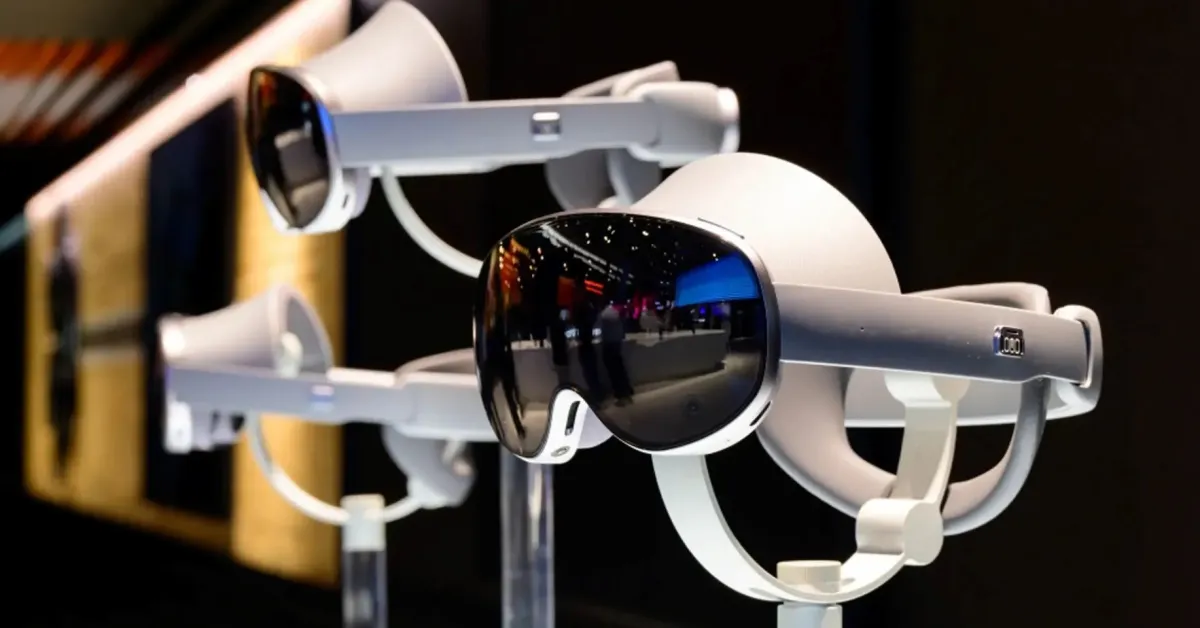
Apple's Vision Pro headset has underperformed with weak sales leading to production cuts, highlighting the company's ongoing reliance on the iPhone and challenges in developing a new blockbuster product. Despite its high valuation, Apple faces risks as it struggles to innovate beyond its core product.
A recent report suggests that the launch of the M5 Vision Pro update had minimal impact on sales, with estimates of only 45,000 units sold in Q4 2025, amid declining VR market trends and reduced marketing efforts by Apple. Despite improvements in the device's comfort, battery life, and performance, the overall sales performance remains modest, and the product has yet to become a major success.
Apple has reportedly cut production and marketing of its Vision Pro headset due to poor sales, with estimates suggesting only 45,000 units sold last quarter. The high price, limited app ecosystem, and user discomfort have contributed to its underwhelming performance, leading Apple to shift focus towards AI-enabled devices and away from virtual reality headsets.
Apple has reduced the production and marketing of its Vision Pro headset due to disappointing sales, indicating a potential reevaluation of its strategy for the product.
Next year, Apple plans to unveil over 20 new products, including Apple Glasses, which are a key step toward Tim Cook's top priority: developing true AR glasses. While the initial version may focus on Siri and AI rather than AR functionality, it will set the foundation for future AR hardware and software, with a full AR glasses launch possibly happening in 2026 or 2027.
A leak of early iOS 26 software reveals numerous upcoming Apple features across devices, including new AirTag and AirPods functionalities, software enhancements like Live Captions and Siri improvements, and future hardware updates such as the Vision Pro and foldable iPhone, with release timelines spanning 2025 to 2027.
Apple's Vision Pro with the new M5 chip is an improved but still somewhat isolating VR headset, offering better comfort, faster display refresh, and enhanced visuals, yet it remains expensive and feels lonely to use, highlighting the need for more social and content options to justify its adoption.
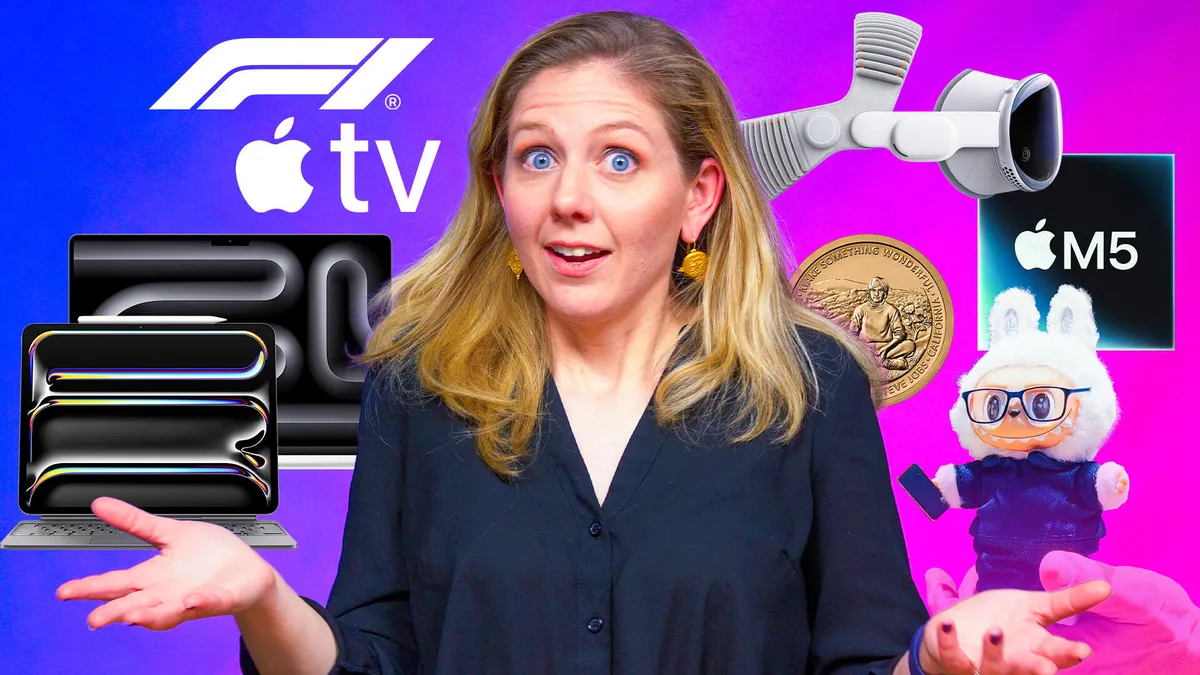
Apple is experiencing a notably successful October with rapid product updates, new deals like streaming Formula 1 on Apple TV, and popular new releases such as the iPhone Air in China, all while dodging some negative headlines. The company continues to innovate with faster chips, new accessories, and strategic partnerships, maintaining its positive momentum in the tech world.
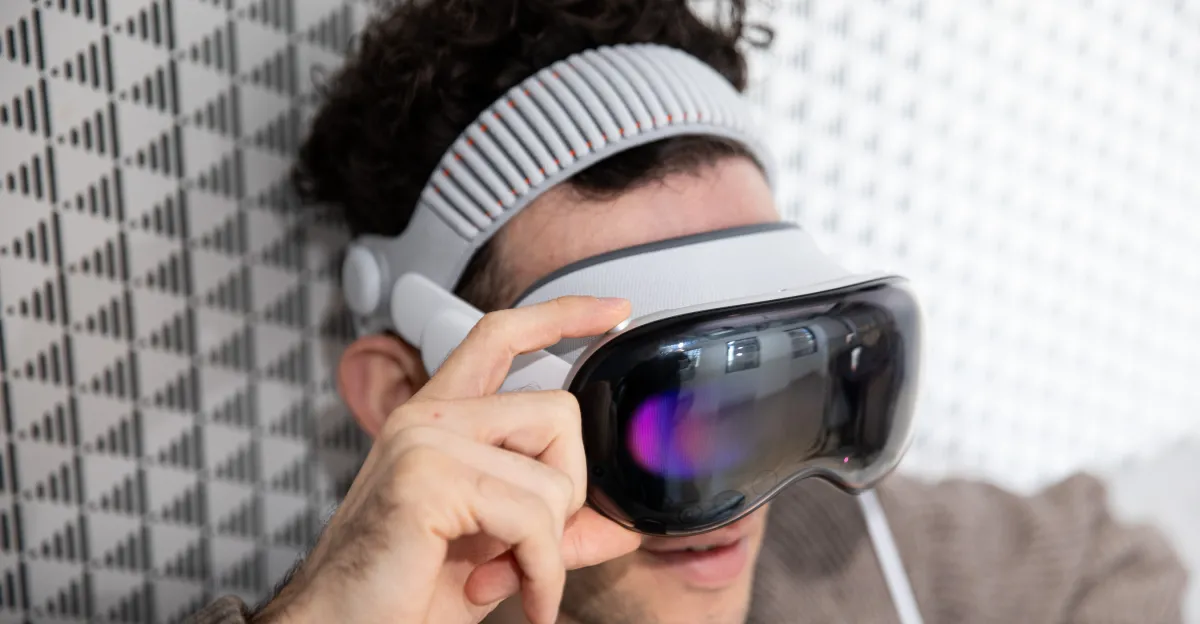
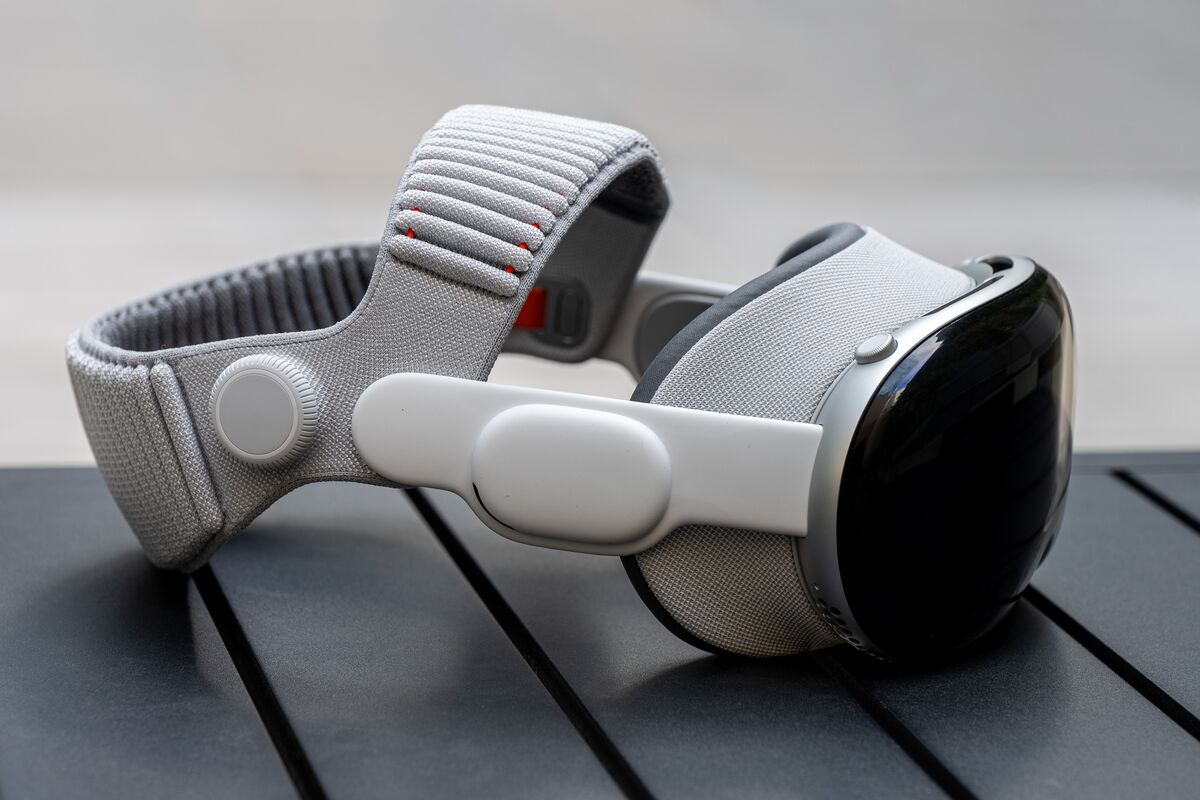
Apple's new Vision Pro version with an M5 chip addresses comfort issues by introducing the Dual Knit Band, which offers better fit and reduced pressure, but the high price and limited content remain barriers to wider adoption. Existing users can upgrade the strap for $99, improving comfort and eye-tracking accuracy, though it doesn't significantly boost sales due to the product's high cost and limited appeal.
Samsung is set to unveil its Vision Pro competitor, Project Moohan, which features advanced AI capabilities like multimodal Gemini, offering a significant upgrade over Apple’s Vision Pro. Key details such as the device's final name, features, release date, and price are still unknown, but the launch promises to introduce a competitive AR headset with innovative AI integration that could influence the market.
Apple's latest M5 products feature a new chip but lack other major updates, as the company prepares to launch a touch-screen MacBook Pro and faces ongoing AI division challenges, while also shifting focus from the Vision Air headset to smart glasses.
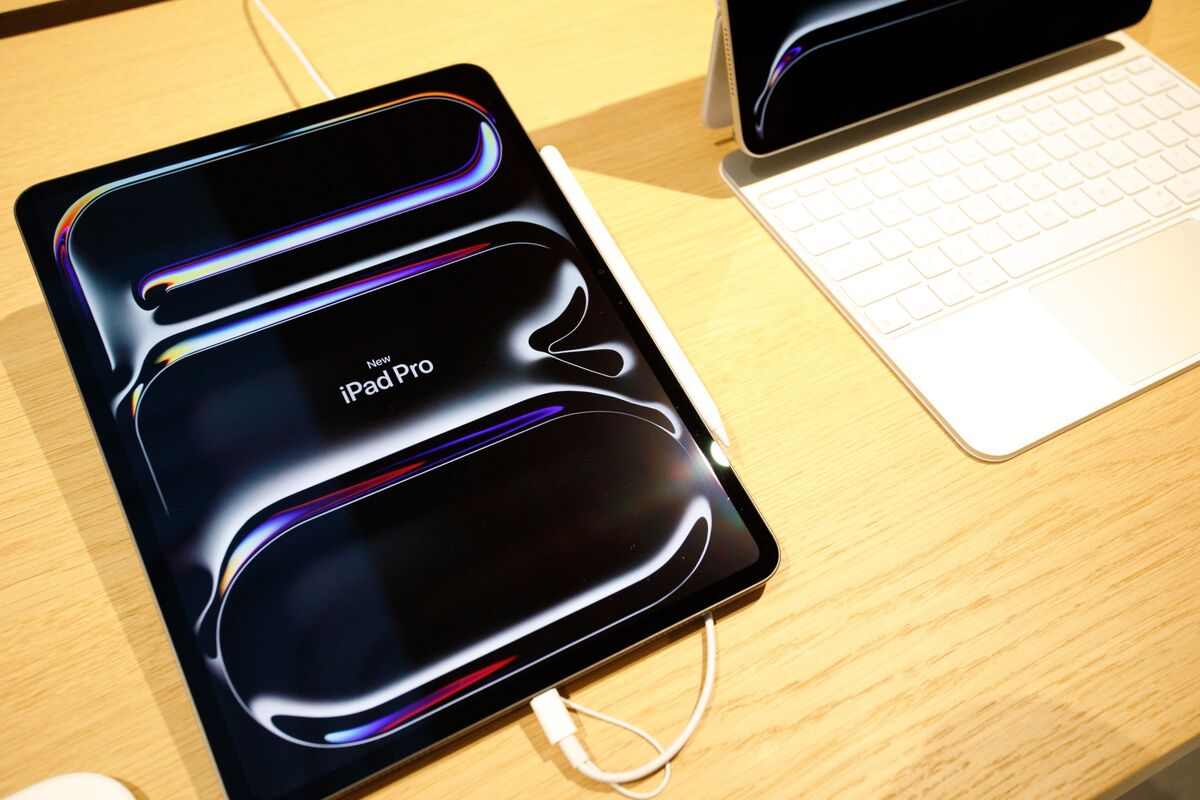
Apple has launched updated versions of the iPad Pro, Vision Pro, and MacBook Pro featuring the new M5 chip, offering improved performance and AI capabilities, with prices remaining the same. The products are available for pre-order and will be in stores from October 22, aiming to boost demand ahead of the holiday season.
Apple is set to announce new products including updated iPad Pro, Vision Pro, and base 14-inch MacBook Pro with the next-generation M5 chip, likely through press releases rather than a traditional event, with minor design changes and performance upgrades expected.