Bloomberg and analyst Ming-Chi Kuo say Apple is developing AirPods with cameras to boost AI and spatial computing, using low-resolution/infrared cameras to aid AI rather than take photos, with potential mass production by 2026 and possible launch as early as next year, alongside other AI wearables like smart glasses and an AI pin.
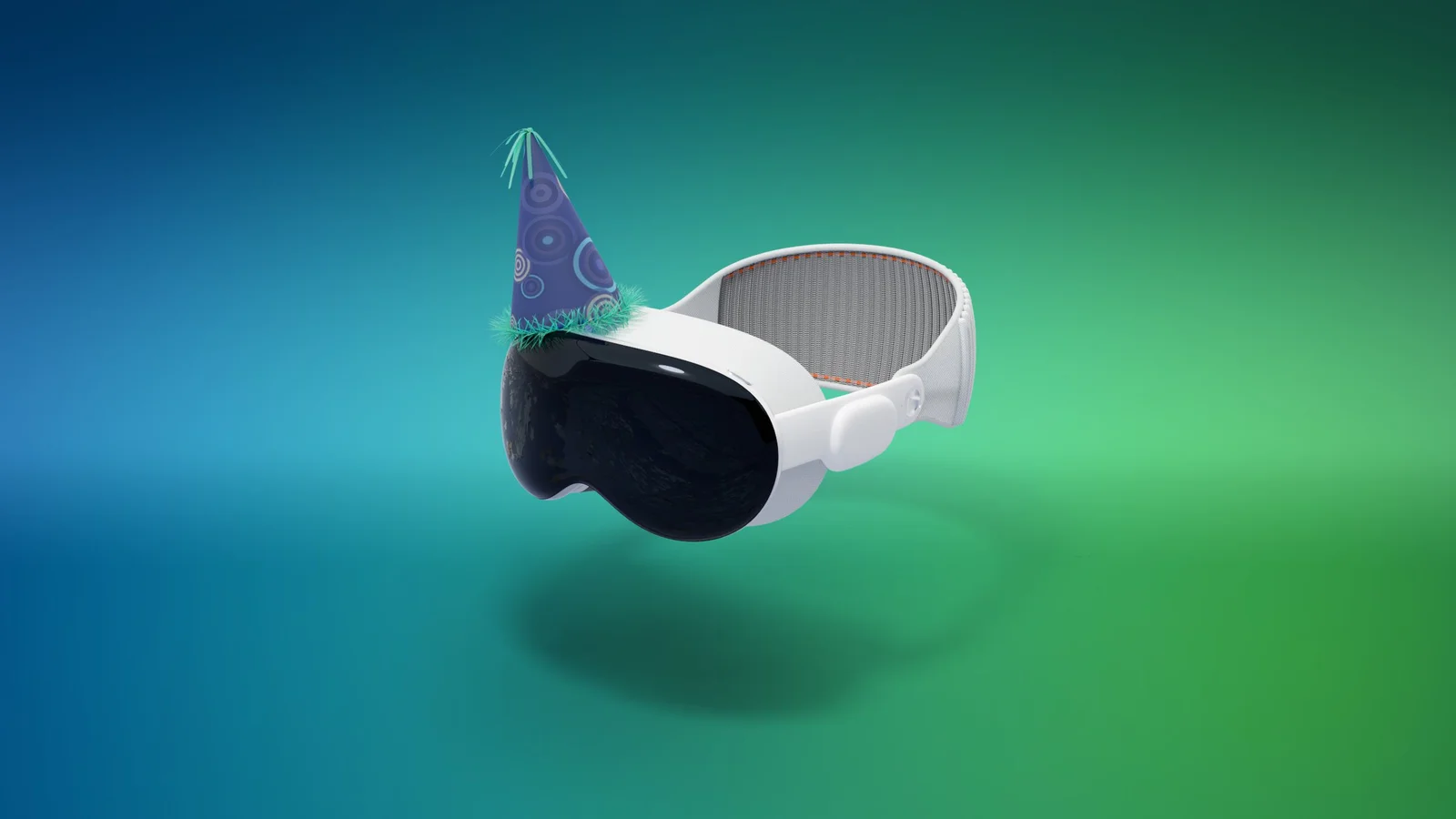
Two years after Vision Pro’s US launch on Feb 2, 2024, the headset has earned praise for visual quality and tracking but faced criticism over price and battery life. Apple released an M5-based update with up to 120 Hz and longer battery life, yet demand remained weak. Several reports have since indicated Apple paused plans for a redesigned Vision Pro and a cheaper Vision Air, winding down first-generation production and shifting resources toward smart glasses, with no active next-generation headset in development.
Samsung and Google have unveiled the Galaxy XR, a $1,799 mixed reality headset running on Android XR with Google's advanced AI Gemini, aiming to transform how users navigate 3D space, access apps, and integrate AI into daily activities, signaling a new era of immersive, AI-driven computing.
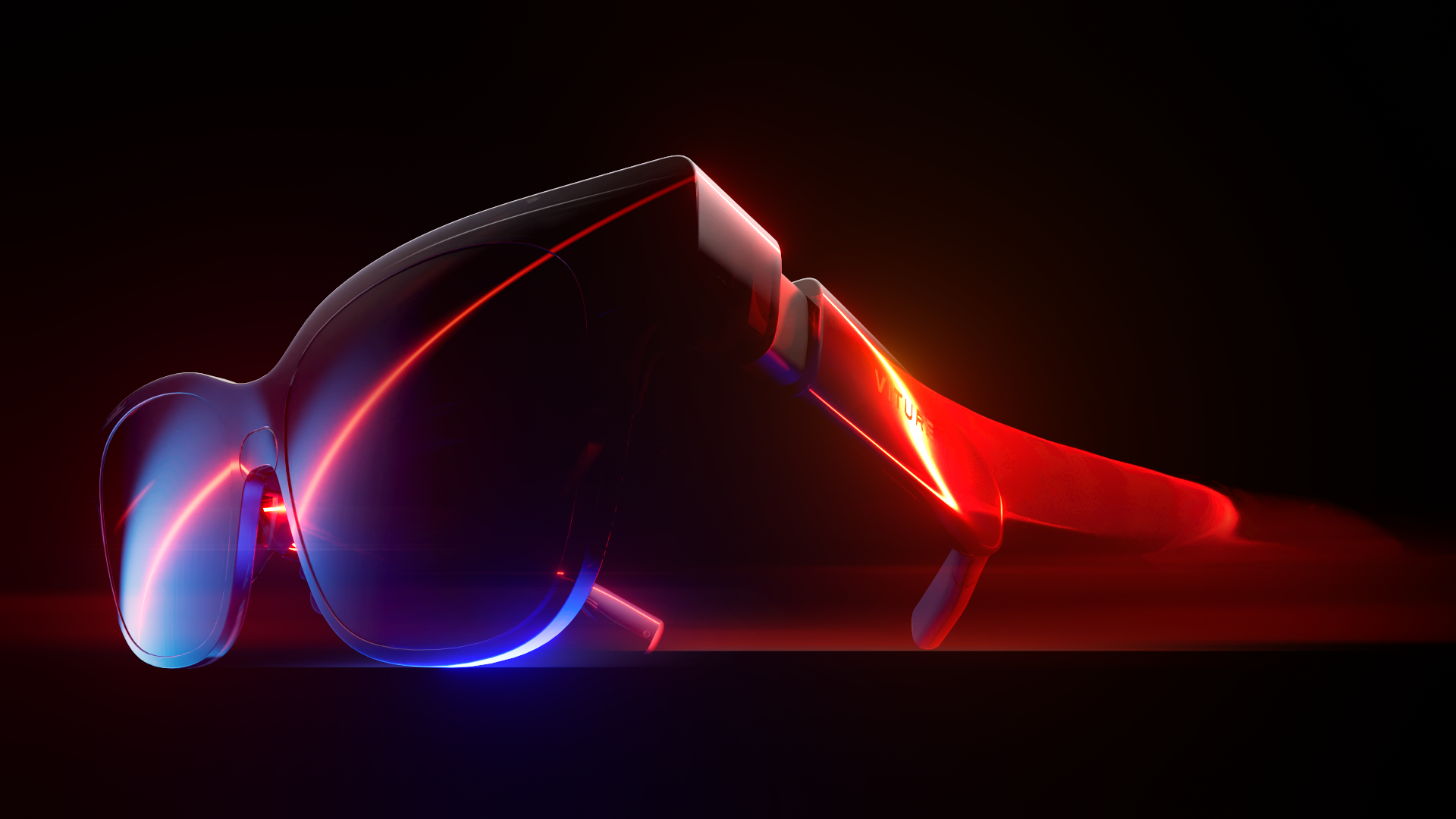
Viture is teasing next-generation XR glasses that will feature Sony's latest Micro-OLED panels, offering sharper visuals and a wider field of view, along with 6DoF for more realistic movement in virtual environments. The new glasses will come in multiple styles, include a camera, and aim to enhance spatial computing, potentially supporting Android XR and unique apps, with more details to be revealed soon.
Xreal has announced its new AR glasses, the Xreal One and Xreal One Pro, which feature 3DoF spatial computing, allowing users to anchor large virtual displays in 3D space. These glasses offer improved field of view, brightness, and audio quality with Sound by Bose, and include a detachable camera for AI capabilities. The Xreal One series aims to enhance user comfort and visibility, competing with Meta's AR developments. The Xreal One is priced at $499 and ships in December, while the Pro model costs $599 and ships in early 2025.
Apple has postponed the release of a more affordable version of its Apple Vision headset, initially planned for 2025, to beyond 2027, according to analyst Ming-Chi Kuo. The cheaper headset was expected to feature lower-cost materials and reduced specifications to make spatial computing more accessible. Despite this delay, Apple is still set to release a new version of the Apple Vision Pro next year, featuring the M5 chip and Apple Intelligence support. Kuo suggests that Apple is cautious about the market potential of a $2000 headset, drawing parallels to the limited success of the HomePod mini.
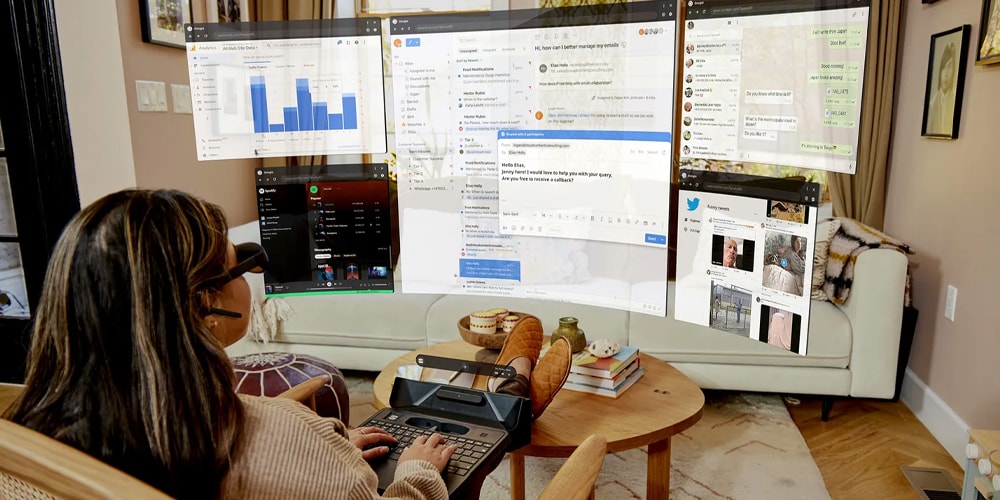
Tech startup Sightful has introduced the Spacetop G1, a screenless laptop designed for the spatial computing era, which pairs with custom AR glasses by Xreal to offer a 100-inch virtual display. The device, running on SpaceOS, aims to provide a more comfortable and portable alternative to traditional headsets like Apple's Vision Pro. Priced at $1,900, the Spacetop G1 features an 8-hour battery life and a 70% faster processing chip, with the first units shipping in October 2024.
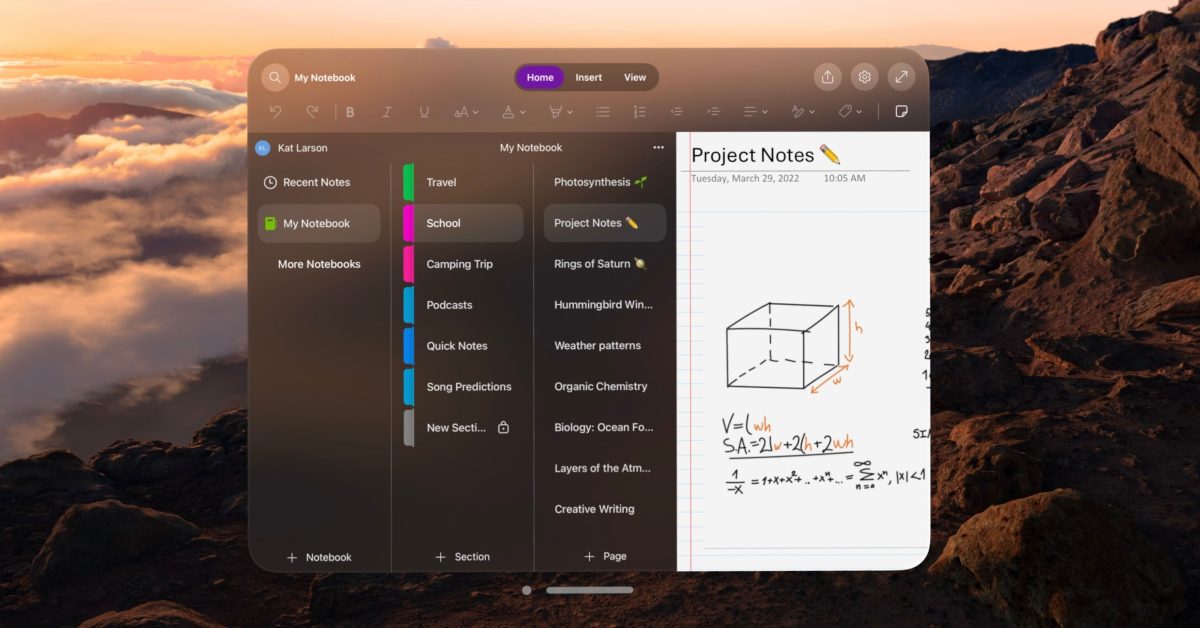
Microsoft has released a native OneNote app for Apple Vision Pro, utilizing the infinite canvas of spatial computing and offering features similar to the iPad version. The app is optimized for Vision Pro hardware, supporting hands-free use and Bluetooth pairing with a keyboard and trackpad. Microsoft has been actively providing visionOS apps, and the OneNote app is now available on the visionOS App Store.
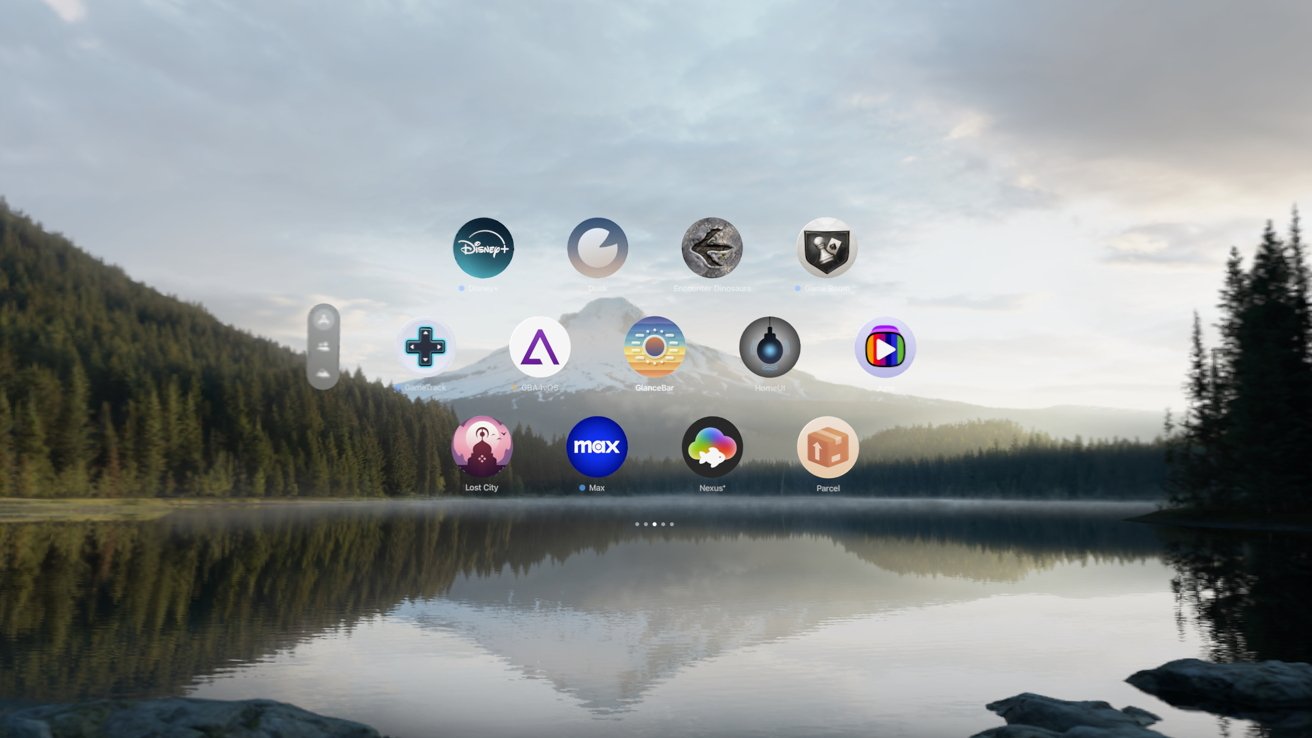
Several third-party apps have emerged as must-have options for Apple Vision Pro, including Widgetsmith for customization, GlanceBar for glanceable information, Bezel for screen mirroring, HomeUI for smart home control, and PCalc for a versatile calculator. Additionally, apps like Supercut, Callsheet, Juno, Play, and Television enhance the video viewing experience, while games like Castaway, Game Room, Alto's Odyssey, and Synth Riders offer entertainment options. Social media apps like Dusk and Ice Cubes are also improving the platform's options, with the anticipation of more critical and fun apps with the global launch of Apple Vision Pro and the upcoming WWDC 2024 announcement of visionOS 2.0.
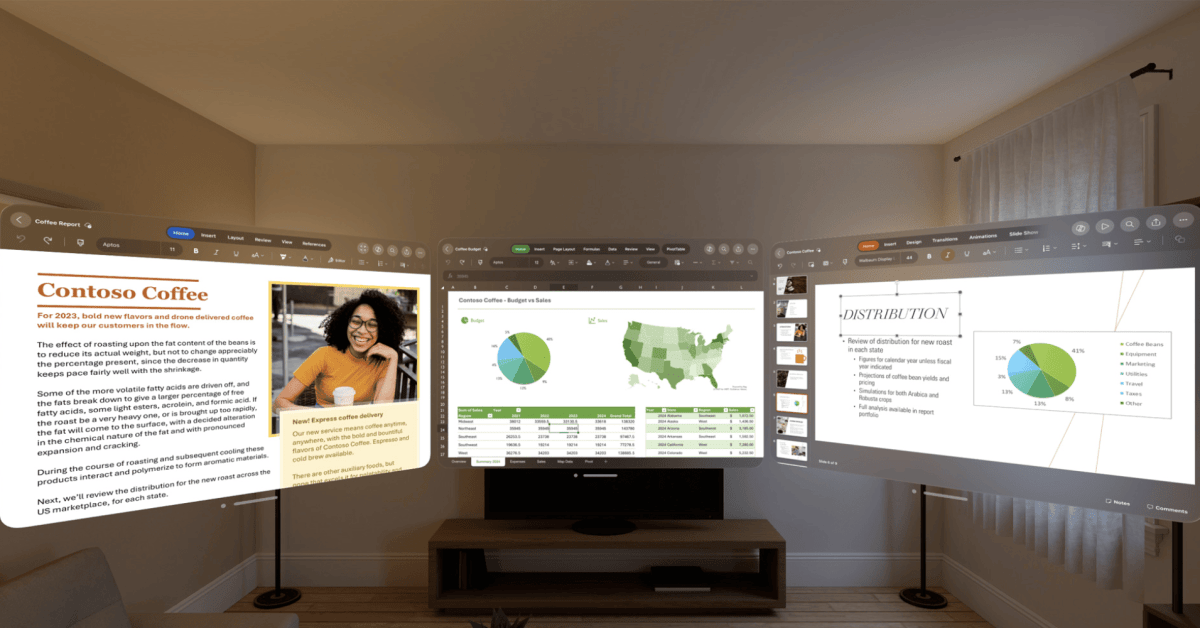
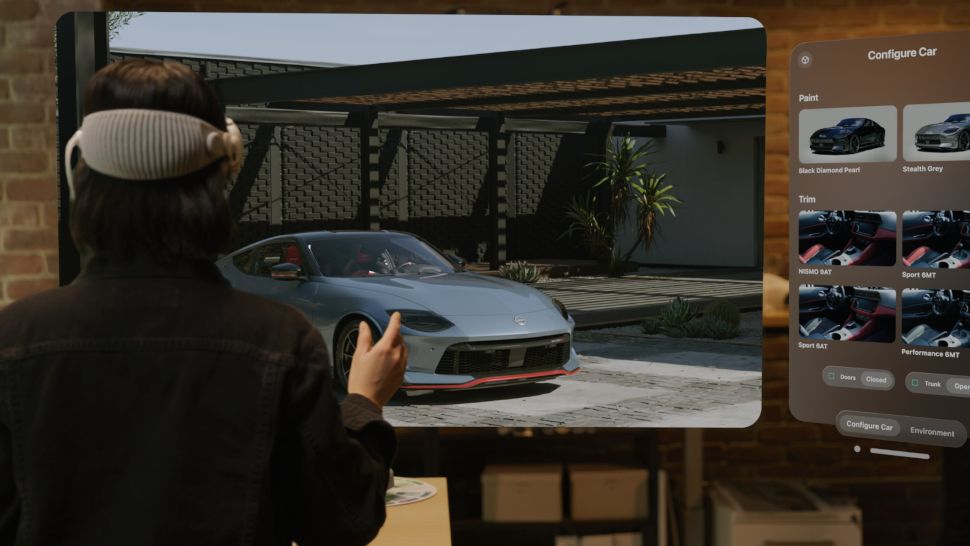
Apple highlights the benefits of Vision Pro in the workplace, showcasing how companies are leveraging spatial computing for customized workspaces, collaborative designs, specialized training, and fieldwork guidance. With enterprise-grade capabilities like device management built into visionOS, Apple believes spatial computing has the potential to revolutionize industries. Companies like SAP, Microsoft, and NVIDIA are already leveraging Vision Pro for business planning, productivity, and immersive digital experiences, while Apple showcases impressive use cases from KLM Royal Dutch Airlines, Lowes, Porsche, and more in its Newsroom post.
Apple Vision Pro introduces spatial computing to businesses, enabling customized workspaces, 3D design collaboration, specialized employee training, and remote fieldwork. The enterprise-grade capabilities of visionOS, combined with Apple's hardware and software, offer powerful spatial experiences controlled by natural inputs like a user's eyes, hands, and voice. The device's ultra-high-resolution display system and custom Apple silicon, powered by advanced machine learning and AI models, provide real-time experiences. Various enterprise apps, including SAP Analytics Cloud, Microsoft 365, Webex, and Zoom, leverage spatial computing for enhanced productivity and collaboration. Additionally, the device supports design and collaboration apps like Porsche Race Engineer and Lowe’s Style Studio, as well as training and simulation apps such as KLM Royal Dutch Airlines' Engine Shop and Taqtile Manifest.
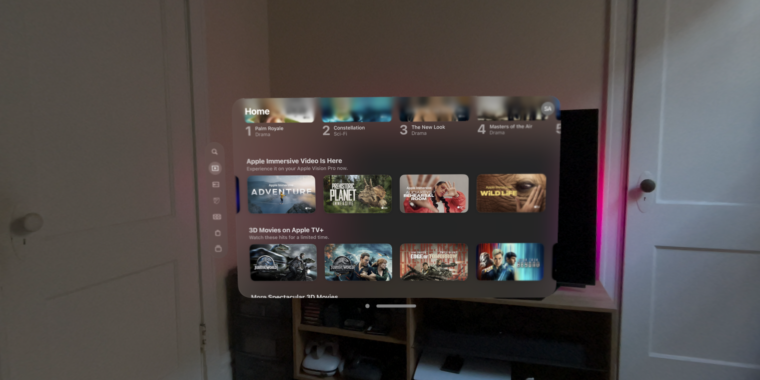
Apple is set to release its first new Immersive Video content for the Vision Pro headset, featuring a five-minute Major League Soccer highlight reel, marking the only new piece of content since the device's launch in February. Despite initial promise, subsequent episodes of the initially released series have not materialized, leaving the device behind in terms of 3D content compared to other headsets. While the Vision Pro excels in displaying 2D video content, the lack of new 3D content raises questions about its intended use for passive viewing.
Woot is offering a $200 discount on the Apple Vision Pro, selling the 256GB model for $3,299, but the deal is available for a limited time and limited to one headset per buyer. The devices are brand new with a full Apple warranty, but come with specific component sizes. The headset runs VisionOS, has its own App Store, and uses eye and finger gestures for interaction. Apple's pass-through technology allows users to transform their environment into virtual landscapes. If you're considering purchasing the Apple Vision Pro, now might be the time to act, but if not, there are alternative MacBook deals available.
Nvidia announced a new software framework, based on its Omniverse Cloud APIs, that will enhance the Apple Vision Pro for business use, integrating with Nvidia's Graphics Deliver Network (GDN) to streamline the creation and streaming of 3D experiences. The technology allows for interactive digital twins and real-time rendering on the Apple Vision Pro, offering potential benefits for industries such as design, manufacturing, and simulation. This advancement in spatial computing is expected to revolutionize immersive experiences and productivity across various sectors.
After using the Apple Vision Pro for over a month, the reviewer highlights the addition of new apps and software upgrades, including over 1,000 Vision Pro apps, with favorites like TikTok and Splitscreen. While enjoying immersive 3D movies and shows, the headset's weight and discomfort limit productivity, and the absence of a Netflix app and Google services is noted. Despite its high price, the Vision Pro is seen as paving its own path in the mixed-reality headset category, offering an entertaining but heavy and somewhat lonely experience, with potential for future spatial gaming and sports viewing.