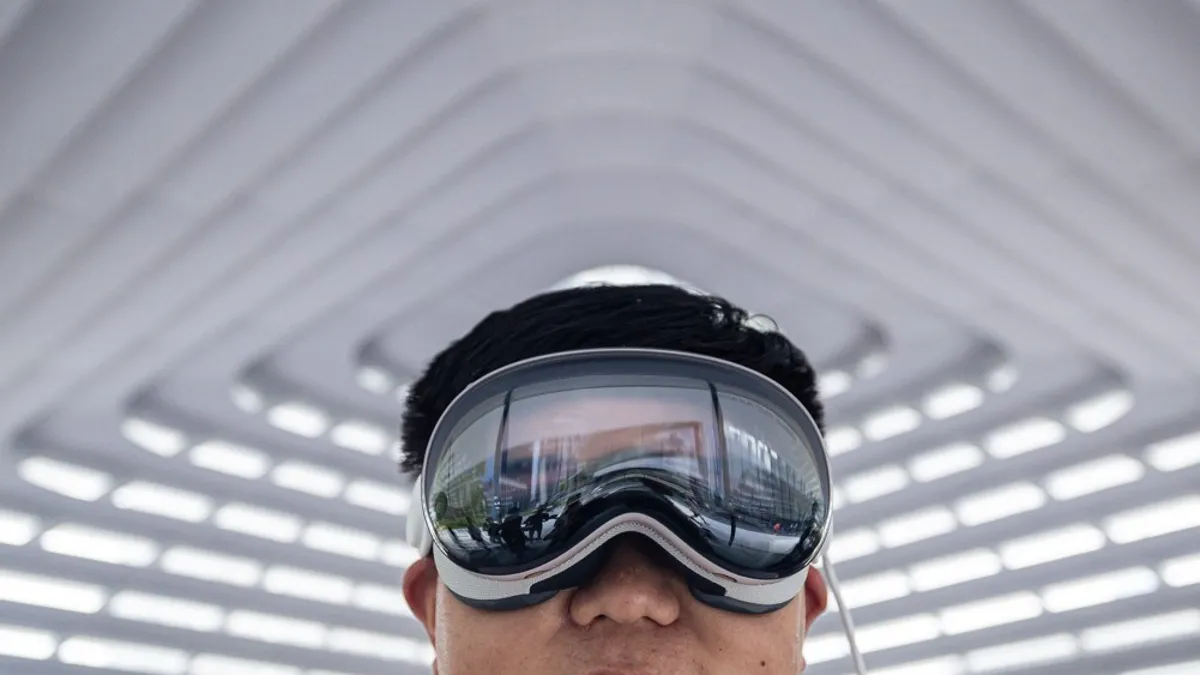
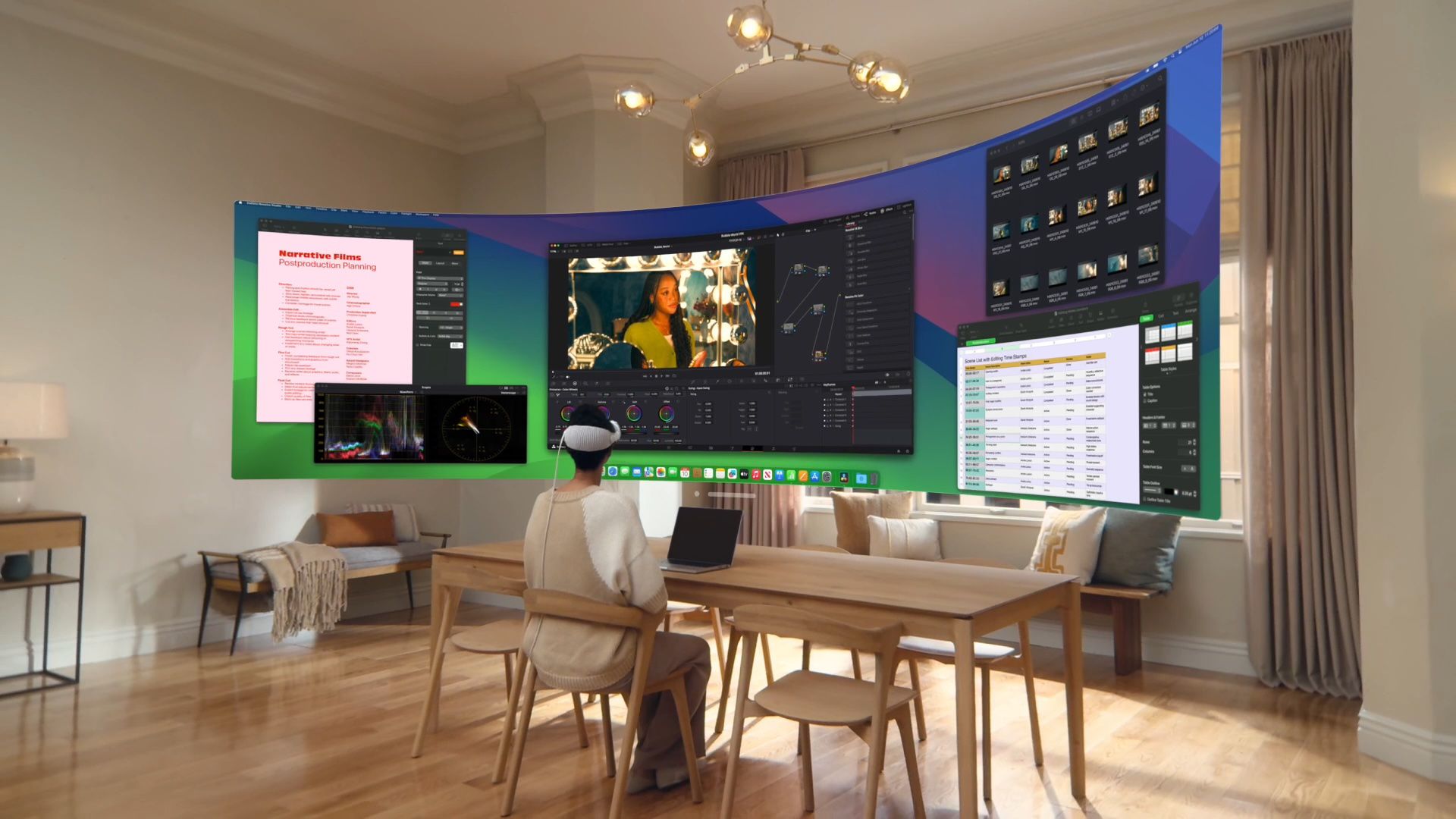
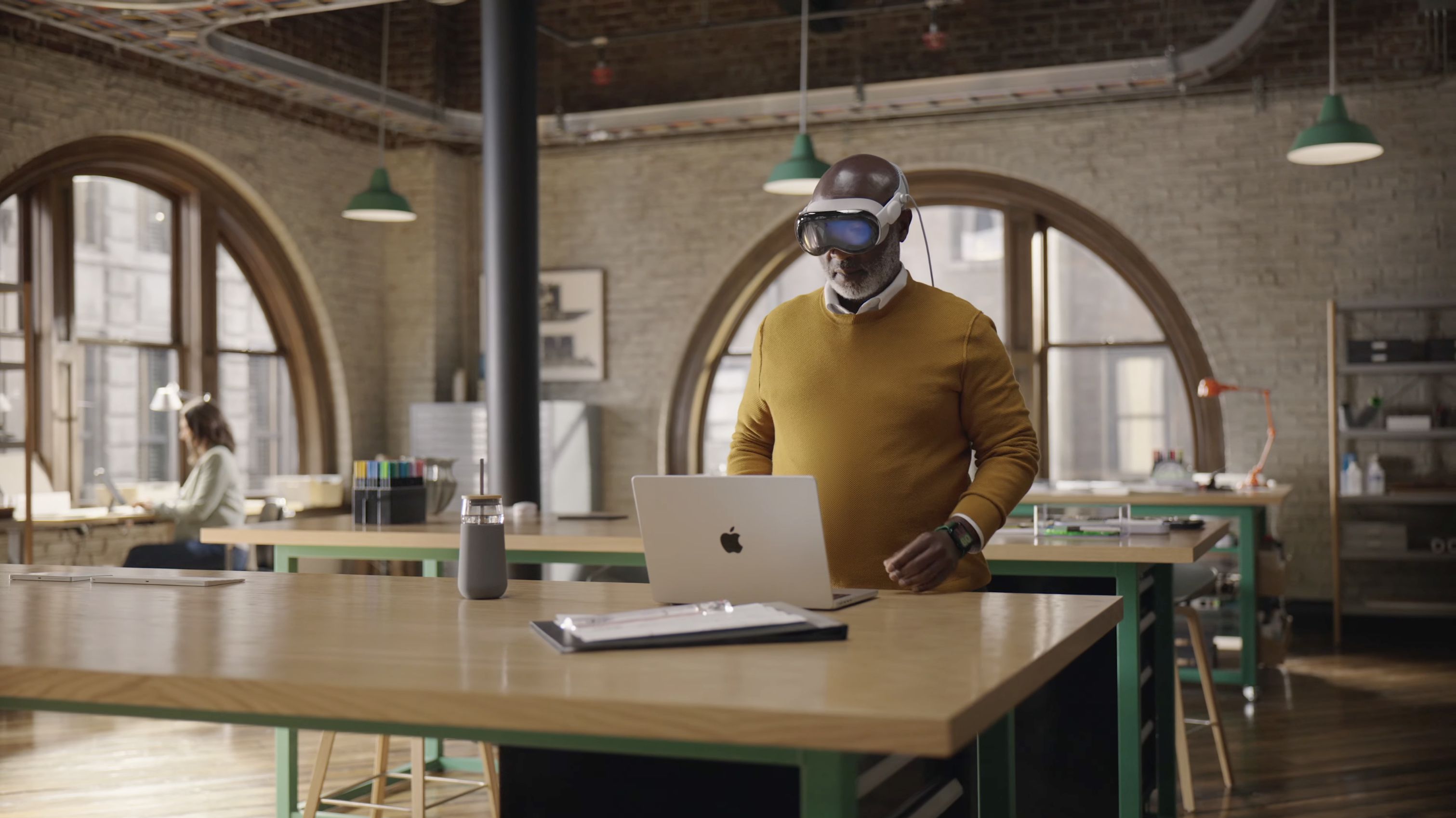
The Apple Vision Pro's new ultra-wide screen virtual display feature in VisionOS 2.2 is a potential game-changer for productivity, offering a compelling reason to justify its $3,500 price tag. While the headset's weight and limited virtual environments remain drawbacks, the ability to use a large virtual display anywhere could benefit professionals who rely on extensive screen real estate. Despite some technical challenges, this feature positions the Vision Pro as a valuable tool for certain users, transforming it from a novelty to a productivity workhorse.
Apple has released the first beta of visionOS 2.2, introducing "Wide" and "Ultrawide" modes to the Mac Virtual Display feature for the Vision Pro headset. This update allows the headset to function as an external display with options equivalent to having two 4K displays side by side. The public release of visionOS 2.2 is expected in December, alongside other Apple software updates.
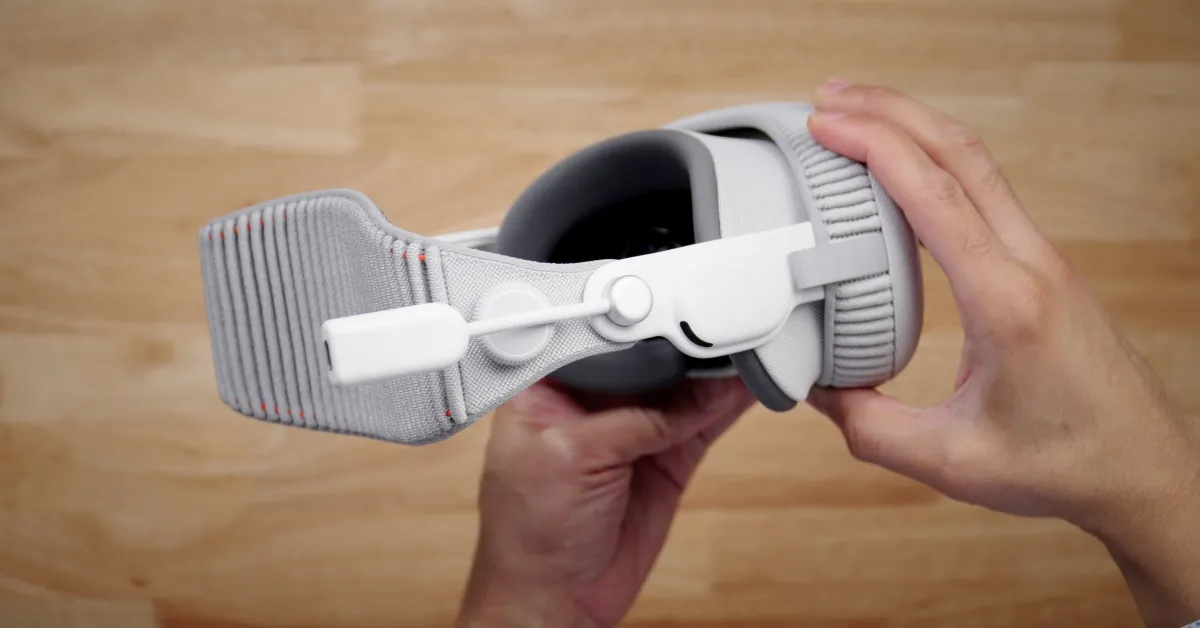
Apple has released the Apple Vision Pro Developer Strap, an accessory for registered Apple Developers that replaces the right Audio Strap and allows a USB-C connection between the Apple Vision Pro and Mac, enabling faster development of graphics-intensive apps and games. The strap also facilitates direct video feed capture and file transfers, improves Mac Virtual Display stability, and enables downgrading of visionOS. However, it does not provide power via its USB-C connection and has limitations in capabilities, making it primarily suitable for developers.
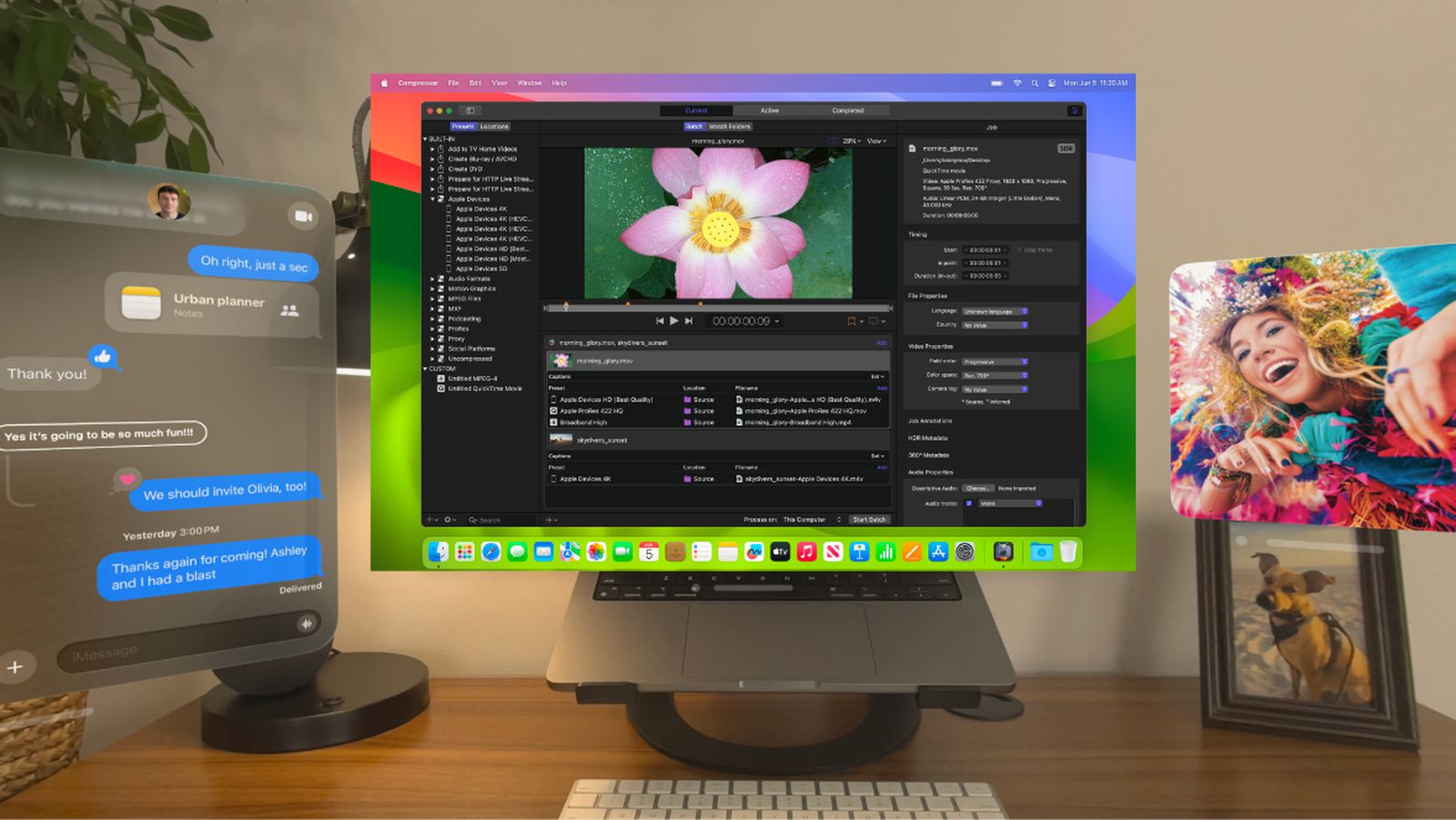
Apple's new Vision Pro headset can function as an external display for Macs, compatible with some older Intel-based Macs but limited to 3K resolution. The feature requires macOS Sonoma and the devices to be signed in to the same Apple ID with two-factor authentication turned on. Users can control the virtual display using their Mac's built-in keyboard and trackpad, but not with a Bluetooth mouse. Additionally, the Vision Pro cannot be used in Guest Mode or with managed Apple IDs, and the devices must be within 10 meters of each other to maintain a connection.
Apple's upcoming Vision Pro headset, priced at $3,499, will allow Mac users to create a virtual desktop, use visionOS apps alongside their Mac, mirror Vision Pro to Mac, and connect Mac accessories. However, users likely won't be able to arrange Mac apps in virtual space, create multiple virtual displays, or connect an Intel-based Mac. Pre-orders for Vision Pro open on January 19, with the device launching in the U.S. on February 2.
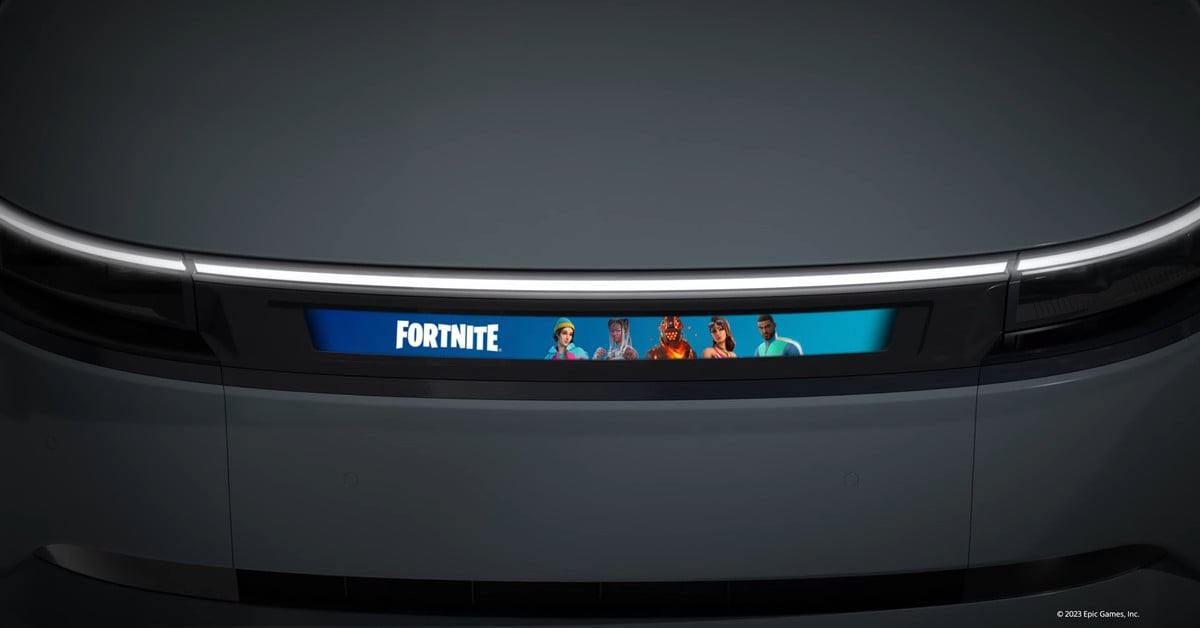
Sony and Honda's upcoming Afeela EV will feature a "Media Bar" on its front bumper that can display messages and images, including video game logos like Fortnite and Spider-Man. The car also includes potentially distracting features like "Monster View," which overlays virtual monsters on the road, and a giant dashboard screen for watching movies. The Afeela is described as a prototype, with plans for release in North America in 2026.
The Spacetop is a laptop that aims to replace traditional screens with AR glasses, offering a 100-inch virtual display powered by Android. However, the execution falls short with off-the-shelf AR glasses, spongy keys, lackluster touchpad, and dated specs, all at a starting price of $2,000. The narrow field of view and small sweet spot of the glasses hinder the experience, making it less appealing compared to alternatives like Meta Quest 3.