The article discusses the innovative PreEvnt Isaac device showcased at CES 2026, which noninvasively detects blood glucose levels by analyzing breath biomarkers, offering a significant improvement for diabetics and others needing continuous glucose monitoring. Currently in clinical trials and seeking FDA approval, the device aims to enhance quality of life by eliminating the need for finger pricks, especially for children and the elderly.
Lenovo has unveiled concept AI glasses at CES 2026, featuring lightweight design, a monochrome binocular display, a 2MP camera, and various smart features like voice control, live translation, and device notifications, though the camera quality seems limited compared to competitors.
The FDA announced plans to ease regulation of digital health products, including AI-enabled clinical decision support software, to promote innovation and faster market entry, signaling a shift towards more Silicon Valley-style regulation in healthcare technology.
Razer introduces Project Motoko, a concept pair of AI-enabled headphones with built-in cameras and microphones, offering longer battery life and privacy advantages over smart glasses, positioning headphones as a preferable wearable for AI on-the-go.
Victoria Song recounts the evolution of the 'taint bandaid' into the 'taint zapper,' a device designed to delay premature ejaculation using electrodes, from its debut at CES 2020 to its final form after years of development.
Samsung announced that its Galaxy wearables, including the Galaxy Watch and Galaxy Ring, will soon incorporate features to help detect early signs of dementia and mental decline by monitoring speech, movement, and interaction patterns, aiming to provide early warnings for medical intervention. These features will initially launch in beta in select markets, with Samsung also exploring AI-driven health coaching and disease prevention across its devices.
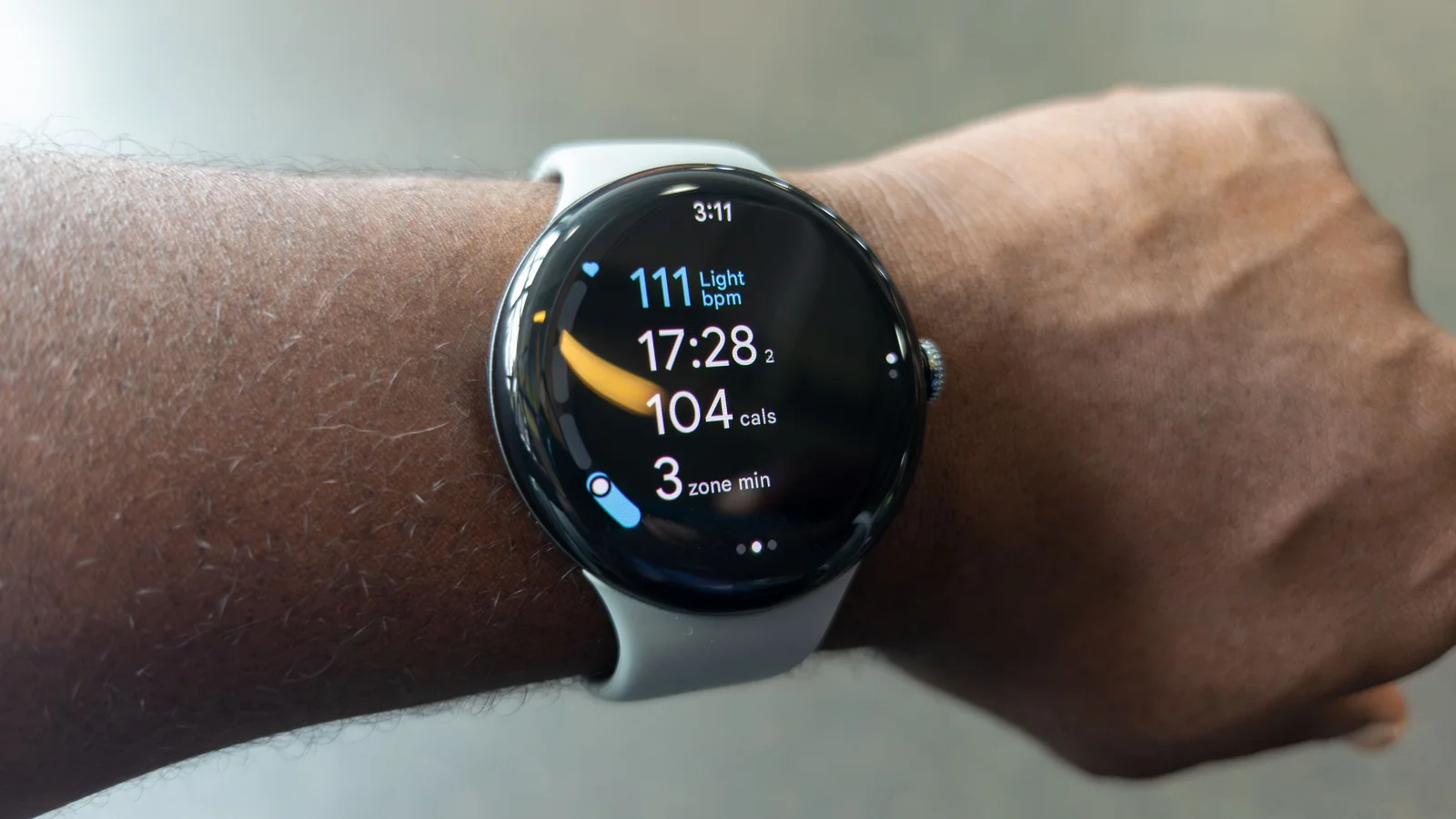
The article discusses the potential development of a Fitbit Ring and a new Pixel Tablet by Google, highlighting market trends, device capabilities, and strategic considerations. It suggests that a Fitbit Inspire 4 might be released in 2026, possibly running Fitbit OS or Wear OS, and explores the features and market positioning of Fitbit trackers and smartwatches. Regarding the Pixel Tablet, Google seems to favor a device focused on content consumption with smart display features, rather than a new content-centric tablet, emphasizing affordability and simplicity. The article also touches on the importance of device integration and user experience enhancements.
CES 2026 is set to showcase innovative products including advanced display tech from Samsung, new smart glasses from RayNeo, a versatile E Ink tablet from TCL, and AI-powered smart decor, with a focus on AI integration, high-resolution displays, and smart home enhancements. Previews include 6K 3D monitors, smartwatches, and novel accessories, promising a dynamic and tech-forward event.
Garmin is developing native nutrition tracking features for Garmin Connect, including photo logging and personalized guidance, with signs of a guided setup and premium feature gating, indicating an upcoming comprehensive health management tool.
The Pebble Round smartwatch is making a comeback in 2026 with the Pebble Round 2, featuring a thinner design, larger and higher-resolution display, improved battery life of nearly 2 weeks, water resistance, and a microphone, all for $199, available for pre-order with shipping in May.
True Ventures co-founder Jon Callaghan predicts that smartphones will become obsolete within five to ten years, as new, more natural interfaces for human-computer interaction are developed, based on the firm's investments in innovative technologies like wearables and smart home devices.
Smartlet is a modular watch strap announced at CES 2026 that allows users to wear a traditional analog watch and a smartwatch simultaneously, with the smartwatch hidden underneath a luxury watch like Rolex. Priced at $418, it is compatible with major smartwatches and high-end analog watches, offering a stylish solution for those who want both aesthetics and functionality, though it raises concerns about bulk and practicality.
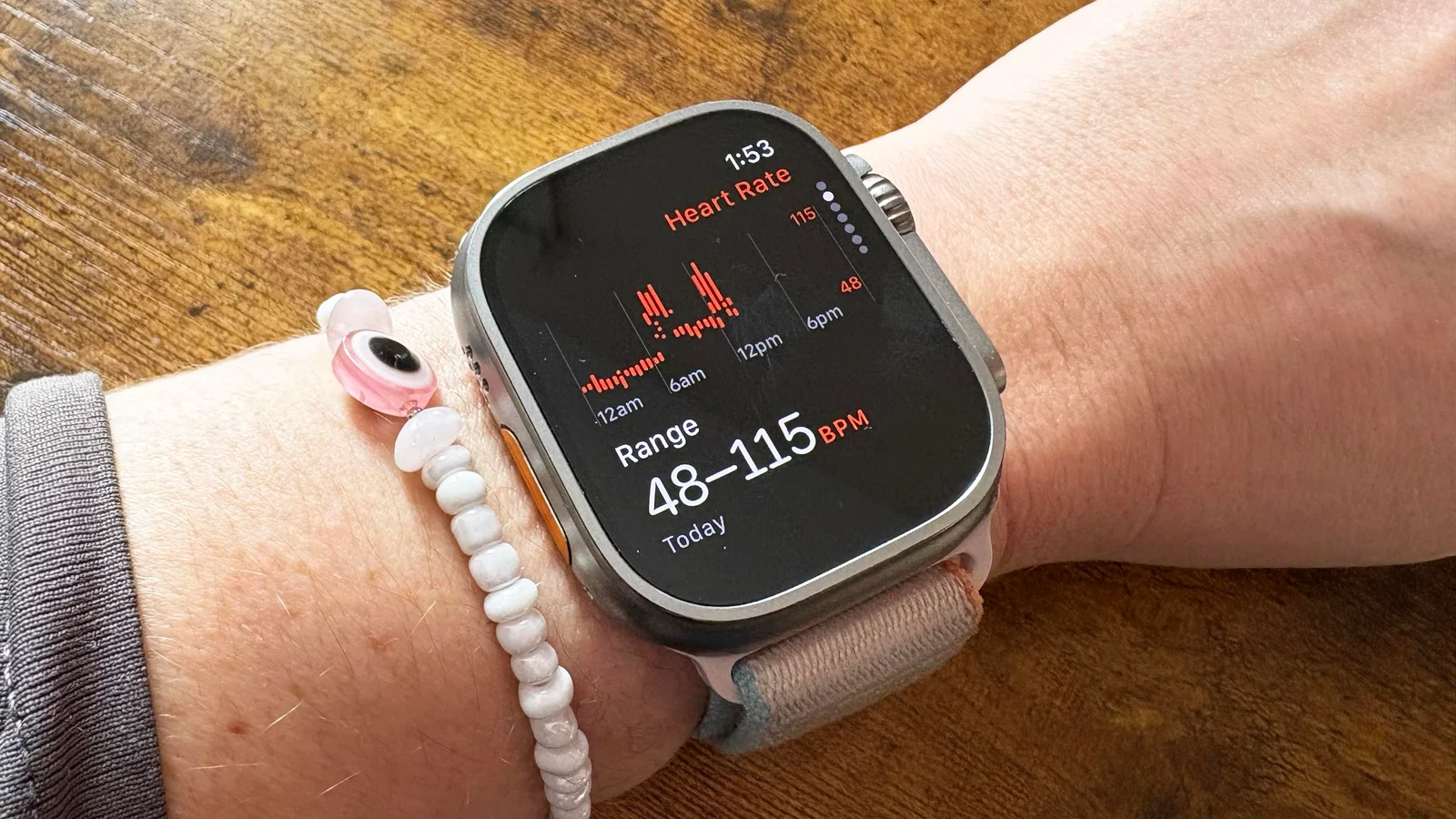
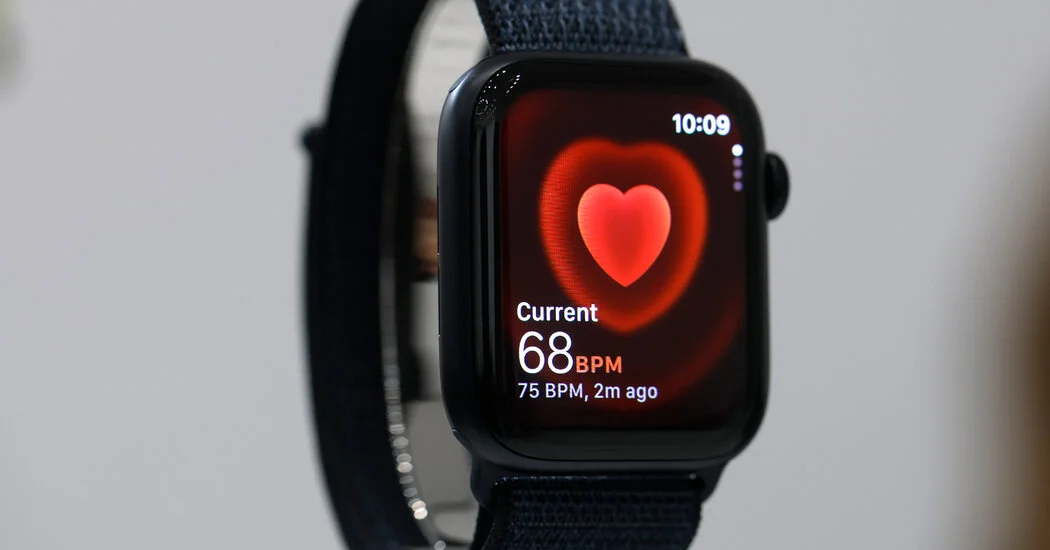
A comprehensive test of 10 popular fitness watches revealed that Apple Watch Ultra and Garmin Forerunner are among the most accurate for step counting, with some brands like Suunto performing poorly. The study highlights the importance of accurate step tracking for health goals and suggests that placing watches in pockets can sometimes improve step count accuracy. Overall, most mainstream fitness watches provide reliable data, especially for running.
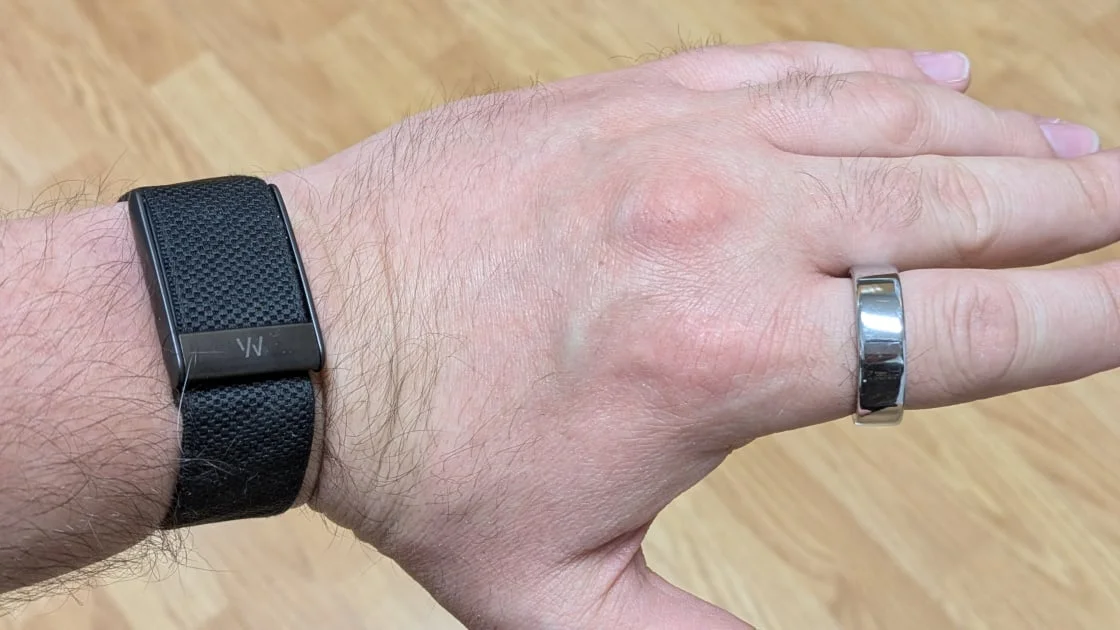
The article compares the Whoop and Oura Ring fitness trackers, highlighting their design, data accuracy, and user experience. The Oura Ring offers elegant design and gentle coaching, excelling in sleep tracking, while Whoop provides detailed metrics and a more intense, data-driven approach. The choice depends on personal preferences for wear location, level of data detail, and coaching style.
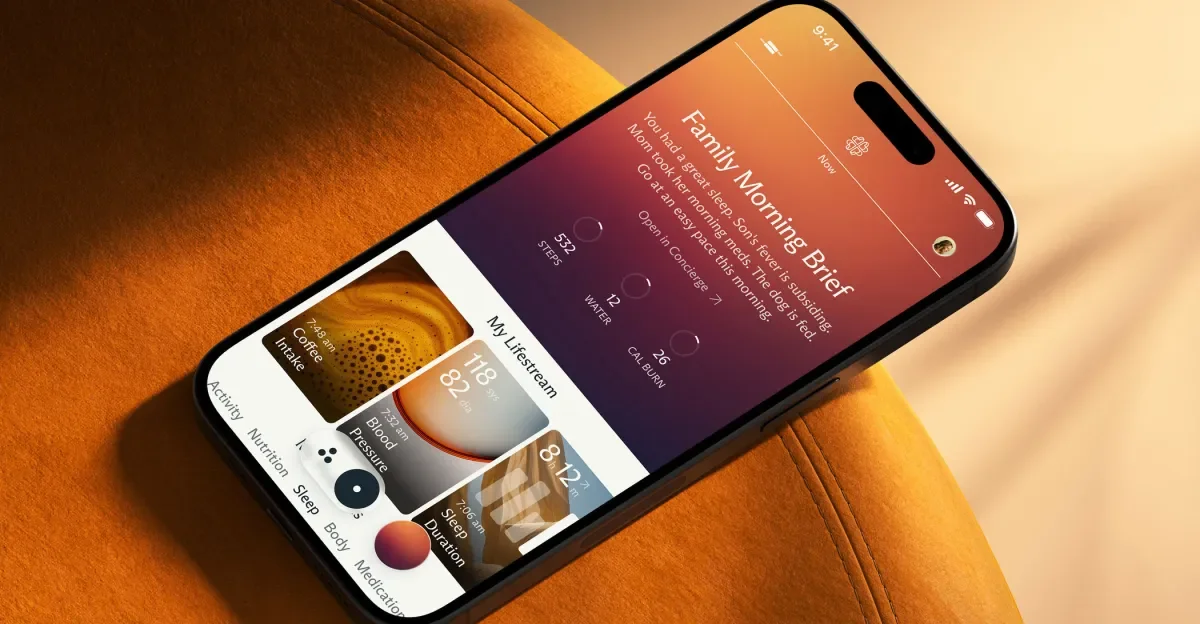
AI health coaches are emerging as a promising tool to help interpret biometric data and improve personal healthcare, but concerns about privacy, data security, and the current infancy of the technology temper their potential. While they could fill gaps in healthcare access and motivate behavioral change, risks related to mishandling sensitive data and over-reliance on imperfect AI models remain significant. The future of AI health coaching depends on balancing innovation with robust safeguards.