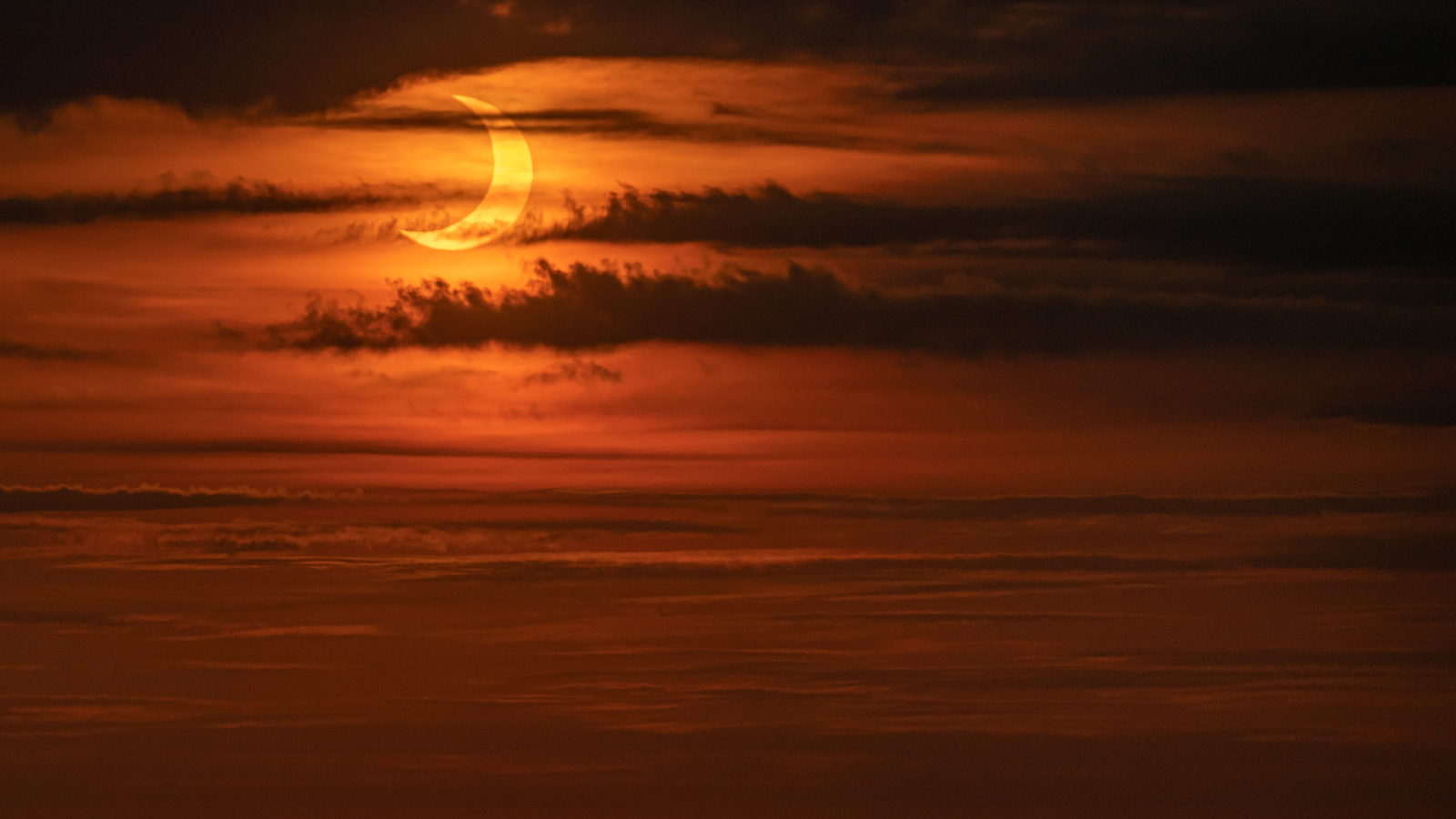
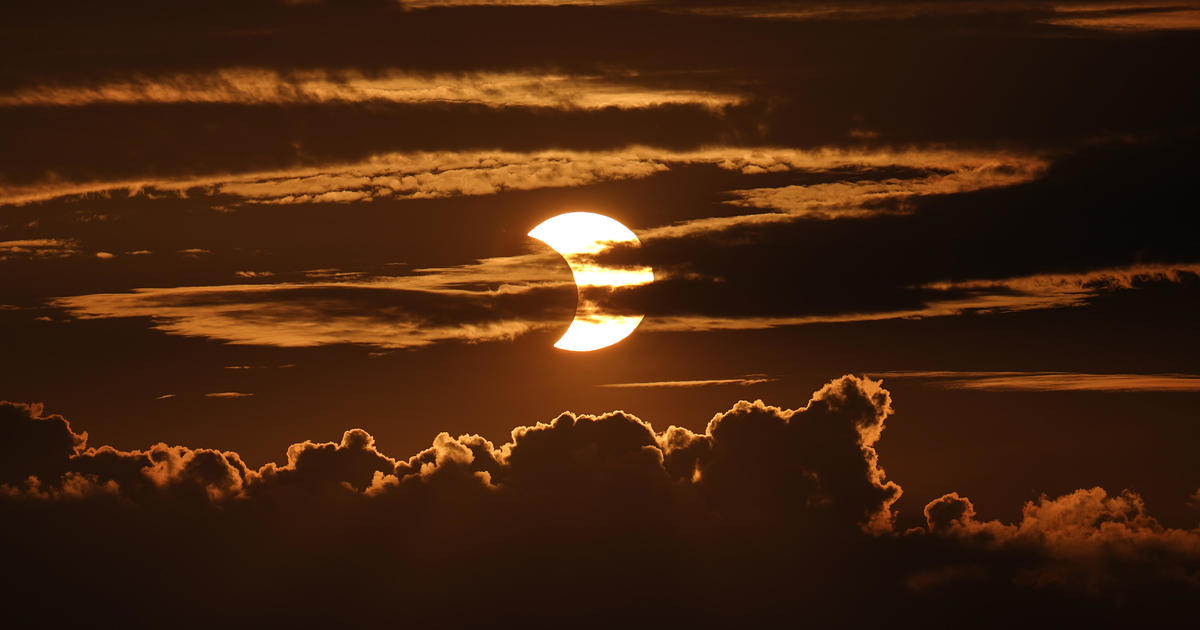
An 'equinox solar eclipse' will occur on September 21, 2023, with limited visibility mainly in the Southern Hemisphere, including Antarctica, New Zealand, and parts of the South Pacific, offering a dramatic crescent sun view during sunrise, but it will not be visible in the Northern Hemisphere.
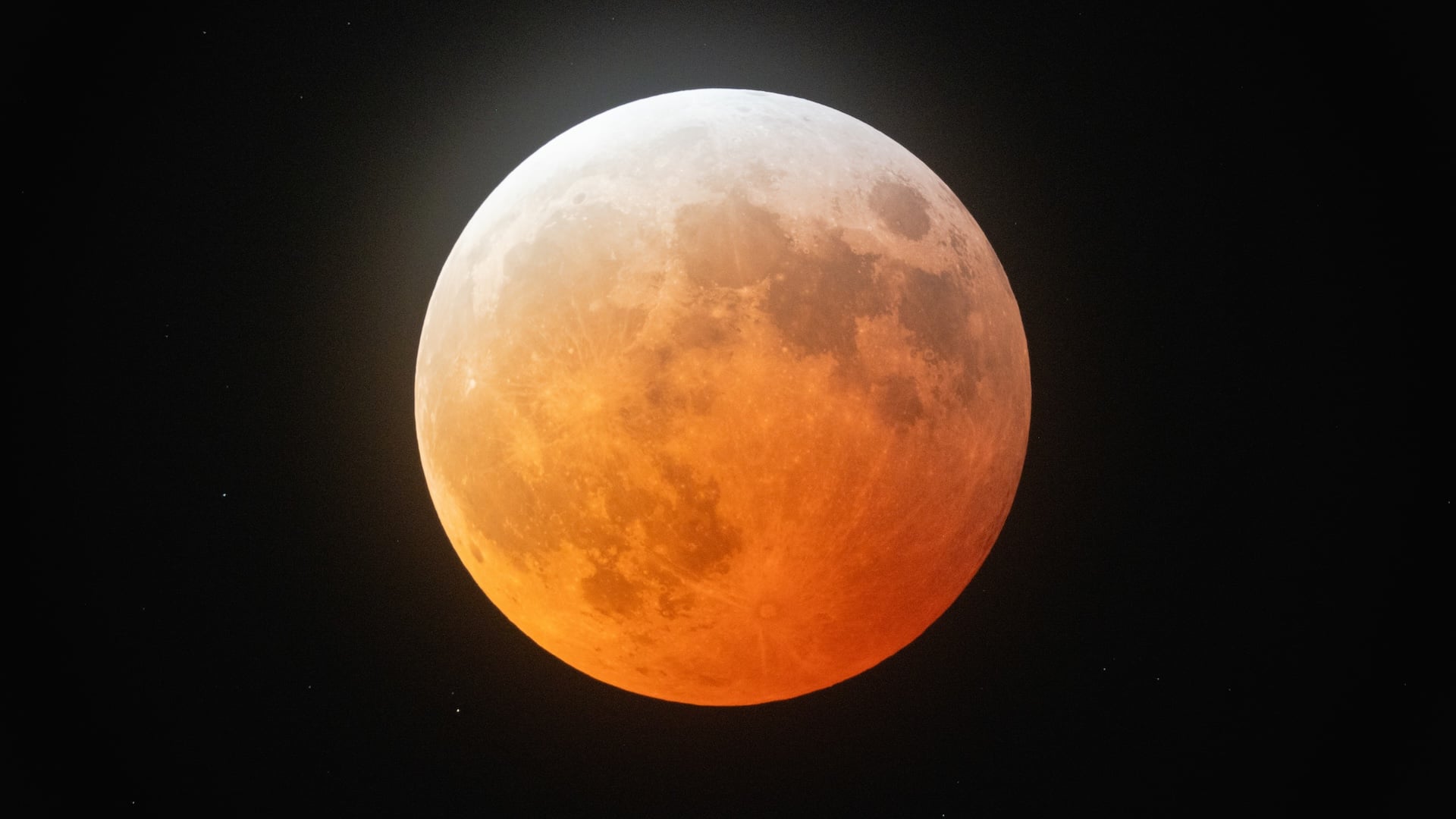
The total lunar eclipse on September 7-8, 2025, will be visible mainly from Asia and Western Australia, with partial views in Europe and Africa. The U.S. will miss the event as the moon sets before the eclipse begins, but a live stream is available from Italy for North American viewers. The eclipse features a 'blood moon' due to Rayleigh scattering, and follows a partial solar eclipse on September 21.
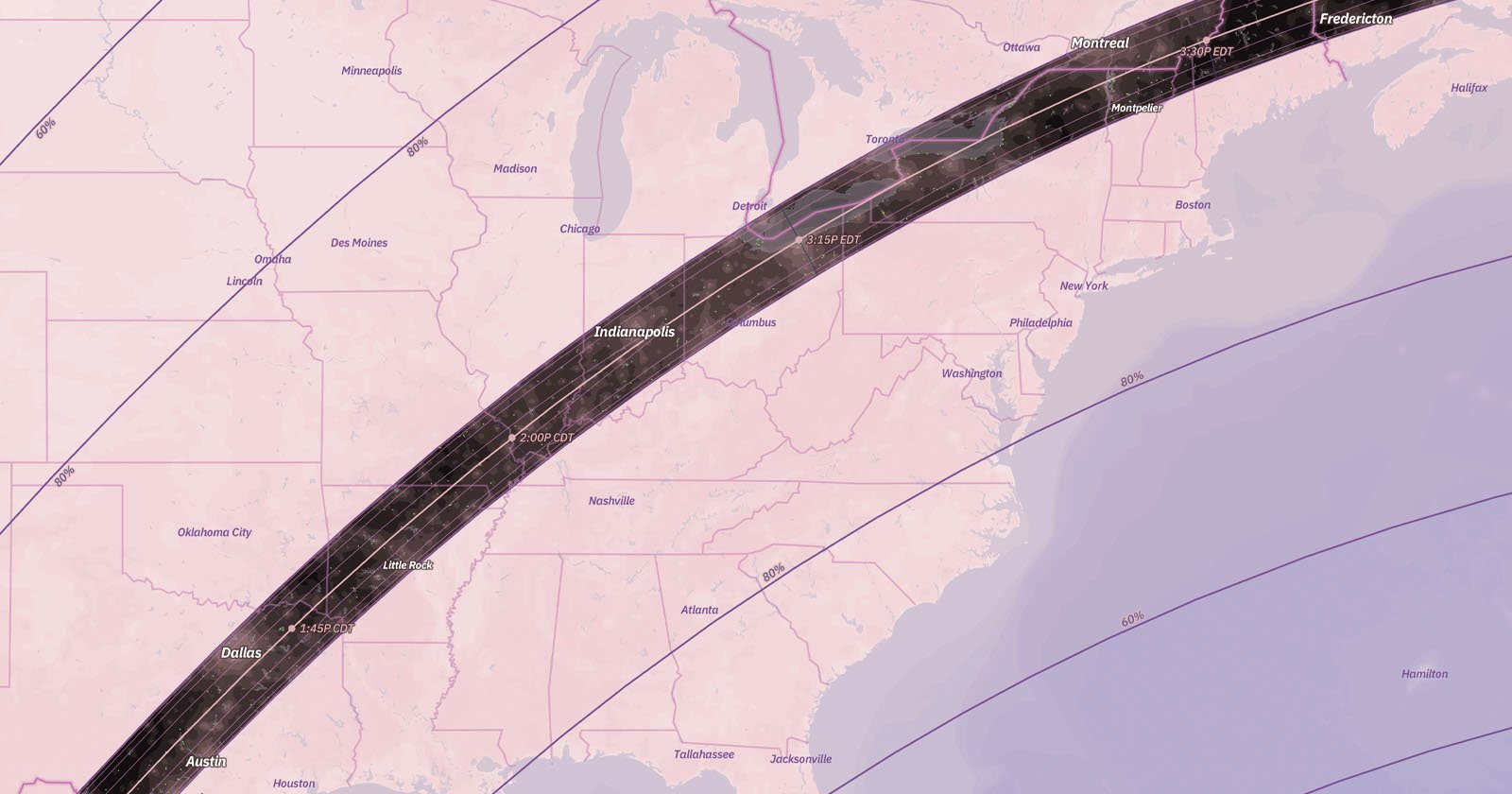
A new path of totality map for the upcoming solar eclipse on April 8 has been released, excluding some towns in New York from experiencing the full total solar eclipse due to more accurate calculations of the sun's radius. While the Lower Hudson Valley will only see a partial solar eclipse, cities like Buffalo and Rochester will still witness the total eclipse. Towns like Rome, Utica, and Ithaca will miss out on the complete darkening of the sun and the stunning corona. Gov. Kathy Hochul suggests arriving at upstate viewing locations early to beat expected heavy traffic, and those in the Hudson Valley should be at their viewing spots by 2 p.m. to catch the eclipse.
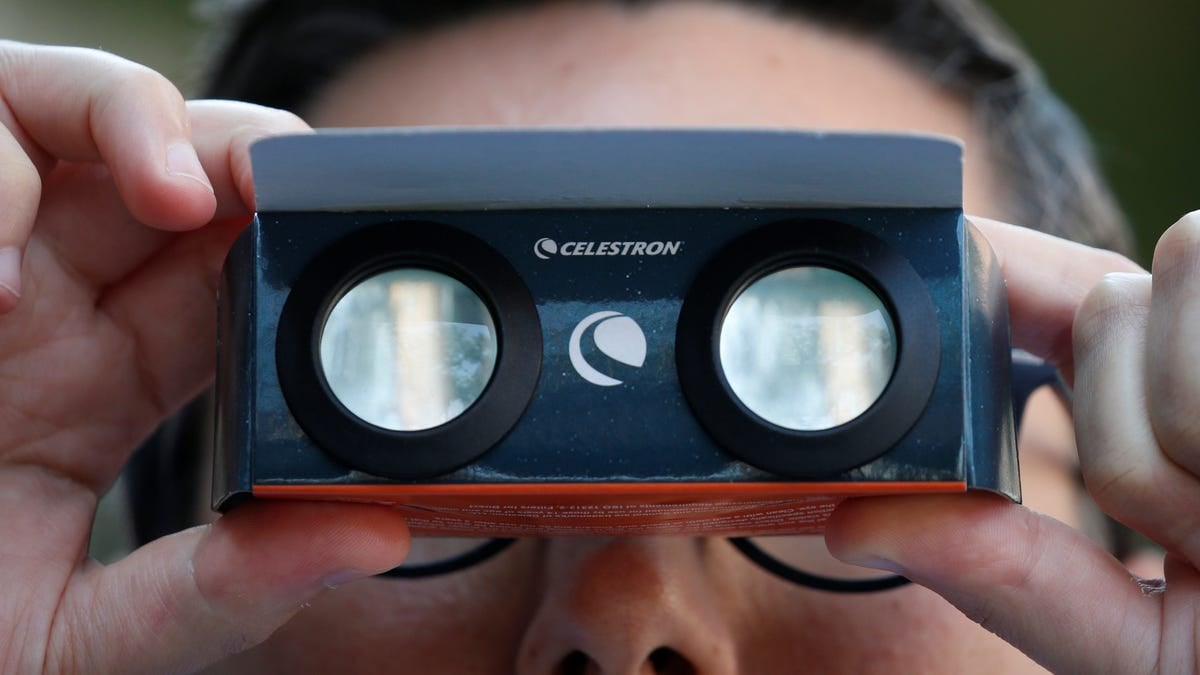
Los Angeles County offers multiple locations for viewing the solar eclipse on April 8, including libraries, Cal State LA, California Science Center, Pierce College, and Caltech, with free eclipse glasses and solar telescopes available. Eye protection is essential, and live streams from Griffith Observatory, NASA, and the Exploratorium website provide options for those who prefer to watch from home.
Americans gearing up for the April 8 total solar eclipse may have to dodge clouds due to historical weather patterns, with the likelihood of experiencing a cloud-free sky at this time of year being closer to the exception than the rule. The path of totality, stretching roughly 2,500 miles from the Texas border to northeastern Maine, presents varying odds for clear viewing, with areas in Texas, Oklahoma, Arkansas, Missouri, Illinois, Indiana, Great Lakes, Pennsylvania, and New England facing different challenges. While the weather may impact visibility, the 2045 total solar eclipse offers another chance for viewing.
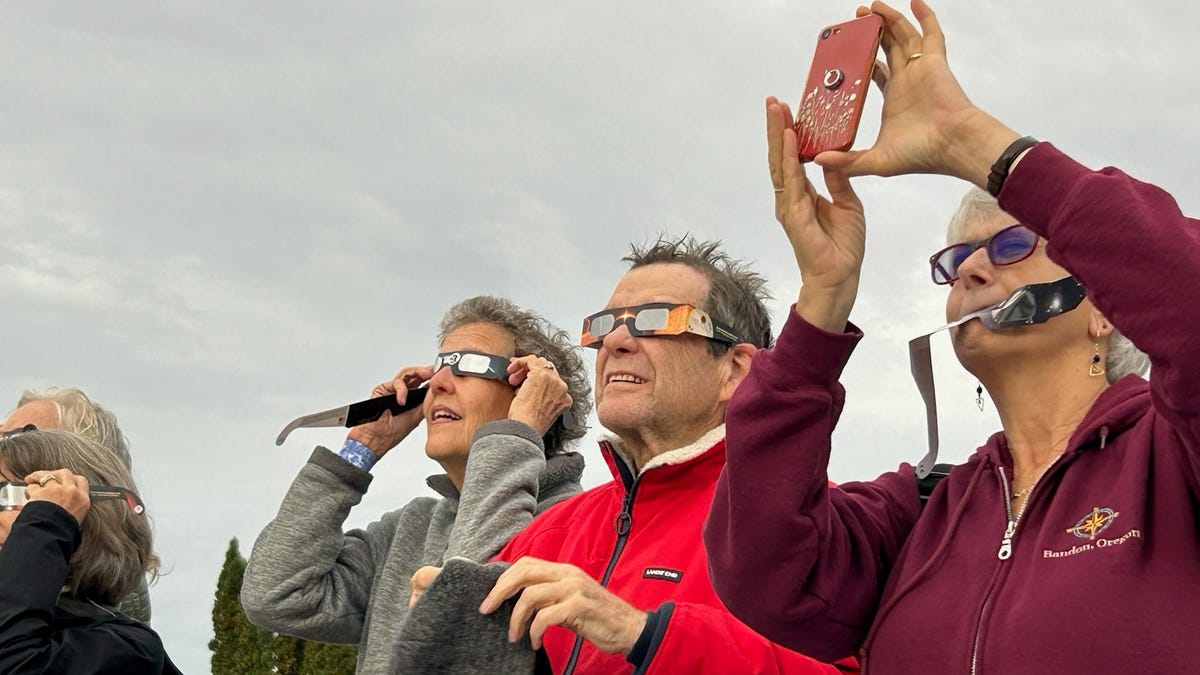
The 2024 solar eclipse will be visible in Oregon on April 8, with peak coverage around 11:20 to 11:30 a.m. Popular viewing areas in and around Eugene include Skinner's Butte, Spencer Butte, and College Hill Reservoir. University of Oregon astronomy professor Scott Fisher advises finding a spot with a nice, open view of the southern sky. NASA will provide live coverage of the eclipse, and viewers are reminded to use proper eye protection and follow safety tips for viewing the event.
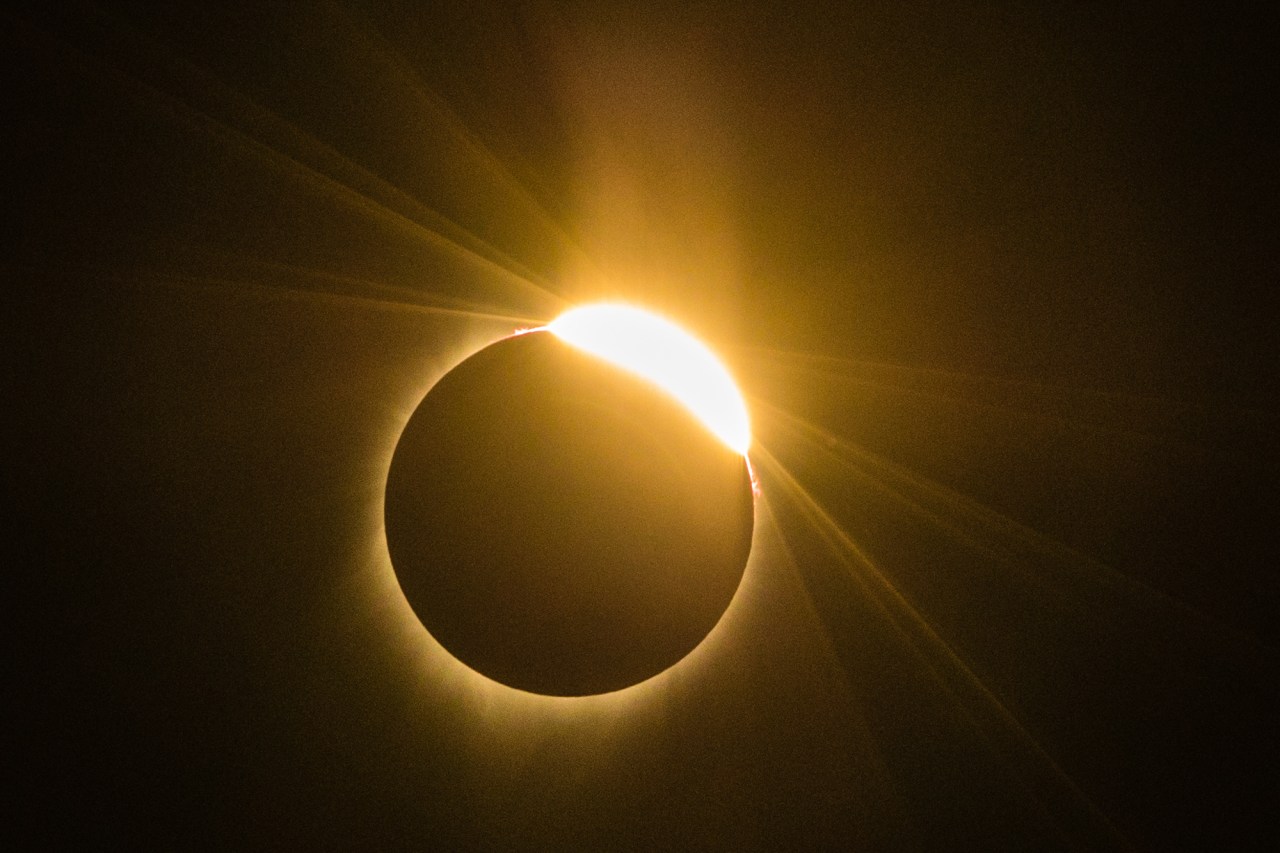
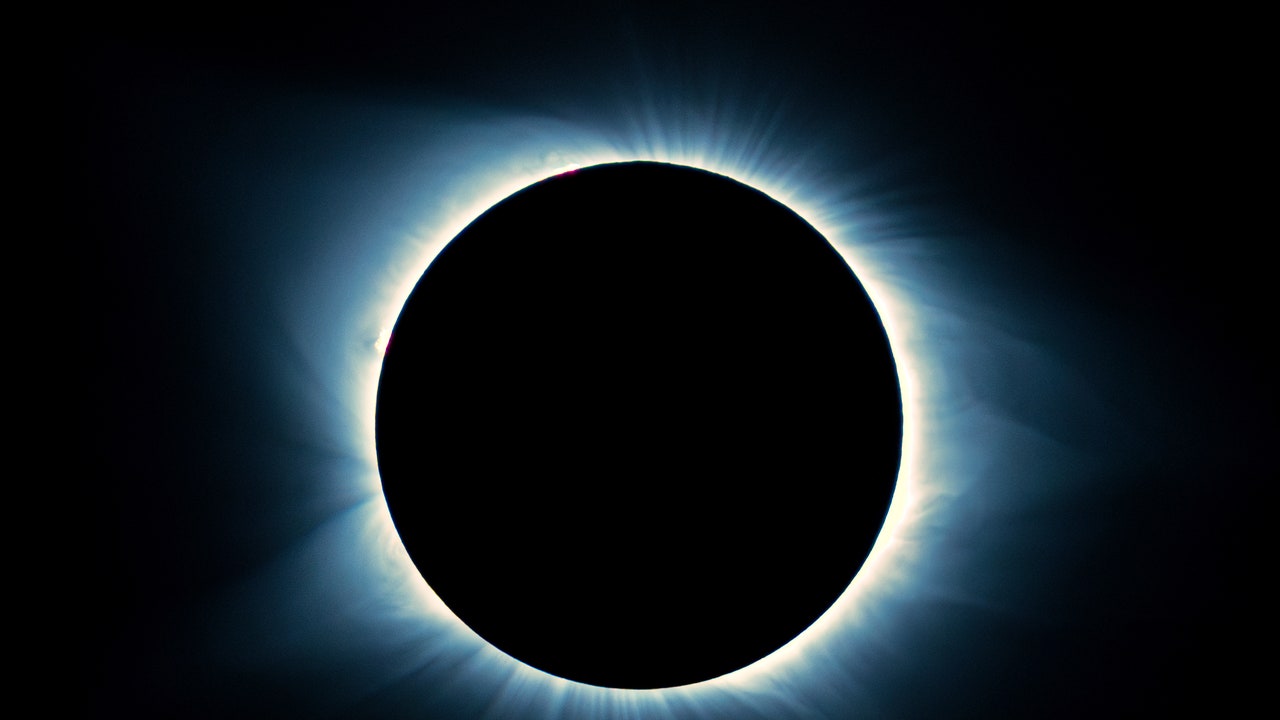
The 2024 solar eclipse, occurring on April 8, will be visible from parts of Mexico, the United States, and Canada. This total solar eclipse will cast a shadow on Earth, blocking the sun's light, and can be safely viewed without eye protection during totality. NASA has identified the best cities to experience the eclipse, including Mazatlán and Torreón in Mexico, Kerrville in Texas, Russellville in Arkansas, Cape Girardeau in Missouri, Carbondale in Illinois, Bloomington in Indiana, Cleveland in Ohio, Erie in Pennsylvania, Buffalo in New York, the Niagara region in Ontario, Burlington in Vermont, and Houlton in Maine.
The solar eclipse of 2024 will darken the daytime sky as the moon passes in front of the sun on April 8, with the "path of totality" spanning 14 U.S. states and parts of Canada. Cities like Austin, Dallas, and Fort Worth in Texas, as well as Buffalo, Rochester, and Syracuse in New York, are among the best places to witness the eclipse. While New Jersey won't experience totality, about 90% of the sun will be obscured, with the maximum darkness occurring at 3:24 p.m. Eastern time. Special safety glasses are essential for viewing the eclipse, and experts advise using certified glasses with solar filters to protect eyes from damage.
A rare total solar eclipse is set to occur on April 8, with certain parts of central Ohio offering better viewing opportunities than others. The phenomenon is expected to last up to four minutes and 28 seconds and could impact weather. Specialized eye protection is necessary to safely view the eclipse, as it can cause temporary or permanent eye damage. The next eclipse in the U.S. is not predicted until 2099.
St. Albans in Vermont is preparing for an influx of nearly 30,000 visitors ahead of April's total solar eclipse, with plans for the "Totality at Taylor" event including the distribution of 15,000 pairs of special eclipse-viewing glasses. The city is expecting traffic and congestion similar to its annual Maple Festival and is working to identify the best viewing locations, with schools in the district planning early dismissal or closure on the day of the eclipse.
New Mexico will be a prime location to witness the upcoming "ring of fire" annular eclipse, with various viewing locations available throughout the state. The eclipse will occur during the Albuquerque International Balloon Fiesta, providing a unique opportunity to see the spectacle from hot air balloons. Other places to observe the eclipse include the University of New Mexico, Roswell, Farmington, New Mexico State Parks, and El Malpais National Monument. The eclipse, which will create a "ring of fire" effect, is seen as a precursor to the 2024 total solar eclipse and offers a chance to experience the awe-inspiring beauty of celestial events.
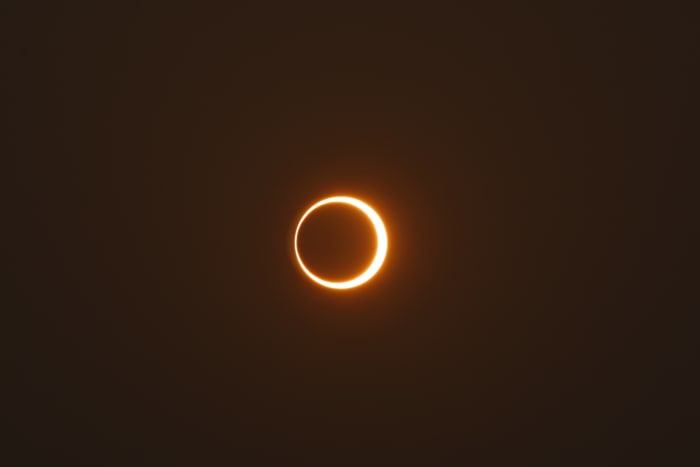
A "ring of fire" annular solar eclipse will be visible from Oregon to Texas this Saturday, but the view may be spoiled by clouds. Only a narrow corridor in the western and central US will experience the full ring, while the rest of the country will see a partial eclipse. The best viewing conditions are expected in Texas, while Oregon is likely to have abundant clouds and rain. Parts of Nevada, Utah, and New Mexico may also have cloud cover. Storm systems will impact the Midwest and portions of the East, blocking views. Those who miss out on this eclipse can look forward to the next total solar eclipse in 2024.
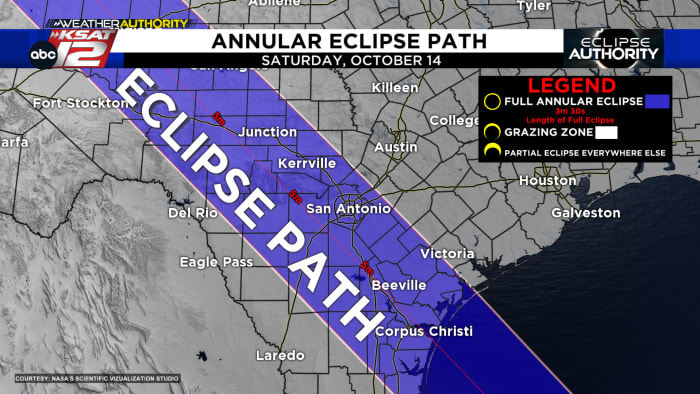
Detailed maps have been provided for the path of the upcoming annular solar eclipse on October 14, 2023, through the Hill Country, San Antonio, and South Central Texas. San Antonio and Bexar County will experience the full annular eclipse, with the 'ring of fire' visible throughout the area for a duration of 3 to 4.5 minutes. The grazing zone just outside the path of the full eclipse will allow for the observation of the "Baily's Beads" effect in areas such as Canyon Lake, New Braunfels, Seguin, and Brackettville. The longest-lasting eclipse will be in Edwards, Real, Bandera, Medina, Atascosa, and Live Oak Counties, where the ring of fire will last for nearly 5 minutes. Other counties in Texas, including Frio, Karnes, Kendall, Kerr, Uvalde, and Wilson, will also have great viewing opportunities for the annular eclipse.
The Planetary Society and The Eclipse Company have created a new map to help photographers and enthusiasts find the best spots to view the upcoming 2024 solar eclipse in the United States. The map integrates details about cloud cover, light pollution, eclipse duration, and phenomena, along with information about viewing locations and lodging options. It aims to inspire people to experience the transformative event of a solar eclipse and is the only map to provide such comprehensive information in one place. The map is available for free on The Eclipse Company website.
A rare annular solar eclipse, also known as a "ring of fire," will be visible in parts of Texas on October 14. The eclipse will create a ring of light around the edges of the moon as it passes in front of the sun. The path of annularity will start in Denver City and sweep southeast through the Permian Basin, Hill Country, and the Texas Coastal Bend, ending in Port Aransas. Outside of this path, observers will see a partial solar eclipse. Various viewing events and festivals are being organized in locations within the path of annularity, including Midland, Utopia, Ingram, Kerrville, San Antonio, Corpus Christi, and Port Aransas.