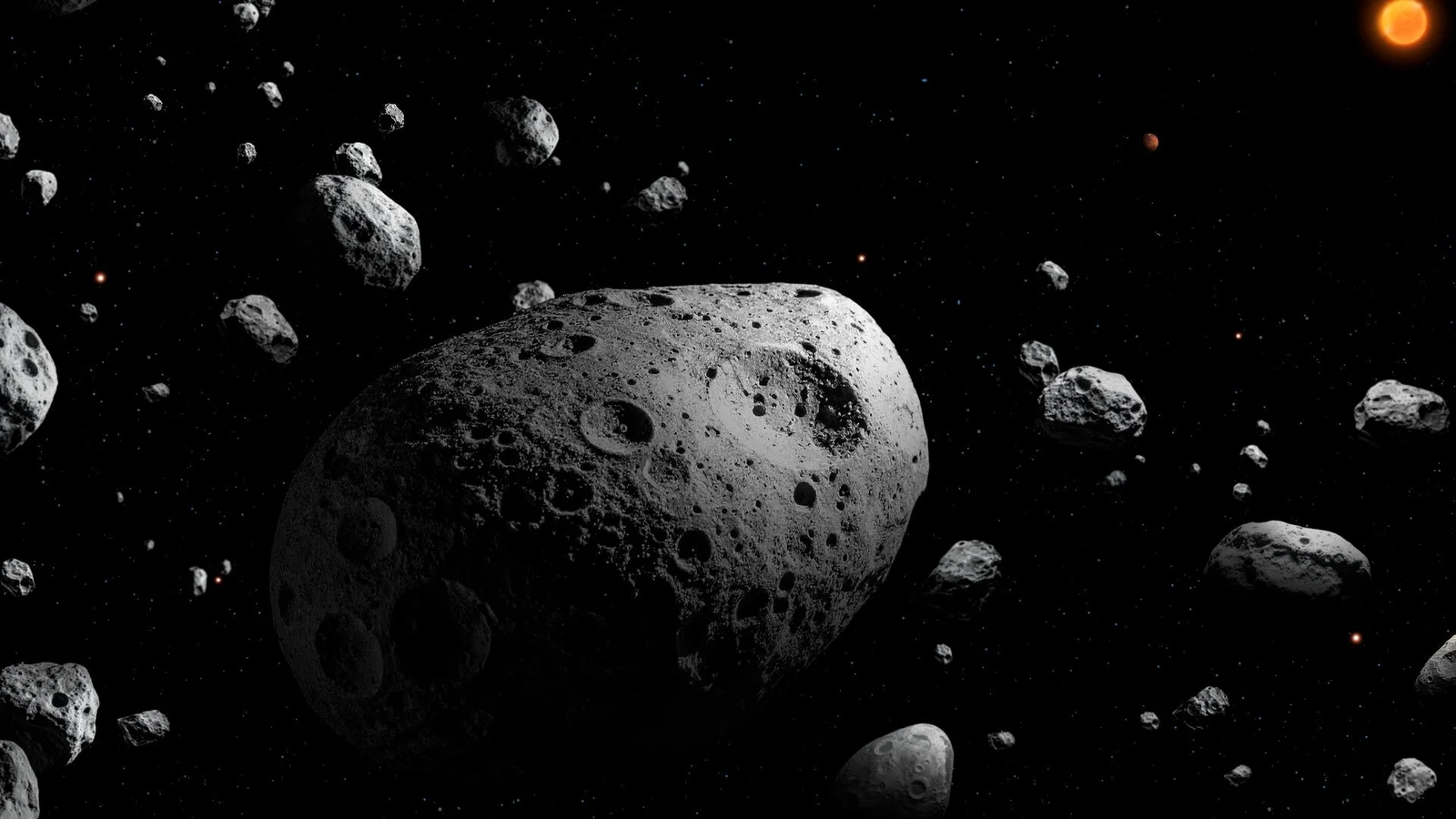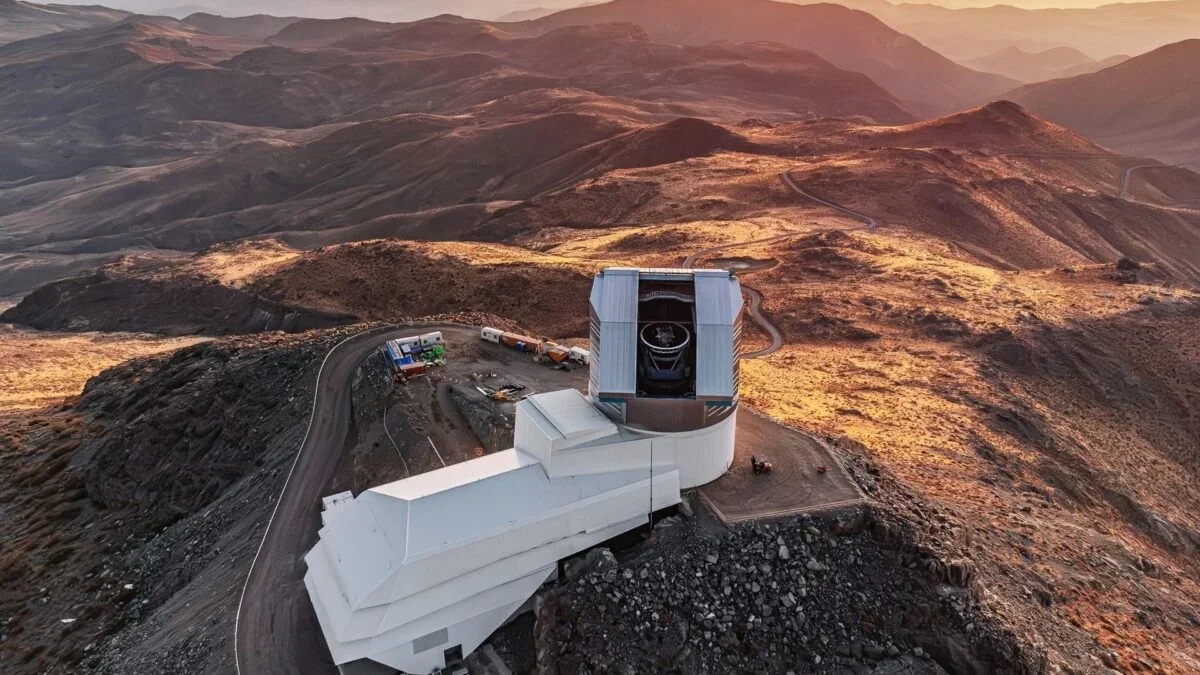
The Vera Rubin Observatory in Chile has discovered 19 superfast-spinning asteroids, including 2025 MN45, the largest asteroid known to spin this rapidly, completing a rotation every 1.88 minutes, which provides insights into its composition and structural integrity.
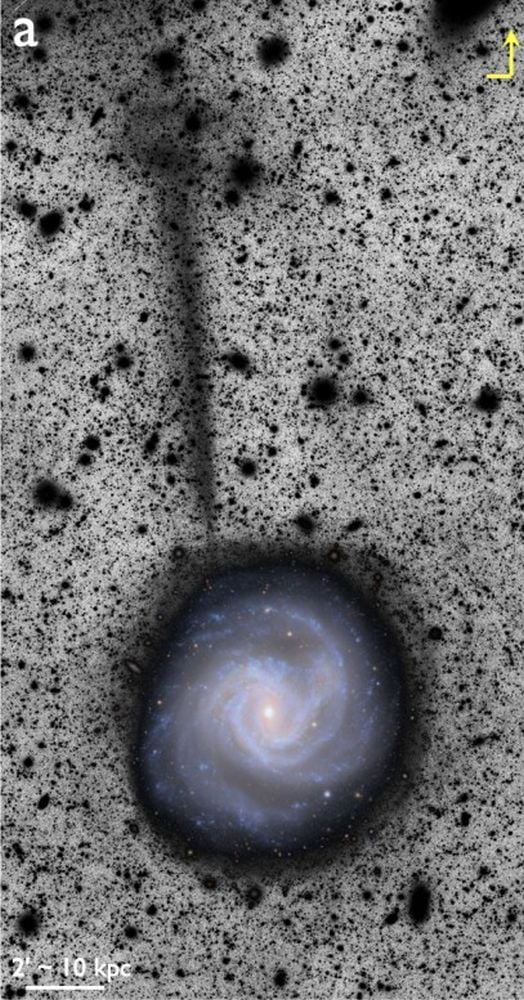
The Vera Rubin Observatory's first observations have revealed a faint stellar stream emanating from the galaxy Messier 61, showcasing its unprecedented capability to detect low-surface-brightness features and opening new avenues for understanding galaxy interactions and evolution.
The Vera Rubin Observatory's first images have revealed a massive, previously unseen stellar stream extending from galaxy Messier 61, dwarfing known streams in size and offering new insights into galaxy interactions and dark matter, with more discoveries anticipated as the observatory begins its full survey.
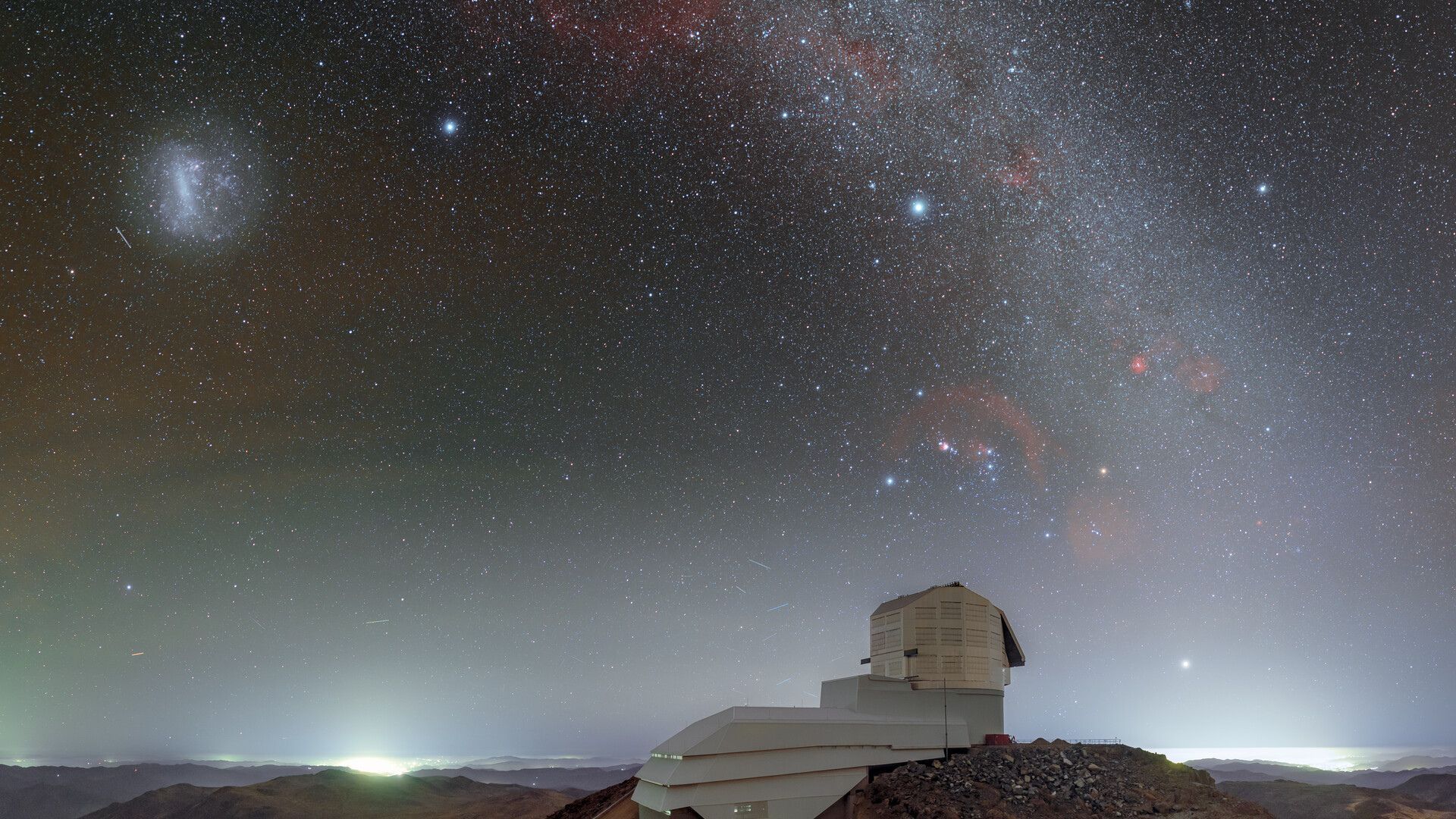
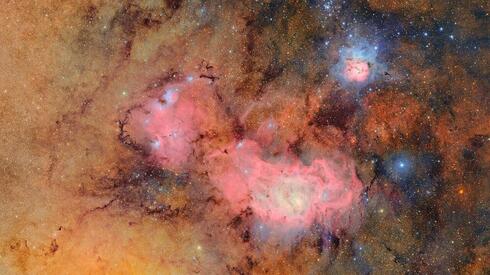
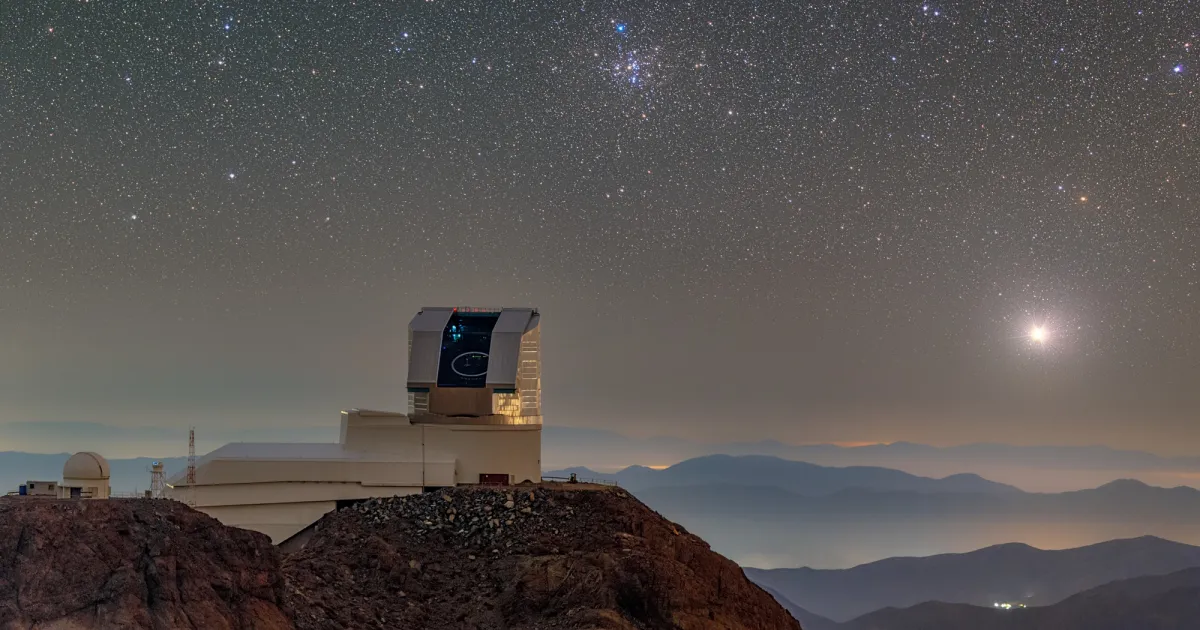
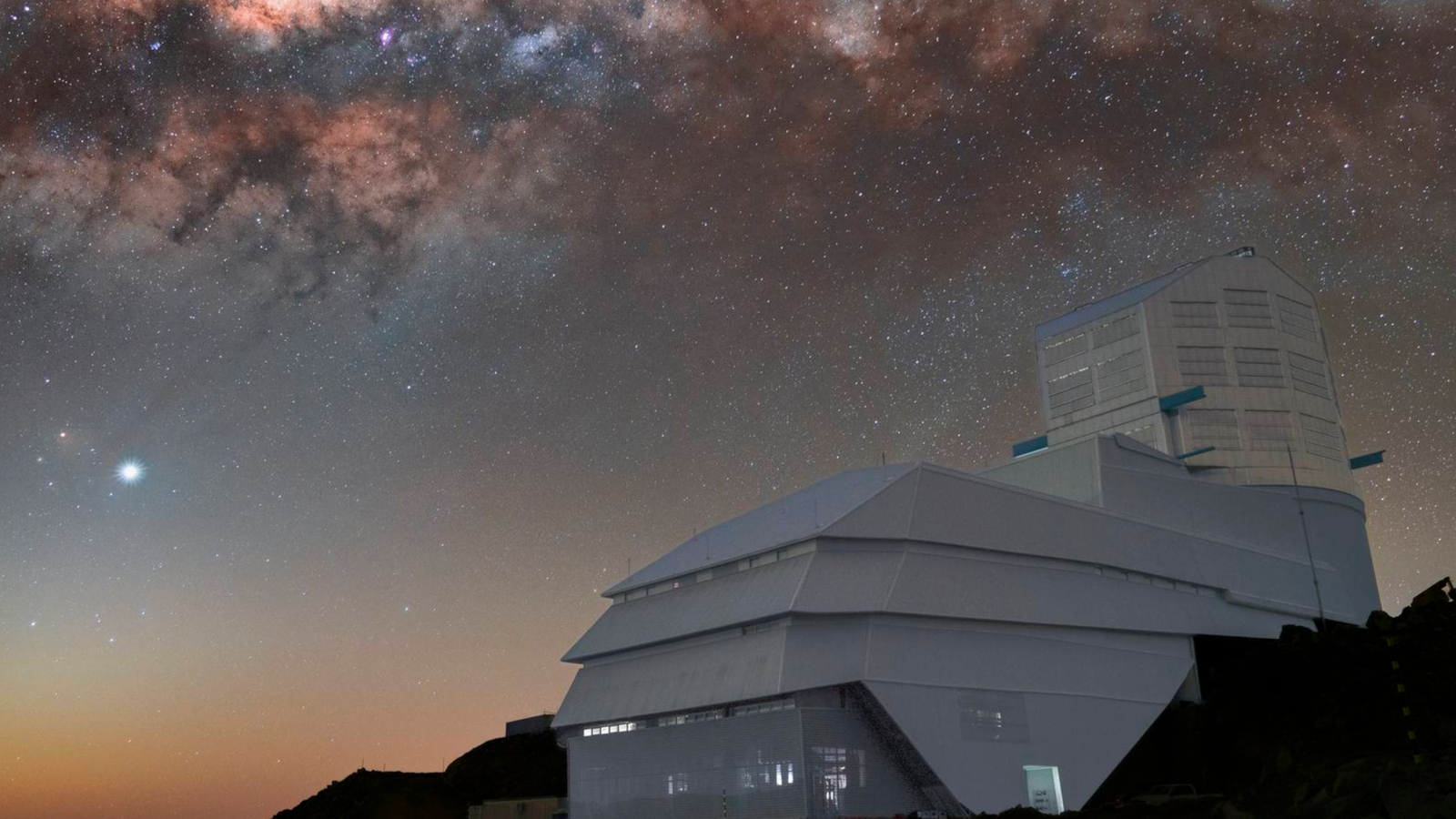
The Vera C. Rubin Observatory in Chile, named after astrophysicist Vera Rubin, captures stunning views of the Milky Way and is set to conduct a decade-long survey of the night sky, collecting vast amounts of data on billions of celestial objects to better understand the universe.
Astronomers propose the existence of a new potential planet, dubbed Planet Y, inferred from the tilted orbits of objects in the Kuiper Belt, with upcoming observations from the Vera Rubin Observatory expected to provide more definitive evidence.
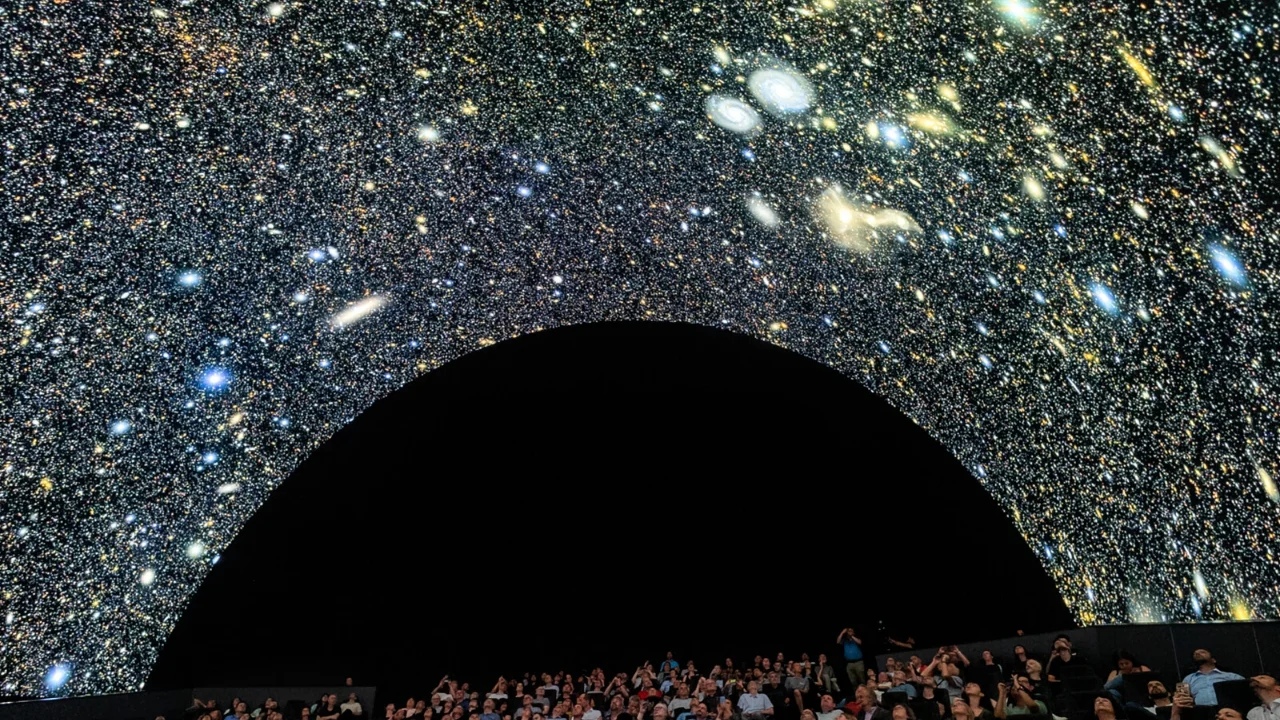
The Prague Planetarium showcased the first images from the Vera Rubin Observatory, which features the world's largest digital camera and aims to map billions of celestial objects over 10 years to study dark matter, captivating audiences worldwide with its detailed cosmic views.
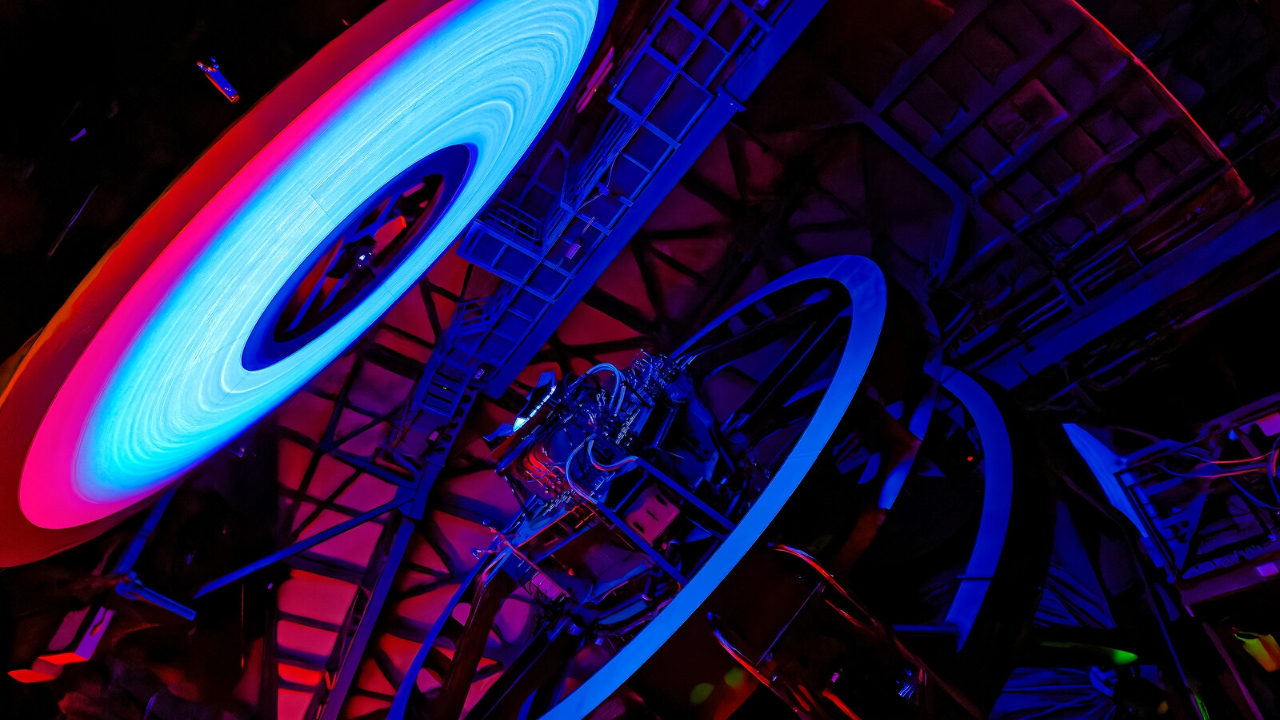
The Vera Rubin Observatory in Chile uses recalibration LEDs to identify and correct instrument imperfections, ensuring precise data collection for its 10-year Legacy Survey of Space and Time aimed at studying dark matter in the universe.
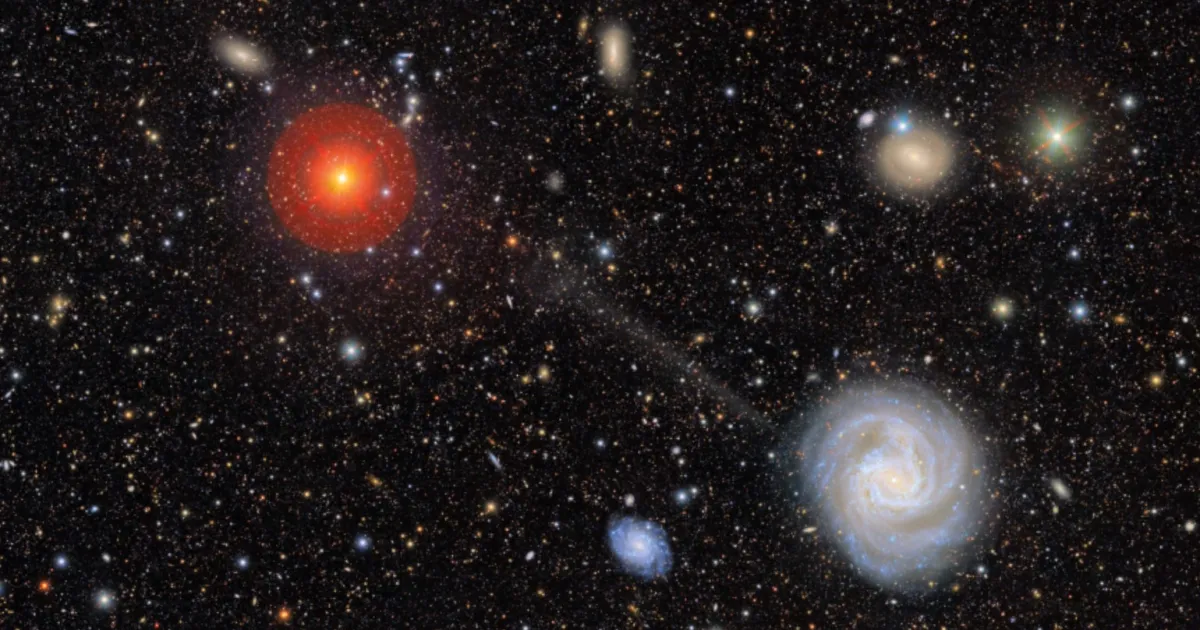
The NSF–DOE Vera C. Rubin Observatory in Chile has unveiled its first images, showcasing its powerful wide-field imaging capabilities designed to survey the southern sky extensively, identify countless celestial objects, and advance our understanding of cosmic phenomena like dark matter and dark energy, while generating vast amounts of data for scientific research.
The Vera Rubin Observatory in Chile has released its first images after a decade of construction, showcasing its powerful capabilities to scan the night sky and discover new galaxies, dark matter, and asteroids over a 10-year survey, revolutionizing ground-based astronomy with its vast coverage and high-resolution imaging.
The Vera Rubin Observatory, with its wide-field, high-resolution, and rapid imaging capabilities, is poised to revolutionize our understanding of the universe by solving cosmic puzzles such as the nature of dark energy, the Hubble tension, and discovering new transient phenomena through time-domain astronomy, while also enabling rapid follow-up observations with other telescopes.
The Vera C. Rubin Observatory will generate an unprecedented 20 terabytes of data nightly, requiring advanced cloud-based data handling, multiple data centers, and AI-driven brokers to manage and analyze the vast amount of astronomical data and alerts efficiently over the next decade.
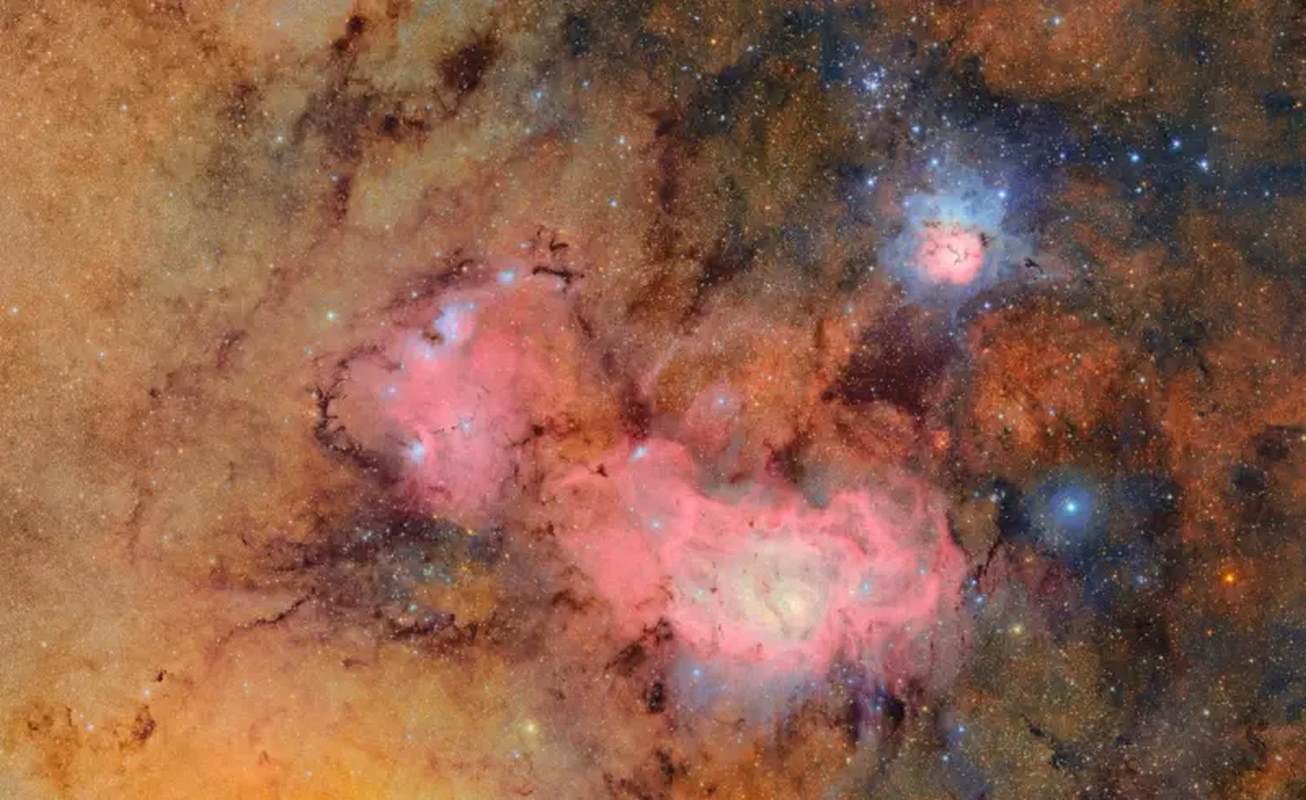
The Vera Rubin Observatory in Chile has debuted its first images, showcasing its powerful 3.2 gigapixel camera capable of capturing vast sections of the night sky. It aims to detect near-Earth asteroids for planetary defense and conduct the Legacy Survey of Space and Time to study dark energy, dark matter, and cosmic changes over ten years. Priced at $473 million, it complements other telescopes like the James Webb Space Telescope by providing wide-field, high-resolution images that can guide future detailed studies. Its initial images include stunning views of nebulae and galaxy clusters, marking a significant advancement in astronomical observation.
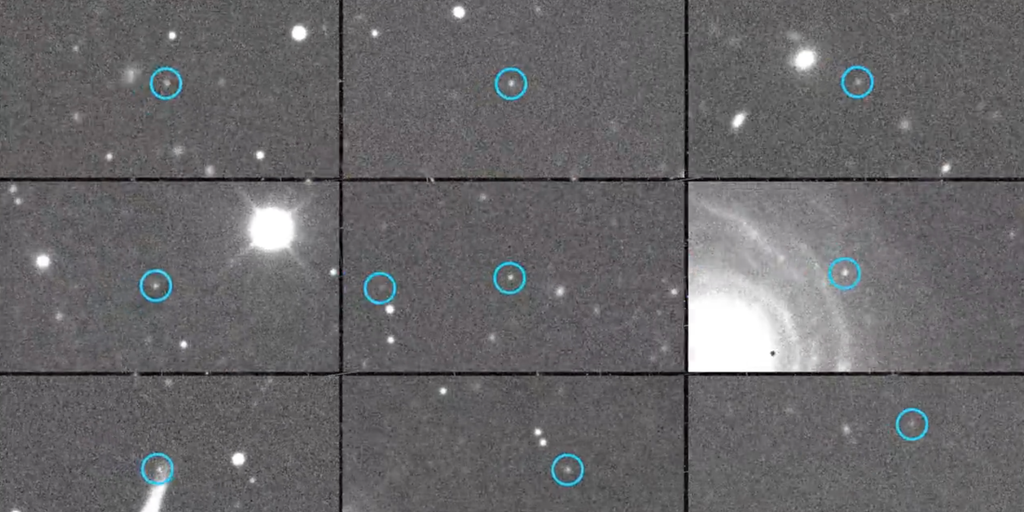
The Vera Rubin Observatory in Chile has discovered over 2,000 previously unknown asteroids within just 10 hours of scanning the night sky, including seven near-Earth objects, highlighting its effectiveness in space observation and its potential to discover millions more in the coming years.
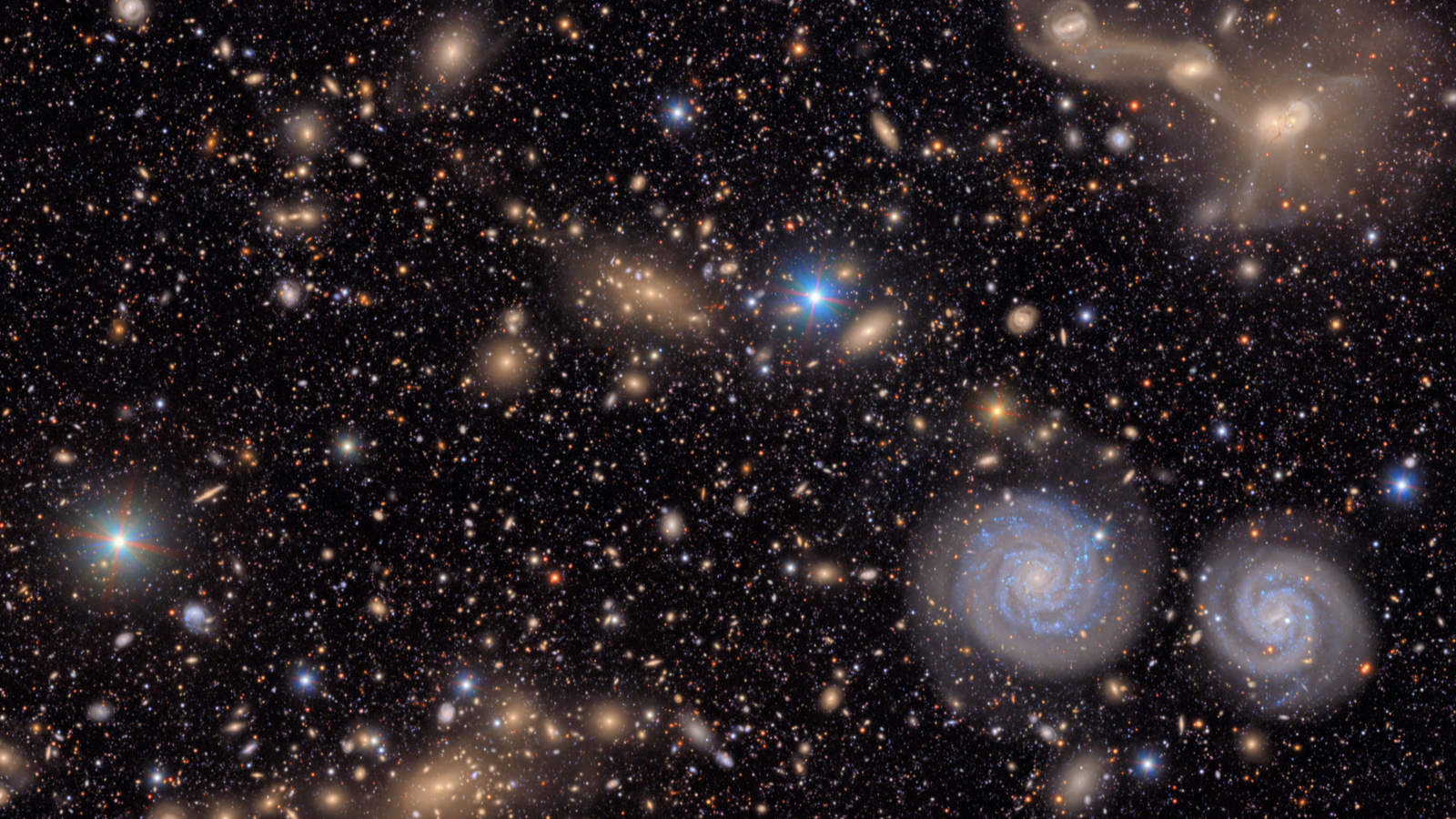
The Vera Rubin Observatory in Chile has captured detailed images of the universe, including the Virgo cluster, revealing millions of galaxies and aiding in the study of dark matter and dark energy through its upcoming 10-year Legacy Survey of Space and Time.
The Vera C. Rubin Observatory in Chile has quickly discovered 1,200 new asteroids, contributing to its goal of finding millions of objects in our solar system, including potential threats, comets, interstellar visitors, and possibly a ninth planet, promising to revolutionize our understanding of the solar system.