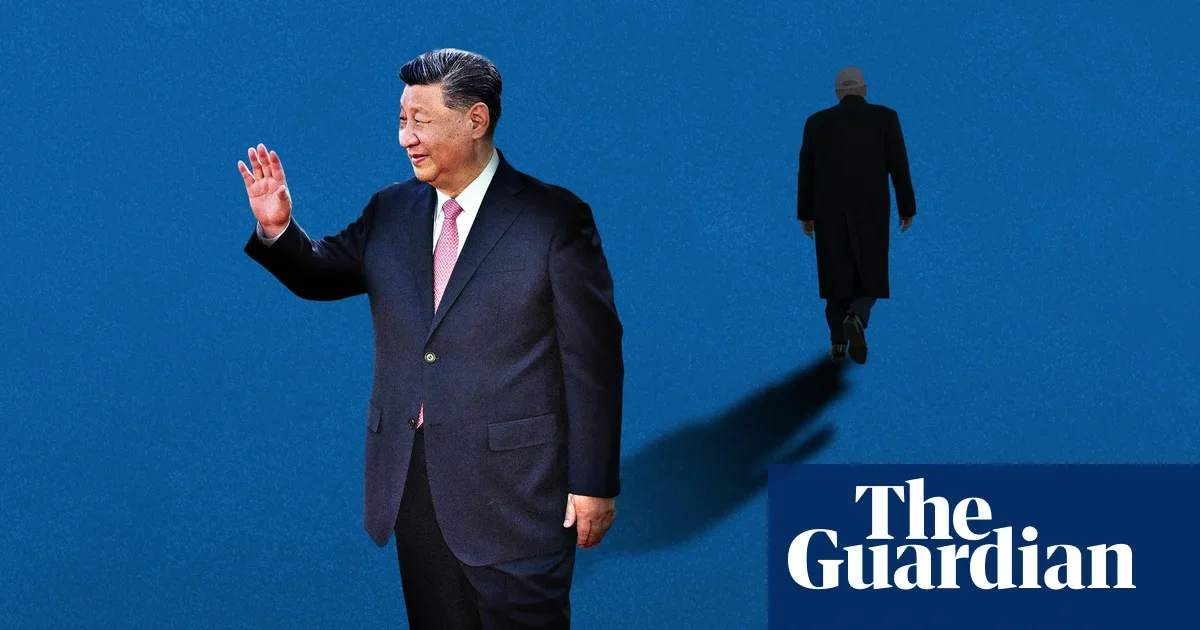
Trump’s chaos nudges Western partners toward Beijing
As Trump’s leadership unsettles Western governments, some allies seek stability by edging closer to China, boosting Beijing’s diplomatic influence and signaling a shift in global power dynamics.

All articles tagged with #us allies
As Trump’s leadership unsettles Western governments, some allies seek stability by edging closer to China, boosting Beijing’s diplomatic influence and signaling a shift in global power dynamics.
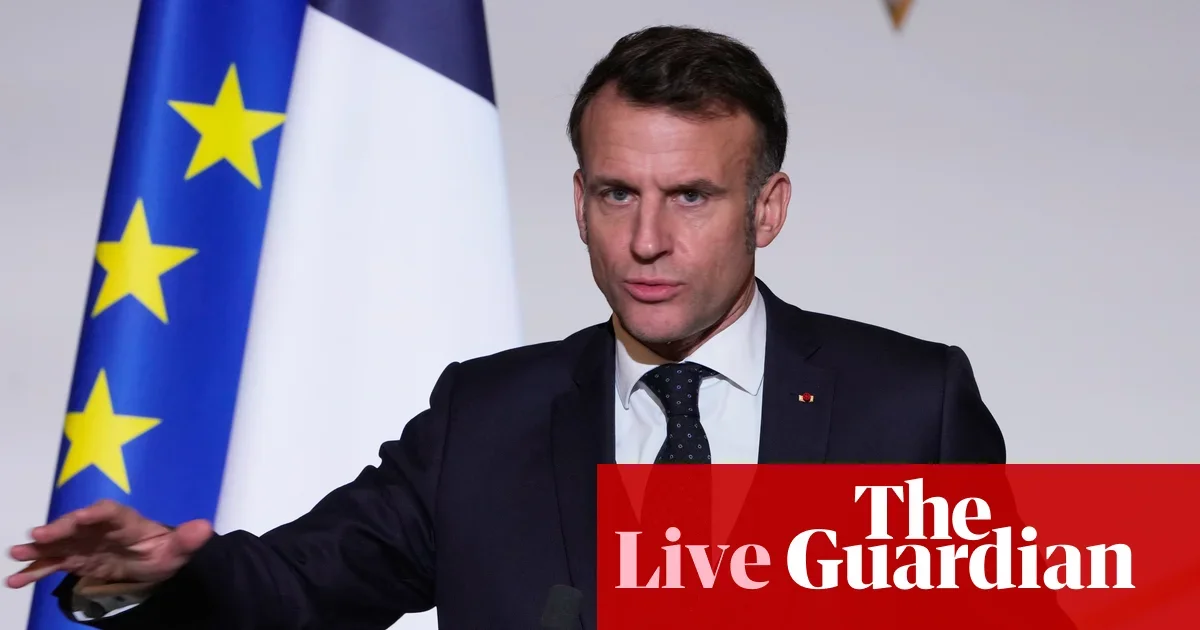
French President Macron criticized Trump's US for turning away from allies and breaking international rules, amid global tensions involving Greenland, EU trade deals, and Russia. Protests against EU-Mercosur trade deal and prisoner exchanges between France and Russia highlight ongoing geopolitical issues, while EU and US discuss responses to US actions in Greenland and Ukraine. The article also covers protests, diplomatic exchanges, and concerns over US and Russian activities.
A recent poll reveals that major US allies, including Canada, Germany, France, and the UK, view the US as unreliable and problematic under Trump's leadership, with many believing it creates more problems than it solves globally, reflecting strained international relations.
Public opinion in democracies like Germany, France, and the UK shows skepticism towards the US, viewing it as unreliable and destabilizing, largely influenced by Trump's foreign policy actions, prompting these countries to recalibrate their strategies and alliances.
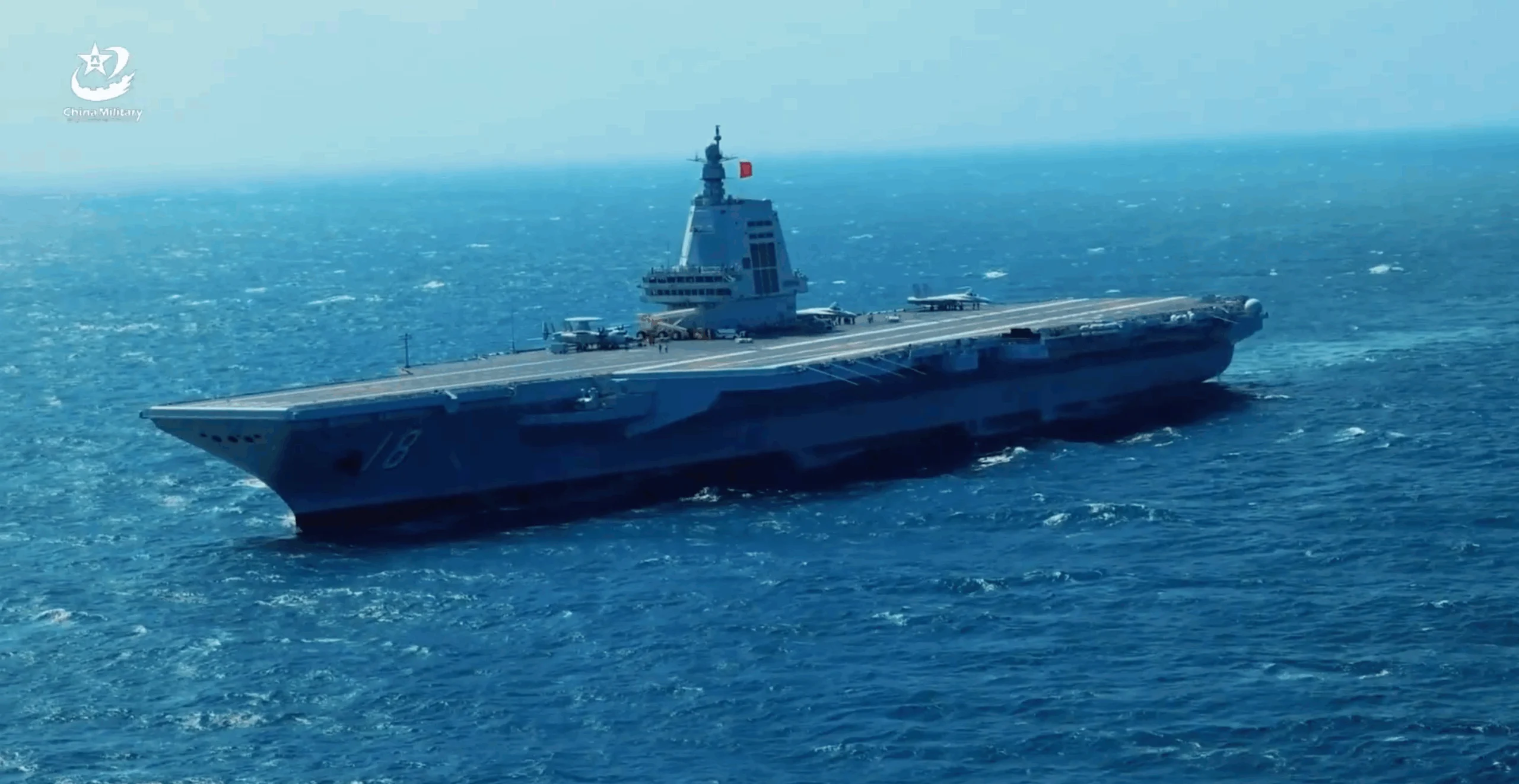
In 2025, Western Pacific saw significant naval activity with France, the UK, and other allies deploying carrier strike groups for exercises and patrols, while China and North Korea increased military movements and encounters, including shadowing and surveillance operations, highlighting ongoing regional tensions and strategic collaborations.
The second Trump administration signals a shift away from traditional U.S. global leadership, leaving allies unprepared for a less reliable U.S. and forcing them to develop their own strategies, including increased self-reliance and potential nuclear capabilities, as the longstanding alliance system faces significant challenges and uncertainty about its future.

U.S. allies, including France, are beginning to oppose the Trump administration's unilateral military actions in Latin America, signaling growing international pushback against these strikes.
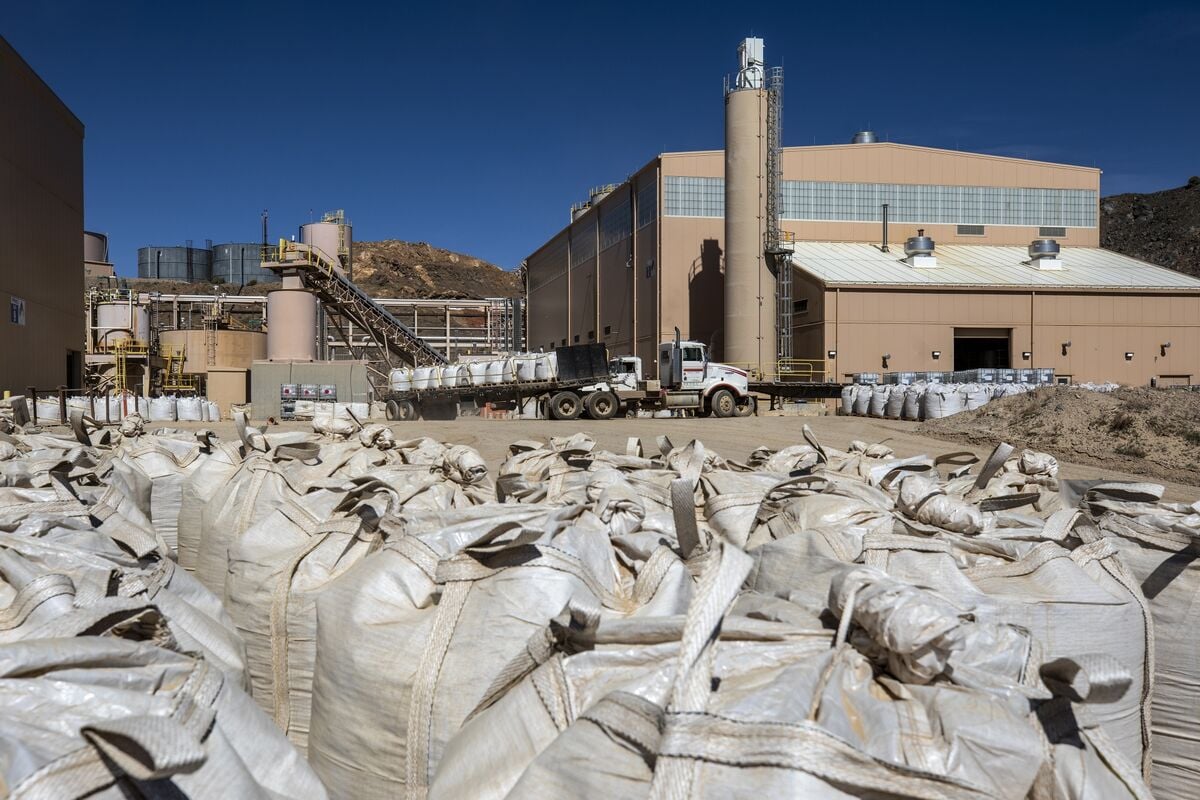
China's new export controls on rare earths are prompting a global response, with countries like the US, Europe, and Australia seeking to diversify supply chains and form coalitions, marking a shift in the US-China trade tensions and highlighting the strategic importance of critical minerals.
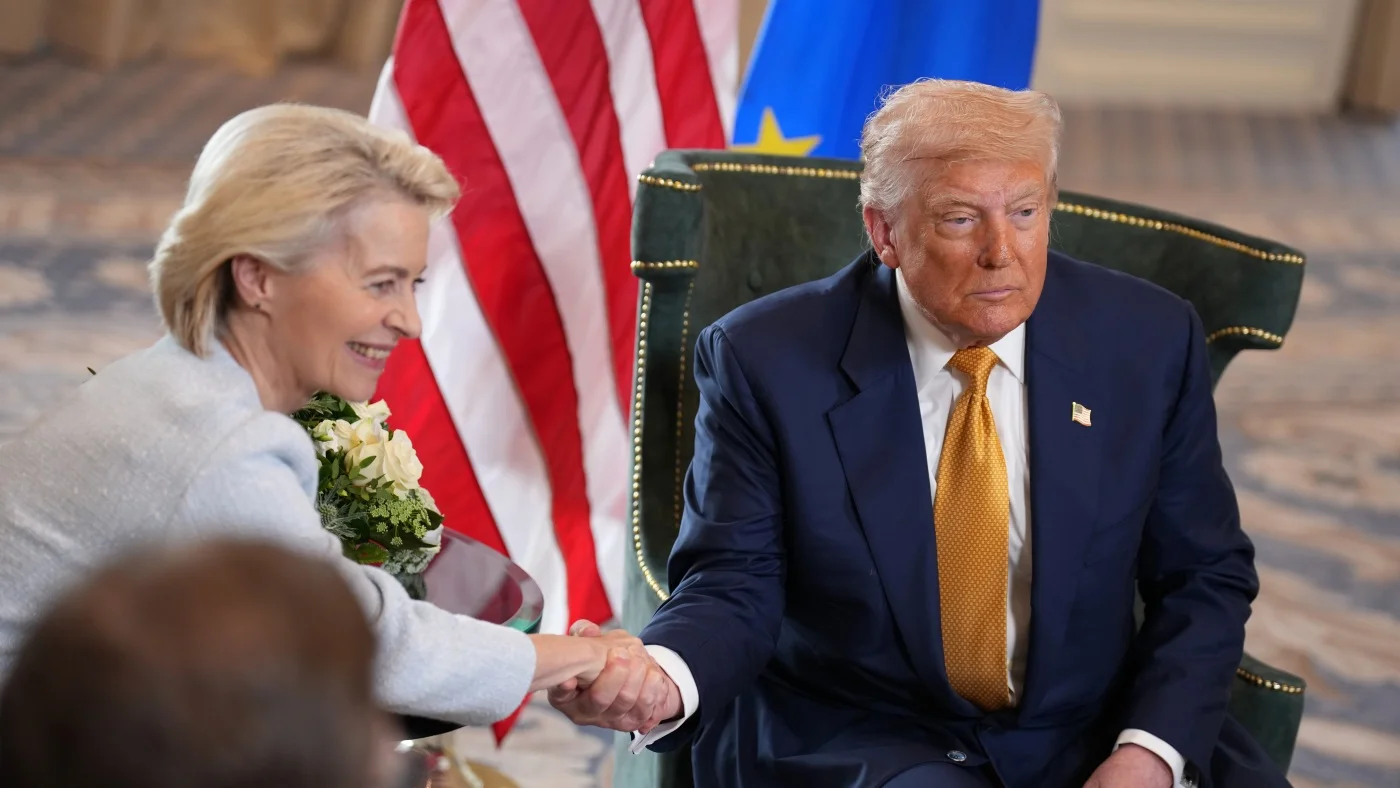
Amid doubts about U.S. leadership, European and Indo-Pacific allies are increasingly cooperating on trade, security, and technology to adapt to a more uncertain global order, emphasizing the need for stronger regional coalitions without relying solely on U.S. dominance.
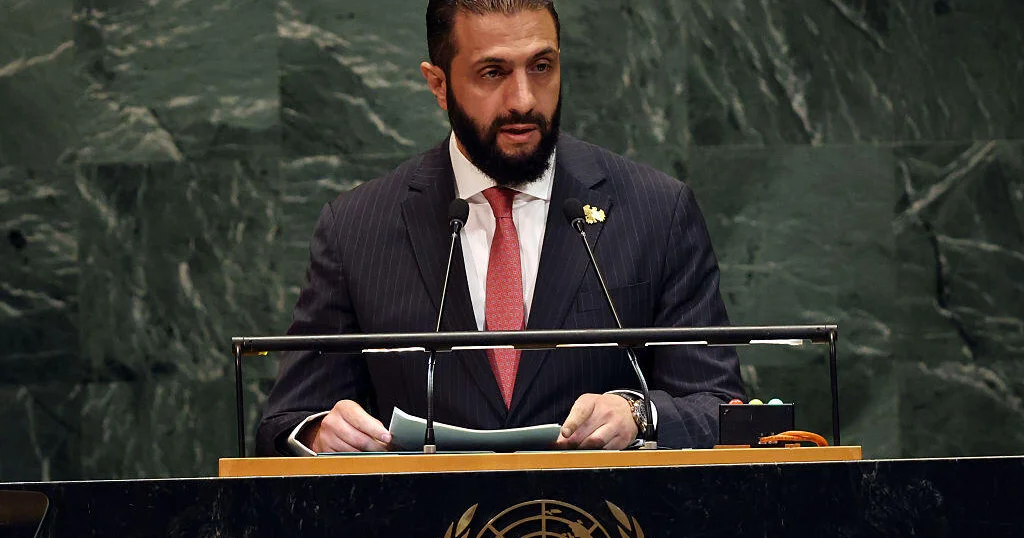
Syria's new president, Ahmed al-Sharaa, warns that Israel's military actions could alienate U.S. allies and destabilize the region, emphasizing the importance of international laws and standards, and calling for negotiations to resolve tensions with Israel.
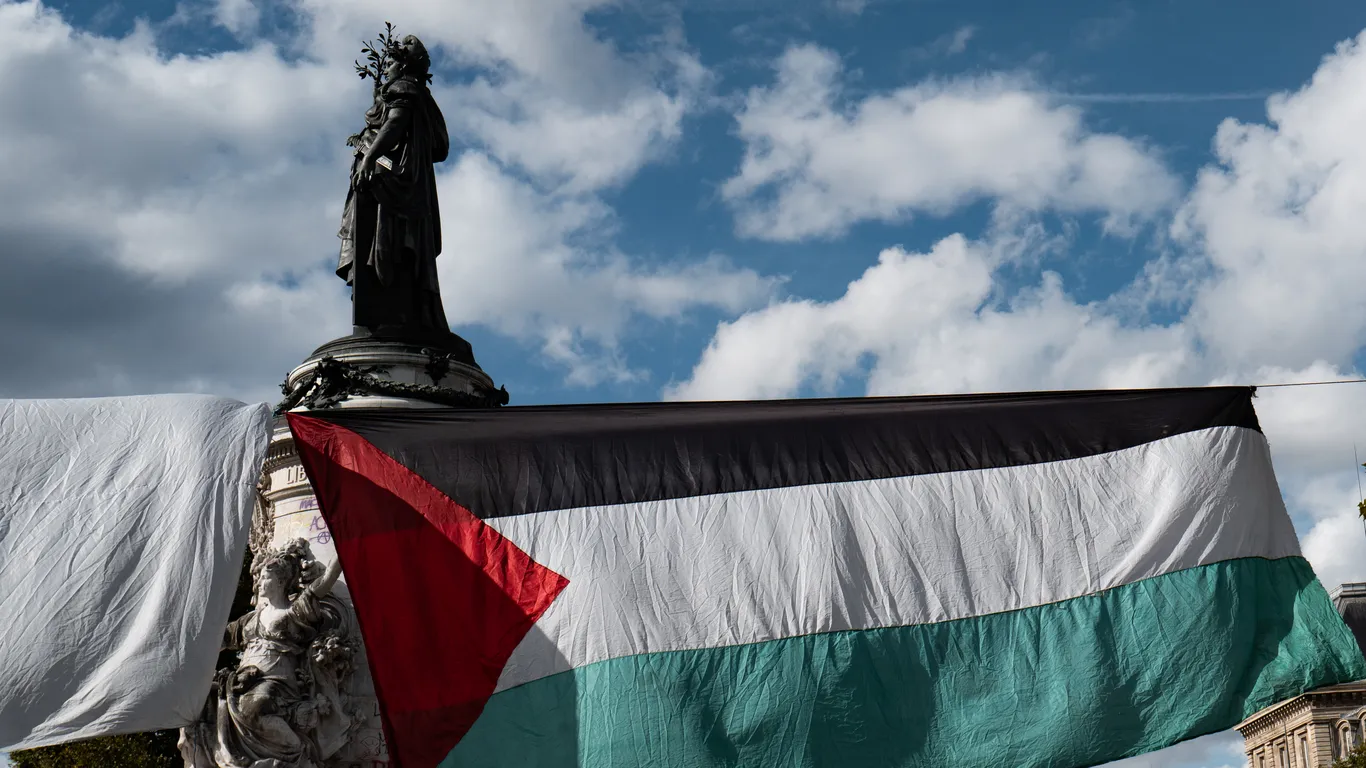
The UK, Canada, and Australia have officially recognized a Palestinian state, prompting criticism from US Republicans and some international leaders, who argue it emboldens Hamas and undermines peace efforts amid ongoing conflicts in Gaza.

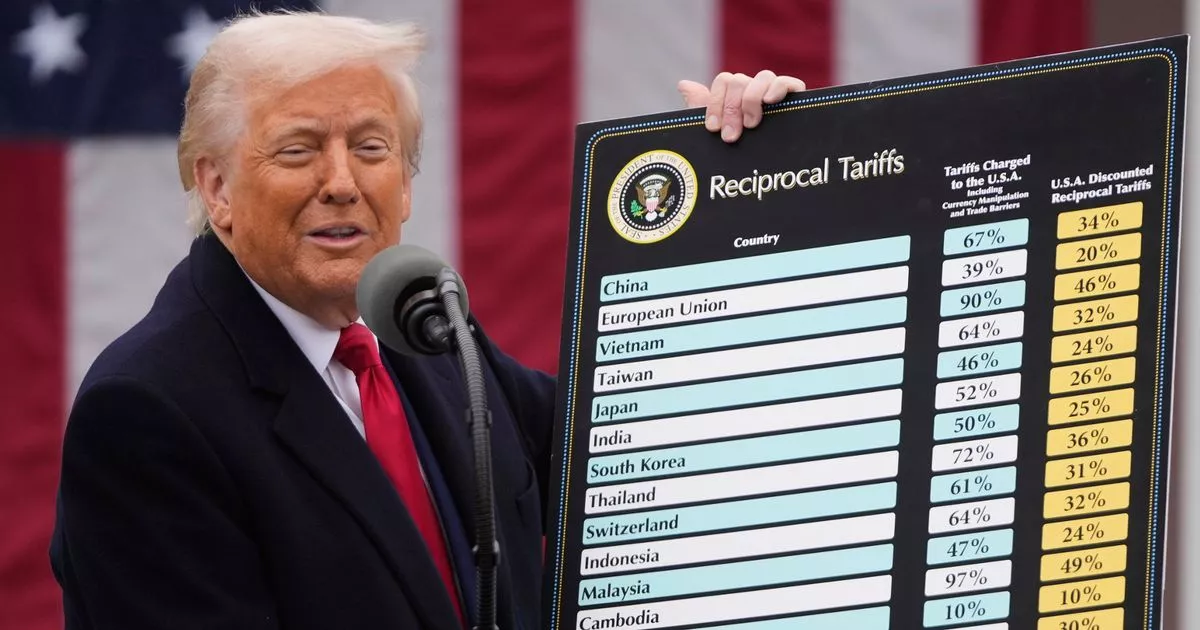
The article discusses the impact of US President Donald Trump's tariffs on Asian economies, highlighting that US allies like Japan, South Korea, and Taiwan managed to negotiate reduced tariffs, while China and India face ongoing tensions. Southeast Asian countries experienced varied effects, with Vietnam successfully lowering tariffs, whereas Laos and Myanmar faced higher levies. The situation remains dynamic, with ongoing negotiations and potential tariff adjustments.

The US and its allies are inadequately prepared to defend against saturation missile attacks, with current missile defense systems like THAAD and Patriot facing limitations in intercepting large volumes of missiles, especially hypersonic ones, and the US industrial base struggling to produce enough interceptors to maintain effective defense.
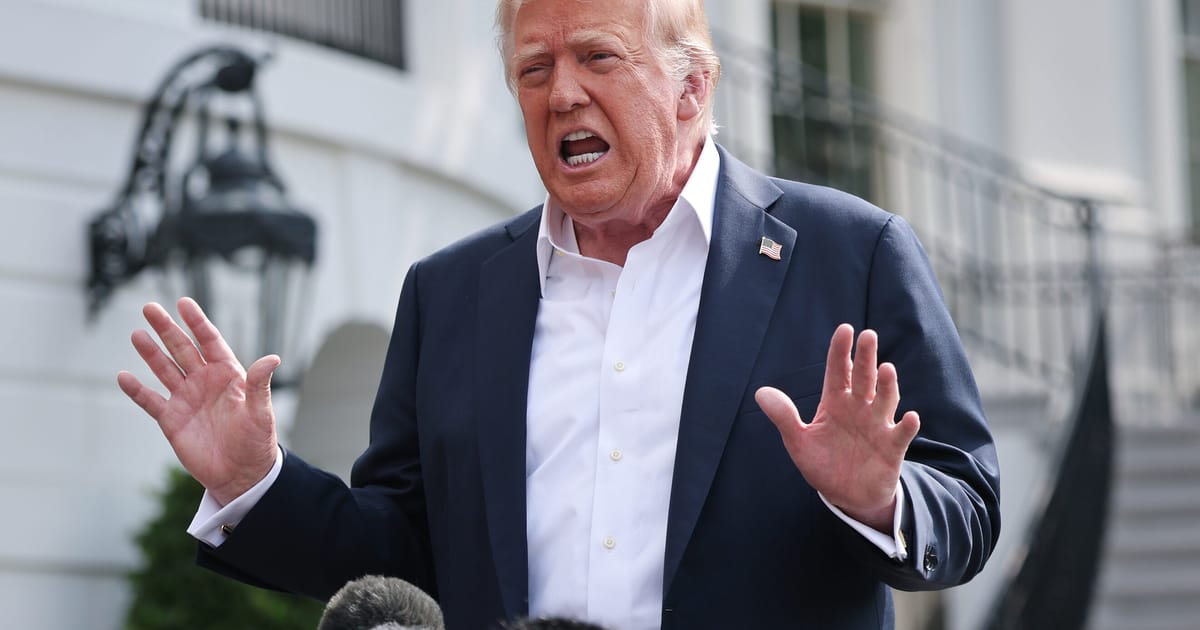
The article argues that President Trump overestimates US leverage in trade negotiations, believing tariffs are a powerful tool, but in reality, many countries are shifting their economic ties away from the US, seeking new opportunities and strengthening alliances elsewhere, which undermines US influence in global trade.
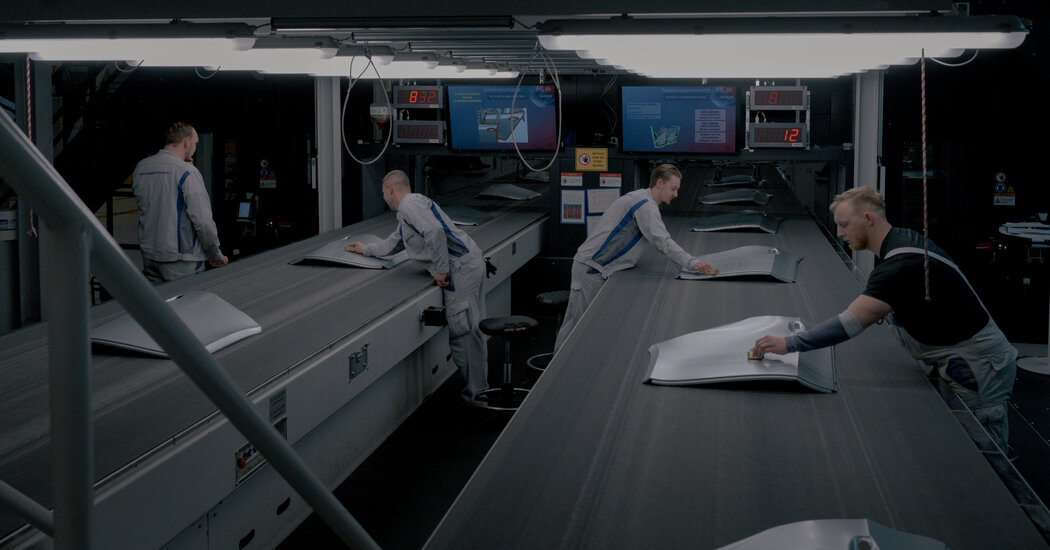
Amid escalating US tariffs and trade chaos, the European Union and other global partners are seeking to diversify and strengthen their trade relationships, aiming to create a new trade map less dependent on the US, which includes forging closer ties with countries like Indonesia and exploring independent trade alliances.