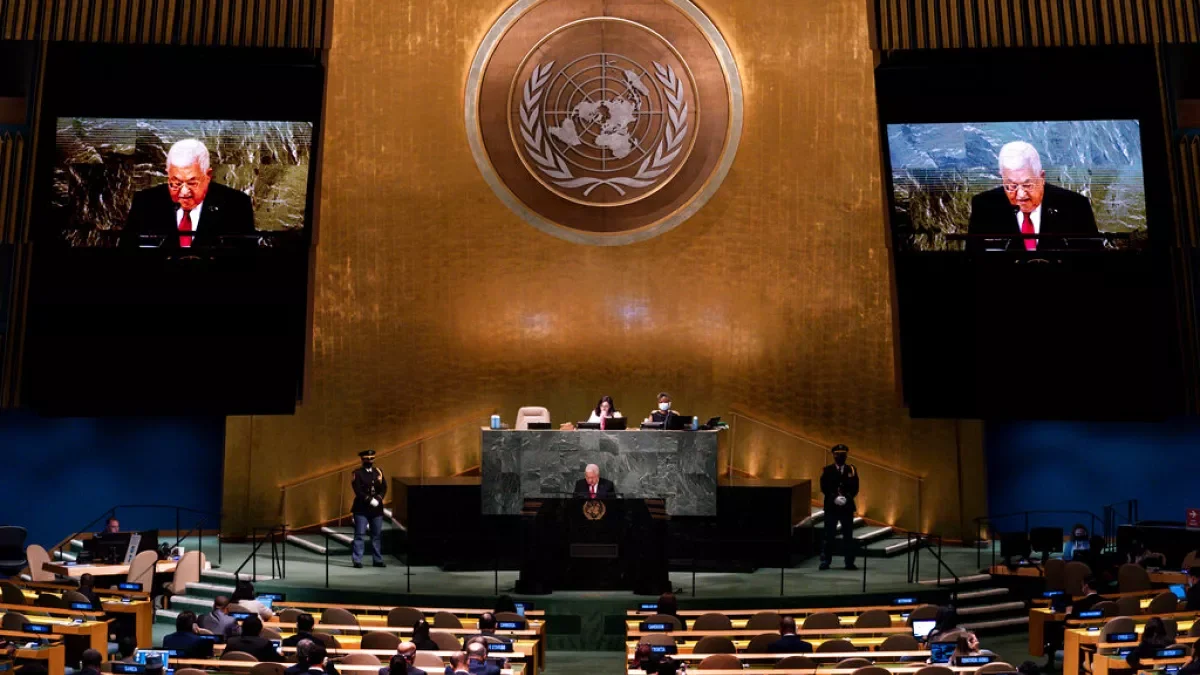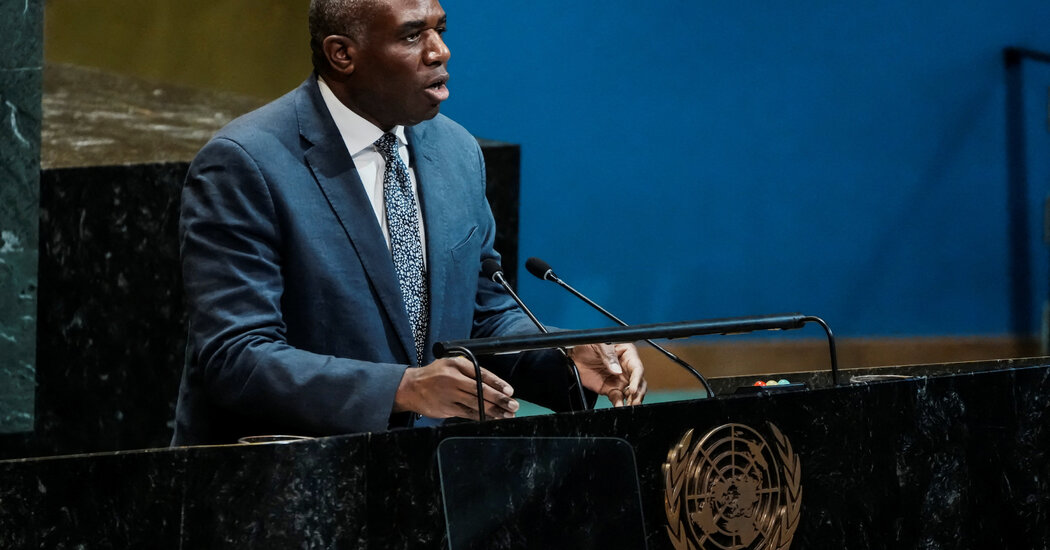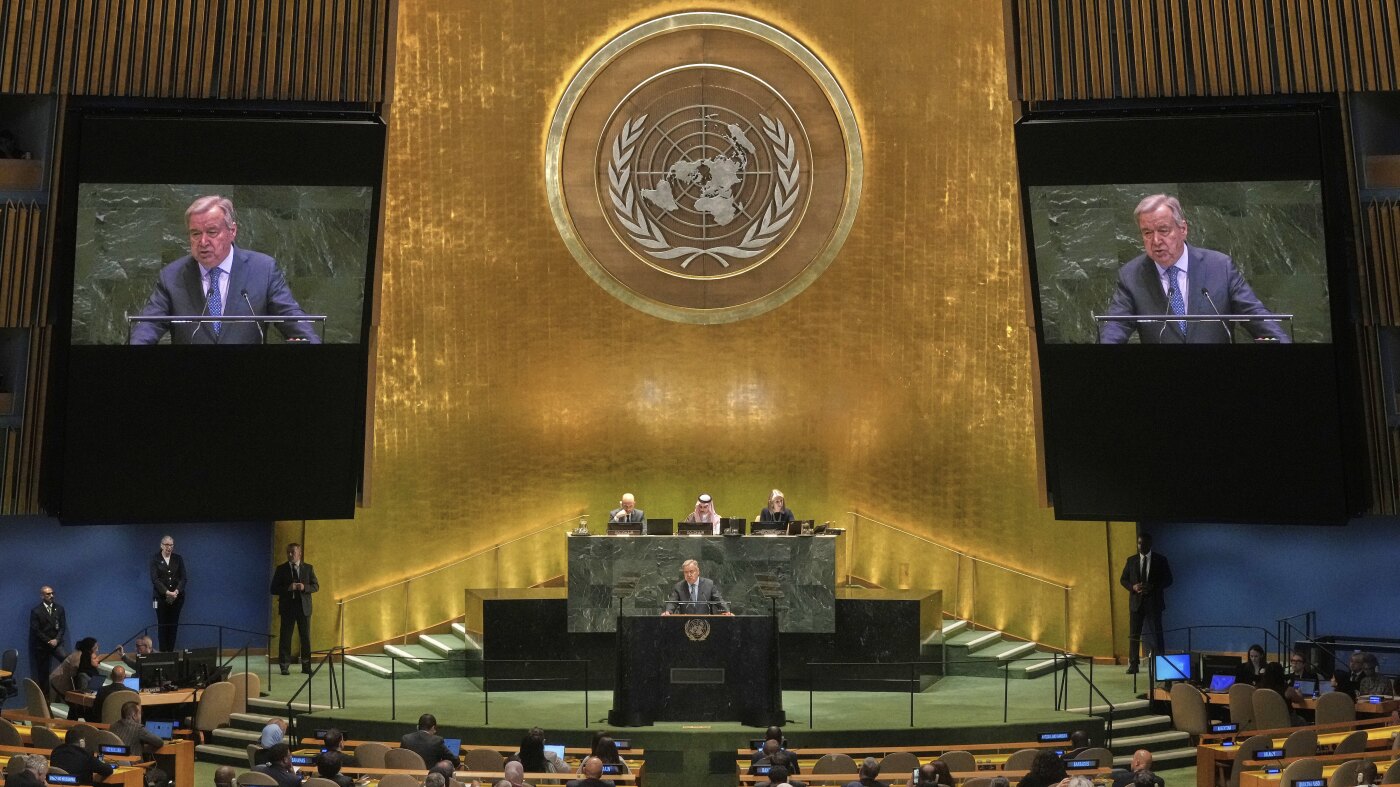
The 80th UN General Assembly opens amid global crises, including deadlocked conflicts in Ukraine and Gaza, U.S. funding cuts, and shifting international influence, with key issues like Palestinian statehood recognition and Syria's diplomatic reintegration taking center stage.
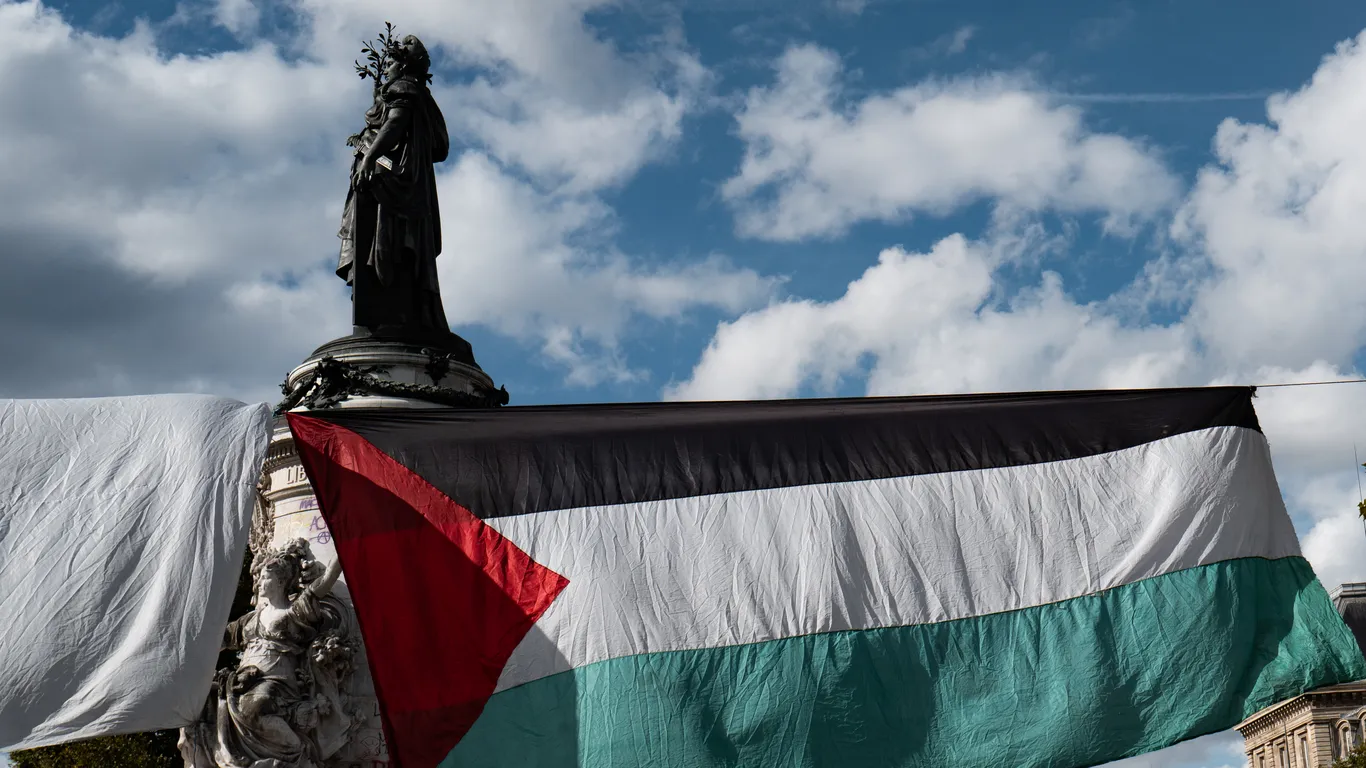
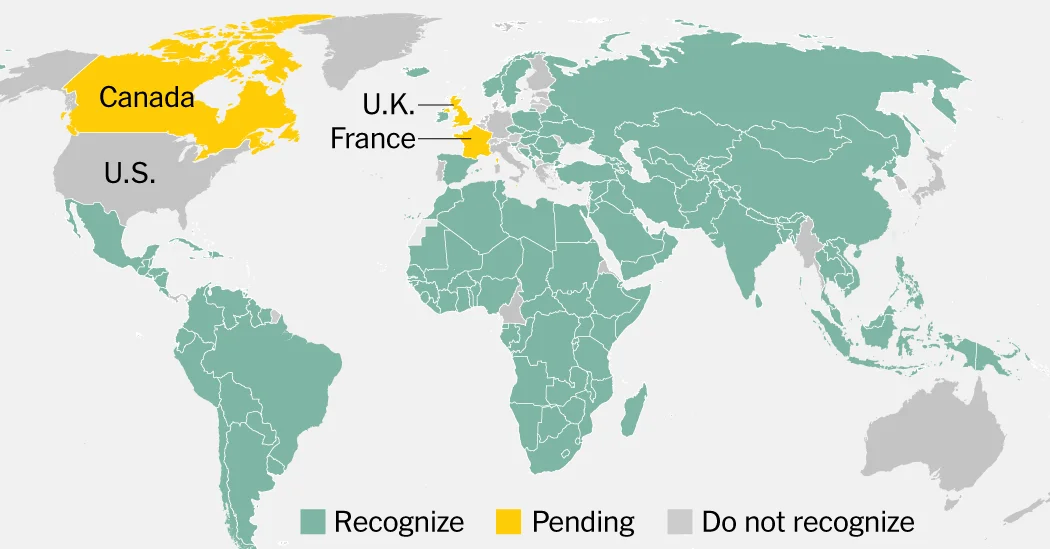
The UK, Canada, and Australia have officially recognized a Palestinian state, prompting criticism from US Republicans and some international leaders, who argue it emboldens Hamas and undermines peace efforts amid ongoing conflicts in Gaza.
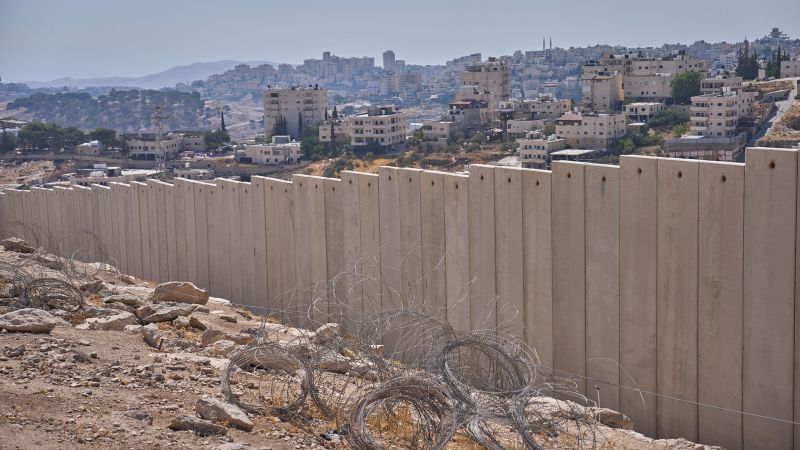
Several Western countries are set to recognize a Palestinian state, marking a symbolic milestone, but the reality on the ground—Israeli settlements, military occupation, and internal Palestinian issues—makes the establishment of a viable Palestinian state unlikely in the near term. The recognition could have legal and diplomatic implications, but significant obstacles remain, including Israeli policies and Palestinian governance challenges.
The UN General Assembly overwhelmingly supported a nonbinding resolution advocating for a two-state solution for Israel and Palestine, emphasizing Palestinian governance, condemning violence from Hamas and Israel, and urging recognition of Palestine as an essential step, despite opposition from Israel and the US.
A majority of Americans support UN recognition of Palestine and believe the US should act to prevent starvation in Gaza, while a significant portion also views Israel's military response as excessive, reflecting deep partisan divides and ongoing international tensions.
A majority of Americans (58%) support UN recognition of Palestine amid ongoing Israel-Hamas conflict, with significant concern over the humanitarian crisis in Gaza and debates over Israel's military response, reflecting complex international and domestic perspectives.
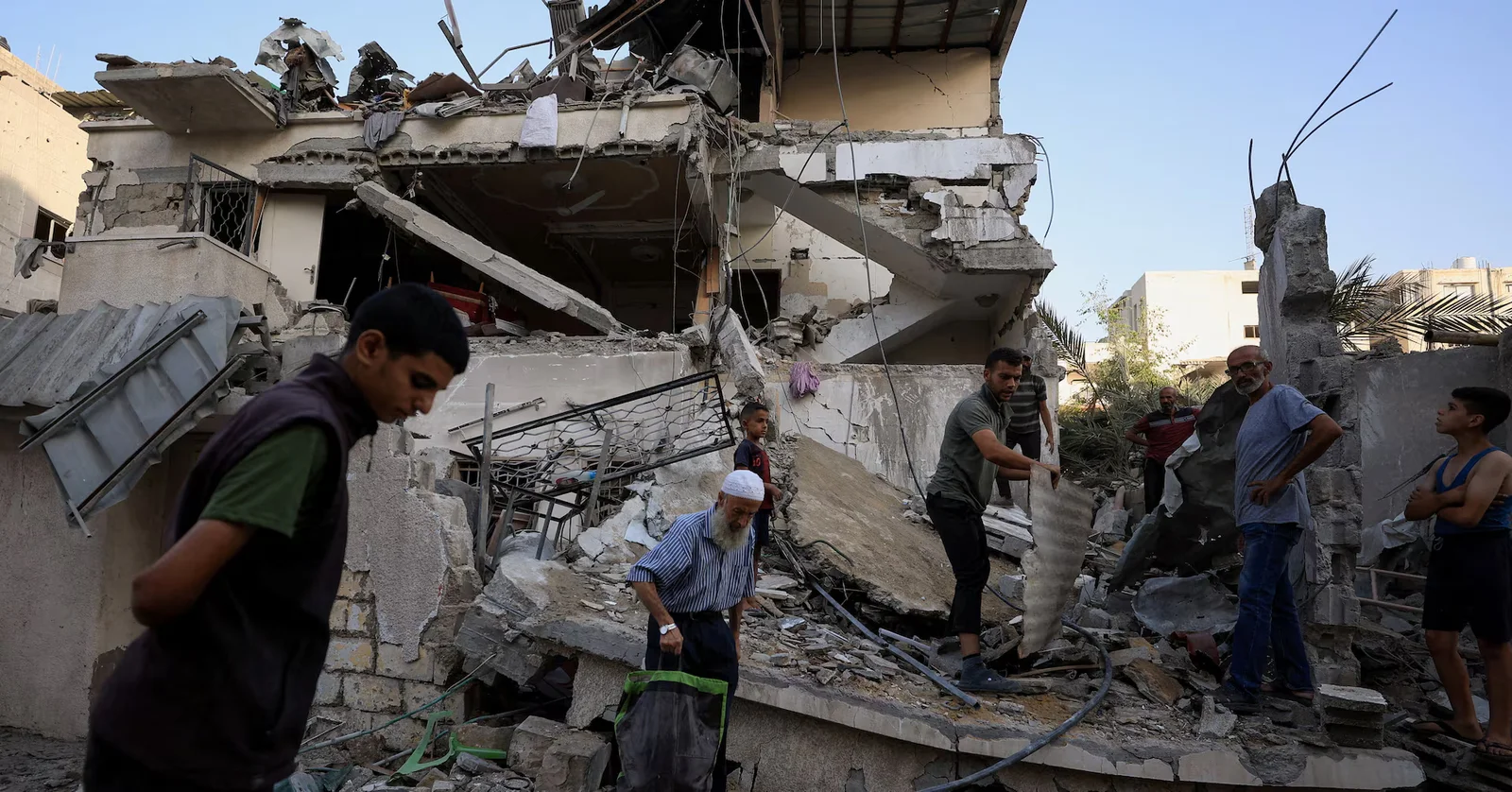
The article reports on the killing of Al Jazeera journalist Anas al-Sharif by Israeli forces in Gaza, amid ongoing conflict and international reactions, including Australia's plan to recognize Palestinian statehood, Israel's military offensive against Hamas, and concerns over humanitarian crises in Gaza.
The article discusses the 109-year-old Sykes-Picot Agreement and its lingering impact on Middle Eastern geopolitics, highlighting recent moves by Britain and France to recognize a Palestinian state. These decisions are framed as both a response to current crises in Gaza and an acknowledgment of historical injustices, such as the Balfour Declaration and colonial legacies. Experts view these recognitions as attempts by former colonial powers to address their past roles and influence in the region, despite the potential for prolonging conflicts.
France's decision to recognize Palestinian statehood has sparked deep divisions within the country, intensifying tensions between its Jewish and Muslim communities amid ongoing Middle East conflicts. While some see it as a symbolic and important step, others criticize it as a diplomatic mistake, reflecting broader geopolitical and social rifts in France.
Recently, three major Western allies—France, the UK, and Canada—announced their intentions to recognize a Palestinian state, adding to the existing recognition by most UN member states, with only the US among the permanent Security Council members not recognizing Palestine. These moves are driven by frustrations over the ongoing conflict in Gaza.
France attempted to rally international support for recognizing Palestine as a state at a UN conference but failed to secure consensus, with many countries hesitant or requiring further considerations, highlighting ongoing divisions over the two-state solution.
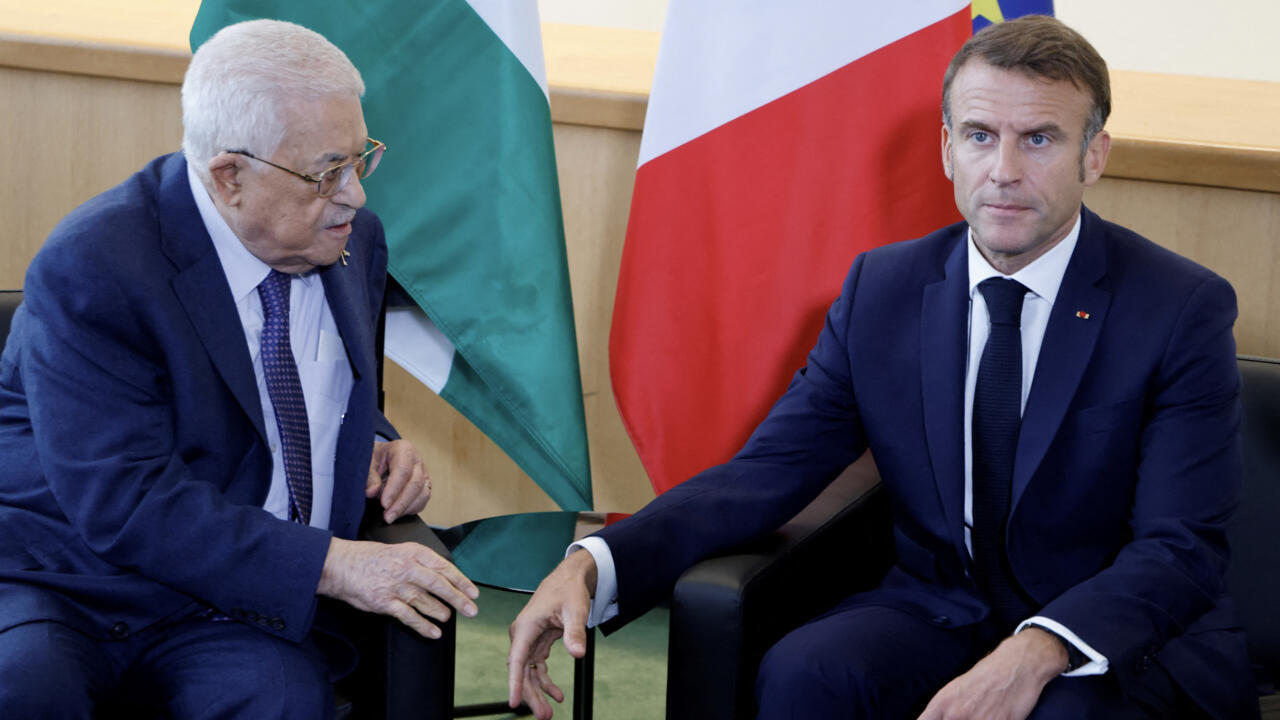
France plans to recognize Palestine as a state at the UN in September, a move that has been met with strong opposition from the US and Israel, while receiving support from Saudi Arabia and Spain. The decision aims to promote peace and a two-state solution amid regional tensions and diplomatic efforts.
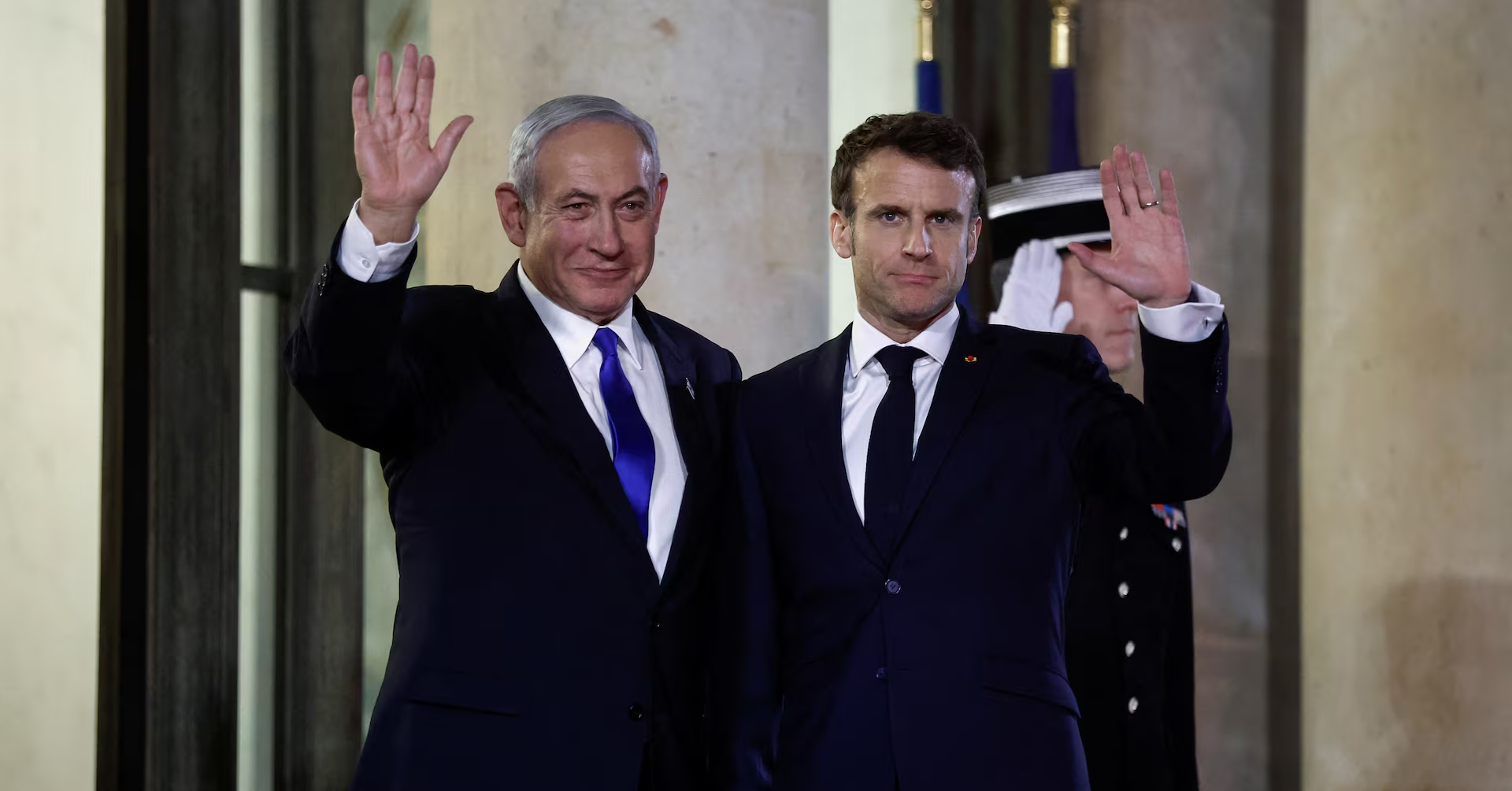
French President Emmanuel Macron is considering recognizing a Palestinian state, a move that could influence international diplomacy and regional stability, but faces opposition from Israel and some European countries, with debates over its timing and effectiveness in advancing peace.