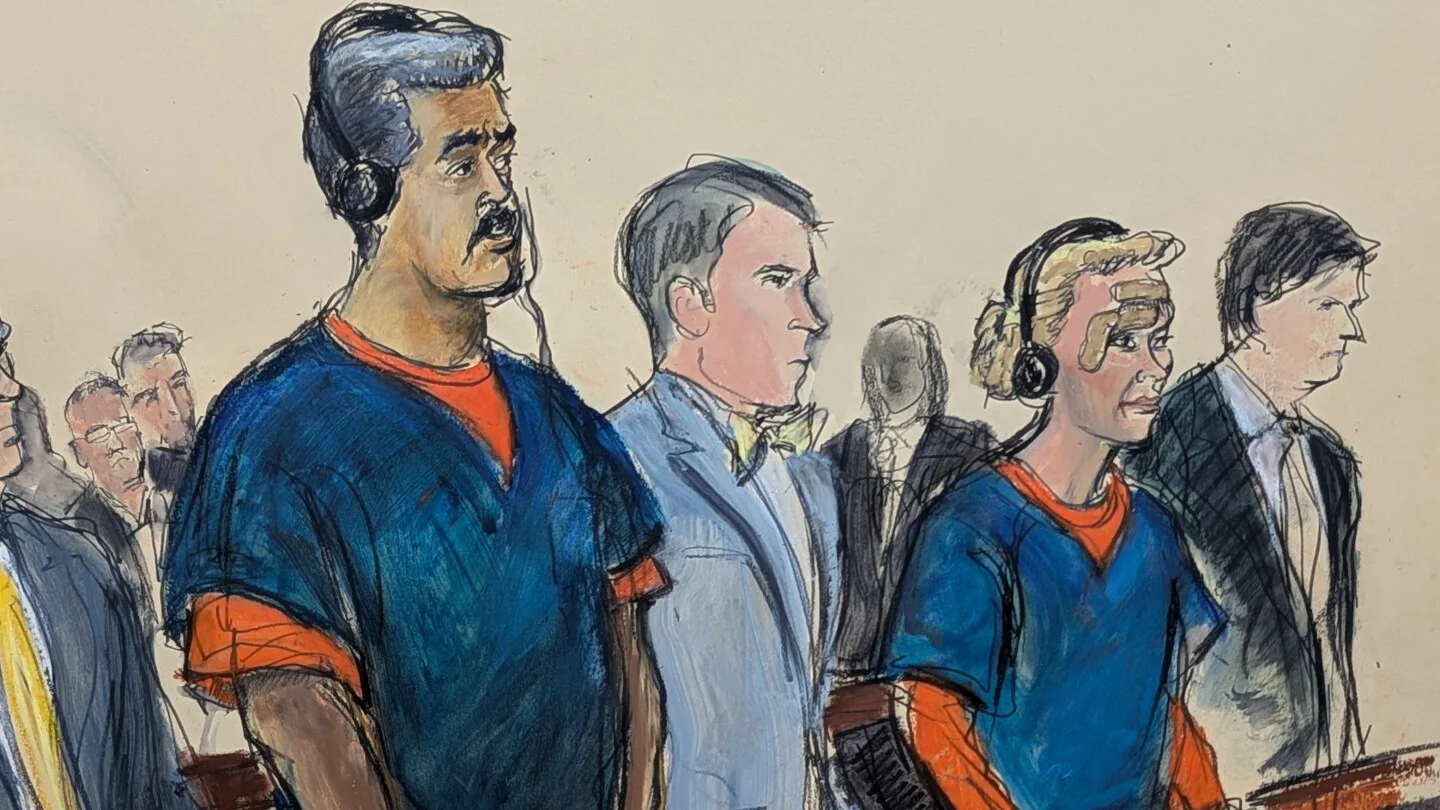
The US's capture of Nicolás Maduro raises concerns about the erosion of international legal norms and the potential for increased unilateral military actions by powerful nations, threatening global stability and the post-World War II international order.
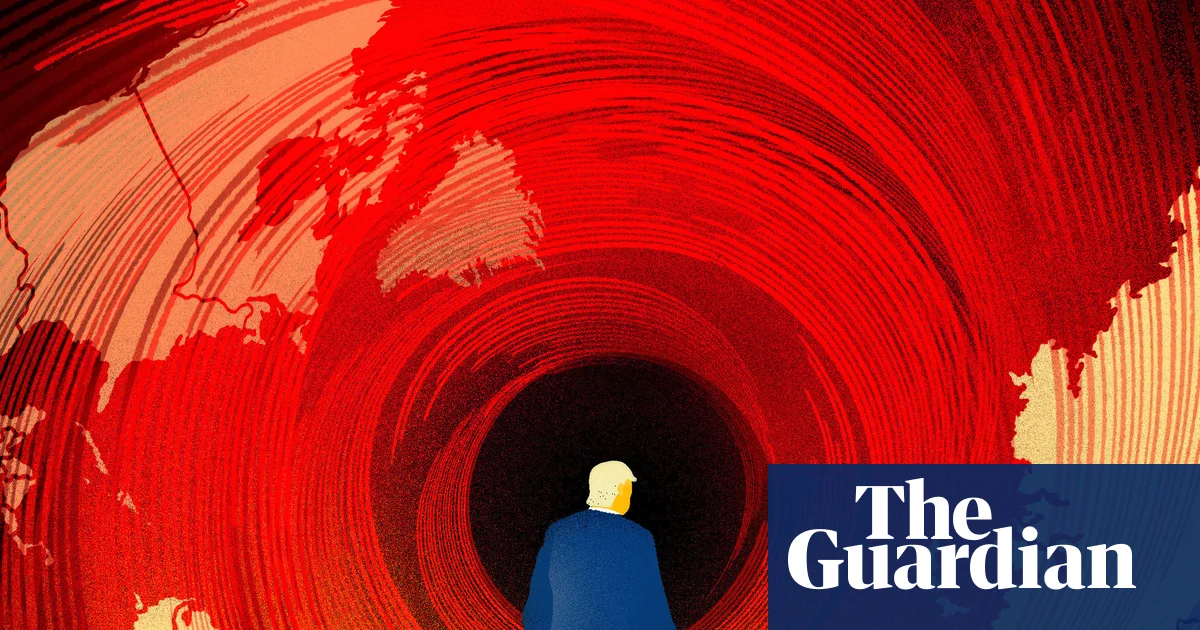
The article discusses how Donald Trump's presidency has led to a significant decline in the legitimacy and effectiveness of international law and the post-World War II global order, characterized by increased unilateralism, disregard for international norms, and a move towards a system where power and coercion override legal constraints, resulting in a chaotic and disorderly international landscape.
Ukrainian President Zelenskyy thanked Japan for its $6 billion financial aid and humanitarian equipment, emphasizing Japan's leadership in defending the global rules-based order and supporting Ukraine's resilience against Russian aggression.
By 2100, Africa's population will more than double, becoming the world's demographic center, while China's population will decline dramatically, marking the steepest drop in recorded history. This shift will reshape geopolitical power, economies, and societies, with Africa potentially emerging as a major economic and cultural hub, and East Asia and Europe facing long-term population declines that could impact global stability.
The second Trump administration signals a shift away from traditional U.S. global leadership, leaving allies unprepared for a less reliable U.S. and forcing them to develop their own strategies, including increased self-reliance and potential nuclear capabilities, as the longstanding alliance system faces significant challenges and uncertainty about its future.
The article discusses the controversy surrounding Iran's use of the 'snapback' mechanism in the JCPOA, highlighting its role as a legal and geopolitical tool that exposes deep divisions in the international order, with implications for sovereignty, legitimacy, and global governance.
The article argues that a new world order, centered around China, the US, Europe, and the Global South, is already in place, replacing the US-dominated unipolar system. It discusses the historical shifts in global power, current geopolitical tensions, and the flux and challenges faced by major powers, emphasizing that the global order is in a state of ongoing transition and uncertainty.
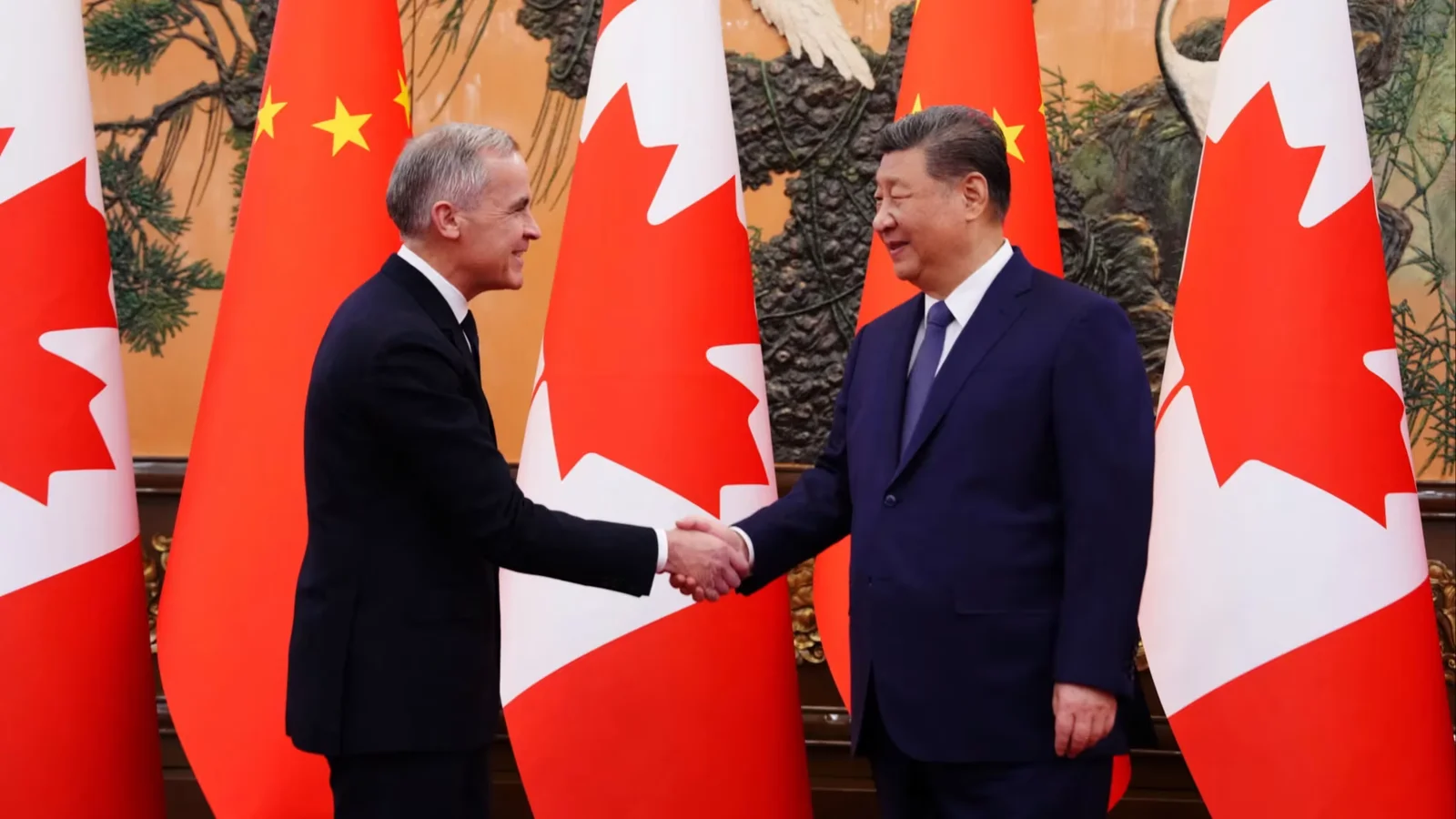
China is asserting itself as the leader of the post-World War II order, a shift influenced by actions and policies during Trump's presidency, signaling a decline in the Western-led consensus that once defined the global system.
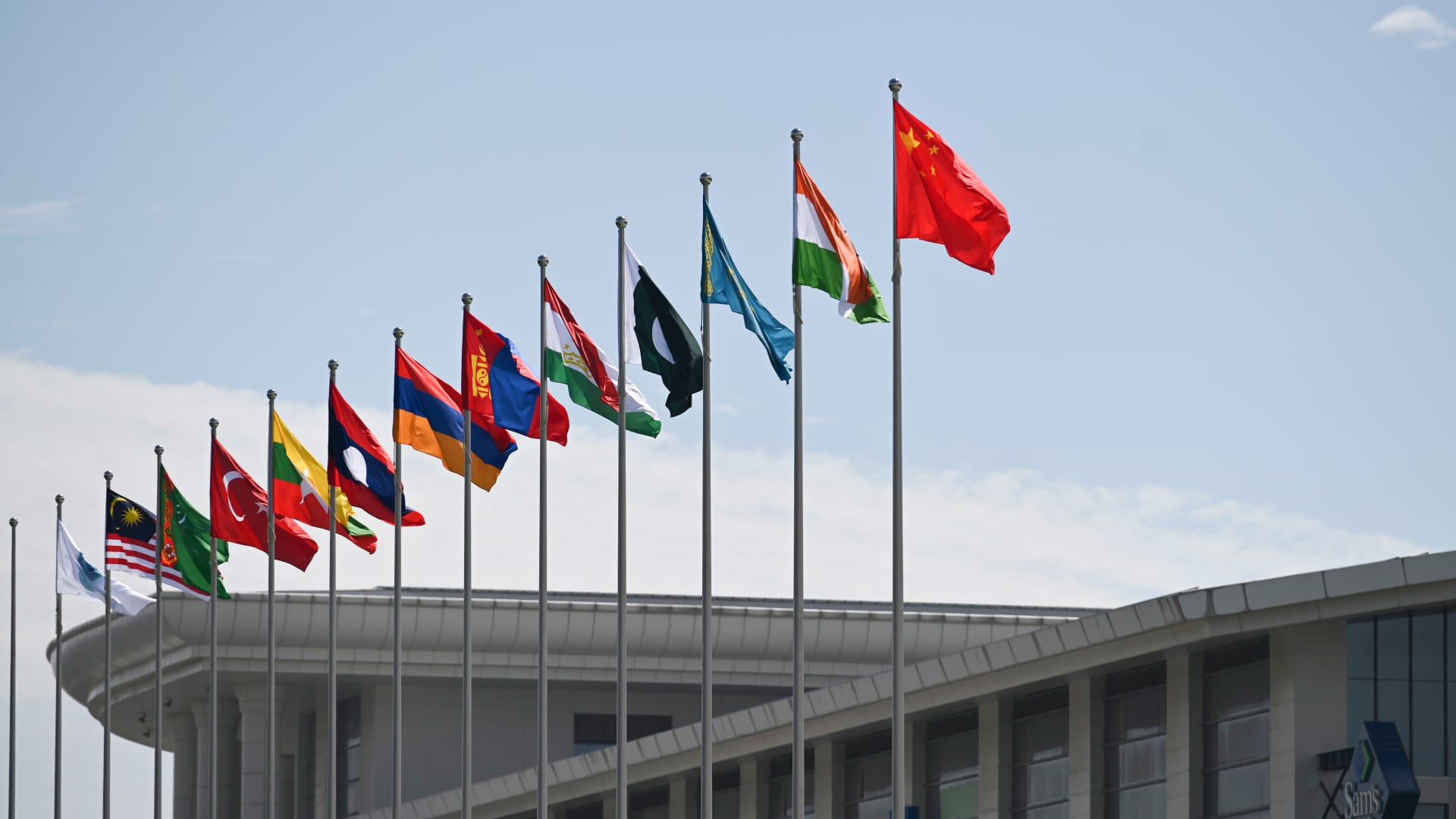
The 2025 SCO summit in Tianjin highlighted China's efforts to reshape global security and economic order, featuring improved India-China relations, a focus on AI collaboration, and the creation of a new development bank, signaling a challenge to U.S. influence amid geopolitical tensions.
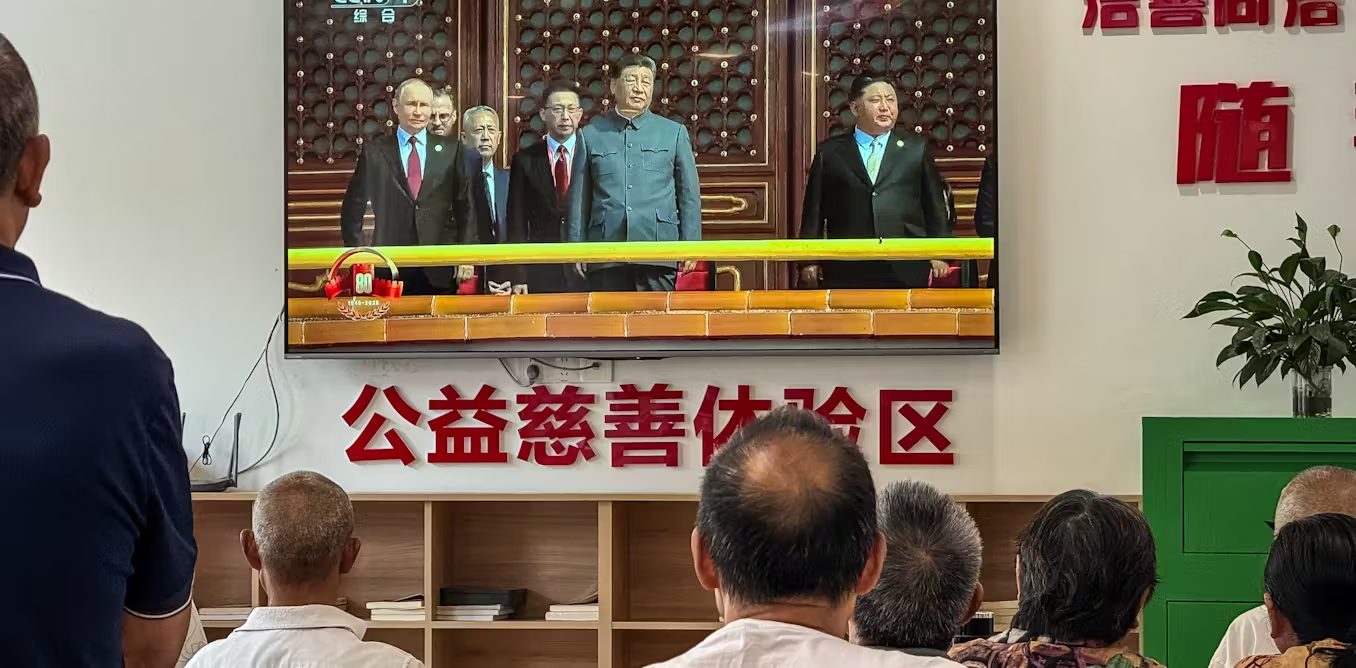
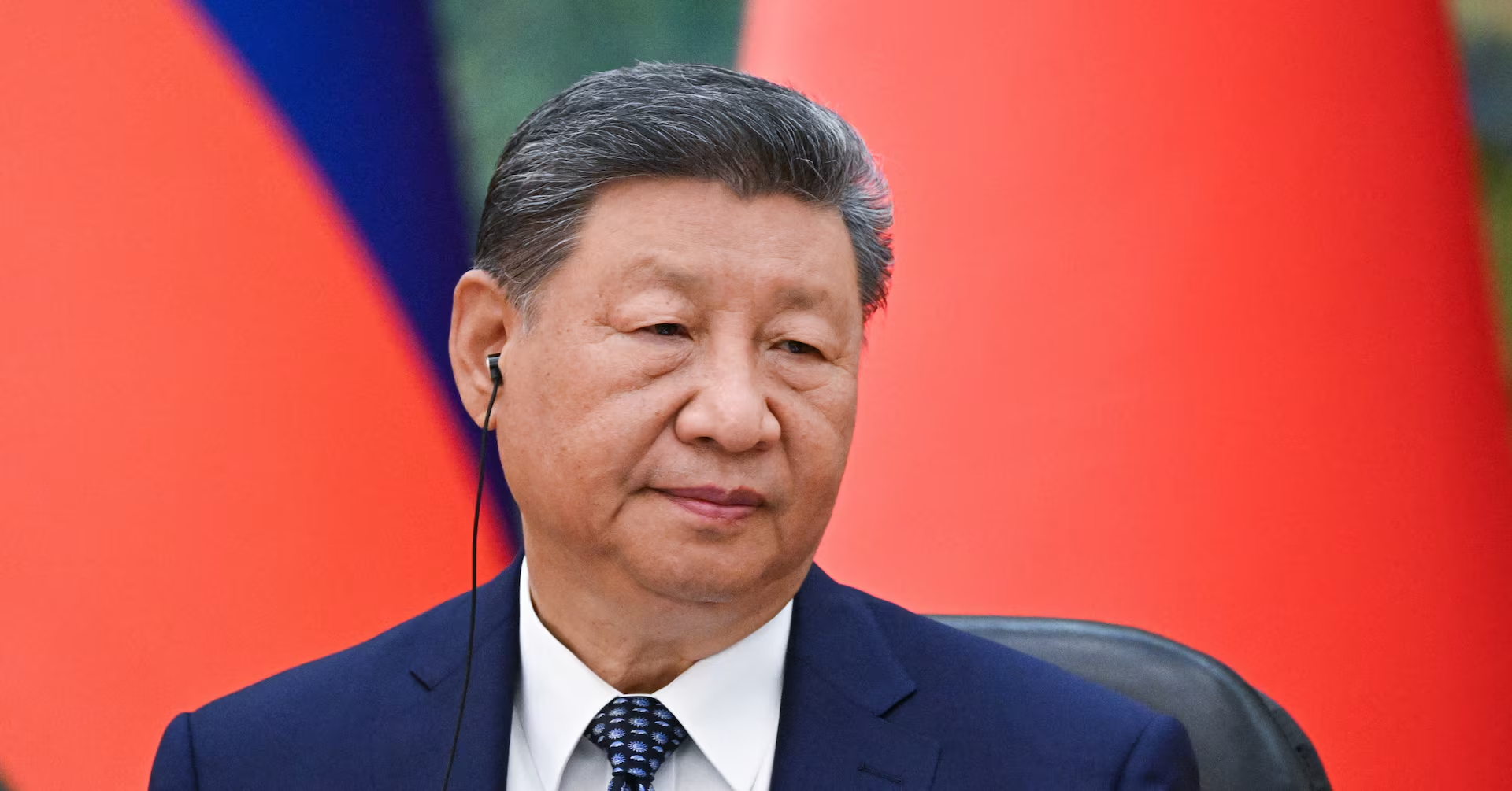
Chinese President Xi Jinping is hosting China's largest-ever military parade to showcase military strength and promote a vision of a new, multipolar global order, with notable attendance from world leaders including Putin and Kim Jong Un, amidst geopolitical tensions and a narrative of memory war against Western perspectives.
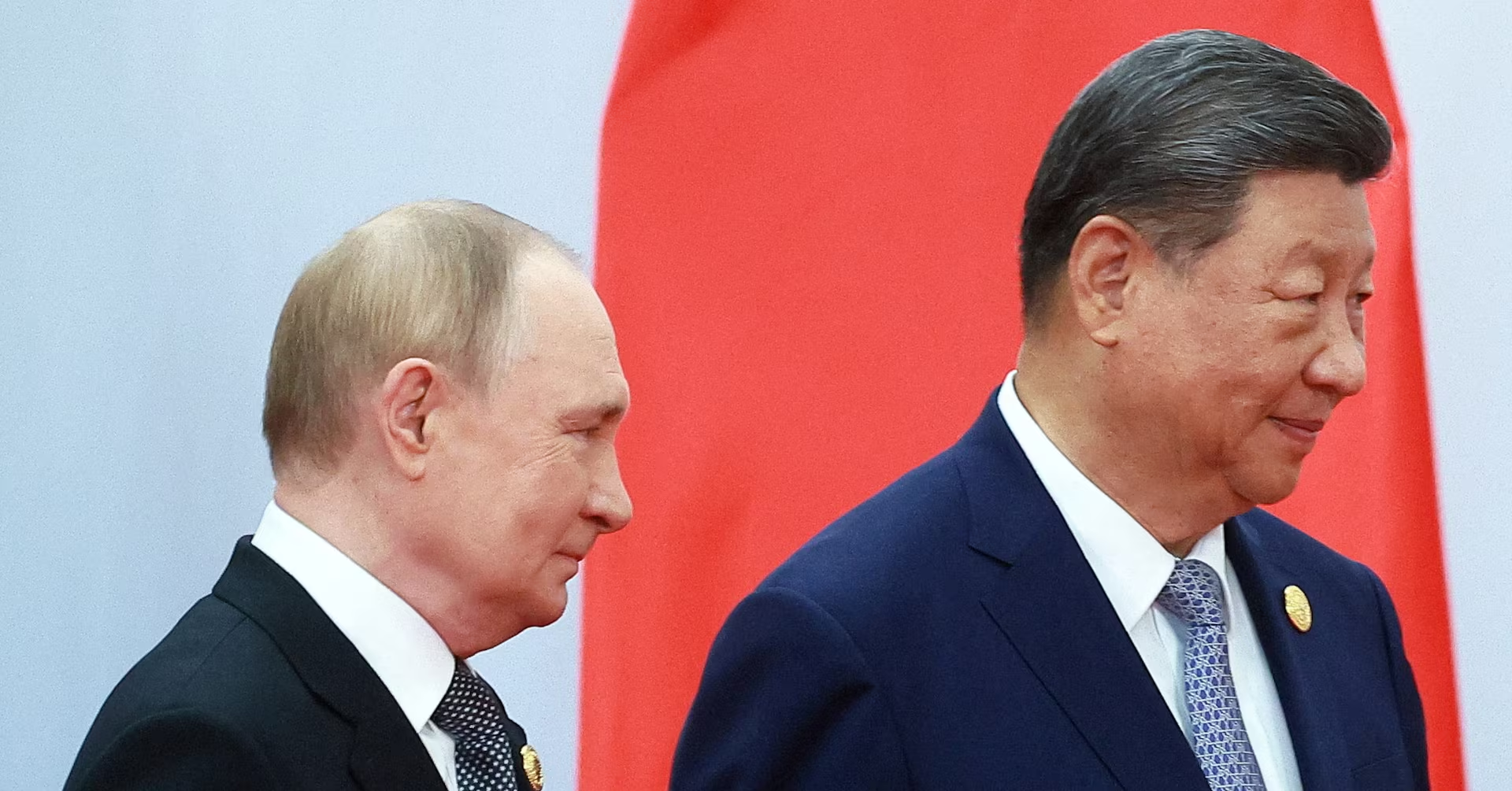
Chinese President Xi Jinping and Russian President Vladimir Putin expressed support for a new multipolar global order at the SCO summit, emphasizing cooperation among developing nations, opposing Cold War mentalities, and promoting economic and security partnerships that challenge U.S. influence.
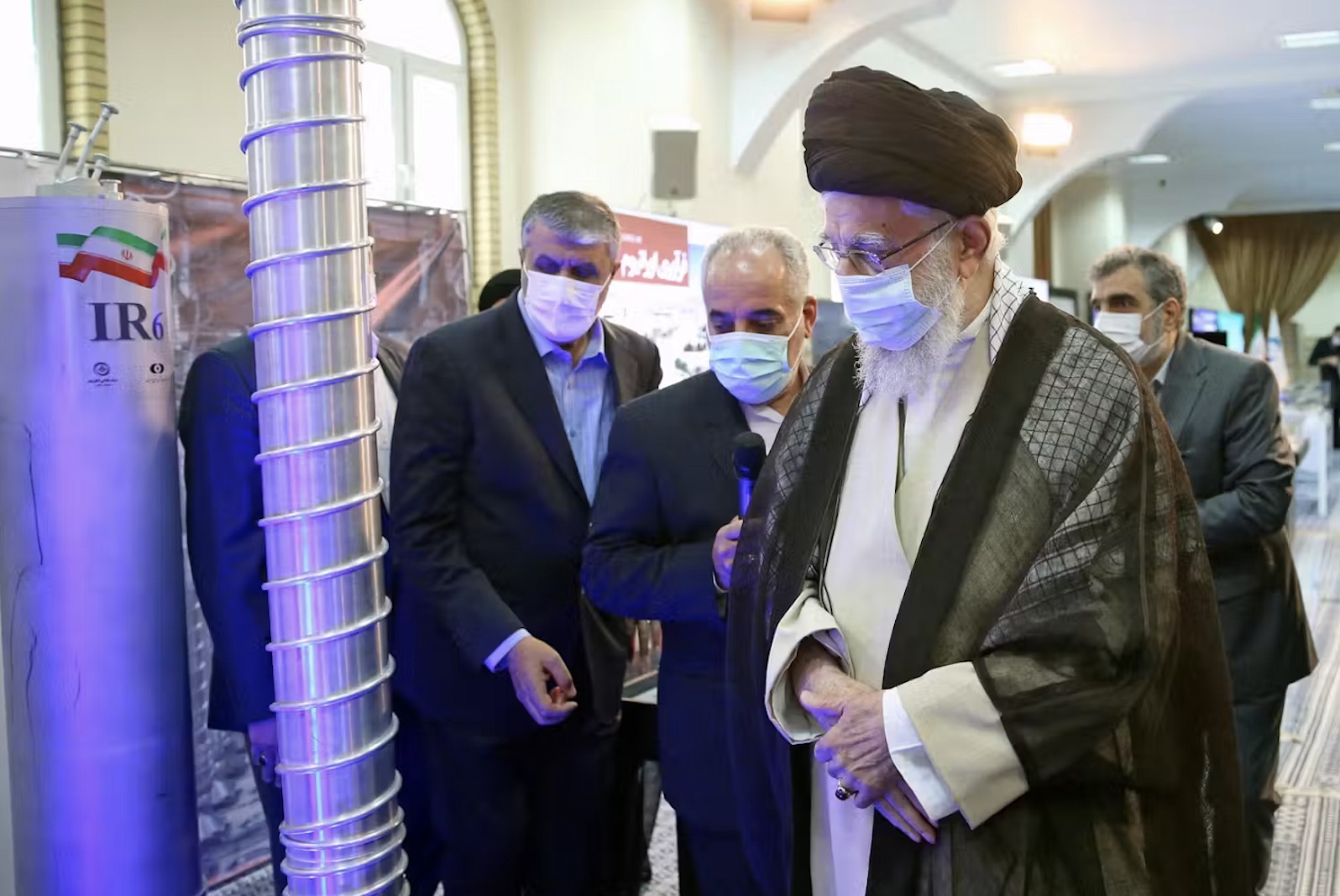
The article discusses the decline of the post-World War II Western-led global order, highlighting the rise of China, Russia, Iran, and North Korea as challengers, and the internal crises and ideological shifts within the West that threaten its influence and unity, suggesting a new, more fragmented international landscape.
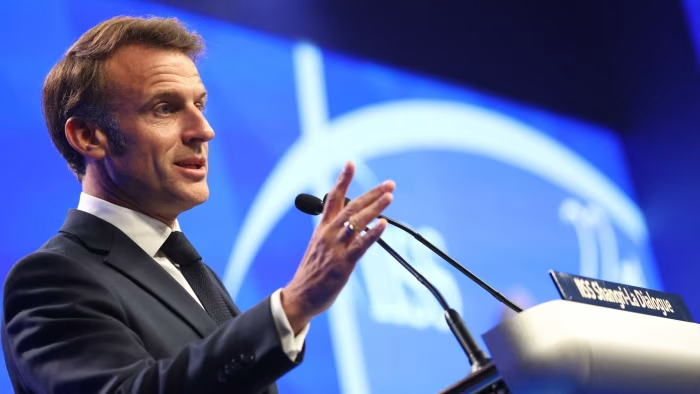
French President Emmanuel Macron called for a coalition between European and Asian countries to safeguard the international order amid US-China rivalry, emphasizing the importance of cooperation without being forced to choose sides, and warning against the division of the world by superpowers.
There are concerns that a potential victory for Russia in Ukraine could lead to catastrophic consequences, including the destruction of Ukraine, the fall of NATO, economic turmoil for the West, and the rise of adversaries like China, Iran, and North Korea. Experts warn that such an outcome could shift the global world order, encourage the proliferation of nuclear weapons, and potentially lead to a nuclear war. The implications of a Russian victory extend to destabilizing nuclear states, threatening European security, and disrupting international rules-based order. NATO is mobilizing troops in response to the escalating tensions, with warnings that the alliance must brace itself for a potential all-out war with Russia in the next two decades.
Leaders of the BRICS nations - Brazil, Russia, India, China, and South Africa - are meeting in Johannesburg to discuss expanding the bloc's membership and strengthening its role as a counterweight to the West. The summit comes amid heightened global tensions and a growing rivalry between China and the United States. Boosting the use of local currencies among member states is also on the agenda, but discussions of a BRICS currency are not expected. Over 40 countries have expressed interest in joining BRICS, with nearly two dozen formally requesting admission.