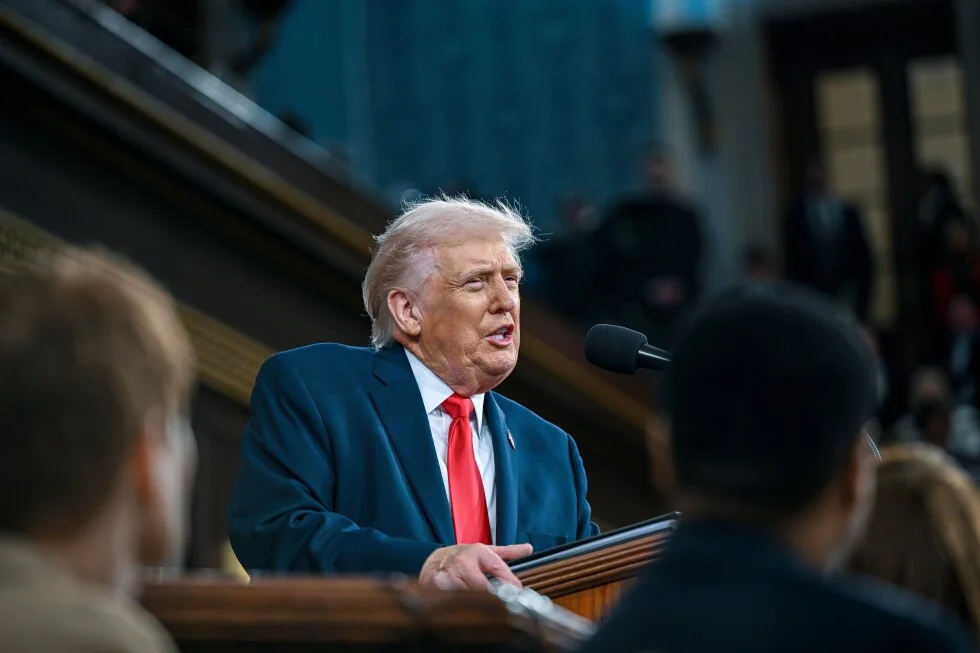
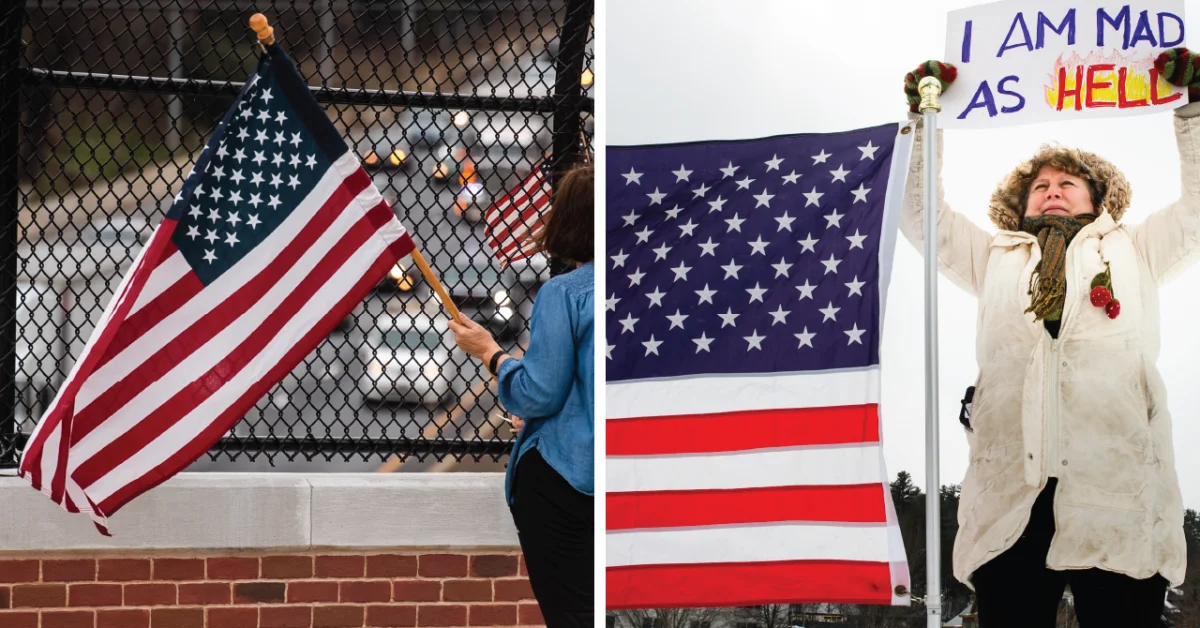
Trump framed a nostalgic, patriotic vision of a booming economy in his address, but polling shows most Americans remain worried about inflation, wages, and job security, highlighting a gap between his narrative and the public mood.
European leaders reaffirm unwavering backing for Ukraine as the war enters its fifth year, with visits to Kyiv from EU chiefs and vows of continued support. At the same time, public opinion across several countries reveals a nuanced picture: France shows waning enthusiasm for arms deliveries (47% support, 39% oppose), and a split on a peacekeeping role though a majority backs negotiations with Putin. In Spain, most respondents doubt a swift Ukrainian recovery yet about 75% want Europe to maintain military aid; Portugal shows significant readiness for NATO-linked troop involvement, while Germany indicates a majority favor more aid but with a notable minority against continued support. Overall, leaders stress solidarity while publics weigh the trade-offs of military assistance, negotiations, and potential concessions.
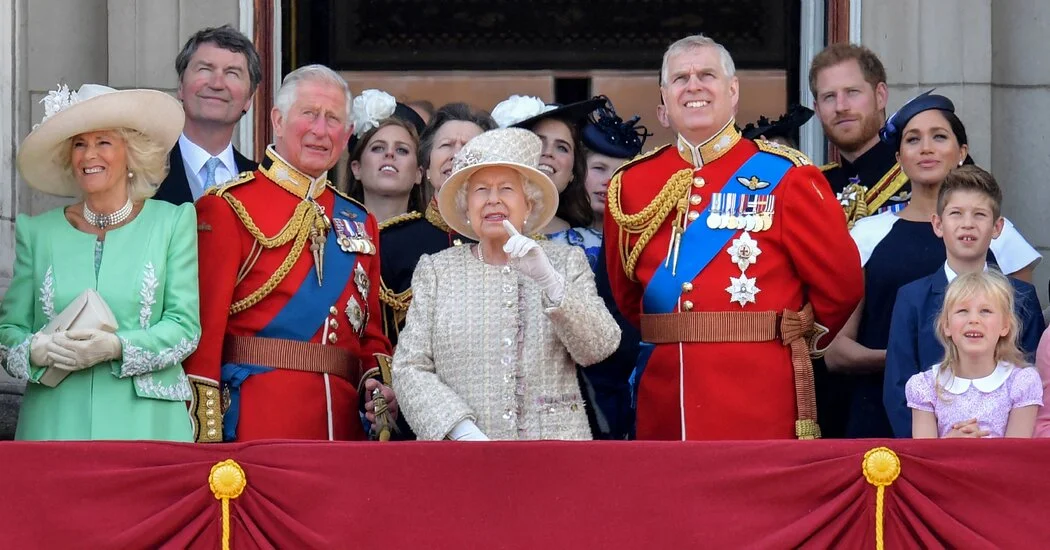
Locals in Windsor react to Prince Andrew’s arrest in a probe tied to Jeffrey Epstein, with some condemning the royal family and others appearing indifferent, as polls suggest the monarchy remains broadly supported but damaged and the question of Andrew's place in the line of succession lingers.
Public sentiment toward AI is turning negative as voters worry about children’s safety, job displacement, surveillance, and the energy costs of data centers; polls show high distrust of AI and skepticism about corporate use, with governors noting a looming political backlash that could shape 2028 elections.
A POLITICO poll across the US, Canada, France, Germany and the UK shows a majority view cyberattacks that disrupt hospitals or other critical infrastructure as acts of war, while NATO debates thresholds for response and governments push to bolster cyber defenses amid rising state-linked cyber activity.
A POLITICO poll finds data centers are moving to the forefront of politics with public opinion still forming; Republicans show a slight edge in support while Democrats voice concerns about energy and water costs, and campaigns are testing how to regulate AI-related infrastructure as more centers are proposed and the issue rises in importance for elections.
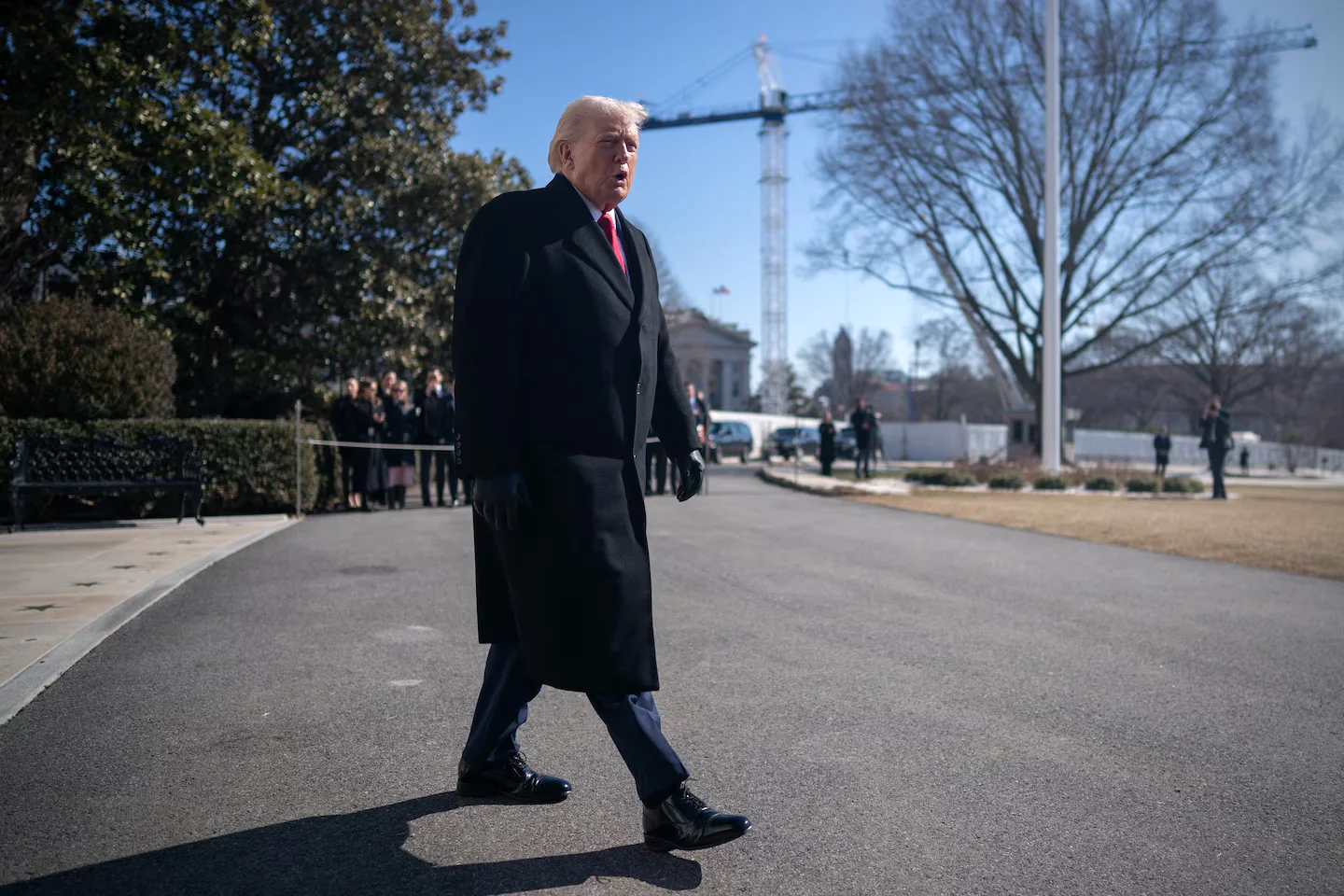
A Washington Post-ABC News-Ipsos poll finds about 60% of Americans disapprove of President Trump ahead of his State of the Union address, with majorities criticizing his handling of priority initiatives and saying he has overstepped his constitutional authority, while Democrats struggle to persuade voters they offer better ideas.
As the Ukraine war enters its fifth year, Russian public opinion remains ambiguously split: polls show mixed signals, with some Russians backing the conflict while others stay passive or wary. Analysts argue Putin benefits from a partial social contract and propaganda, yet genuine backing appears fragile and potentially contingent on the economy and costs staying tolerable. The Kremlin hides the true toll, relies on incentives and selective mobilization, and many citizens practice ‘internal emigration,’ suggesting the much-discussed ‘Putin consensus’ could fray if the war’s price rises.
President Trump promised to declassify government files on aliens and UFOs, a move that highlights how selective disclosures feed long-running conspiracy theories; researchers say such beliefs reflect deeper political and social narratives, not just partisan bias, with polling showing many Americans believe in extraterrestrials and some think they've visited Earth.
A Washington Post-ABC News-Ipsos poll shows a growing majority of Americans fear the deportation dragnet and believe Trump’s deportation drive has gone too far, with 58% saying it’s excessive—an eight-point rise from last fall—reflecting broad opposition to the administration’s immigration approach.
POLITICO’s POLL with Public First finds Canadians increasingly view the U.S. as a destabilizing and unreliable partner under Trump: roughly 58% say the U.S. is not a reliable ally, about 57% say it cannot be depended on in a crisis, and 69% say it tends to create problems for others. The results show a lasting chill in Canada–U.S. ties, with Ottawa pursuing diversifying partnerships (EU, China, Qatar) and even some openness to closer ties with China as a counterweight, while many Canadians expect a post‑Trump recovery for the relationship, a sizable minority doubt that return is possible. Border-town life and cross-border travel have also weakened amid the shift.
AP-NORC polling finds about 70% of rank-and-file Democrats view the Democratic Party positively, a level not as high as in the past and not fully recovered since Trump’s 2024 victory. The mood inside the party is subdued even as Democrats notch some wins in special elections, with lingering concerns about the economy and heated debates over policy, including health care where they still hold an edge.
A new AP-NORC poll shows Democratic voters’ views of their party have not rebounded since Donald Trump’s 2024 victory, even as Democratic candidates have won some recent special elections.
Pew Research Center surveyed 5,153 U.S. adults in Aug 2025 to ask what makes Americans proud of the United States. Freedom is the top source of pride (22%), a pattern that stands out globally among the 25 countries studied. About one-in-five Americans express negative feelings about the country. Republicans tend to cite freedom, leadership, and the military, while Democrats emphasize diversity and past ideals; Americans are more likely than people in many countries to name a current national leader, primarily Donald Trump. The analysis includes methodology notes and country-by-country comparisons in appendices.
A POLITICO poll of about 2,093 U.S. adults finds roughly half support building more data centers when not tied to any political figure, but support declines as monthly electric bills rise, with a tipping point around $10–$25 and strong opposition at $50. Framing the expansion around Donald Trump and AI further reduces support among Democrats and independents. Voters cite electricity costs as the top concern, while knowledge gaps persist about data centers, and proximity to homes affects views (NIMBY dynamics). The findings suggest data centers are becoming a politically salient issue that could influence midterm voting and policy debates.