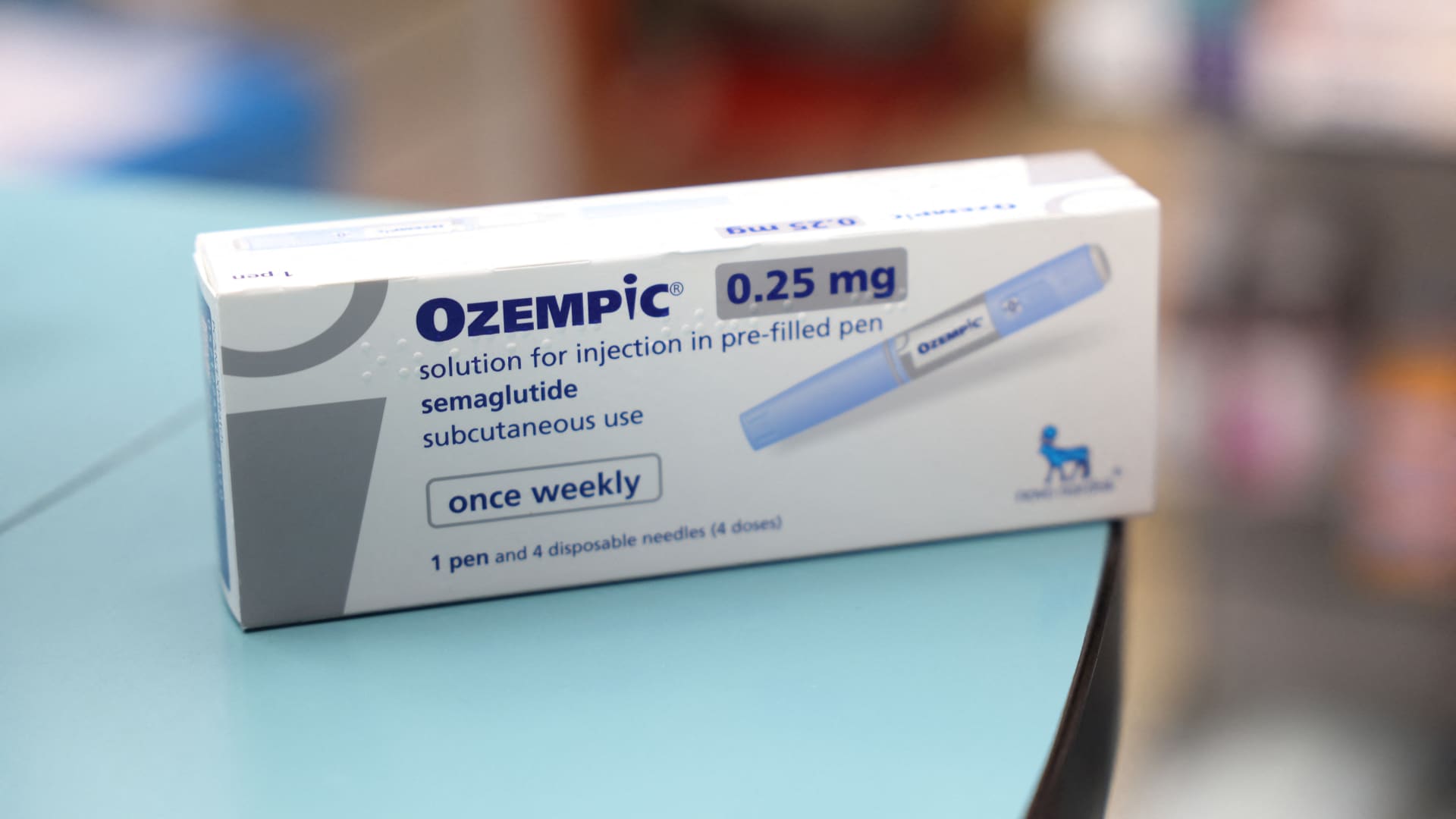
A University of Oxford analysis suggests that Novo Nordisk's diabetes drug Ozempic may lower the risk of dementia and nicotine dependence in patients, adding to its known benefits of regulating blood sugar and promoting weight loss. The study, which compared Ozempic to other diabetes treatments, found significant reductions in cognitive problems and nicotine dependence among Ozempic users. However, the findings are observational and need to be confirmed through controlled trials.
Scientists at the University of Oxford have identified the three most effective ways to reduce the risk of developing dementia as cutting alcohol consumption, avoiding traffic-related air pollution, and reducing sugar intake. A study of 40,000 people over 45 found that specific parts of the brain are most vulnerable to these factors. The research also highlighted the impact of diabetes, sleep, weight, and other modifiable risk factors on brain health. With the number of people living with dementia projected to rise, the study emphasizes the importance of promoting good brain health and understanding how dementia can be prevented.
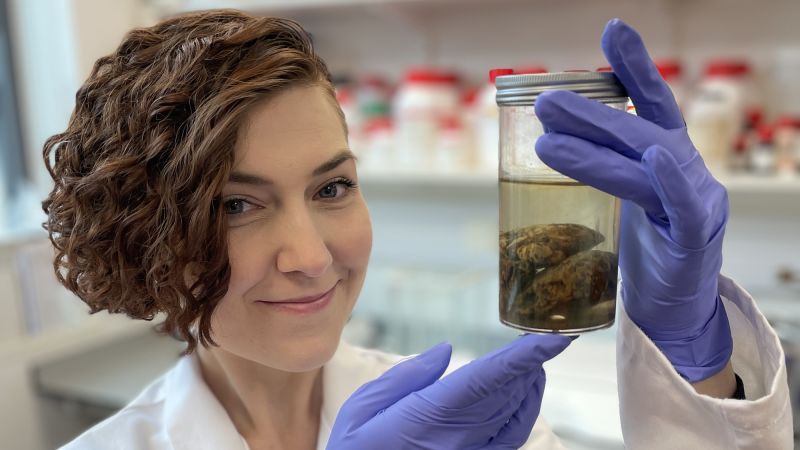
Alexandra Morton-Hayward, a forensic anthropologist at the University of Oxford, has compiled a unique archive of information about 4,405 ancient brains unearthed by archaeologists, shedding light on how brains can survive for thousands of years. The database could help scientists study brain tissue from ancient times and determine whether diseases known today were also present in ancient civilizations. The preservation mechanisms of these brains, including dehydration, tanning, freezing, and saponification, have been identified, with the possibility of a fifth unknown mechanism. The brains could potentially reveal ancient DNA and proteins, providing insights into the people to which they once belonged.
A new study led by researchers at the University of Oxford challenges the belief that brain preservation in the archaeological record is extremely rare. The team compiled a new archive of preserved human brains, revealing that nervous tissues persist in much greater abundances than previously thought, with over 4,000 preserved human brains from over two hundred sources across six continents. The study sheds light on the environmental conditions and mechanisms that contribute to brain preservation, offering unique insights into ancient health, disease, and the evolution of human cognition and behavior.
Researchers at the University of Oxford have created magnetic whirls in membranes that could enable data transfer at kilometers per second, potentially revolutionizing computing platforms for the next generation of applications such as AI and autonomous devices. This breakthrough aims to address the energy-inefficiency of current silicon-based computing and could lead to a new computing paradigm utilizing fast and efficient physical phenomena.
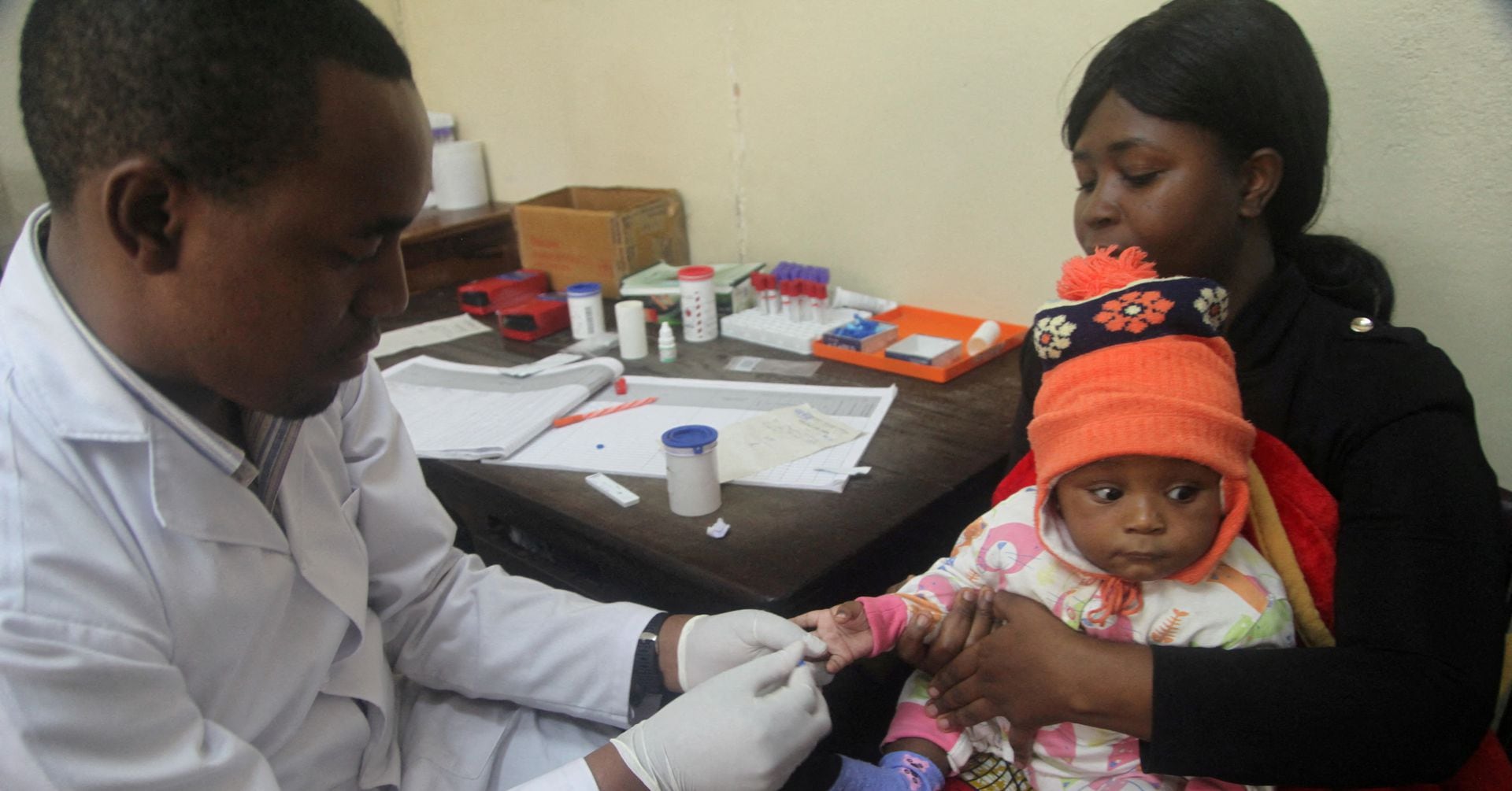
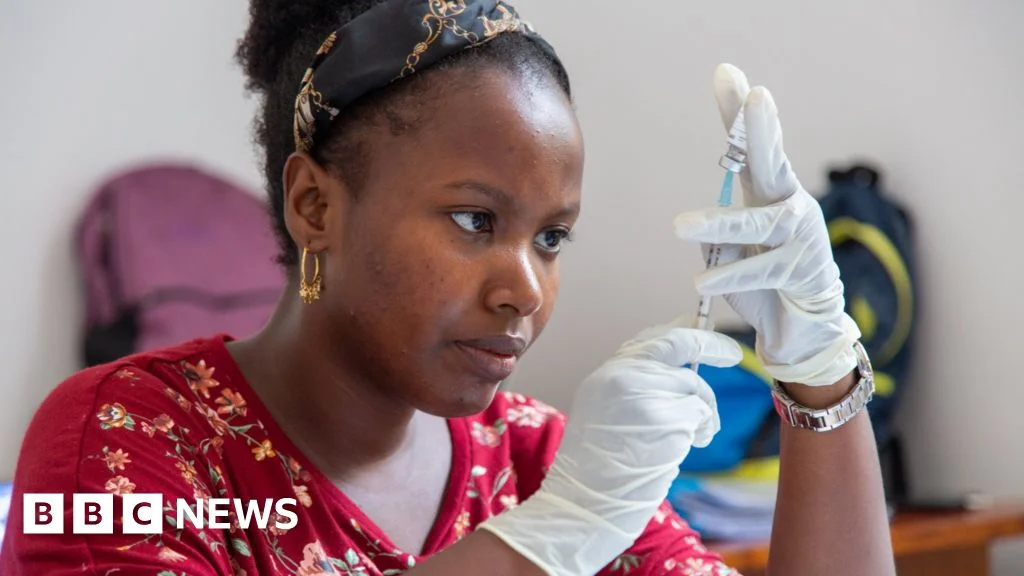
A malaria vaccine developed by the University of Oxford and the Serum Institute of India has shown to prevent around three-quarters of symptomatic malaria cases in young children in a large trial, with results published in The Lancet medical journal. The vaccine, known as R21, is the second to become available this year and has already been approved for use in three West African countries and by the World Health Organization. The vaccine is cheaper and more readily available than the first vaccine, and there are plans to provide further updates as more countries express demand.
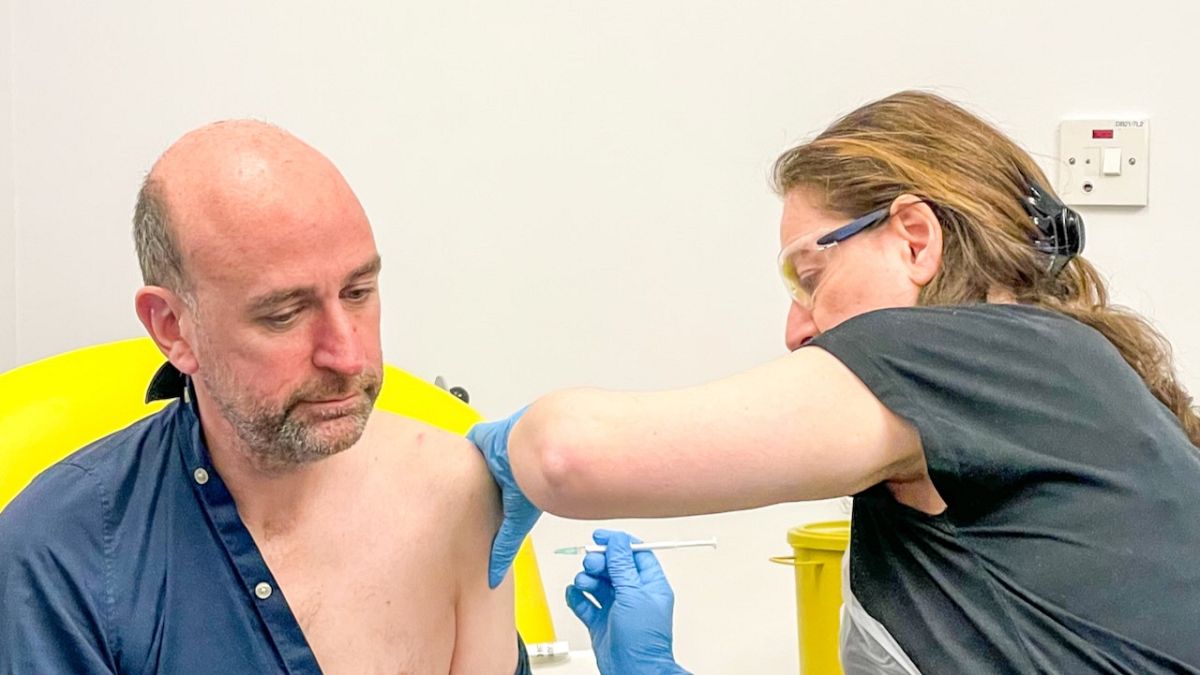
The University of Oxford has initiated the first human trial for a vaccine against the Nipah virus, a zoonotic pathogen with a mortality rate of up to 75%. The ChAdOx1 NipahB vaccine is being tested on 51 volunteers to evaluate its safety and immune responses. With no approved vaccines or treatments for Nipah virus, this trial marks a significant step in pandemic preparedness, and further research is expected to follow in Nipah virus-affected countries.
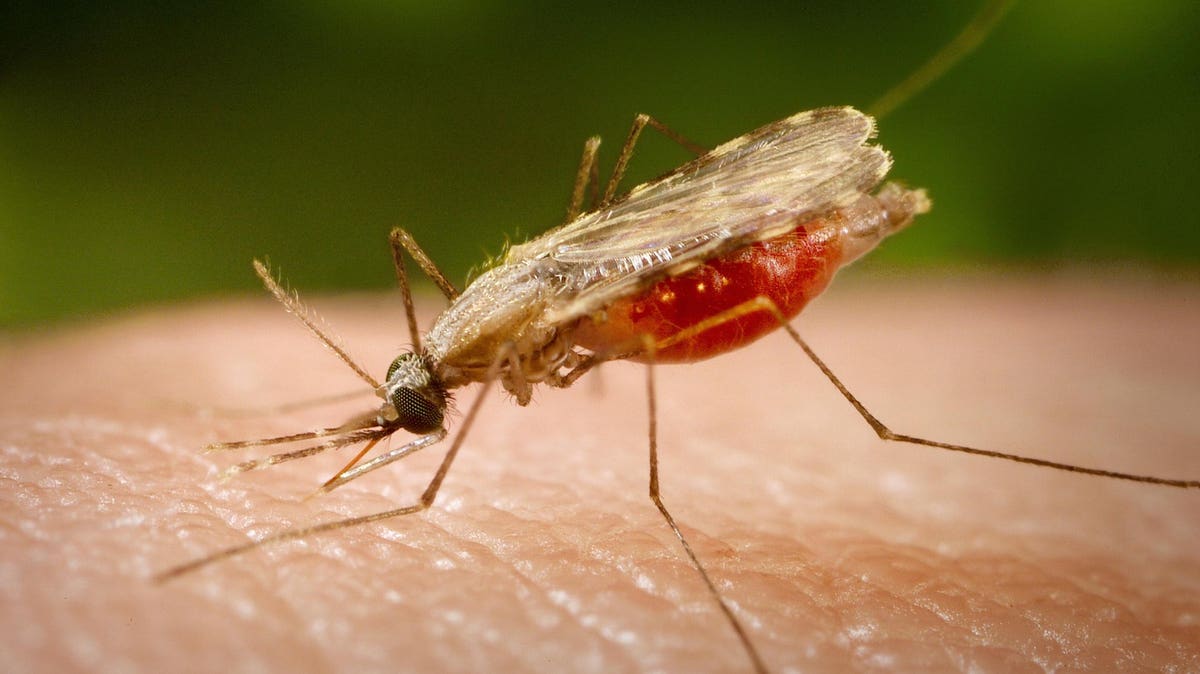
The World Health Organization (WHO) has recommended the widespread use of a highly effective malaria vaccine developed by the University of Oxford. The R21/Matrix-M vaccine is the second malaria vaccine to receive WHO approval and the first to meet the organization's target of 75% efficacy. Malaria claims half a million lives annually, primarily affecting children under five and pregnant women. The new vaccine, which is cheaper and more effective than the previously approved RTS,S vaccine, has the potential to close the demand-and-supply gap. However, experts caution that the vaccine should be used in conjunction with other preventive measures, as malaria elimination requires a multi-faceted approach.
The World Health Organization (WHO) has recommended a new, affordable malaria vaccine developed by the University of Oxford. This marks the second malaria vaccine to receive WHO backing. The vaccine, called R21, can be produced on a large scale, with agreements already in place to manufacture over 100 million doses annually. The effectiveness of R21 is comparable to the first vaccine, RTS,S, and it has the potential to save hundreds of thousands of lives each year. Malaria remains a significant global health issue, with over 247 million cases and 619,000 deaths reported in 2021.
Researchers are making progress in the development of malaria vaccines, with two authorized vaccines currently available. GSK's RTS,S or Mosquirix vaccine was the first to receive widespread use approval, but its effectiveness is limited. The University of Oxford has unveiled a potentially better and cheaper vaccine, which is currently being evaluated by the World Health Organization. BioNTech and Moderna are also exploring the use of mRNA technology for malaria vaccines. A breakthrough mRNA vaccine has been announced by researchers in New Zealand and Australia, which stimulates a different part of the immune system and could generate a more protective response. However, the vaccine is still in early stages and has not been tested in humans. Malaria remains a significant global health issue, causing hundreds of thousands of deaths each year, primarily in Africa.
Nigeria has become the second country in the world to approve the use of the R21/Matrix-M malaria vaccine developed by the University of Oxford and manufactured by the Serum Institute of India. The vaccine is indicated for the prevention of clinical malaria in children from 5 months to 36 months of age. Nigeria expects to receive at least 100,000 doses of the vaccine in donations soon before the market authorisation will start making other arrangements with the National Primary Health Care Development Agency (NPHCDA).
A new study by researchers from the University of Oxford has found that hormonal contraceptives, including combined oestrogen and progestogen birth control pills and progestagen-only contraceptives, increase the risk of breast cancer by around 20-30%. The risk of breast cancer in pre-menopausal women taking these forms of birth control increased with age. The study was based on data from nearly 30,000 women. Despite the risks, Cancer Research UK, which funded the study, did not discourage the use of hormonal contraceptives, stating that the decision to use them should be made after speaking to a doctor.
A new study conducted by researchers at the University of Oxford and published in the PLOS Medicine journal has found that the use of all kinds of hormonal birth control is associated with a slight increase in the risk of breast cancer. The study also found that the risk associated with progestin-only pills is broadly in line with the risk already known to be associated with contraceptives that combine estrogen and progestin. However, given the small incidence of breast cancer at the ages at which contraceptives are commonly used, researchers do not suggest women stop taking hormonal birth control in light of any risk — which they say is only small.
All types of hormonal contraceptives carry a small increased risk of breast cancer, with progestogen pills associated with a 20-30% higher risk, according to research by University of Oxford. The risk was small and should not discourage most people from taking the pill, said Cancer Research UK. The study is based on data from 9,498 women who developed invasive breast cancer between ages 20 to 49, and 18,171 closely matched women without breast cancer. The findings are important as progestogen-only contraception is growing in popularity, with prescription levels matching those of combined oral contraceptives in 2020.