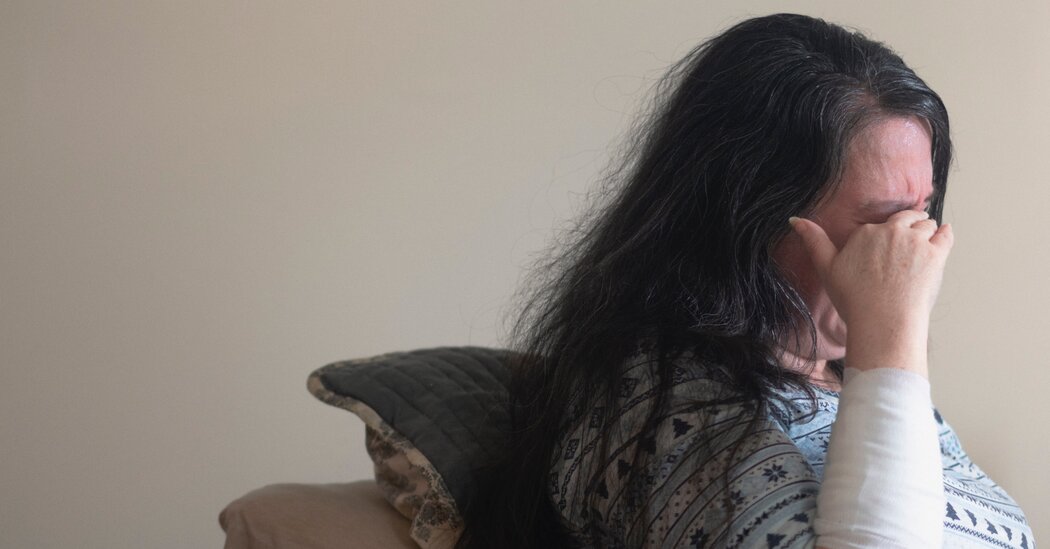
Families with loved ones suffering from serious mental illnesses initially supported California's CARE Court as a hopeful new system for treatment and support, but many now feel let down due to its voluntary nature, limited impact, and the ongoing cycle of homelessness and incarceration among their loved ones, highlighting the gap between expectations and actual outcomes of the program.

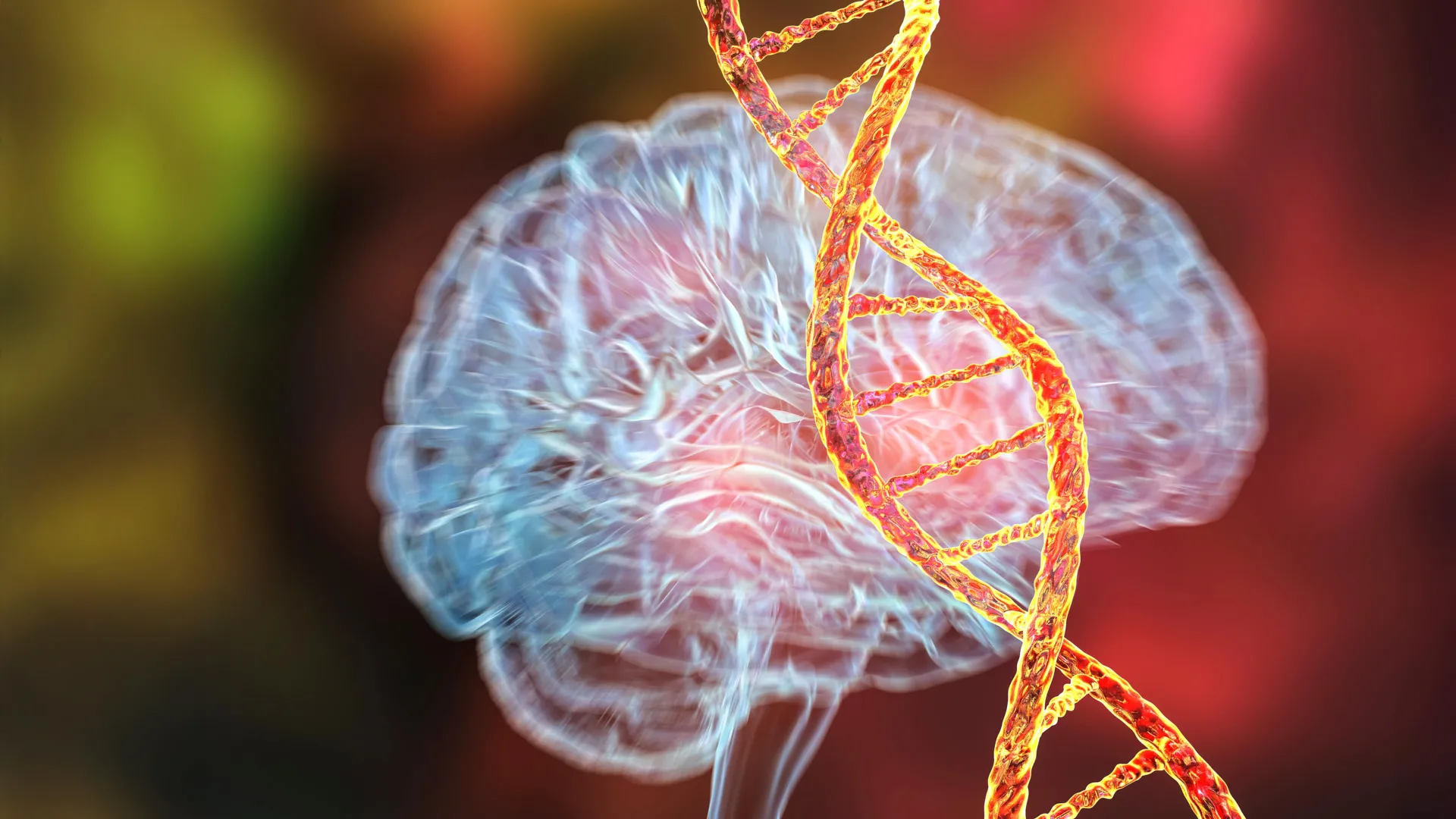
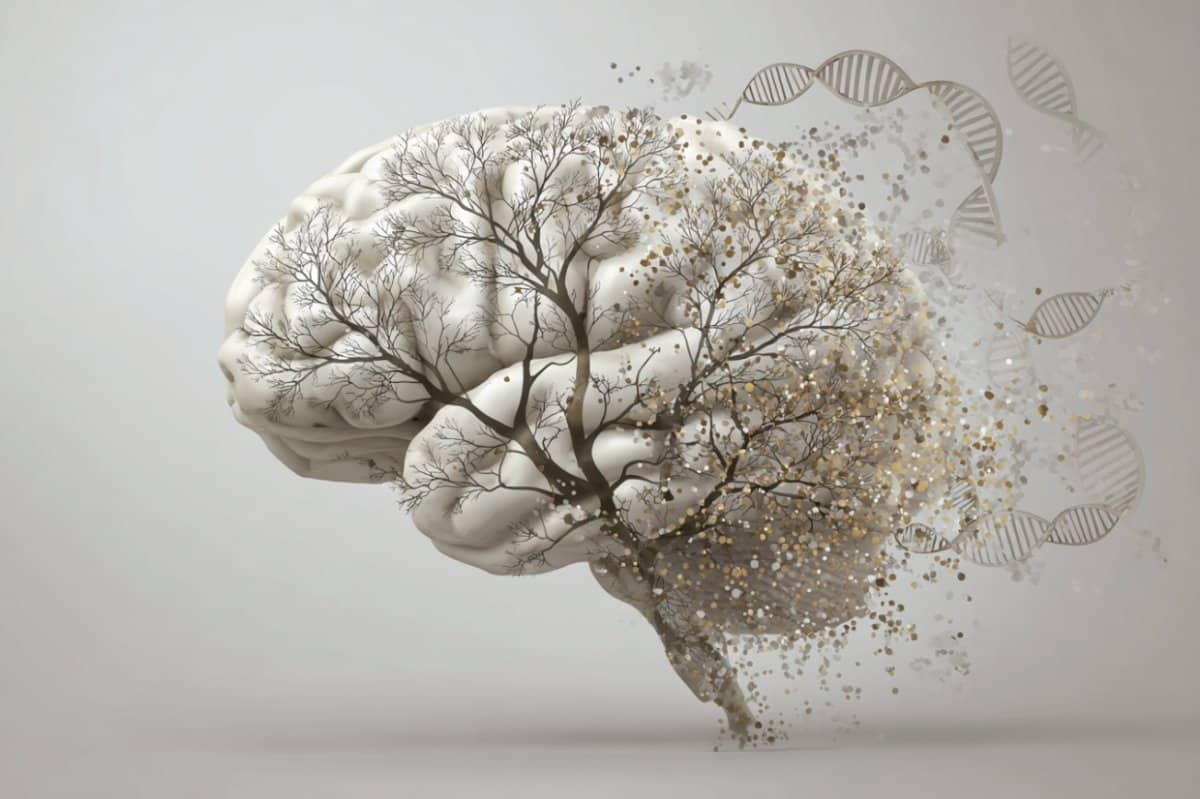
Scientists have discovered that mutations in the GRIN2A gene can cause serious mental illnesses like schizophrenia and depression, often starting in childhood. This breakthrough suggests that genetic testing could identify individuals at risk and that targeted treatments, such as L-serine supplements, may help manage or even cure these conditions, offering hope for personalized mental health care.
Scientists have identified the first gene, GRIN2A, that can directly cause mental illness on its own, with certain variants linked to early-onset psychiatric symptoms and potential treatment options like L-serine to improve symptoms.
An Alabama man, Jeremy Shoemaker, was charged with making threatening calls and texts to religious leaders across the South, accompanied by the discovery of firearms and ammunition in his home. Shoemaker claimed his communications were meant as psychological warfare and satire, but law enforcement responded swiftly to credible threats against multiple synagogues and religious figures, highlighting efforts to protect communities from violence.
Fox News host Brian Kilmeade apologized after suggesting that mentally ill homeless people should be executed, a remark he called 'extremely callous.' The comment was made during a discussion about a murder case involving a homeless man with mental health issues, and Kilmeade expressed regret for his statement, acknowledging it was inappropriate. The incident sparked criticism from advocacy groups and highlights ongoing debates about mental health and homelessness.
Fox News host Brian Kilmeade apologized after making a controversial and callous remark suggesting lethal injections for mentally ill homeless people, which went viral and sparked widespread criticism, emphasizing the need for empathy and humane treatment.
Fox News host Brian Kilmeade apologized for his callous remark suggesting lethal injections for homeless people with mental illnesses, amid backlash and broader political tensions following a violent incident involving a Ukrainian woman in North Carolina. The incident highlights ongoing debates over rhetoric and policies related to homelessness and mental health in the US.
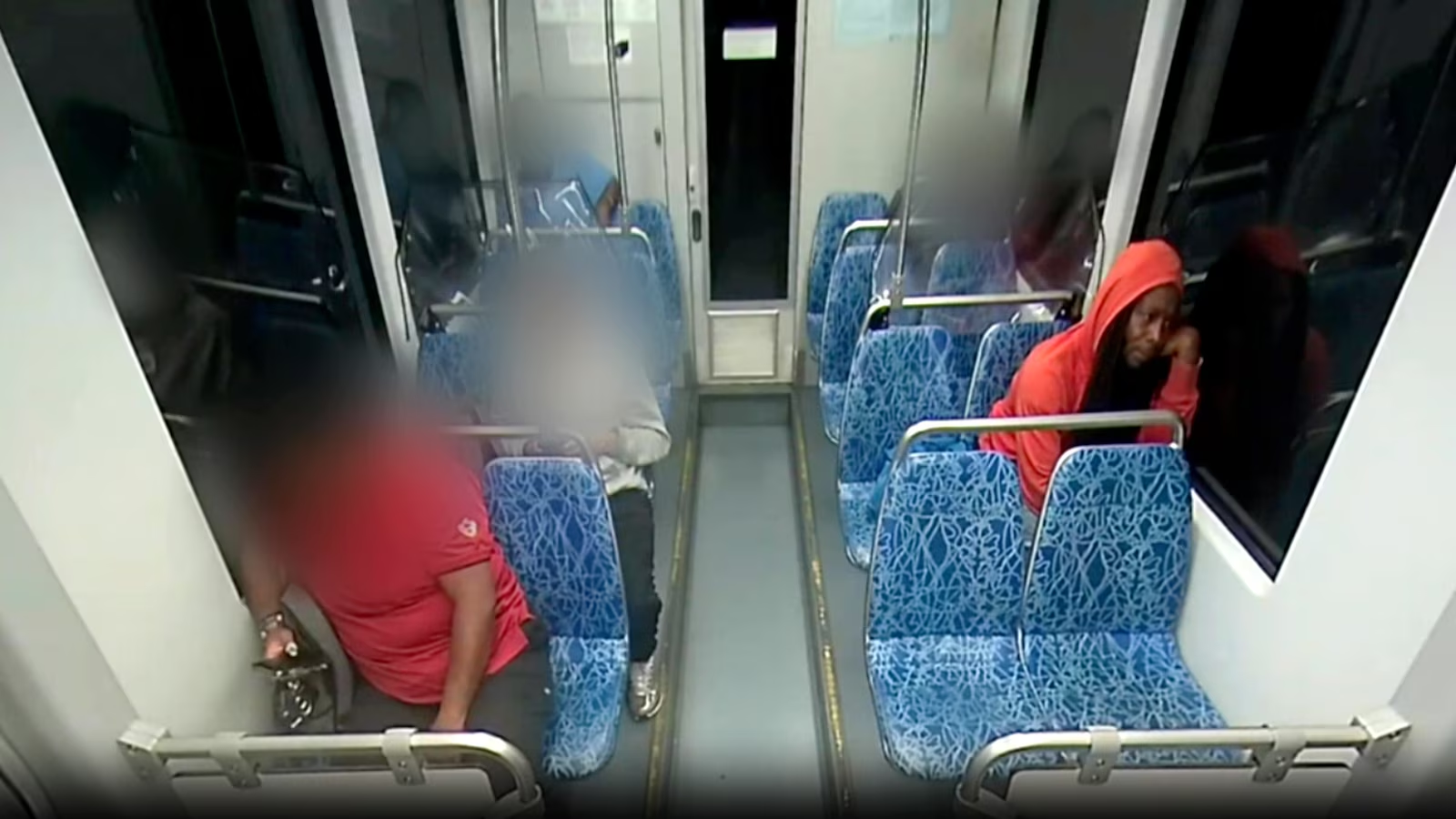
Decarlos Brown, accused of stabbing a woman on Charlotte's light rail, has a history of mental illness and behavioral issues following his release from prison, with his family noting his worsening condition and refusal of treatment. He faces serious charges, including potential death penalty eligibility, amid concerns about his mental health and safety.
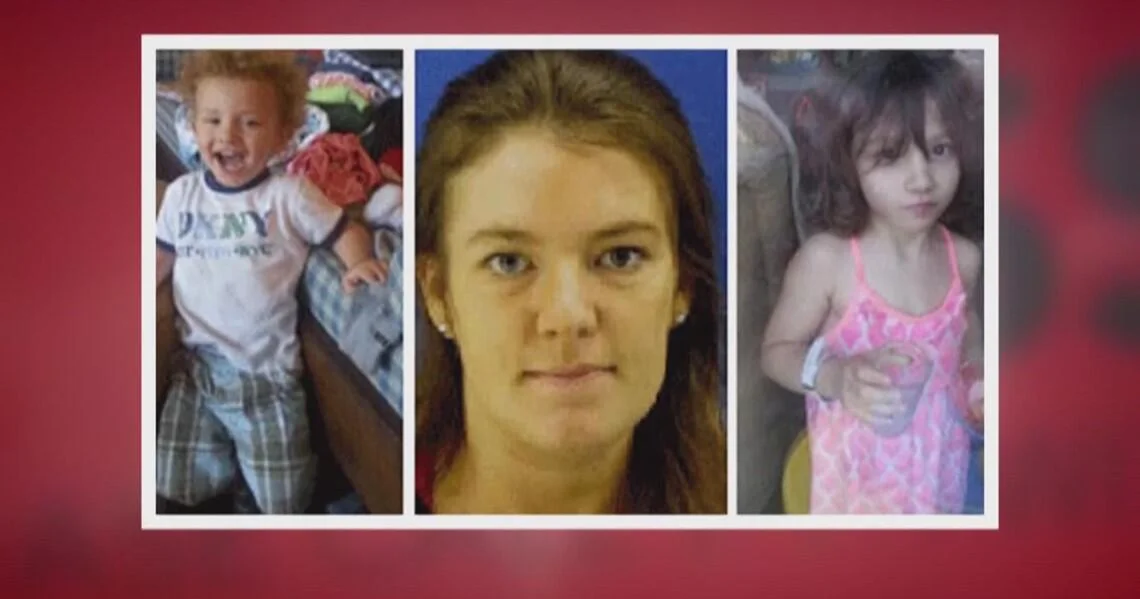
A Maryland woman with a history of severe mental illness, Catherine Hoggle, was reindicted and rearrested for the 2014 disappearance and presumed murder of her two children, Sarah and Jacob. After being released from a psychiatric hospital last month, her case has taken a new turn, raising questions about her mental state and the circumstances of her release. The case remains unresolved, with her children still missing.
The U.S. Department of Health and Human Services announced a $100 million pilot program to eliminate Hepatitis C among populations with substance use disorder and mental illness, focusing on high-risk communities affected by homelessness, aiming to improve testing, treatment, and cure rates while reducing reinfection and healthcare costs.
A groundbreaking study reveals that genes linked to mental and neurodegenerative disorders are active during the earliest stages of fetal brain development, particularly in neural stem cells, suggesting that these conditions may originate much earlier than previously thought. This discovery could lead to early diagnosis and targeted therapies for diseases like autism, depression, and Parkinson's.
A large Danish study found that most mental illnesses, including schizophrenia, bipolar disorder, and depression, occur in individuals without a family history of the condition, highlighting the complex interplay of genetics and environment and emphasizing the need for broad prevention strategies.
A woman struggles with her mother's insistence on sharing her difficult family history of her late sister, Paloma, with her young children. She feels uncomfortable sharing negative memories and prefers to wait until her kids are teenagers. The advice suggests honest communication with her mother, possibly involving family therapy, and emphasizes that she is not obligated to honor her sister in a way that causes her distress.
The article explores the complex ethical, legal, and social issues surrounding Canada's expanded access to medically assisted death (MAID) for patients without terminal illnesses, highlighting cases like Paula's to illustrate the debates over autonomy, suffering, and societal responsibility.
The verdict in a recent case involving Penny has become a focal point in the ongoing debate over how the legal system handles cases involving crime and mental illness. The case highlights the complexities and challenges faced by the justice system in balancing public safety with the rights and needs of individuals with mental health issues.