Serum Institute of India, known for producing COVID-19 vaccines, is repurposing its facilities to manufacture vaccines for diseases like malaria and dengue. The company aims to boost total production by two and a half billion doses and has already produced 25 million doses of a malaria vaccine. Additionally, it is testing a single-dose vaccine for dengue and plans to focus on exporting these vaccines to other countries. Serum Institute of India is also in talks with governments to utilize its facilities in the event of future outbreaks and estimates a total production capacity of as much as 4 billion doses.
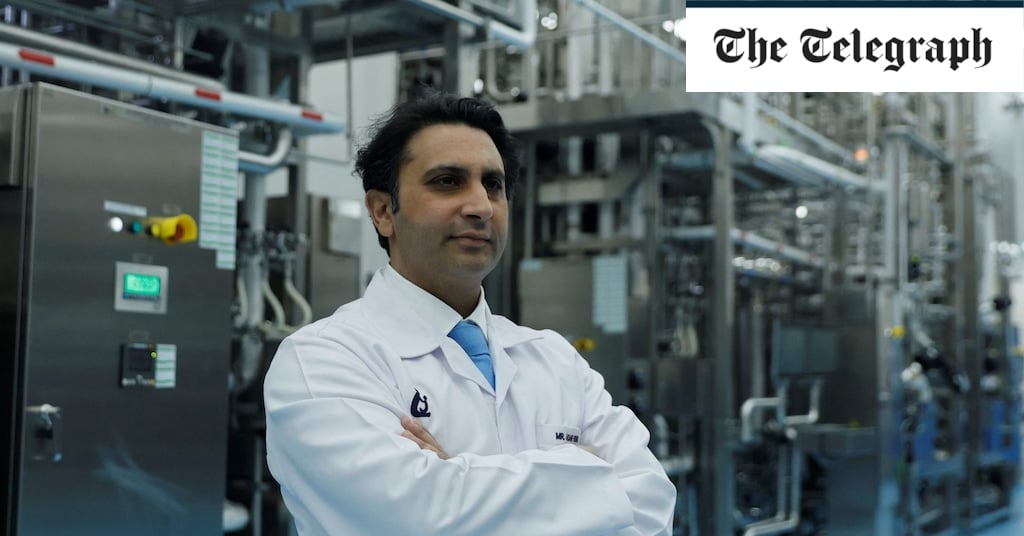
Adar Poonawalla, CEO of Serum Institute of India, emphasizes the importance of investing in vaccine manufacturing facilities to prepare for future pandemics, warning that political will is fading post-Covid. The institute, known as the "pharmacy of the world," is expanding its focus to prepare for potential future pandemics, with a two-pronged approach involving stockpiling and rapid manufacturing capabilities. While efforts in Europe to enhance vaccine manufacturing capacity are proactive, the UK is criticized for its lack of political interest in this area. Poonawalla stresses the need for diverse global manufacturing capabilities to avoid supply-chain issues and ensure equitable access to vaccines, emphasizing the commitment to fair distribution and global health equity.
A malaria vaccine developed by the University of Oxford and the Serum Institute of India has shown to prevent around three-quarters of symptomatic malaria cases in young children in a large trial, with results published in The Lancet medical journal. The vaccine, known as R21, is the second to become available this year and has already been approved for use in three West African countries and by the World Health Organization. The vaccine is cheaper and more readily available than the first vaccine, and there are plans to provide further updates as more countries express demand.
The World Health Organization has approved the R21/Matrix vaccine, developed by Oxford University and the Serum Institute of India, which has shown to reduce malaria by up to 75 percent. The vaccine can be manufactured cheaply and on a mass scale, making it a game-changer in the fight against malaria. With an estimated 40 million children born in malaria areas in Africa each year, the vaccine has the potential to protect a large number of individuals. The cost of the vaccine is expected to be around $5 per dose. While eradicating malaria entirely may take time, the new vaccine offers hope for significantly reducing the impact of the disease.
Novavax's Matrix-M adjuvant, licensed to the Serum Institute of India (SII), is a key ingredient in the second-ever malaria vaccine endorsed by the World Health Organization. The vaccine, called R21/Matrix-M, will help address the high demand for malaria vaccines in Africa. SII, the world's largest vaccine producer, is already producing doses and plans to scale up to 200 million doses over the next two years. The Serum Institute has also partnered with Aspen Pharmacare to produce multiple vaccines in Africa, contributing to the continent's self-reliance in vaccine manufacturing.
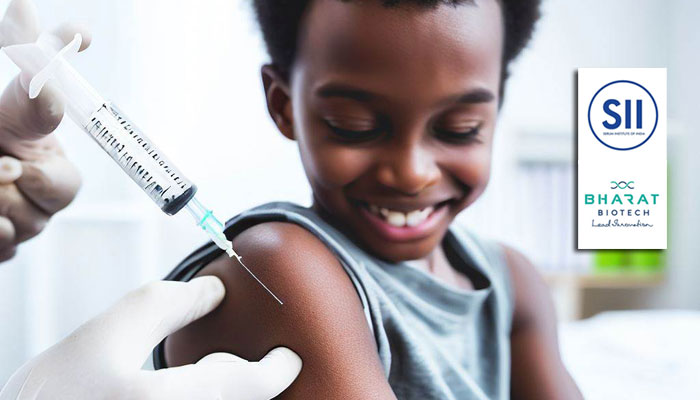
Gavi, the vaccine alliance, has announced that twelve African countries will receive 18 million doses of the world's first malaria vaccine over the next two years. Bharat Biotech and Serum Institute of India will manufacture the vaccines. Malaria is a leading cause of death in Africa, and these vaccines will play a critical role in saving lives. The vaccine supply will initially be limited, with priority given to areas with the highest risk of malaria illness and death among children. The vaccines will be introduced into routine immunization programs in these countries for the first time, starting in early 2024.
African countries are approving a new malaria vaccine, with Nigeria and Ghana being the first to back the R21 vaccine developed by Oxford University and manufactured by the Serum Institute of India and Novavax. At least 10 other African countries are reviewing trial data to assess the shot, and more are expected to approve it in the coming weeks. The vaccine has remained around 70%-80% effective in late-stage trials, and 20 million doses will be available for purchase this year. The vaccine costs $3 per dose, and the supply is worth around $60 million. However, there are questions around funding the purchase and roll-out of the new malaria vaccine in poorer countries in Africa.
Nigeria has become the second country in the world to approve the use of the R21/Matrix-M malaria vaccine developed by the University of Oxford and manufactured by the Serum Institute of India. The vaccine is indicated for the prevention of clinical malaria in children from 5 months to 36 months of age. Nigeria expects to receive at least 100,000 doses of the vaccine in donations soon before the market authorisation will start making other arrangements with the National Primary Health Care Development Agency (NPHCDA).