Researchers at the University of Oxford have created magnetic whirls in membranes that could enable data transfer at kilometers per second, potentially revolutionizing computing platforms for the next generation of applications such as AI and autonomous devices. This breakthrough aims to address the energy-inefficiency of current silicon-based computing and could lead to a new computing paradigm utilizing fast and efficient physical phenomena.

Samsung unveiled the new 2024 version of The Frame TV at CES 2024, featuring an eco-minded setting that reduces the refresh rate to 60Hz when in art mode, making it more energy efficient. The TV also offers 20 complimentary pieces of art per month and an easier image upload process, while maintaining its purpose of looking like art when not in use.
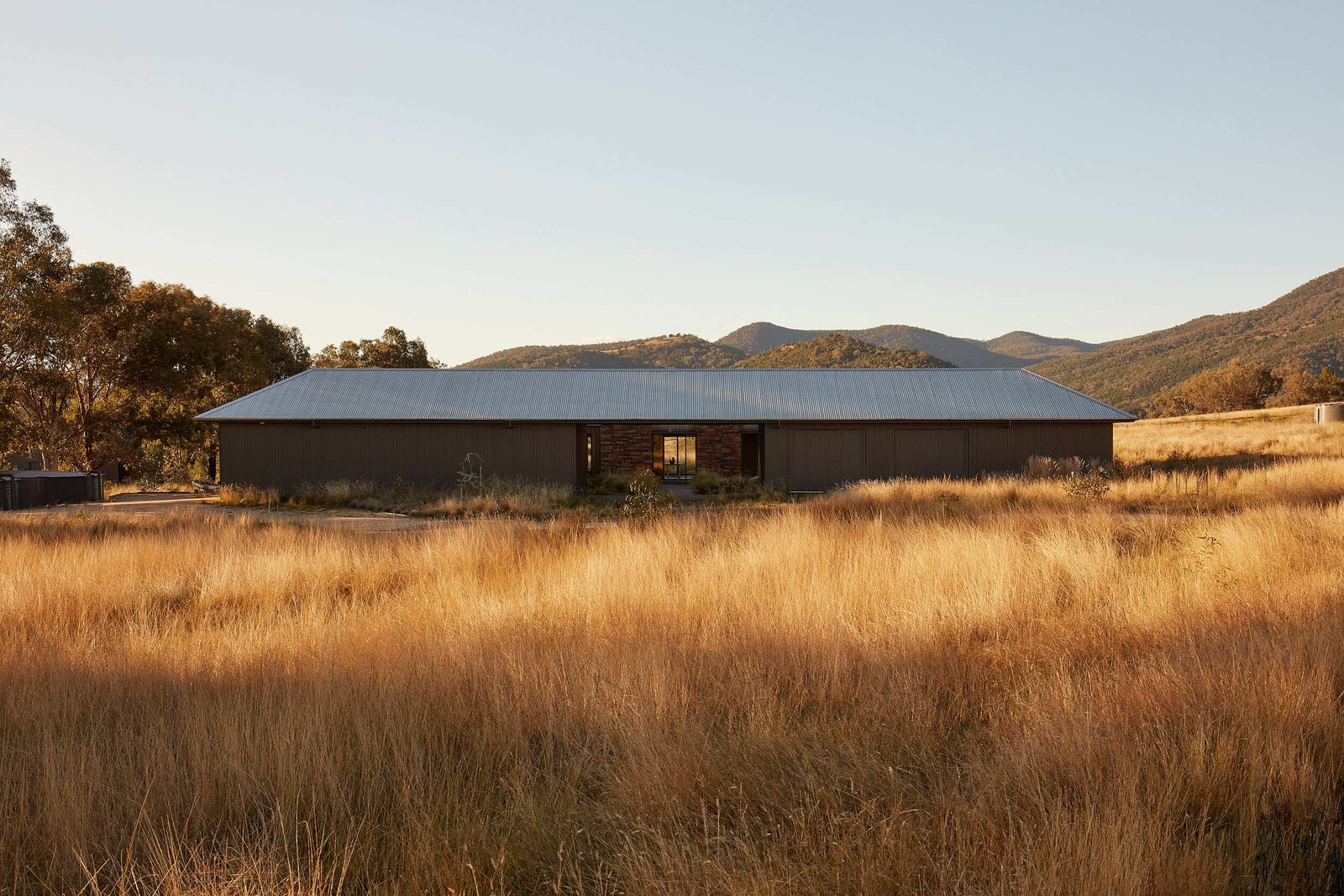
MRTN Architects designed a semirural house in Tamworth, Australia, to transform a parched piece of land into an energy-efficient contemporary home set within a landscape of regenerated native plants. The house features an almost totally enclosed courtyard garden in the center, two sheds connected by a roof, and a singular corrugated metal roof design that ties together all buildings and provides undercover walkways. The project has a solar panel array, north facing thermal mass, and captures water, allowing the house to cope with a severe climate that can be prone to drought and also gets cold in winter.
ExxonMobil has completed America's largest oil refinery expansion in over a decade, adding 250,000 barrels per day to its oil output, increasing its total processing capacity to more than 630,000 barrels daily. The $2 billion project was completed on time and on budget, earning the facility two consecutive Gold Energy Star acknowledgments from the Environmental Protection Agency. The expansion works towards ExxonMobil's mission of creating sustainable solutions that improve quality of life and meet society's evolving needs.