NASA's Deep Space Optical Communications experiment on the Psyche asteroid mission successfully completed its final test, exchanging laser signals across 218 million miles and achieving high data transfer rates, marking a significant advancement in deep space communication technology that could enhance future Mars missions.
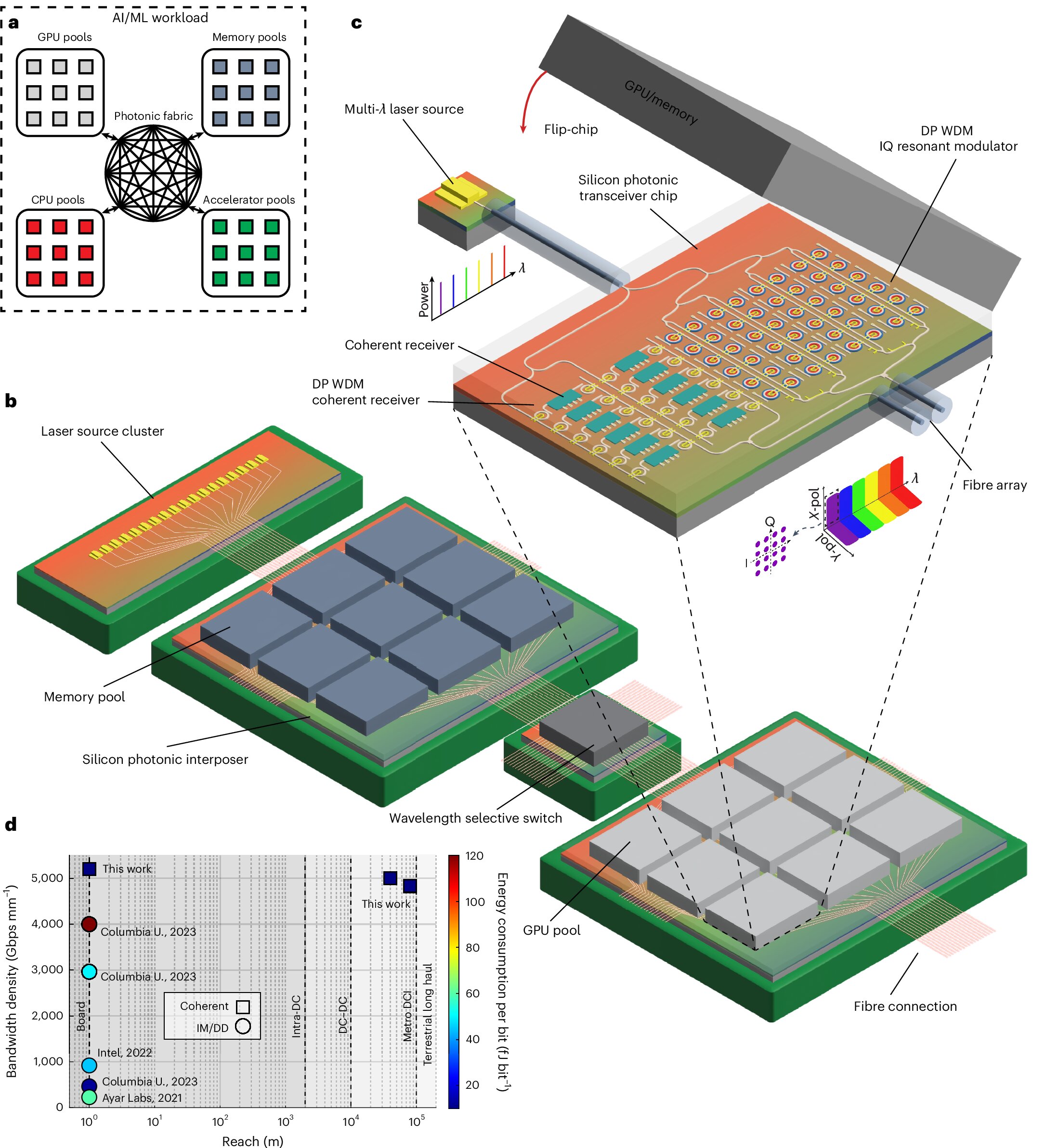
A team from COPL has developed an ultra-compact silicon photonic chip that uses light phase and intensity to transfer data at speeds up to 1,000 gigabits per second, significantly improving energy efficiency and enabling rapid AI data processing, with potential applications in future data centers.
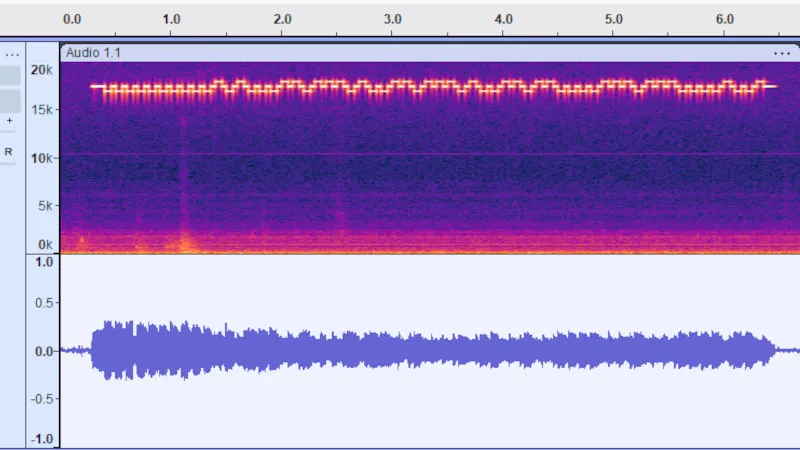
A researcher has demonstrated a method to transfer data between computers using ultrasonic sound waves, potentially bypassing air gaps in security, though it's more of a novelty than a reliable attack method, and mainly applicable to laptops with speakers and microphones.
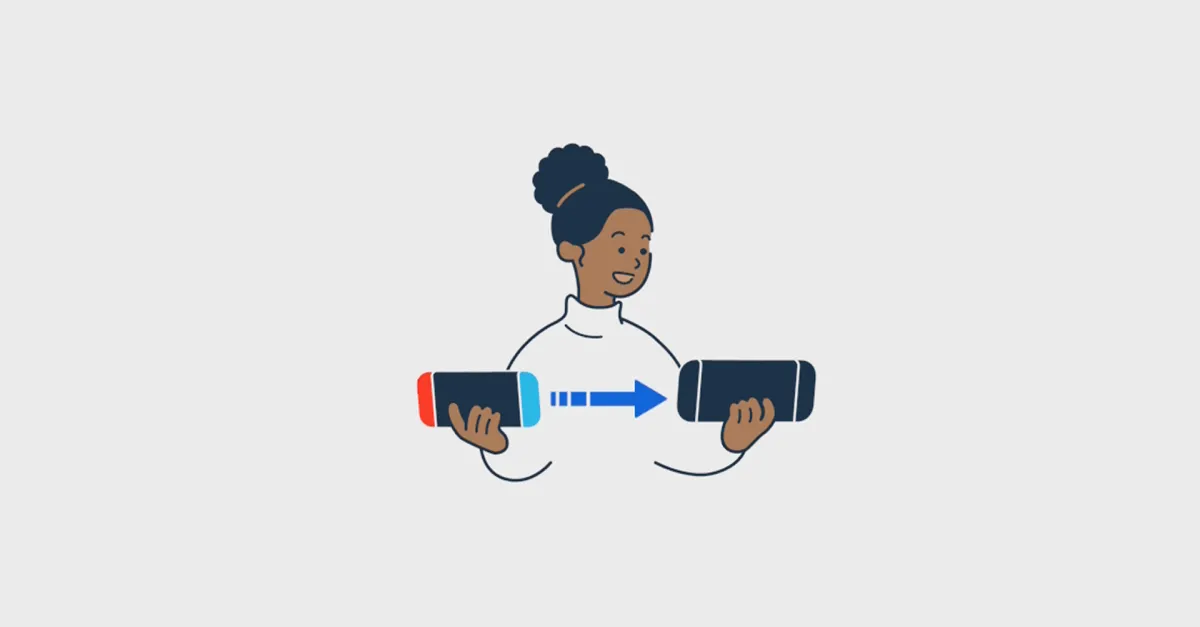
The article provides a step-by-step guide for transferring data from an original Nintendo Switch to a Switch 2, including local and remote transfer options, and explains what data is transferable. It highlights the ease of moving all user data and games, with some exceptions like custom settings and non-cloud-supported games, and offers tips for backing up data if not upgrading immediately.
The article provides a step-by-step guide for setting up the new Nintendo Switch 2, including preparing for setup, performing the day-one system update, and transferring data from the original Switch, emphasizing the importance of having internet, account info, and nearby devices ready for a smooth process.
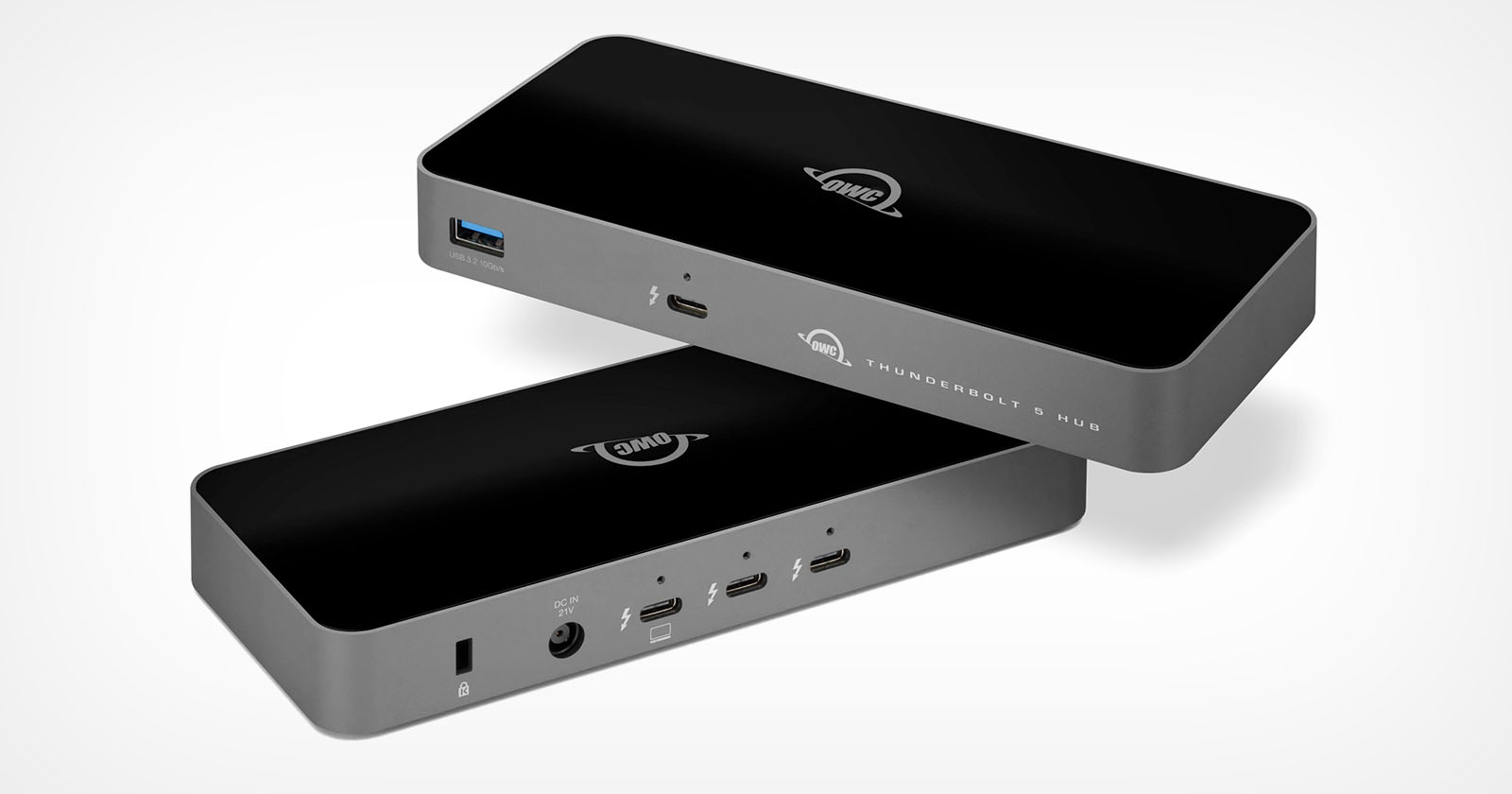
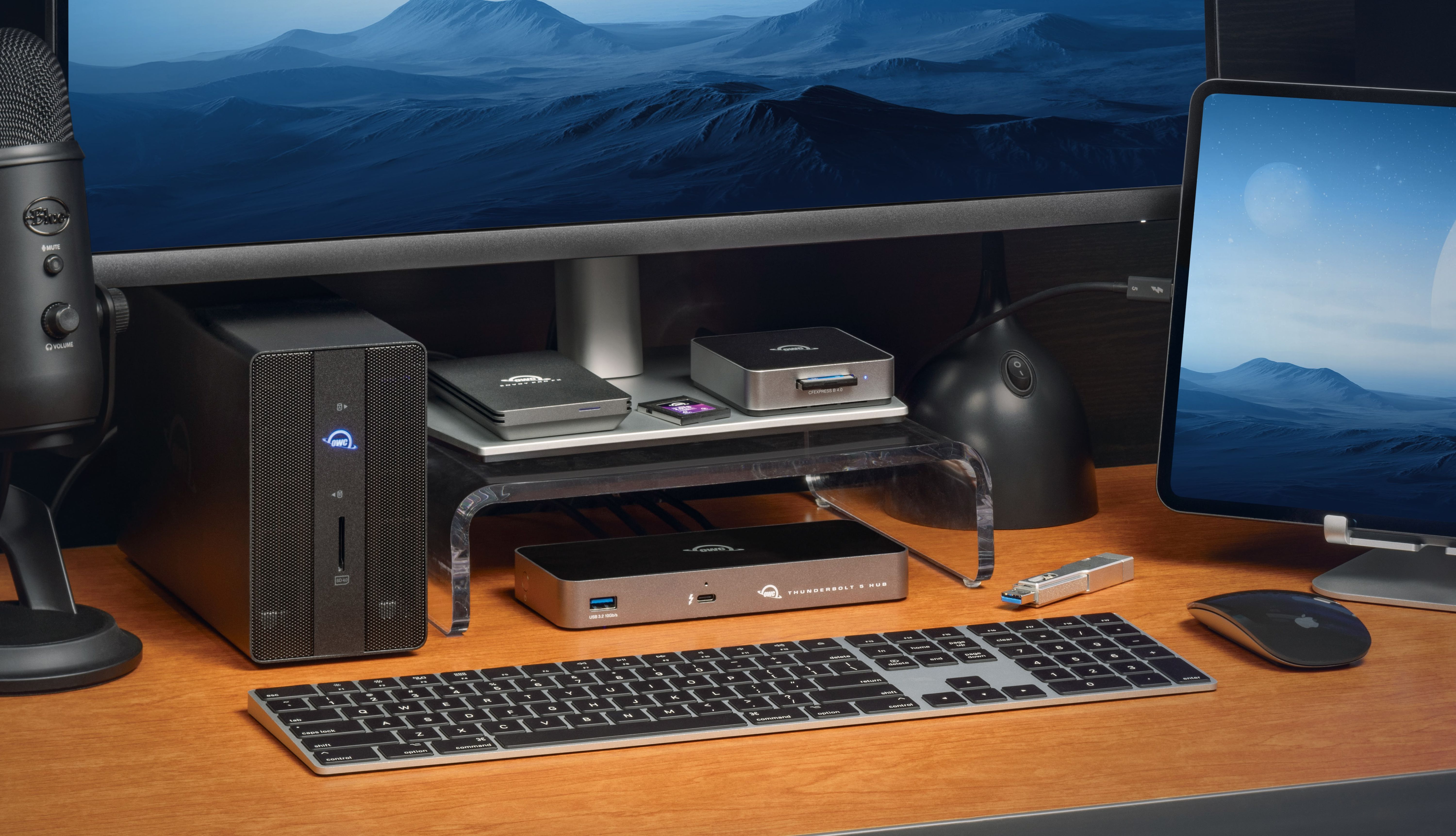
OWC has announced its new Thunderbolt 5 Hub, designed to maximize the capabilities of the latest Thunderbolt 5 technology found in Apple's newest MacBook Pro and Mac mini models. The hub offers multiple connectivity options, including four USB-C ports and one USB Type A port, and supports data transfer speeds up to 120Gb/s. It is compatible with both Mac and Windows devices and can deliver up to 140 watts of power over USB-C. The hub is available for preorder at $189.99 and is expected to ship in December.
OWC has announced its new Thunderbolt 5 Hub, which expands a single Thunderbolt port into three Thunderbolt 5 ports and one USB-A port, supporting Apple's latest Mac models with M4 chips. The hub offers up to 80Gb/s bi-directional data transfer speeds, supports up to three 8K displays, and provides 140W power delivery. It maintains backward compatibility with Thunderbolt 3/4 and USB-C devices, and is available for pre-order at $189.99, shipping in December.
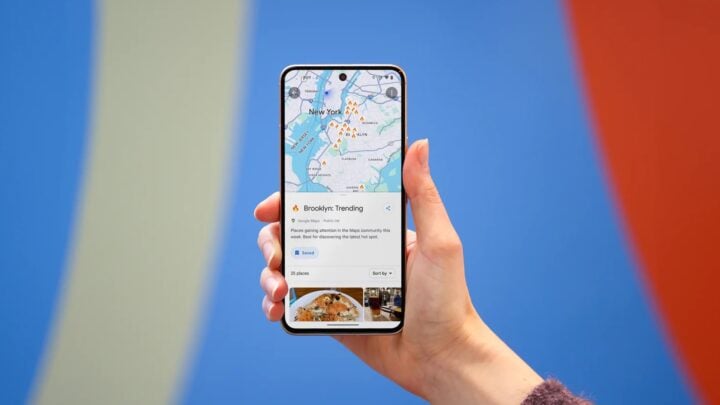
Google Maps will delete location history saved in Google accounts starting June 9, 2024, to improve privacy. Users must transfer their Timeline data to their devices by December 1, 2024, to retain it. This change currently affects users in the United States, with potential global expansion.
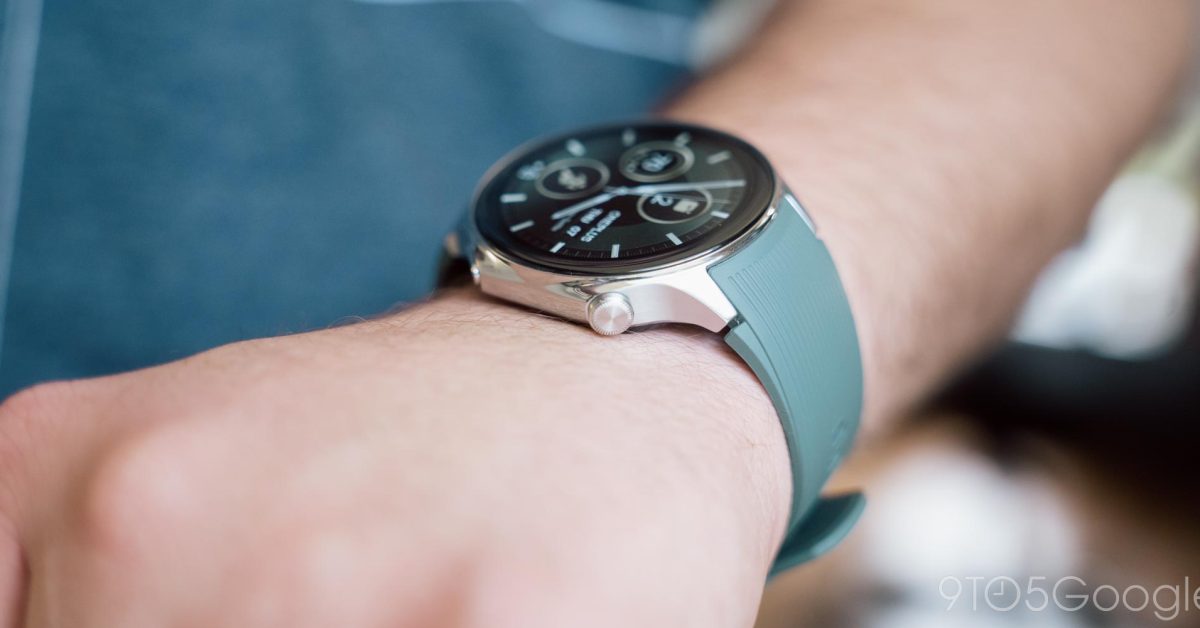
The OnePlus Watch 2 now supports Wear OS' data transfer feature, allowing users to switch phones without resetting the smartwatch. The update, part of Wear OS 4, introduces a "Migrate data" option in the settings menu, enabling a quick and easy process for transferring the watch to a new device using a QR code pairing method. Additionally, the update includes the ability to toggle Raise to Wake and media auto launch from the phone. The OnePlus Watch 2 is currently priced at $299.
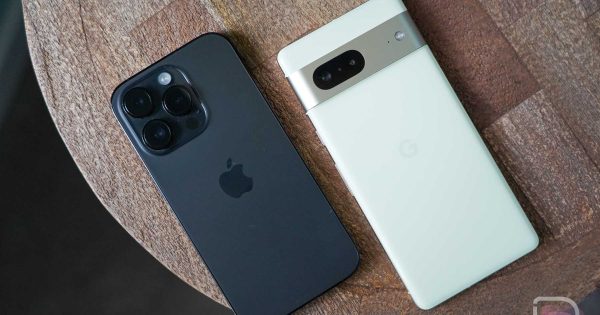
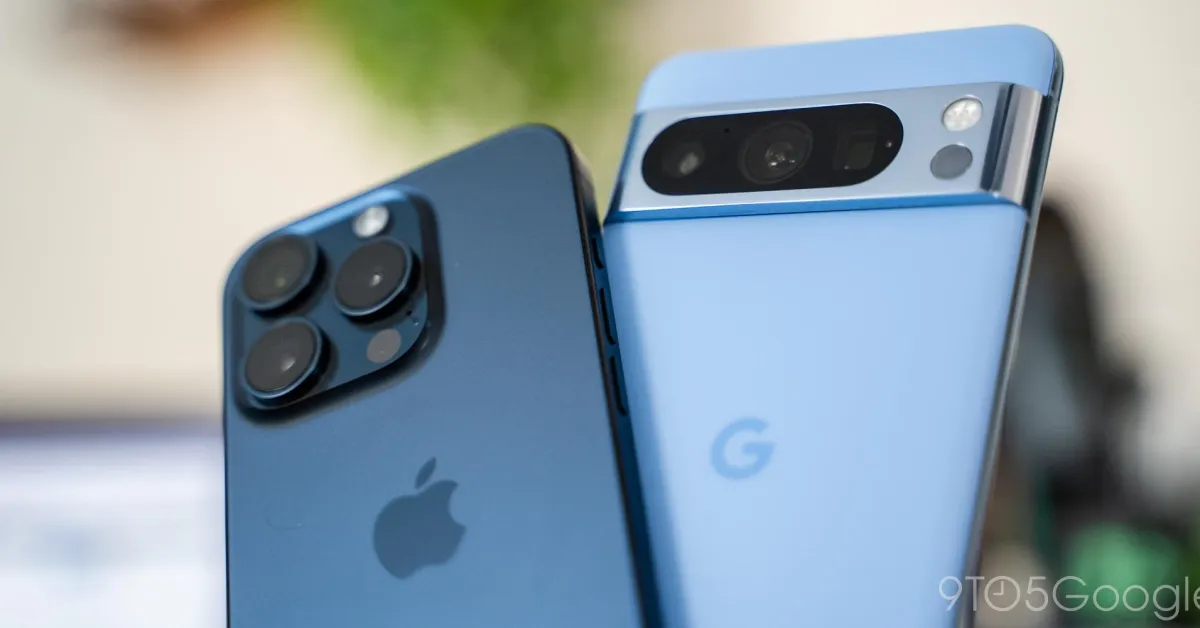
The process of switching from an iPhone to an Android phone was surprisingly simple, with the ability to transfer data using a Google app and easily switch phone carriers. However, the author ultimately found it difficult to fully detach from Apple's ecosystem, missing the seamless integration with other Apple products and encountering some software limitations, highlighting the challenges of breaking free from the iPhone's ecosystem.
New rules from the European Union are pushing Apple to make it easier for iPhone users to switch to Android devices, with changes expected to be implemented by fall 2025. Apple plans to enhance its user data portability offering to facilitate the transfer of data from an iPhone to a non-Apple phone, aiming to provide a more user-friendly solution. Third-party migration solutions already exist, but Apple's input could allow for a more comprehensive transfer of important data between operating systems.
In response to the EU's Digital Markets Act, Apple is working on a "user-friendly" way to transfer data from an iPhone to an Android device, aiming to make the solution available by fall 2025. This move is part of Apple's efforts to comply with the EU's regulations and improve user data portability between iOS and different operating systems. The proposed tool could potentially be available solely in the EU, and it appears that Apple is providing the tools for others, including Google, to build their own apps for transferring data.
Apple is preparing to comply with the European Union's Digital Markets Act by allowing EU-based iPhone users to uninstall its Safari browser by the end of 2024 and working on a more user-friendly way to transfer data from an iPhone to a non-Apple phone by fall 2025. Other initiatives include a browser switching solution and the ability to change the default navigation app on iOS by specific deadlines. The document does not clarify if these features will be available globally or only in the EU, but they aim to provide more user-friendly data transfer solutions and build on existing migration tools offered by other companies like Google's "Switch to Android" app.
Researchers at the University of Oxford have created magnetic whirls in membranes that could enable data transfer at kilometers per second, potentially revolutionizing computing platforms for the next generation of applications such as AI and autonomous devices. This breakthrough aims to address the energy-inefficiency of current silicon-based computing and could lead to a new computing paradigm utilizing fast and efficient physical phenomena.
Google is challenging its cloud rivals by offering free network data transfer for customers looking to migrate their data out of Google Cloud, criticizing competitors for using punitive contract terms to lock in customers. This move aims to eliminate data transfer fees and pressure rivals to follow suit, as Google's cloud business, under the leadership of Thomas Kurian, seeks to win over new business prospects and advocate for customer choice and competition in the cloud market.