Tag

University Of Bristol

All articles tagged with #university of bristol

education24 days ago

Bristol University Faces Legal Action Over Disrupted Gender Lecture

Prof Alice Sullivan threatened legal action against the University of Bristol after her talk on gender data collection was disrupted by protests, raising concerns about free speech and university responsibilities amid new legislation. The university maintains it upheld free speech and took necessary safety measures, while Sullivan's lawyers allege restrictions and influence from LGBTQ+ staff complaints.


technology1 year ago

Revolutionary Nuclear Diamond Battery Promises Eternal Power

Scientists from the UK Atomic Energy Authority and the University of Bristol have developed the world's first carbon-14 diamond battery, capable of powering devices for thousands of years. This innovative battery uses the radioactive decay of carbon-14 to generate power, offering potential applications in medical devices, space technology, and extreme environments. The technology leverages expertise from fusion energy research and could revolutionize power sources for long-term use.

science1 year ago

"Fossil Discovery Unveils True Origins of Welsh Dragons"

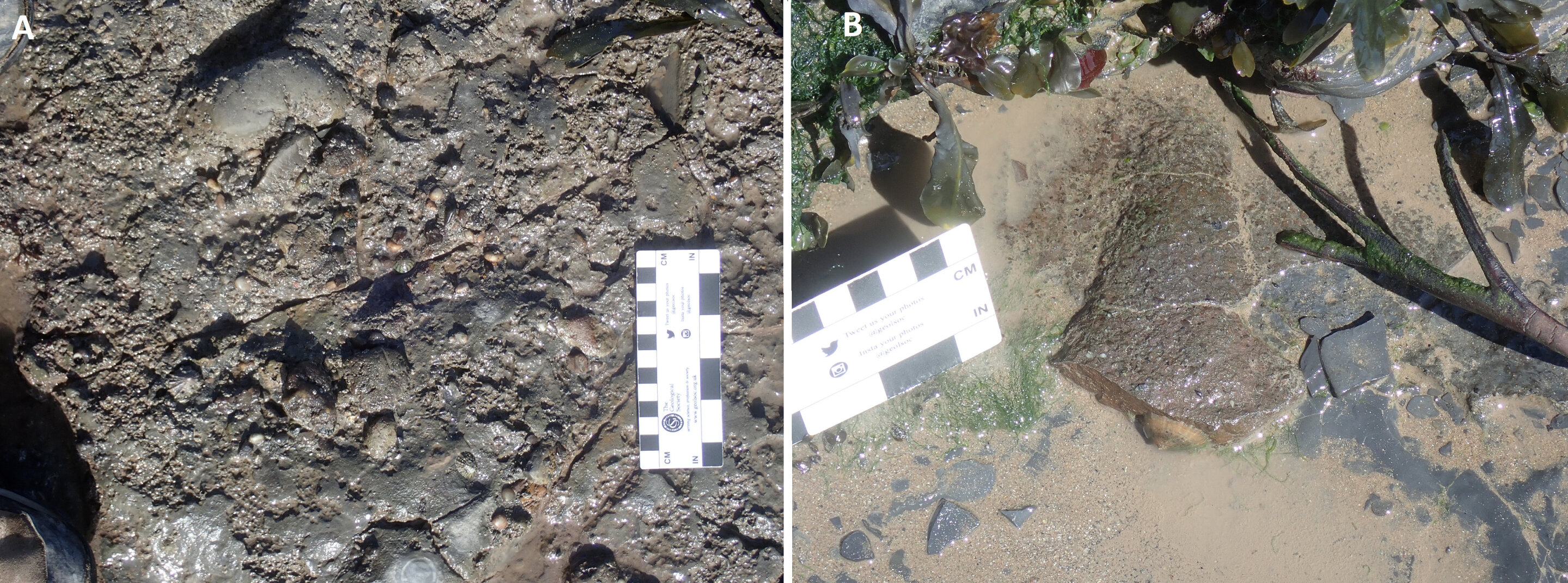
A study by the University of Bristol has revealed that early Welsh dinosaurs lived on a tropical lowland beside the sea over 200 million years ago. Fossil discoveries at Lavernock Point, near Cardiff, have provided insights into the diverse ecological system of the time, including marine reptiles and dinosaurs. The findings, published in the Proceedings of the Geologists' Association, highlight the significance of the site for paleontology in Wales.

science1 year ago

"Fossil Find Unveils Origins of Welsh Dragon Myth"

A significant fossil discovery at Lavernock Point, Wales, has revealed that early Welsh dinosaurs lived on a tropical lowland beside the sea over 200 million years ago. The study, led by the University of Bristol, found diverse marine and land fossils, including rare coelacanth and placodont remains, providing new insights into the region's ancient ecological system and the origins of Welsh dinosaurs.

health-and-wellness1 year ago

"Mastering Happiness: Science-Backed Hacks for Mental Well-being"

Researchers at the University of Bristol have identified eight "happiness hacks" backed by science, including acts of kindness, social connections, savoring experiences, expressing gratitude, sufficient sleep, physical activity, mindfulness, and meditation. Students who participated in a 10-week "Science of Happiness" course reported improved mental wellbeing, but sustained benefits were seen only in those who continued practicing the hacks. The study emphasizes the importance of ongoing effort in maintaining mental health, highlighting the positive impact of diverting attention away from oneself through activities like helping others, gratitude, and socializing.

education1 year ago

"The Science of Happiness: Learning and Practicing for a Happier Life"

The University of Bristol's Science of Happiness course, which focuses on teaching evidence-informed habits such as gratitude, exercise, meditation, and journaling, has shown that it is possible to learn how to be happy. However, sustained improvement in well-being requires ongoing practice and dedication, as revealed by a new study. Students who continued implementing what they learned reported sustained improved well-being, emphasizing the importance of regular practice. The course also offers surprising insights, such as the impact of talking to strangers, social media, loneliness, optimism, giving gifts, sleep deprivation, nature walks, and the correlation between kindness and happiness.

psychology-and-education1 year ago

"The Key to Happiness: Continuous Practice Revealed by New Study"

A study from the University of Bristol's 'Science of Happiness' course reveals that while learning evidence-informed habits for well-being can initially boost happiness, sustained effort and continued practice of these habits, such as gratitude and meditation, are necessary for long-term benefits. The study emphasizes the importance of ongoing mental health practices and challenges the prevailing 'self-care' narrative by emphasizing outward-focused activities. The course, launched in 2018, has shown a 10 to 15% improvement in well-being for students, but only those who continued implementing the course learnings maintained that improved well-being when surveyed again two years later.

science-and-nature1 year ago

"The Science Behind Blueberries' Blue Hue Unveiled by Researchers"

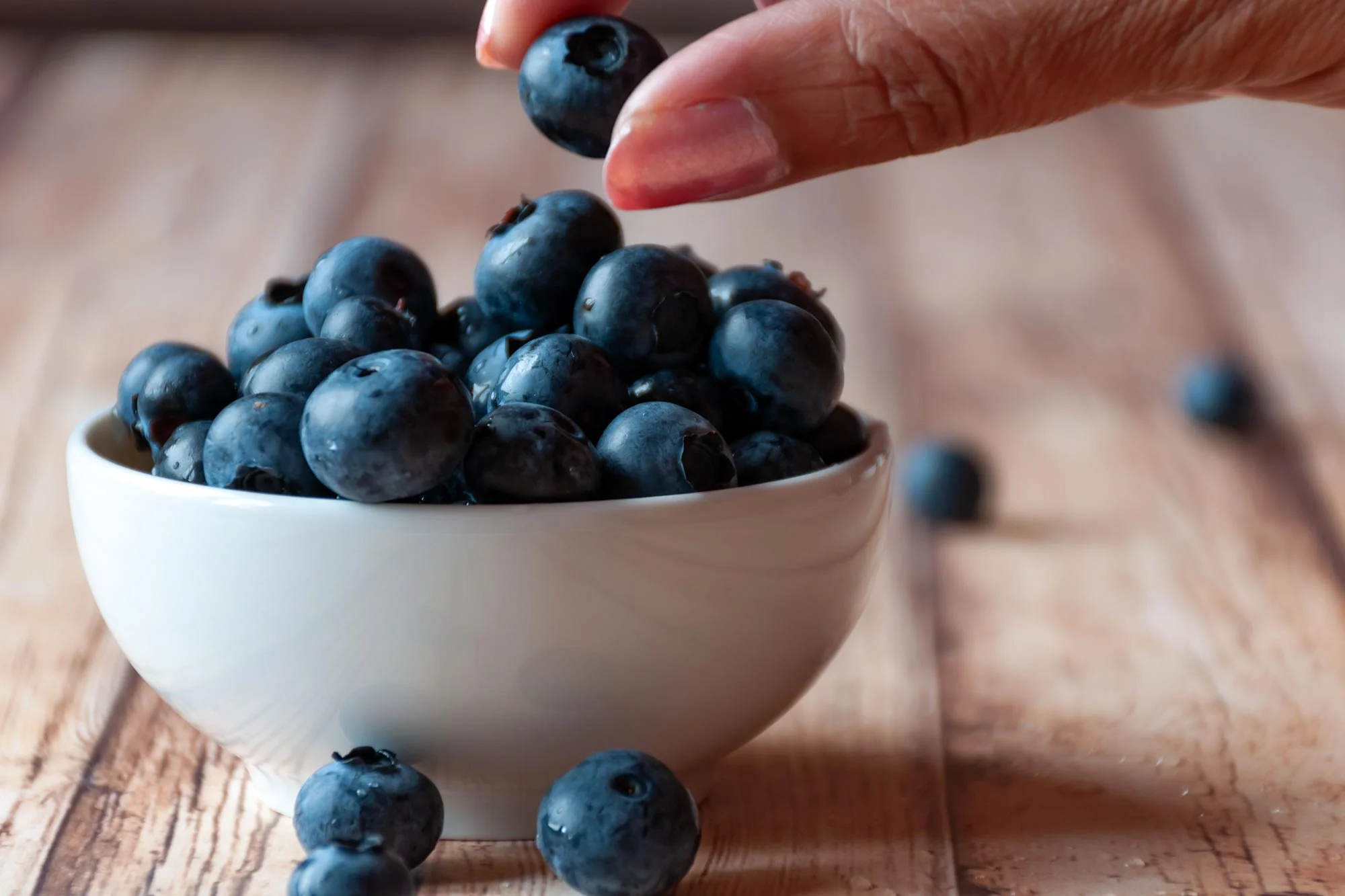
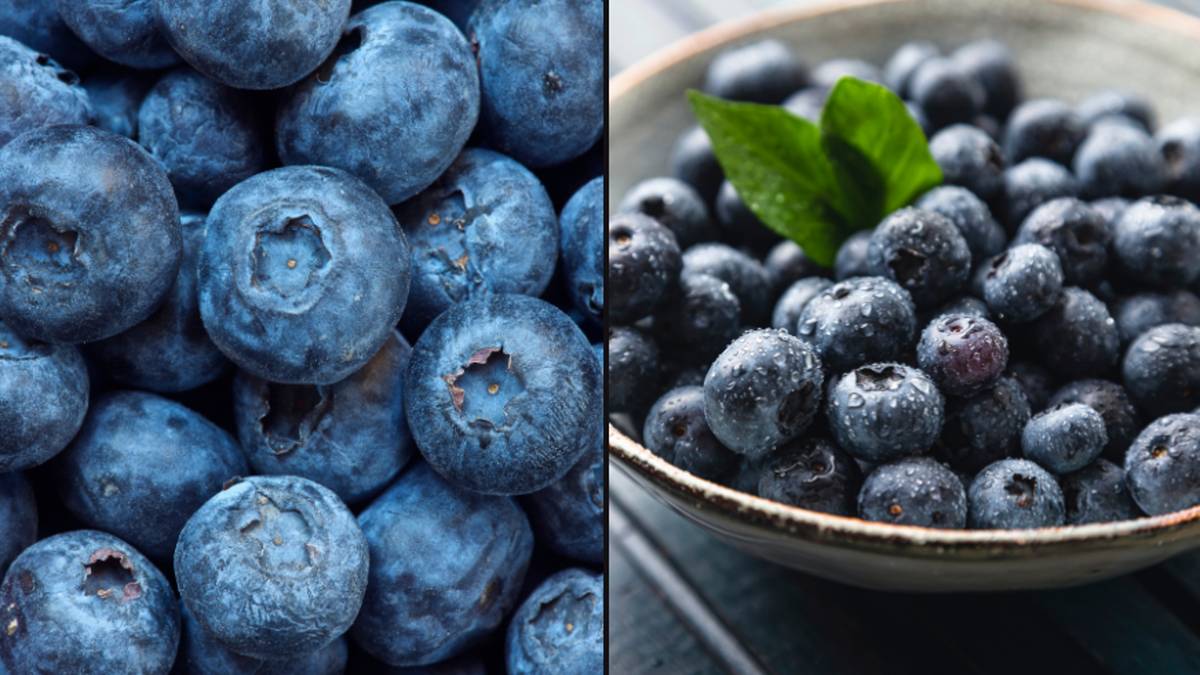
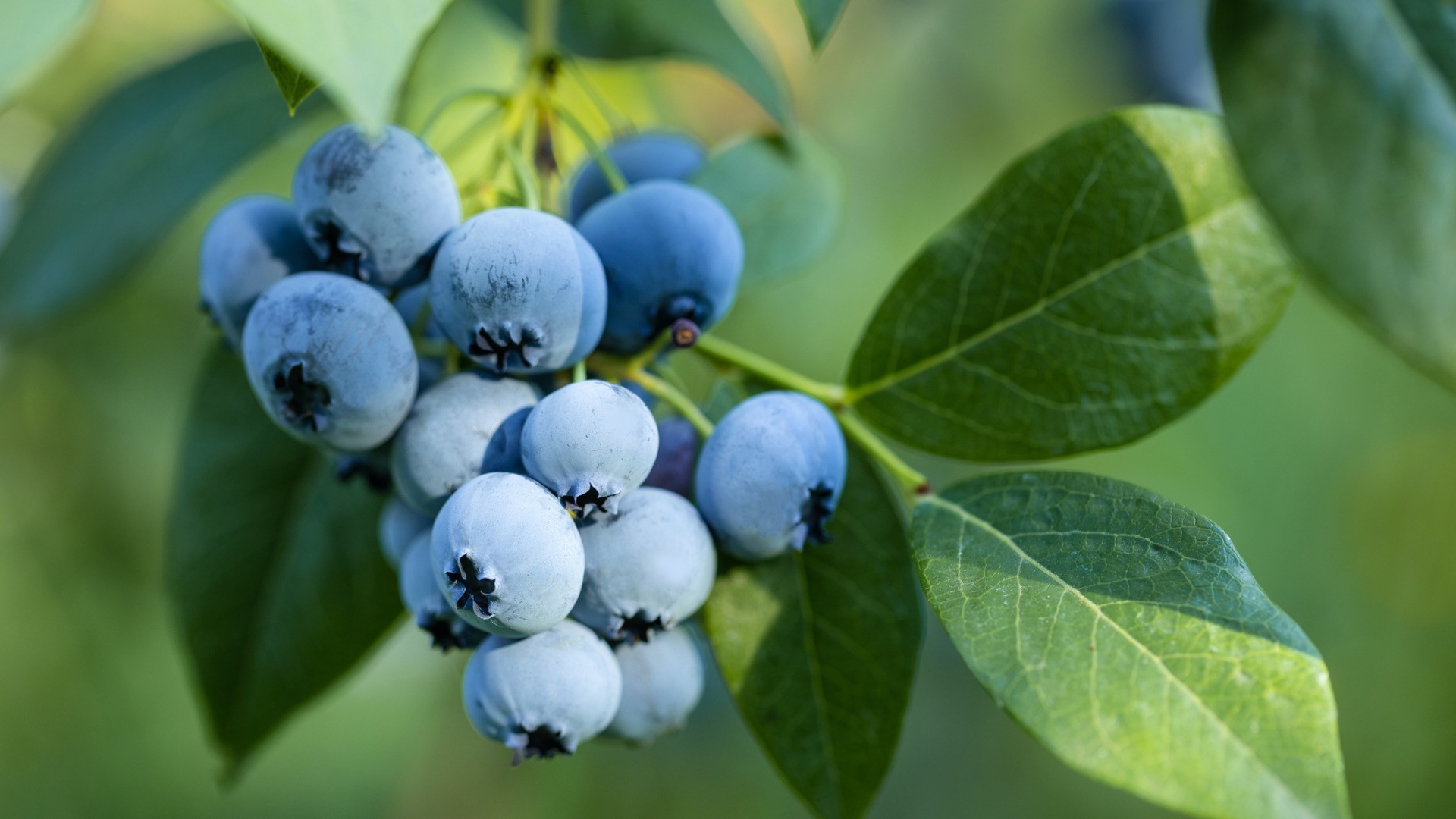
Scientists at the University of Bristol have discovered that the blue color of blueberries comes from tiny structures in their wax coating, not from pigments in the fruit skin. This finding could lead to the development of sustainable and biocompatible colorants and coatings inspired by nature. The study reveals that the blue color of blueberries is provided by a layer of wax with miniature structures that scatter blue and UV light, giving the fruit its distinctive appearance. The researchers aim to explore easier ways of recreating the coating and applying it, potentially leading to the development of sustainable, biocompatible, and even edible UV and blue-reflective paint.

science-and-nature1 year ago

"The Surprising Science Behind Blueberries' Blue Appearance"

Despite their name, blueberries do not actually contain blue pigment. The observed blue color of blueberries is due to the way light interacts with the randomly arranged crystal structures of the thin wax layer that coats the fruit, rather than from pigmentation within the fruit. A study from the University of Bristol revealed that the wax coating contains miniature structures that scatter blue and UV light, creating the appearance of blue. This previously unknown coloration mechanism in blue fruit could lead to the development of new artificial materials with similar functionality.

food-and-science1 year ago

"Surprising Truths: Blueberries, Lightning Strikes, and Gut Health"

Research from the University of Bristol has revealed that blueberries aren't actually blue, but appear so due to a trick of the light caused by a colorless, two micron-thick wax layer covering the fruit, which has an intricate microscopic structure that interferes with light and makes it seem blue to the naked eye. The skin of the fruit is black and the berry juice is red, with no trace of any blue pigment in either the flesh or skin. This discovery has left many people surprised and intrigued, as the beloved superfood's true color is unveiled.

science1 year ago

"The Enigmatic Disruption: How Forests Defy a Fundamental Law of Nature"

A new study from the University of Bristol has found that forest canopies do not replicate the fractal patterns of individual trees, challenging the idea that fractal patterns might explain how forest canopies are organized. The researchers compiled data from nine vastly different forest types in Australia and found that none of the canopy sections behaved like fractals beyond the crowns of individual trees. While forest canopies are not fractal, there is some predictability in how they deviate from fractal patterning, which might still be useful for ecosystem comparisons. The study suggests that forests may prove to be unruly ecosystems that defy mathematical laws, from their canopies right down to their cells.

paleontology2 years ago

"College Student Unearths 200-Million-Year-Old Flying Reptile Fossil in Britain"

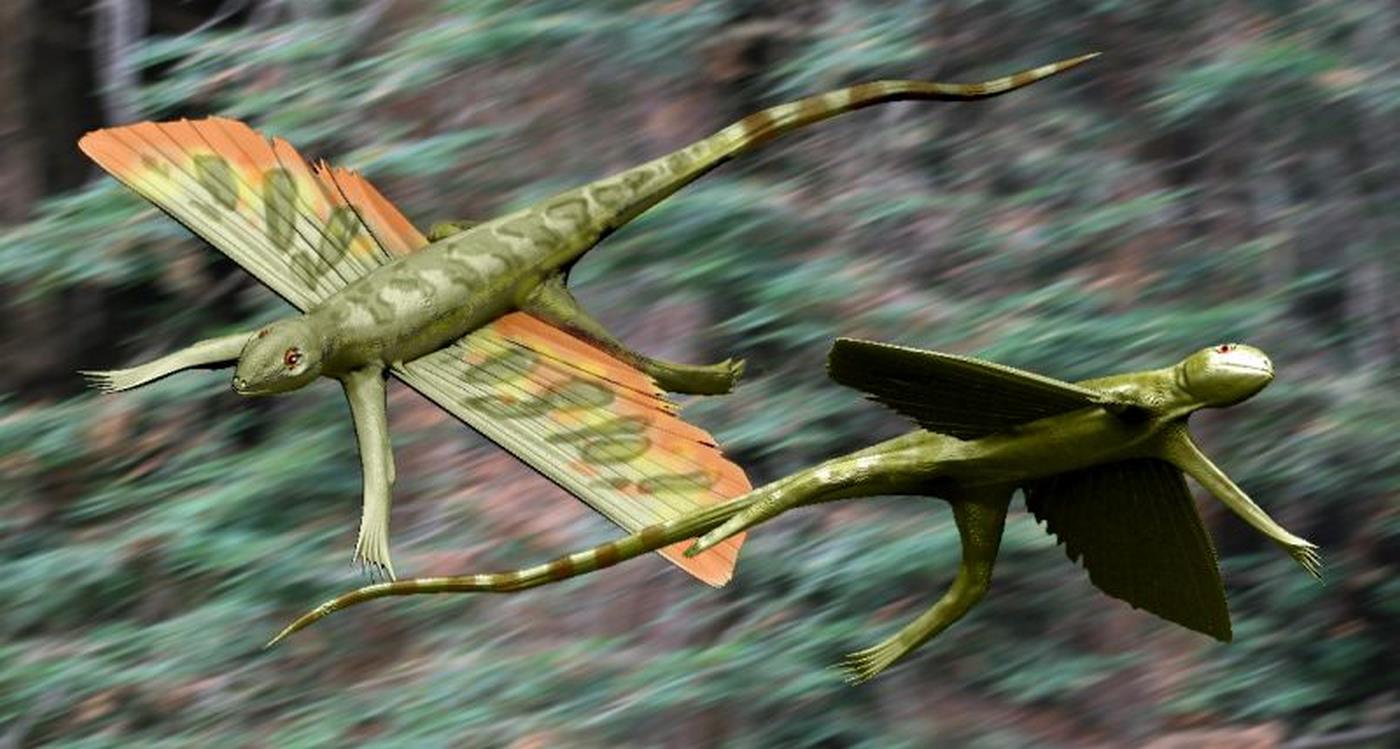
A University of Bristol student has discovered the fossil of a 200 million-year-old Kuehneosaurus, a flying reptile that used elongated rib bones to glide from tree to tree, in limestone quarries on what was once the Mendip Palaeo-island in Britain. The discovery also included teeth of a plant-eating Trilophosaurus and an aquatic lizard called Pachystropheus, shedding light on the diverse reptilian population of the area during the late Triassic period.

paleontology2 years ago

Ancient Flying Reptile Unearthed in Somerset Hills

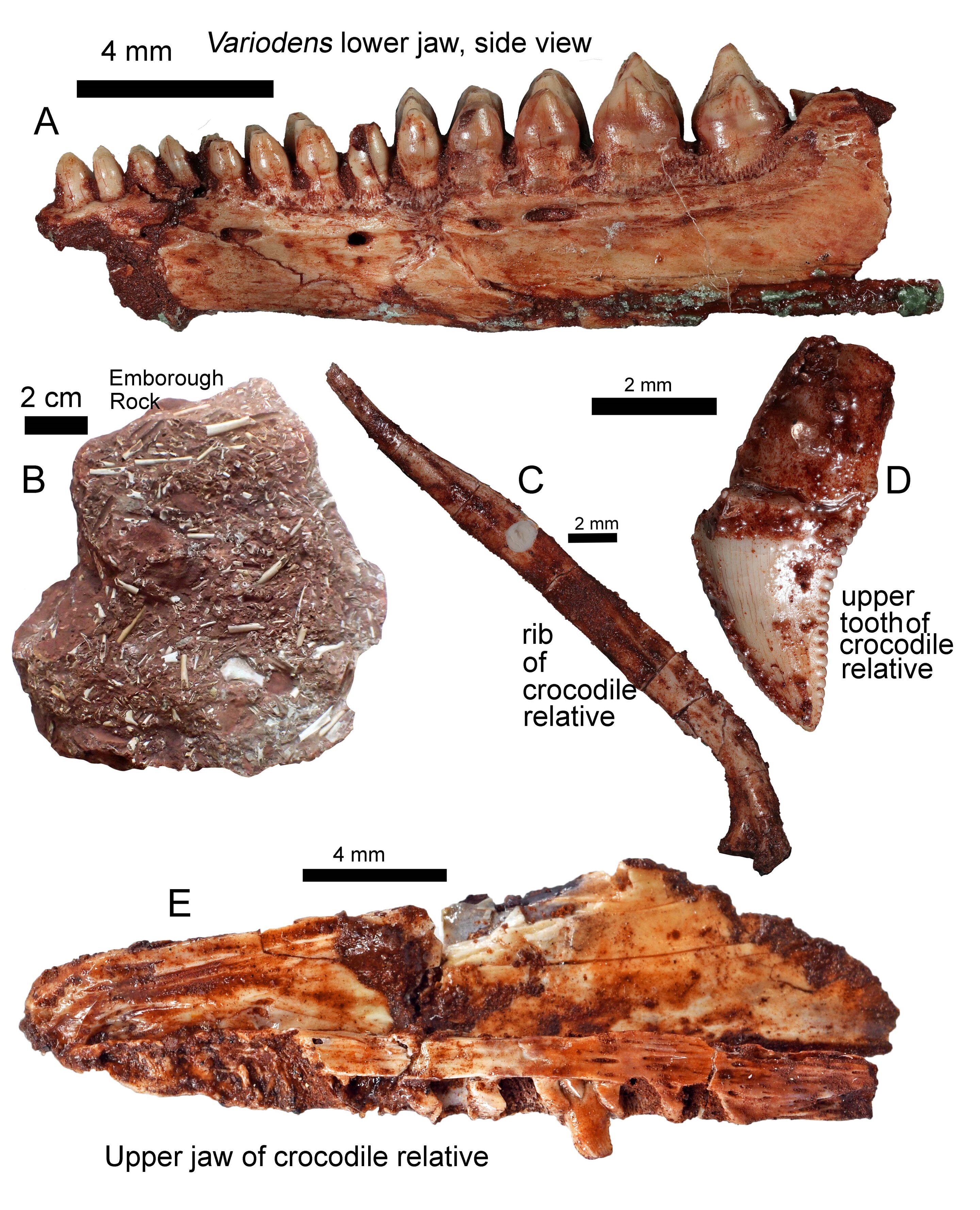
A University of Bristol student, Mike Cawthorne, has discovered the partial skeleton of a 200-million-year-old gliding reptile called Kuehneosaurus in Somerset. The reptile, resembling a lizard but closely related to crocodilians and dinosaurs, had the ability to glide from tree to tree using its elongated side ribs. The discovery was made while researching reptile fossils from limestone quarries on the Mendip Palaeo-island, which was a sub-tropical island during the Late Triassic period. The study also revealed the presence of other small reptiles, such as the trilophosaur Variodens and the aquatic Pachystropheus, indicating a diverse ecosystem in the area.

science-and-technology2 years ago

"Rare Metal Unlocks Quantum Device Revolution"

Quantum scientists at the University of Bristol have discovered a rare phenomenon within purple bronze that could lead to a revolutionary "perfect switch" in quantum devices. The research, published in Science, reveals the emergence of a unique polarized versatility in the one-dimensional metal, allowing for a seamless transition between insulator and superconductor states. The discovery was made after 13 years of studying the material's complex behavior and magnetoresistance.