Starting January 1, five states (Indiana, Iowa, Nebraska, Utah, and West Virginia) will implement new restrictions on purchasing soda, candy, and certain foods with SNAP benefits, aiming to promote healthier eating and reduce chronic diseases, though experts warn of implementation challenges and limited evidence of effectiveness.
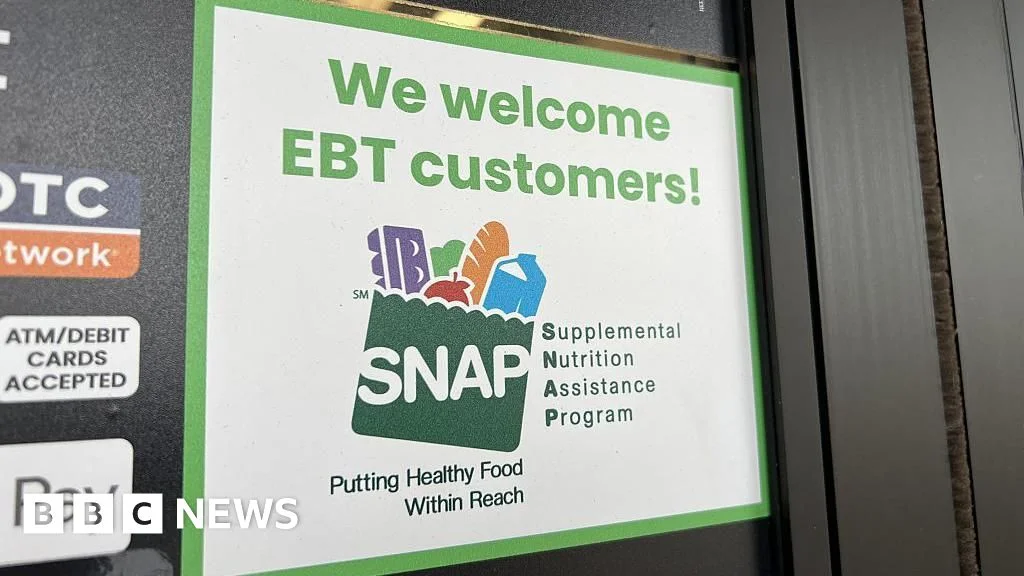
Several US states will begin banning the purchase of soda, candy, and other unhealthy foods with SNAP benefits starting in 2024, aiming to promote healthier eating, but opponents argue these restrictions could cause confusion and hardship for low-income families. The bans will roll out in different states throughout 2026.
Starting January 1, five states (Indiana, Iowa, Nebraska, Utah, and West Virginia) will implement waivers restricting the purchase of certain unhealthy foods like soda and candy with SNAP benefits, aiming to improve public health but facing logistical challenges and mixed evidence on effectiveness.
Starting January 1, five states (Indiana, Iowa, Nebraska, Utah, and West Virginia) will implement new restrictions on certain foods, like soda and candy, that can be purchased with SNAP benefits, aiming to improve public health but facing industry and logistical challenges.
Starting January 1, five states (Indiana, Iowa, Nebraska, Utah, and West Virginia) implemented new restrictions on certain foods, like soda and candy, that can be purchased with SNAP benefits, aiming to improve public health but facing logistical and effectiveness concerns.
Research indicates that not all plant-based diets are beneficial for heart health; diets high in refined grains, processed foods, and sugars may increase heart attack risk, while whole, minimally processed plant foods like fruits, vegetables, and legumes support cardiovascular health. Experts recommend focusing on whole foods and healthy fats, such as those in the Mediterranean and DASH diets, rather than simply avoiding animal products.
The UK Government has announced a ban on advertising certain 'unhealthy' foods on TV before 9pm, starting in October next year, to combat childhood obesity and excessive sugar consumption. The ban includes soft drinks, breakfast pastries, certain cereals, ice cream, cakes, confectionery, biscuits, savory snacks, desserts, processed potatoes, ready meals, sweetened yogurts, and pizza. The initiative aims to prevent health issues in children and reduce NHS costs by promoting healthier choices.
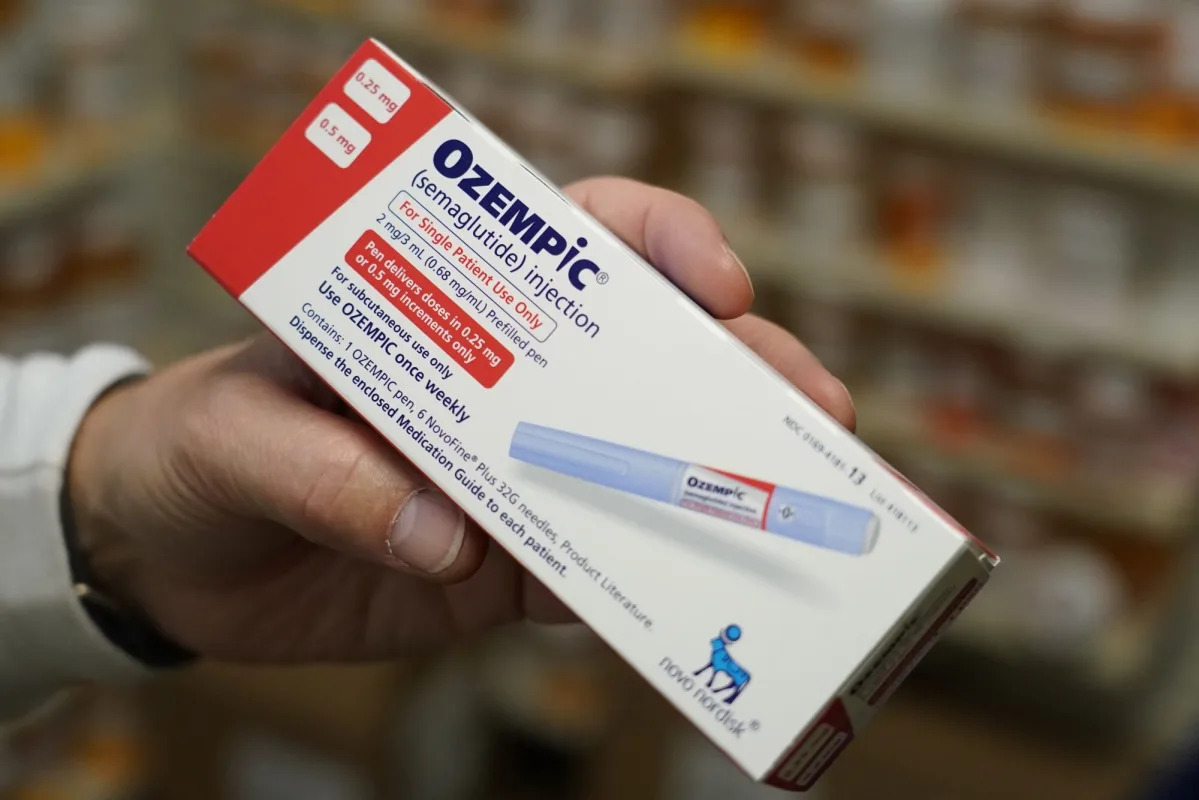
The growing popularity of weight-loss drugs like Ozempic is prompting a shift in the food industry, with investors urging companies selling unhealthy foods to revise their business models or risk alienating investors. The emergence of appetite-suppressing drugs is expected to impact the market for sugary, fatty, and ultra-processed foods, with potential long-term effects on alcohol, snacks, smoking, gambling, and healthcare companies. While some food companies may face challenges, others, such as retailers marketing healthier offerings and those developing complementary products, could benefit from the trend. Additionally, the impact of these drugs on the market is already being felt, with potential long-term implications for investment decisions and the overall economy.
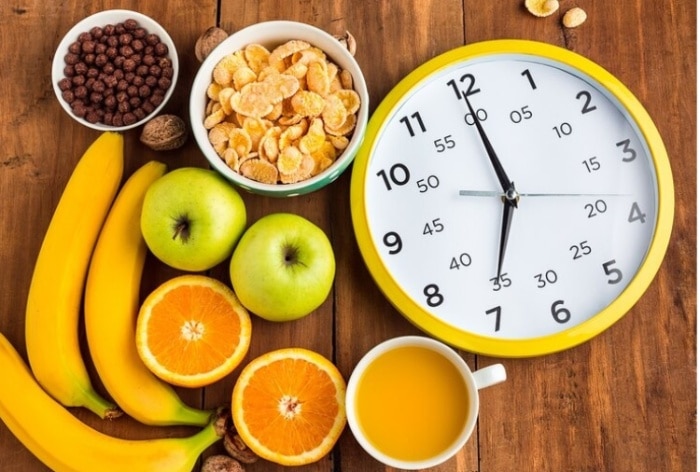
A nutritionist warns against starting your day with tea or coffee, fruit juice, and breakfast cereals, as they can spike your blood sugar levels and lead to lethargy. Instead, opt for hydrating with warm water, consuming soaked nuts and seeds, and choosing savory breakfast options like sprouts, eggs, vegetables, or dal cheela, which are high in protein and fiber. Steel-cut oats with whole milk are also recommended for a healthy morning meal.
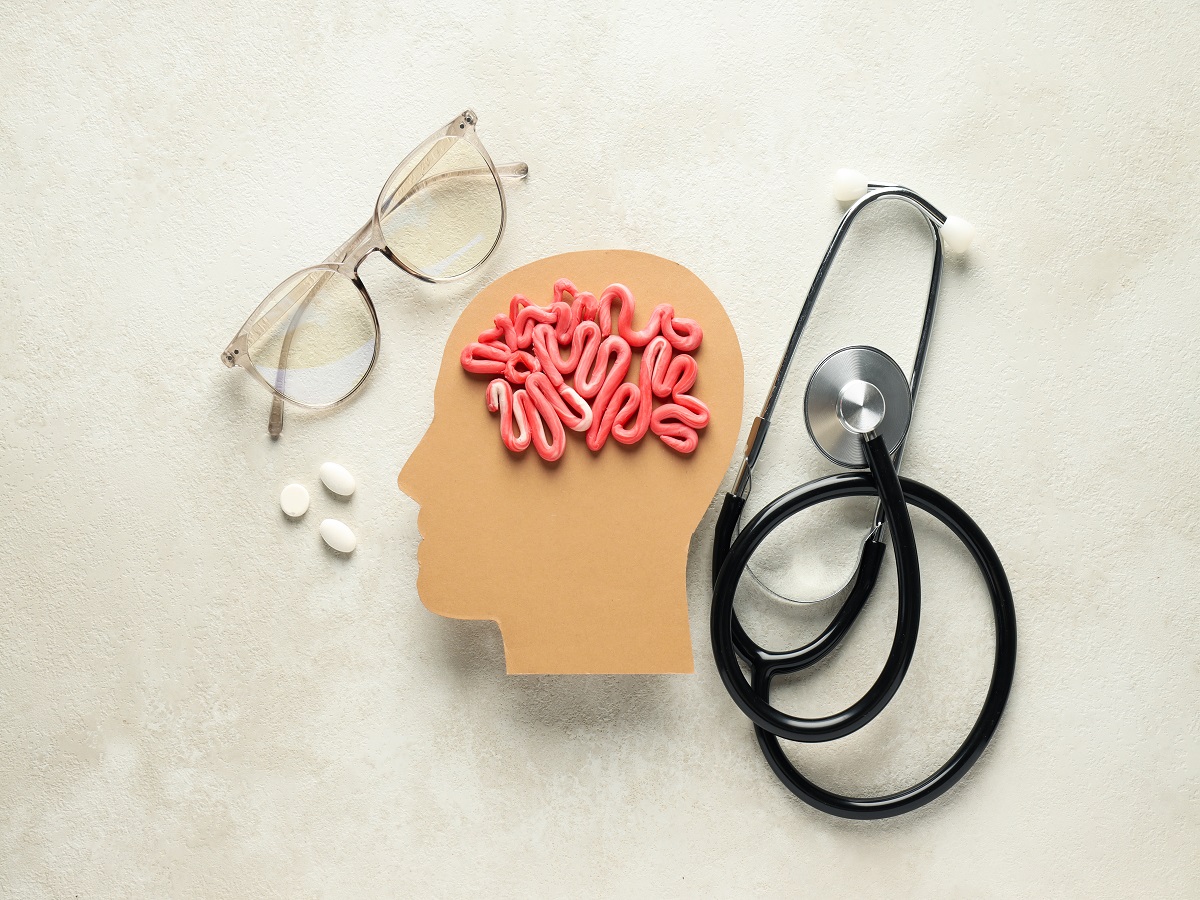
Certain foods can negatively impact brain health and cognitive function. Alcohol can cause metabolic changes and reduce brain volume, while aspartame can lead to oxidative stress. Highly processed and high trans foods, sugary beverages, and refined carbs can also impair brain function. It is important to follow a healthy diet to maintain optimal brain health.
A study published in PLOS One found that individuals who consume more unhealthy plant foods have a higher risk of depression and anxiety compared to those who consume less of such foods. However, eating healthy plant foods was not associated with changes in the risk of these disorders. The study highlights the importance of distinguishing between healthy and unhealthy plant-based diets when examining their impact on mental health.
Scientists from the University of New South Wales (UNSW) in Australia have warned that even occasional consumption of unhealthy foods could lead to long-lasting brain damage. The rats which ate a mostly healthy diet and only sometimes snacked on high-sugar and saturated-fat foods showed significant cognitive impairment in tests of spatial memory. The study provides new evidence on the dangerous effects of even a small amount of unhealthy food. The British Nutrition Foundation advises people to eat less of foods high in fat and sugar, including chocolate, sweets, cakes, biscuits, puddings, pastries, jams, butter, crisps, ice cream, fried foods, sweet drinks, gravy, and mayo.