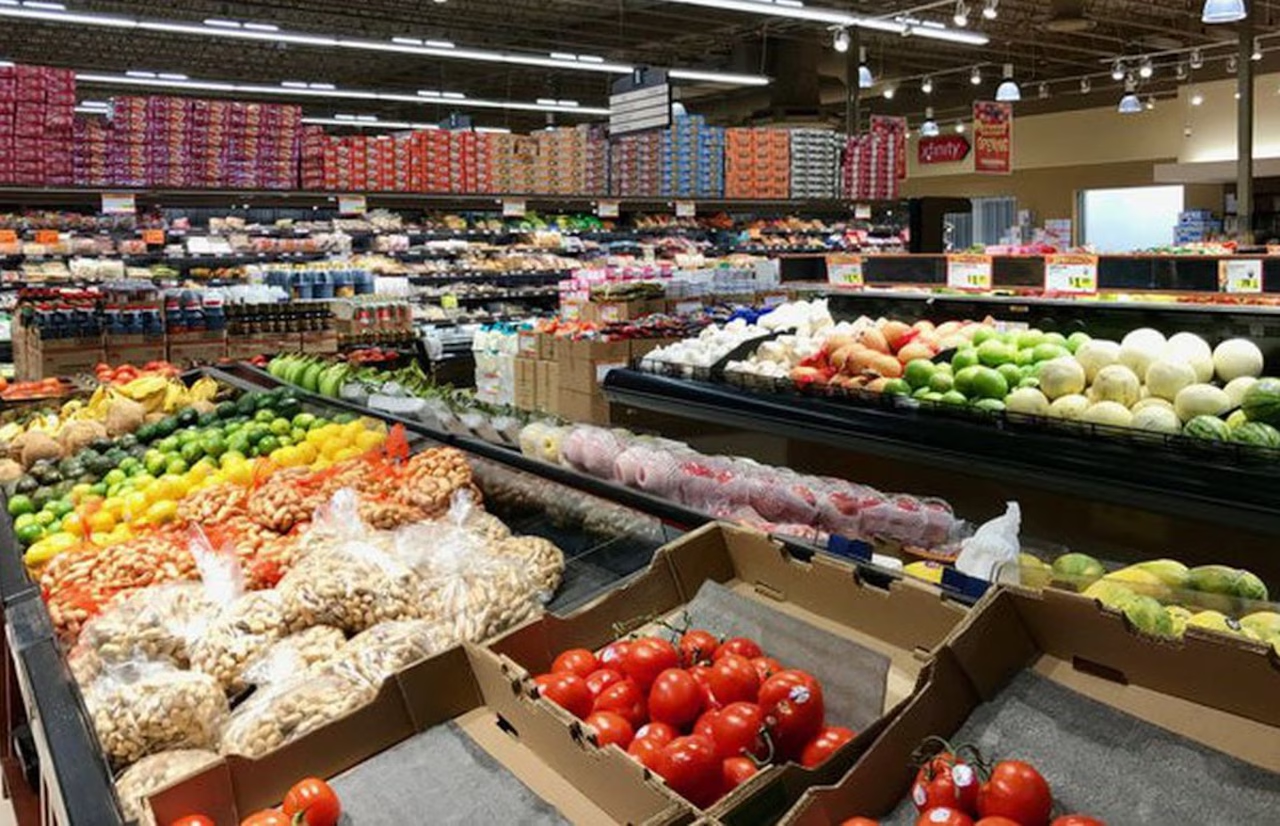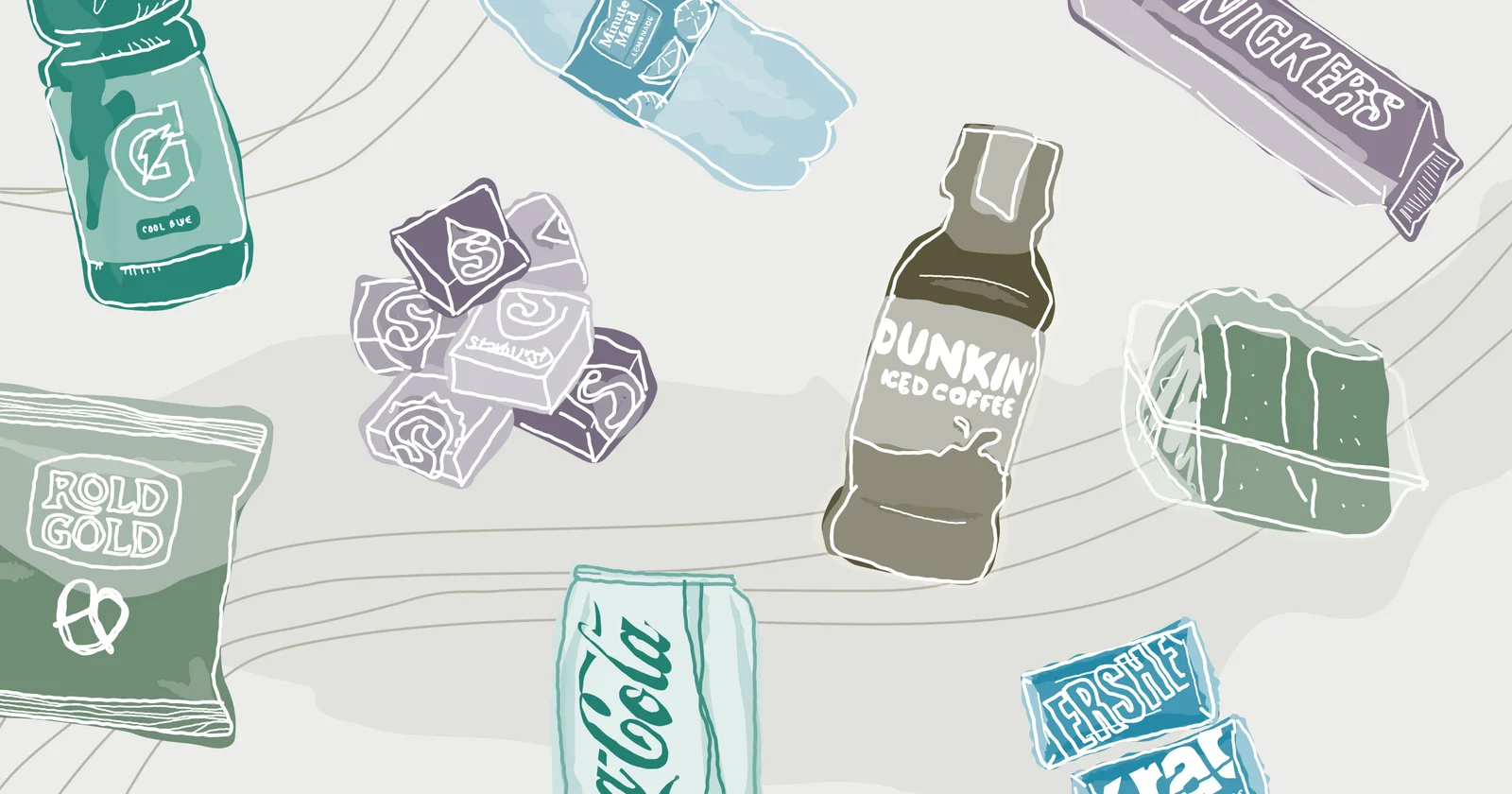
Starting January 1, five states (Indiana, Iowa, Nebraska, Utah, and West Virginia) will implement new restrictions on purchasing soda, candy, and certain foods with SNAP benefits, aiming to promote healthier eating and reduce chronic diseases, though experts warn of implementation challenges and limited evidence of effectiveness.
Several US states will begin banning the purchase of soda, candy, and other unhealthy foods with SNAP benefits starting in 2024, aiming to promote healthier eating, but opponents argue these restrictions could cause confusion and hardship for low-income families. The bans will roll out in different states throughout 2026.
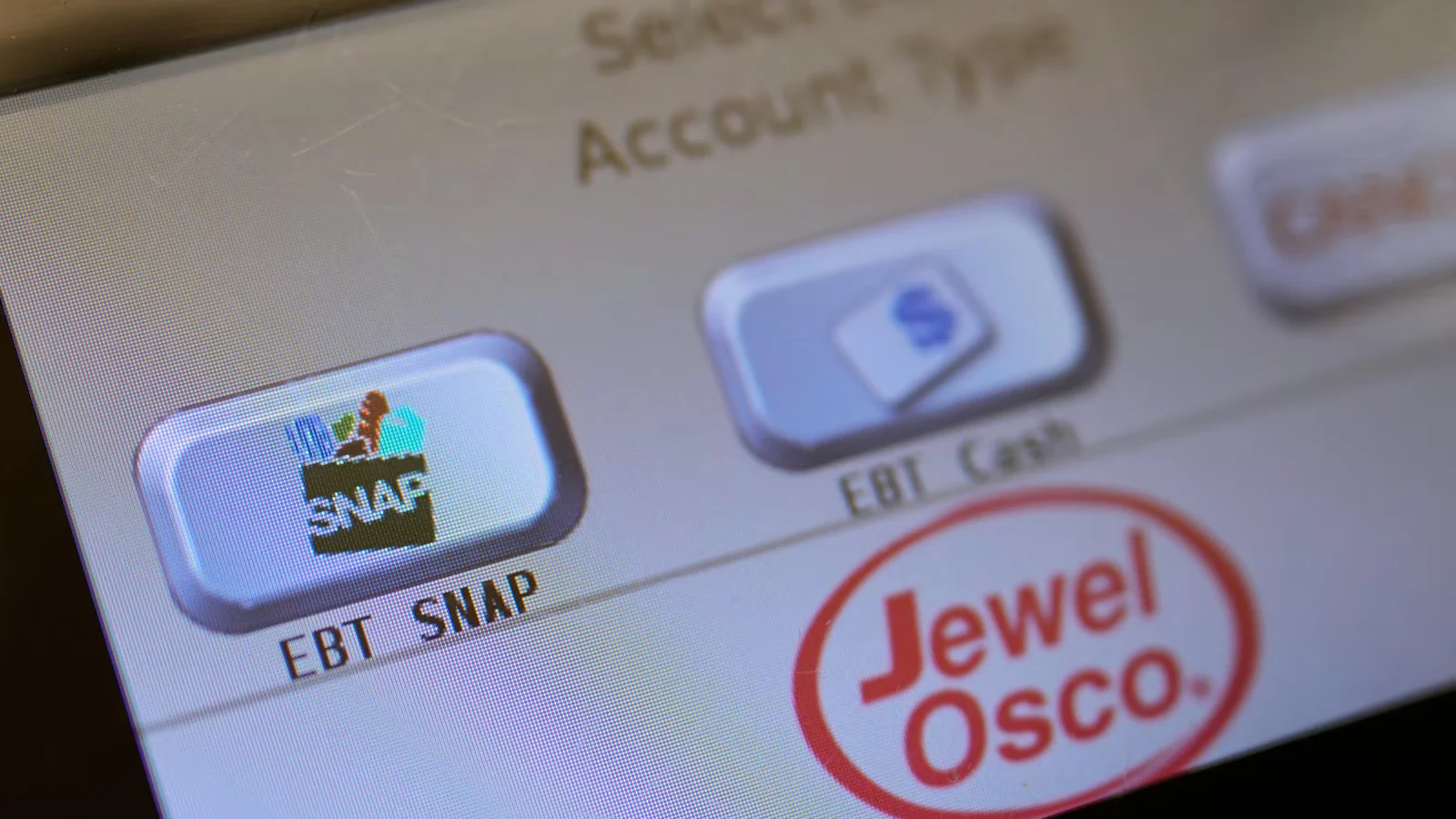
Starting January 1, five states (Indiana, Iowa, Nebraska, Utah, and West Virginia) will implement waivers restricting the purchase of certain unhealthy foods like soda and candy with SNAP benefits, aiming to improve public health but facing logistical challenges and mixed evidence on effectiveness.
Starting January 1, five states (Indiana, Iowa, Nebraska, Utah, and West Virginia) will implement new restrictions on certain foods, like soda and candy, that can be purchased with SNAP benefits, aiming to improve public health but facing industry and logistical challenges.
Starting January 1, five states (Indiana, Iowa, Nebraska, Utah, and West Virginia) will implement new restrictions on certain food purchases with SNAP benefits, mainly targeting soda, candy, and other unhealthy foods, as part of a broader effort to improve public health and reduce diet-related diseases. The changes are expected to face logistical challenges and controversy, with concerns about their impact on recipients and retail costs.
Starting January 1, five states (Indiana, Iowa, Nebraska, Utah, and West Virginia) will implement new restrictions on certain foods, like soda and candy, that can be purchased with SNAP benefits, aiming to improve public health but facing industry and logistical challenges.
Starting January 1, five states (Indiana, Iowa, Nebraska, Utah, and West Virginia) implemented new restrictions on certain foods, like soda and candy, that can be purchased with SNAP benefits, aiming to improve public health but facing logistical and effectiveness concerns.
New federal work requirements under the Trump administration's 'One Big Beautiful Bill' have increased scrutiny on SNAP recipients in Pennsylvania, potentially leading to the loss of benefits for thousands who cannot meet the new work, volunteer, or education criteria, with residents urged to verify their eligibility and understand the appeal process.
During a government shutdown that paused SNAP benefits, a rapid response by GiveDirectly and Propel provided $50 cash transfers to nearly a quarter of a million families, helping them manage immediate food needs and restore confidence in safety nets amid widespread uncertainty.
RFK Jr. advocates for banning junk food in states, but there is confusion and logistical challenges in defining what foods are banned under SNAP, leading to concerns among retailers and beneficiaries about enforcement and fairness. States like Utah, Indiana, and others are implementing bans with limited guidance, causing operational difficulties and uncertainty about compliance.
Oregon has implemented new federal rules requiring 37,000 able-bodied adults without dependents to work, train, or study to retain their SNAP food assistance, affecting the state's food aid program and expanding work requirements up to age 64, amid political debate over the law's implications.
The Trump administration announced it will block Democratic-controlled states from accessing SNAP management funds unless they share benefits recipient information with the federal government.
The USDA, led by Agriculture Secretary Brooke Rollins, plans significant reforms to the SNAP program, citing alleged fraud and misuse, amid ongoing debates over benefit eligibility and recent deep cuts. Critics argue the claims of widespread fraud are overstated and that the proposed changes could harm vulnerable populations, with some uncertainty about the specifics of the new policies and data supporting the claims. The administration is also considering narrowing eligibility rules, which could result in millions losing benefits.
SNAP benefits are being distributed again, but new work requirements mandated by recent legislation are causing confusion and implementation challenges across states, risking the loss of benefits for millions of enrollees, especially those who are unaware of or unable to meet the new criteria.