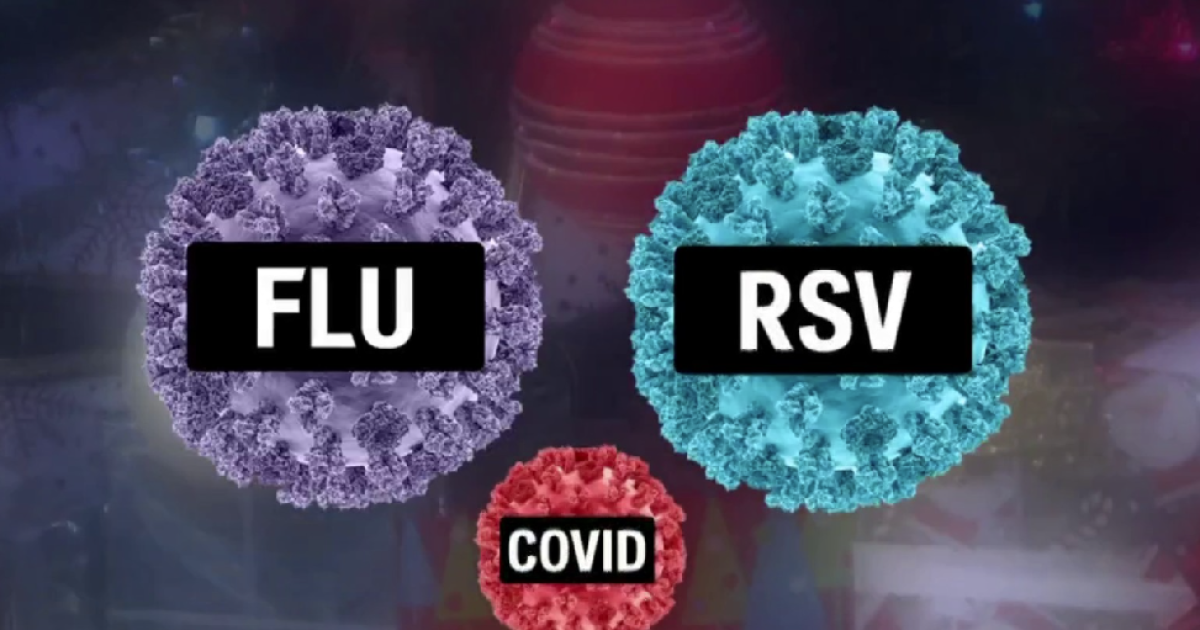
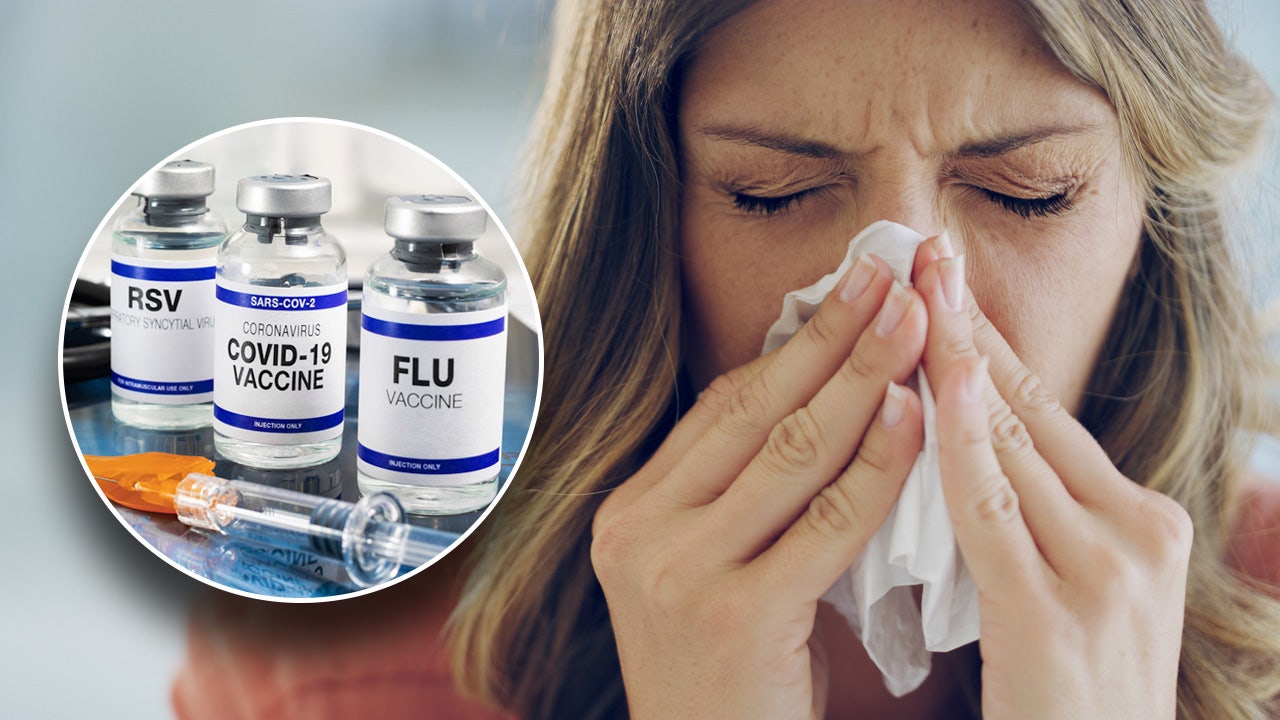
The winter season has brought about a "tripledemic" of respiratory viruses, including COVID-19, flu, and RSV, leading to concerns about increased transmission and overlapping symptoms. While cases of respiratory illnesses have been elevated, recent data suggests a decrease in activity. To protect against these viruses, vaccination, hand-washing, mask-wearing, and social distancing are recommended, especially for high-risk groups, and seeking medical advice when necessary.
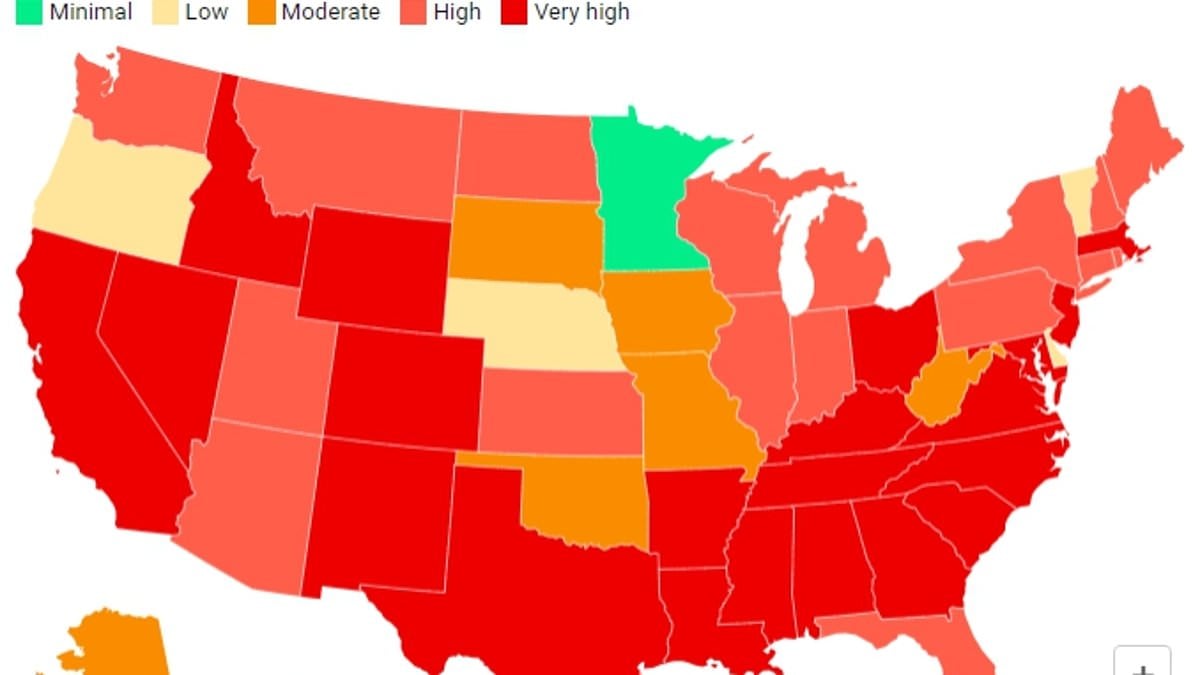
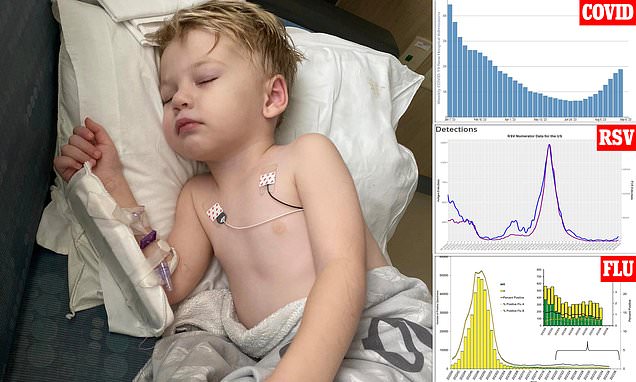
The US is experiencing a tripledemic of Covid, flu, and RSV infections, with 38 states reporting high or very high levels of flu-like illnesses and a nearly 30 percent increase in Covid hospital admissions. Respiratory syncytial virus (RSV) cases are also unseasonably high, prompting at least 14 states to reinstate face mask mandates in hospitals. The surge in infections, particularly among children, has raised concerns about a larger winter surge, with 10 million flu cases and 110,000 hospitalizations reported so far this season. Amid rising infection levels, hospitals are reinstating mask mandates to prevent further spread.
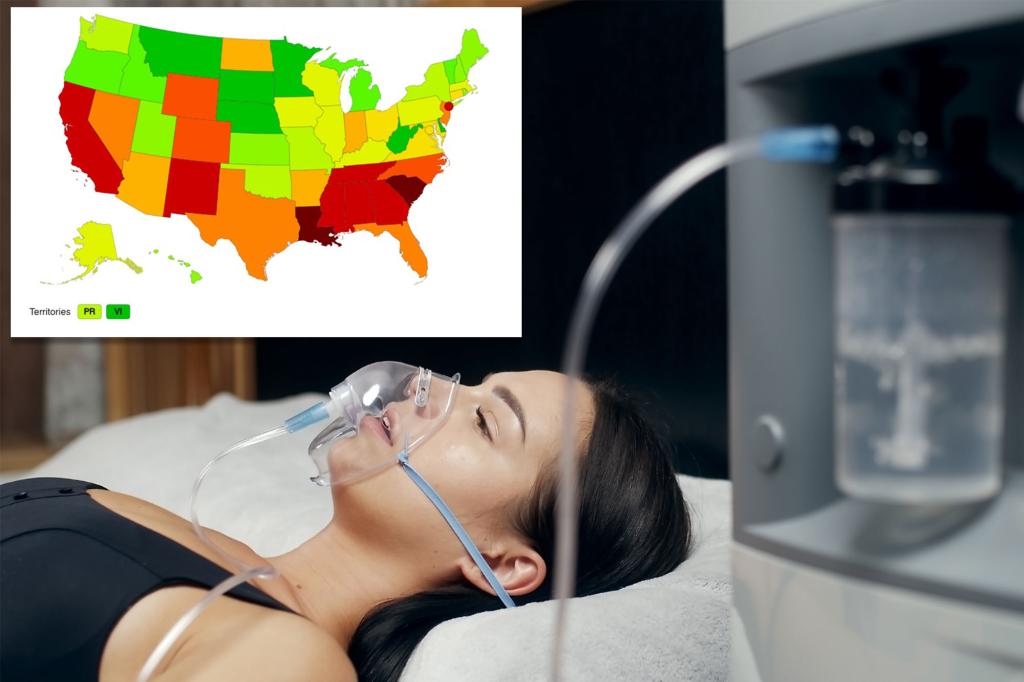
The Centers for Disease Control (CDC) warns that respiratory illnesses, including COVID-19, Respiratory Syncytial Virus Infection (RSV), and influenza, are surging in New York City and across the United States. Hospitalization rates are highest among young children and senior citizens. Georgia and South Carolina have the highest rates of respiratory illnesses in the country. The CDC advises following standard preventive measures such as staying home when sick, washing hands, and getting vaccinated, especially for COVID-19. The CDC is currently tracking the JN.1 variant, which originated from an Omicron subvariant and accounts for about a fifth of cases.
Health specialists are warning of a "tripledemic" as RSV, the flu, and COVID-19 all circulate in communities, making it difficult to distinguish between them. Pediatricians are overwhelmed with cases and advise that if you experience flu-like symptoms, it is more likely to be RSV, followed by COVID-19 and then the flu. While middle-aged individuals have less to worry about with RSV, extreme age groups are at higher risk. Testing for RSV is challenging as there are no at-home test kits, and hospital visits are often unnecessary. The best course of action is to stay home, wear masks, and get vaccinated against all three viruses.
Doctors are weighing in on whether the tripledemic of flu, RSV, and COVID-19 should deter people from gathering for the holidays. While RSV levels are comparable to previous years, COVID-19 and flu cases are down. Health providers advise using common sense and taking precautions, especially for high-risk individuals. They emphasize the importance of getting vaccinated, as it significantly reduces the risk of contracting these diseases. Overall, doctors believe that the current situation is manageable and that people should not be fearful, but rather grateful for the progress made in fighting the tripledemic.
Doctors are warning of a potential "tripledemic" as the holiday season approaches, with concerns about the convergence of COVID-19, influenza, and respiratory syncytial virus (RSV) cases overwhelming healthcare systems. They urge people to get vaccinated against all three viruses and continue practicing preventive measures such as mask-wearing and social distancing to mitigate the spread of these illnesses.
Upstate Golisano in Syracuse is operating at full capacity as it prepares for another challenging winter, dubbed the "tripledemic," which refers to the potential convergence of COVID-19, flu, and respiratory syncytial virus (RSV) cases. The hospital is bracing for an influx of patients and is taking measures to ensure it can handle the increased demand.
Health experts are warning of a potential "tripledemic" this year, involving RSV, the flu, and COVID-19. As colder seasons approach and kids return to school, the Centers for Disease Control and Prevention is urging people to stay up-to-date on their vaccines. In addition to the annual flu shot, doctors are recommending getting the COVID-19 vaccine before winter. Hospitals are already seeing an increase in COVID-19 cases as temperatures drop. A new injection called Beyfortus is available for infants under 8 months to help fight RSV.
The Centers for Disease Control and Prevention (CDC) has warned of a potential 'tripledemic' this winter, with Covid, flu, and RSV (respiratory syncytial virus) posing a threat. While the spread of these viruses is currently low, there has been an uptick in positive Covid tests and hospitalizations. Flu activity is expected to increase, and for the first time, vaccines are available for all three viruses. Health officials are urging people to get vaccinated to avoid overwhelming hospitals, as seen during last year's tripledemic. RSV infections can be severe in young children, causing hospitalizations and deaths. The CDC has approved updated vaccines to target new variants of Covid.
Lee Health is preparing for a potential "tripledemic" of illnesses this fall, as seasonal viruses such as flu and respiratory syncytial virus (RSV) are expected to rise alongside COVID-19 cases. The hospital has seen higher than normal flu cases throughout the summer and is bracing for a surge in RSV and flu cases. Health experts advise getting vaccinated for all three viruses and practicing good hygiene to lower the risk of falling ill. Influenza vaccines will be available later this month to combat the potential "tripledemic."
Health experts in Southern Nevada are warning of the return of the "tripledemic" - a combination of COVID-19, RSV, and the flu. COVID-19 hospitalizations have been increasing, with a new variant called "Eris" accounting for over 41% of cases. Increased viral infections have been detected in wastewater surveillance. Experts advise getting vaccinated for COVID-19 and the flu as soon as possible to minimize the impact of the triple threat.
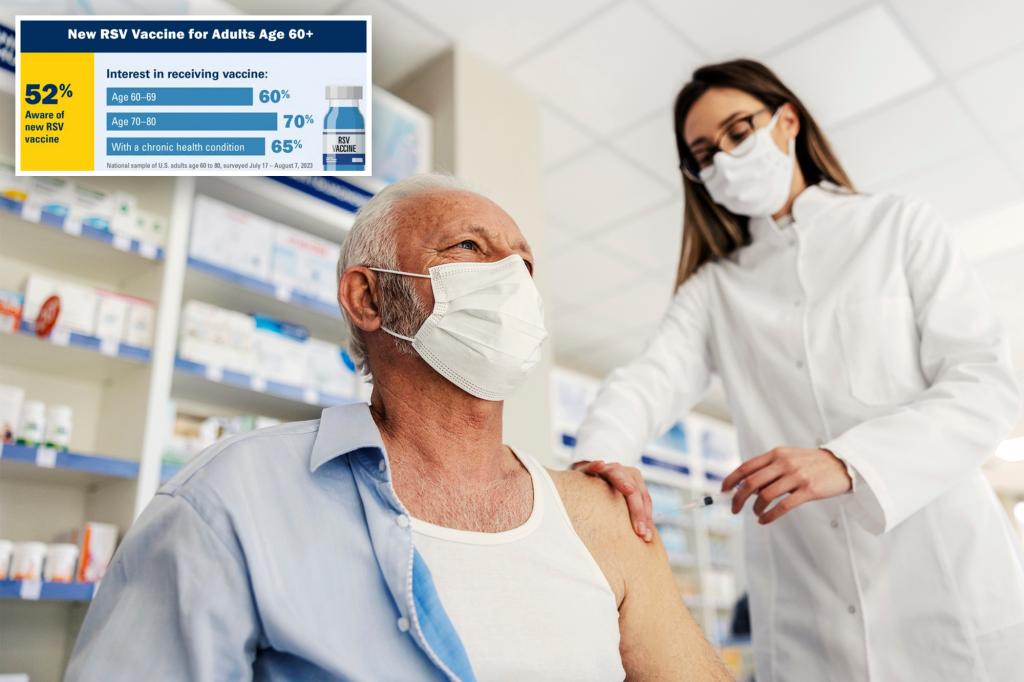
Doctors are warning about the potential for a "tripledemic" this season, with the flu, COVID-19, and respiratory syncytial virus (RSV) circulating simultaneously. RSV is a common cause of bronchiolitis and pneumonia in children under 1 year old, and it can also cause severe respiratory illness in older adults. Two FDA-approved vaccines for RSV are available for adults over 60, but a survey reveals that many older adults are unaware of the vaccines and hesitant to get them. Doctors are urging vaccination to prevent disease, disability, and death, as RSV infections send thousands of older adults to the hospital each year.
Doctors are urging people to get vaccinated ahead of the upcoming flu season, which experts predict could be fairly bad. Last year's "tripledemic" of RSV, flu, and COVID overwhelmed health systems, and experts are looking at illness trends in the Southern Hemisphere to make predictions for the upcoming season. Australia is currently experiencing an intense flu season, particularly impacting children. While experts do not believe there will be another tripledemic this year due to stronger population immunity and wider availability of vaccines, they still recommend getting vaccinated to protect against serious illness and hospitalization. High-risk groups include young children, the elderly, pregnant women, and those with preexisting lung or heart disease. In addition to vaccinations, experts recommend masking, handwashing, distancing, and appropriate testing to protect against seasonal illnesses.
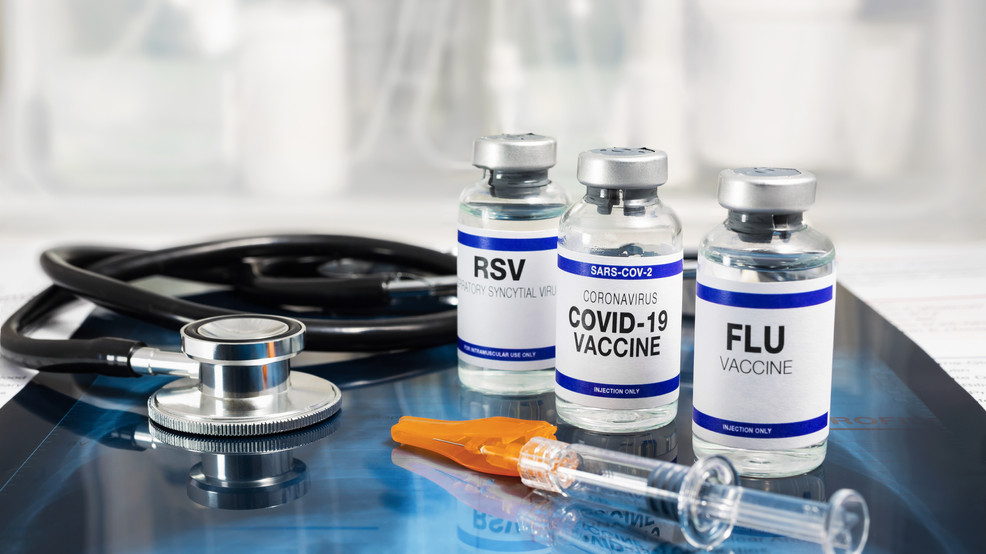
Health officials are warning of a possible tripledemic this fall with RSV, flu, and COVID-19 variants circulating simultaneously. This winter will be the first time vaccines for RSV, flu, and COVID-19 will be available. An RSV vaccine for those 60 years or older has been approved, along with a new drug to prevent RSV in toddlers and babies. COVID-19 vaccines are being updated to address the changing variants, and flu vaccines are also recommended. Each vaccine has its own eligibility requirements, and it is advised to consult with a primary doctor.
The Centers for Disease Control and Prevention (CDC) is warning about a potential "tripledemic" in the upcoming colder seasons, referring to the simultaneous circulation of three respiratory viruses: RSV, the flu, and COVID-19. Last year, the confluence of these viruses strained the health system. RSV, a common viral infection that affects the respiratory system, particularly in infants and young children, was the first to hit. The flu season also began early, resulting in millions of illnesses and thousands of deaths. COVID-19 remained a serious illness and was the fourth leading cause of death in the US. To combat the tripledemic, Americans will likely be urged to get vaccinated, including for RSV, which will be available for the first time. Timing the delivery of three vaccines effectively will be crucial in a population already experiencing vaccine fatigue.