Tag

Respiratory Viruses

All articles tagged with #respiratory viruses

health2 months ago

Young Children Are the Germiest

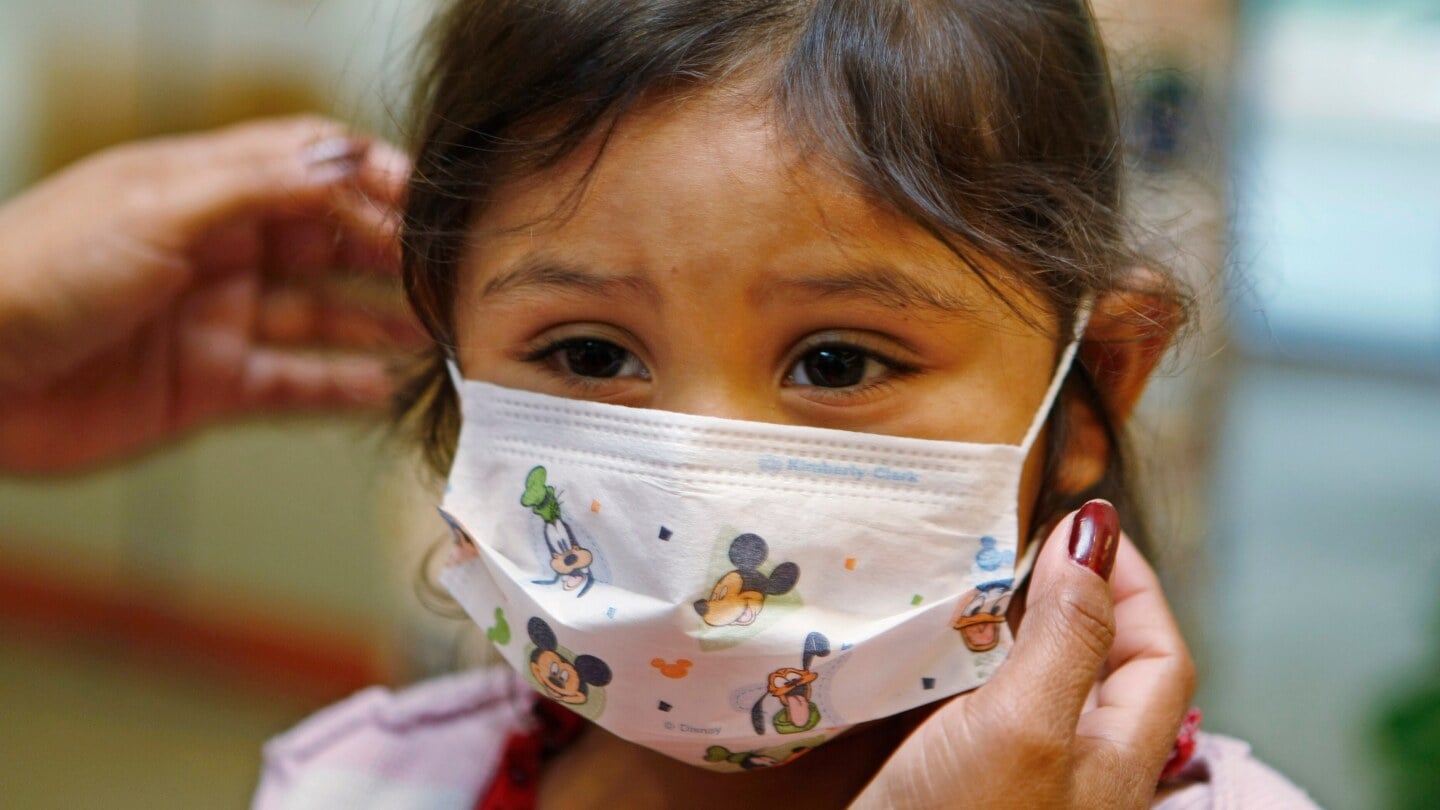
Young children are the most common carriers of respiratory viruses in households and schools, often spreading illnesses like colds, coronaviruses, and flu due to developing immune systems and habits like sharing toys. Preventative measures such as handwashing, surface disinfection, masks, ventilation, and vaccinations can help reduce transmission, especially during peak respiratory virus season.

health2 months ago

Experts warn of a potentially severe flu season despite vaccination efforts

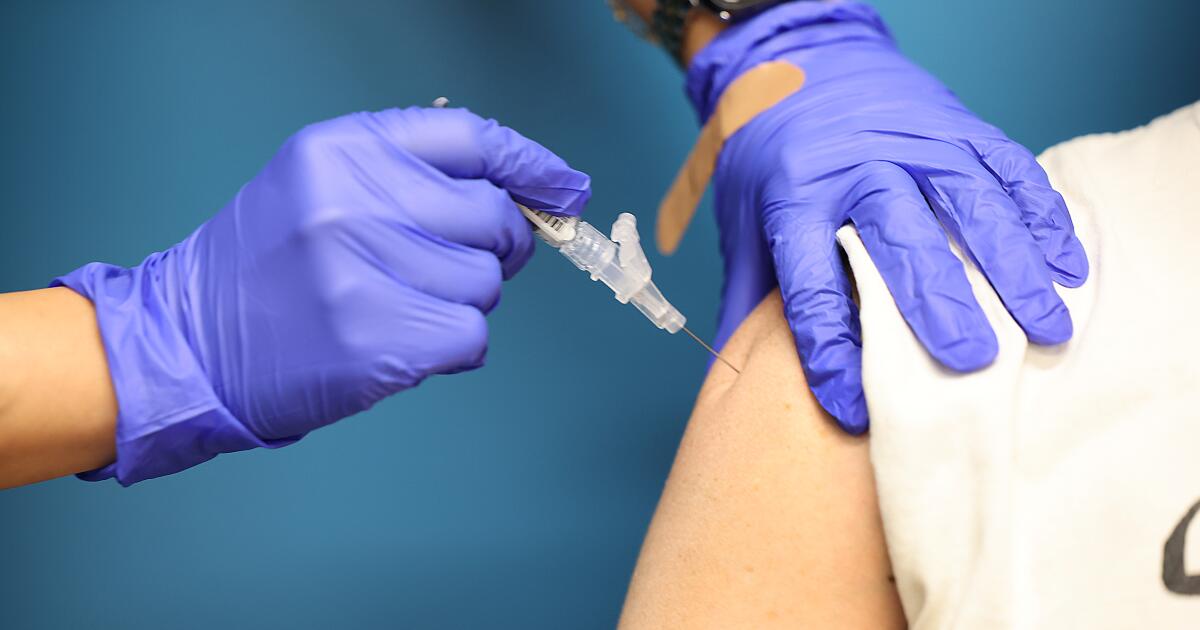
California faces a potentially severe respiratory virus season similar to last year, with early signs of increased flu, COVID-19, and RSV activity, compounded by low vaccination rates. Experts emphasize the importance of vaccination and preventive measures as the region monitors rising cases and international trends suggest an early and intense flu season.

health3 months ago

Prepare for the Flu Season: Vaccination Tips and Updates

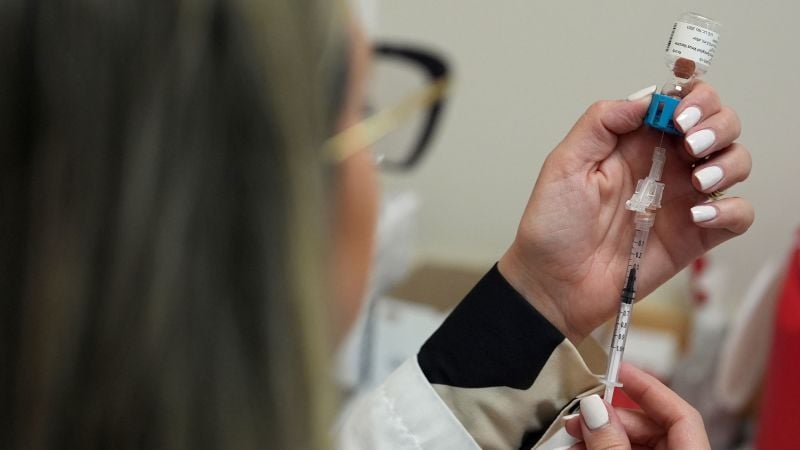
As respiratory virus season begins, health experts emphasize the importance of getting updated COVID-19, flu, and RSV vaccines, which are available at most pharmacies and healthcare providers. The CDC recommends vaccination for all eligible individuals, with specific timing suggestions, and highlights that vaccines help reduce severe illness and hospitalizations. Additional preventive measures include good hygiene, avoiding crowded places, and staying home when sick.

health3 months ago

Why Britain Is Experiencing a Surge in Illnesses

Britain is experiencing a surge in respiratory illnesses like colds, flu, and Covid due to seasonal factors, increased indoor activity, and waning immunity, with Rhinovirus being most common. While symptoms overlap, most illnesses are mild, and vaccination along with good hygiene can help protect vulnerable populations. The pattern of virus circulation is returning to normal after pandemic disruptions.

health3 months ago

Tips for Students to Avoid Freshers' Flu This Fall

Freshers' flu, caused by a mix of common cold viruses, is prevalent among students due to close contact, stress, poor diet, and lack of sleep during university orientation, making it hard to avoid and often more severe than typical colds. It spreads easily in crowded environments, and while usually mild, it can sometimes lead to serious infections like meningitis. Maintaining good hygiene, rest, and a healthy lifestyle can help reduce the risk.

health4 months ago

Summer colds and COVID-19: Understanding the connection

Summer viruses like COVID-19, flu, and RSV are still circulating, with COVID-19 trending up and the new 'stratus' variant present. Despite common myths, viruses can spread in summer, especially indoors. Preventive measures such as good hygiene, outdoor activities, and vaccination remain important, particularly for vulnerable groups and children. Timing of COVID-19 boosters should consider individual risk and seasonal patterns.

health4 months ago

Summer COVID Resurgence: Trends, Risks, and Updates

COVID-19 continues to surge each summer due to factors like travel, indoor gatherings, waning immunity, and virus mutations, with recent increases in California reflected in higher test positivity and emergency room visits, despite the pandemic's decline in public consciousness. Vaccination rates remain low, especially among younger populations, and health officials recommend staying up to date on vaccines, wearing masks in indoor public spaces, and practicing good hygiene to reduce risk.

health5 months ago

Understanding Summer Colds and the Stratus COVID-19 Variant

Summer viruses like COVID-19, flu, and RSV are still circulating, with COVID-19 trending up due to the emerging stratus variant, which is only marginally better at evading immunity. Despite common myths, viruses can spread in summer, especially indoors. Preventive measures such as vaccination, good hygiene, and staying outside when possible remain important. Experts suggest timing COVID-19 boosters based on individual risk and upcoming activities, with higher caution for vulnerable groups.