Tag

Respiratory Syncytial Virus

All articles tagged with #respiratory syncytial virus

health-medicine1 year ago

"Pfizer's RSV Vaccine Shows Promise for High-Risk Adults Under 60"

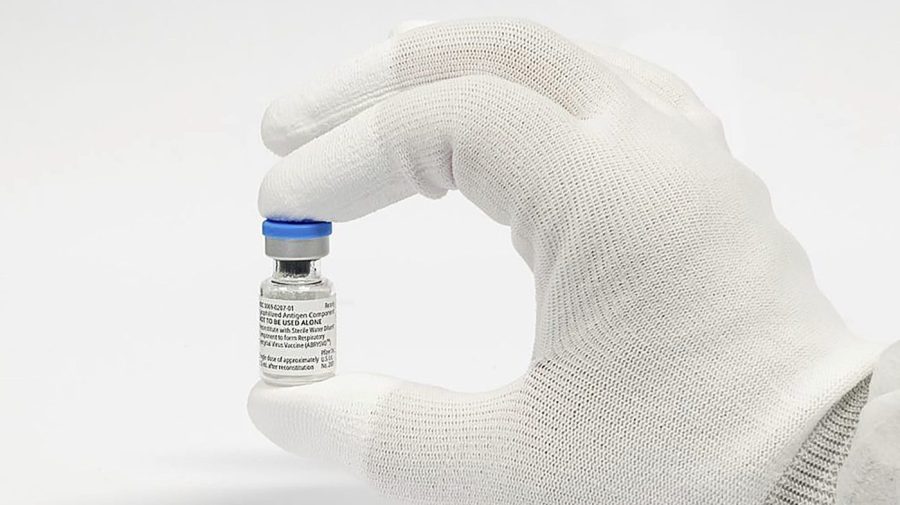
Pfizer's RSV vaccine, Abrysvo, has shown potential to protect high-risk adults aged 18 to 59 from respiratory syncytial virus (RSV) in a late-stage clinical trial, widening its possible use beyond older adults and expectant mothers. The initial data suggests that the vaccine could help protect a wider population from RSV, which causes thousands of hospitalizations and deaths among older Americans and hundreds among infants each year. Pfizer plans to submit the data to regulatory agencies and file for expanded approval of Abrysvo for ages 18 and up, aiming to gain more share of the RSV market. The vaccine elicited an immune response against RSV A and RSV B, and the safety data in high-risk adults ages 18 to 59 was consistent with the results in adults 60 and above.

health1 year ago

"New RSV Vaccine Shows 90% Effectiveness in Preventing Infant Hospitalizations"

A study evaluated the effectiveness of nirsevimab, a long-acting monoclonal antibody, in preventing respiratory syncytial virus (RSV)-associated hospitalization in infants during their first RSV season. The analysis found that nirsevimab was 90% effective against RSV-associated hospitalization with a median time from receipt to symptom onset of 45 days. The study supports the current recommendation for the use of nirsevimab or maternal RSV vaccination to protect infants from severe RSV disease.

health1 year ago

"New RSV Vaccine Highly Effective in Preventing Infant Hospitalizations: CDC"

A study evaluated the effectiveness of nirsevimab, a long-acting monoclonal antibody, in preventing respiratory syncytial virus (RSV)-associated hospitalization in infants during their first RSV season. The analysis found that nirsevimab was 90% effective against RSV-associated hospitalization, with a median time from receipt to symptom onset of 45 days. This supports current recommendations for using nirsevimab or maternal RSV vaccination to protect infants from severe RSV disease.

health-medicine1 year ago

"Pfizer's Long-lasting RSV Vaccine Shows Promise in Older Adults"

Pfizer's RSV vaccine, Abrysvo, has shown to protect older adults for more than two seasons, with one dose being 77.8% effective against lower respiratory tract disease associated with RSV after the second season. The vaccine's efficacy slightly decreased from 89.9% after the first season. The FDA approved Abrysvo for use in older adults in May 2023, and the CDC recommended its use in June. The vaccine was also approved for use in infants through a dose administered to pregnant mothers during their third trimester.

health1 year ago

"Latest CDC Guidelines for RSV Immunization and Prevention"

The CDC has updated its recommended vaccination schedule for infants to include an RSV vaccine for pregnant women and a monoclonal antibody injection for babies to protect against respiratory syncytial virus. These treatments aim to protect infants during their most vulnerable period in the first six months after birth when they are at the highest risk for severe respiratory symptoms. The RSV vaccine is recommended for pregnant women to transfer antibodies to the baby before birth, while the monoclonal antibody injection provides direct protection for babies born during RSV season. The update addresses the critical need to minimize the risk of severe RSV disease and hospitalization in infants, with efforts being made to address supply chain issues for the monoclonal antibody treatment.

health2 years ago

"2024 Immunization Recommendations: Beyond Covid-19"

The Centers for Disease Control and Prevention has issued new vaccine recommendations, advising that a flu shot alone may not be sufficient to protect against contagious viruses. The updated guidelines include several new vaccines for both children and adults, such as those for Covid-19, respiratory syncytial virus (RSV), and mpox, highlighting the importance of staying up to date with vaccinations beyond just Covid-19.

health2 years ago

"Understanding the JN.1 COVID-19 Variant: Key Facts and Symptoms"

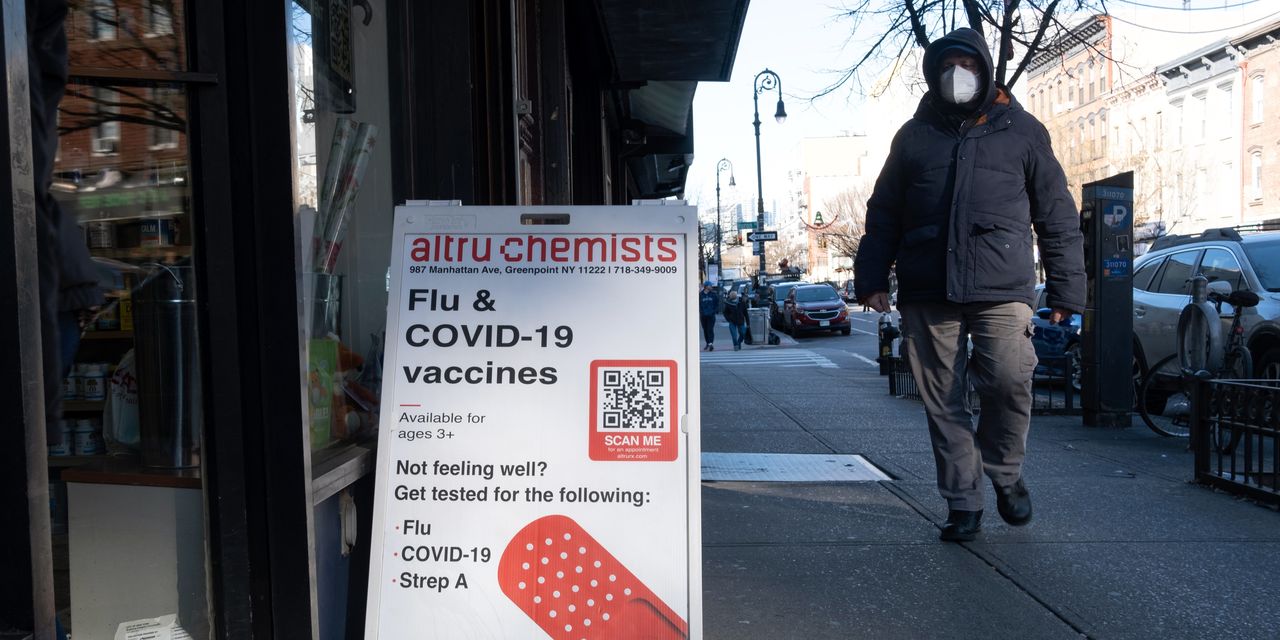
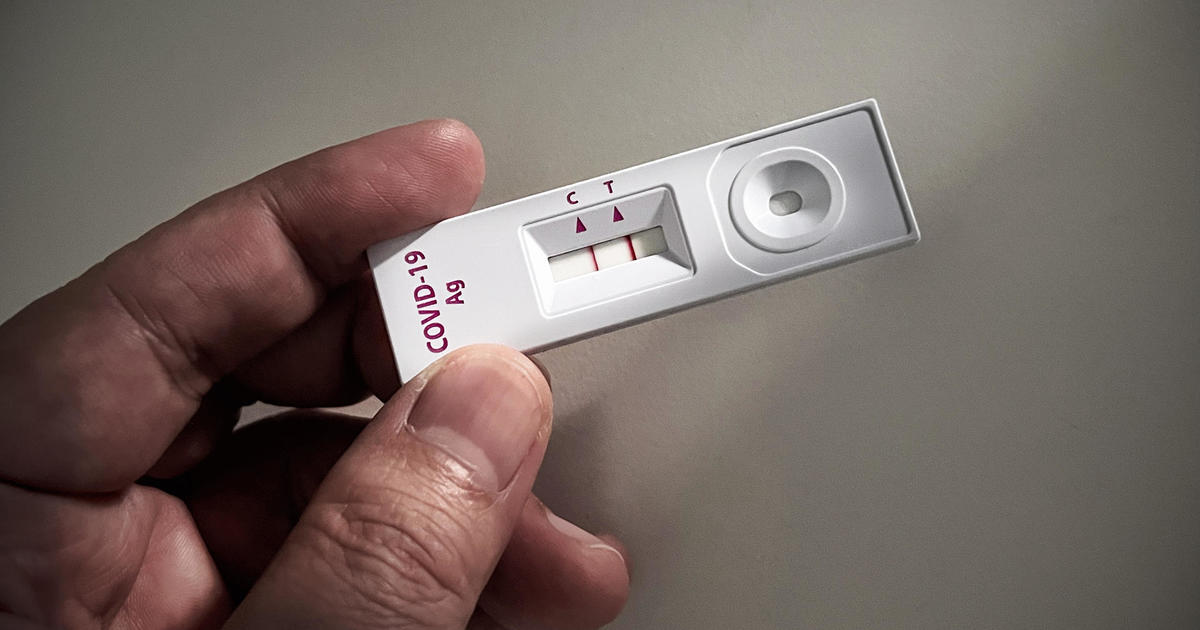
The CDC reports a surge in emergency room visits and hospitalizations for COVID-19, influenza, and respiratory syncytial virus (RSV) since mid-December, with the JN.1 variant of COVID-19 rapidly spreading and representing a significant portion of cases. Despite this, updated vaccines, rapid tests, and medical treatments remain effective against this variant. While the situation is better than previous winters due to vaccination and prior infections providing some immunity, new COVID hospitalizations are trending upward. It's important to stay home if feeling ill, use at-home COVID test kits, and consider getting vaccinated with updated COVID and flu vaccines. Repeat infections are common, and there is ongoing debate over the risks of serious health effects, but vaccination is seen as protective.

health2 years ago

"Experts Warn of Triple Threat as Respiratory Diseases Surge Nationwide"

Southern California is experiencing a surge in flu, respiratory syncytial virus, and COVID-19 cases as the winter season peaks, with hospitals seeing an increase in patients suffering from both viruses simultaneously. Despite this, the number of severe cases remains lower than in the previous year. Public health officials have ordered hospitals and inpatient facilities to require masks, and experts advise practicing preventive measures such as wearing masks, hand washing, improving ventilation, taking activities outside, and staying up to date with vaccinations to prevent severe illness.

health2 years ago

RSV: A Holiday Health Hazard for All Ages

Older adults, including those with underlying conditions, are at an increased risk for severe respiratory syncytial virus (RSV) infection. RSV can cause symptoms such as congestion, cough, shortness of breath, and wheezing, and can lead to hospitalization. There is no specific treatment for RSV, but prevention measures include hand washing, avoiding close contact with infected individuals, and getting vaccinated. AREXVY is an FDA-approved RSV vaccine for people aged 60 and older, which has shown to be effective in preventing lung and lower airway infection from RSV. Tom, an older adult who experienced severe RSV, encourages others to consult their doctor about RSV vaccination to avoid the awful experience he went through.

health2 years ago

Expanding Access to RSV Vaccine: More Shots for Babies and Pregnant Individuals

This article discusses the importance of getting the new RSV vaccine, highlighting the need for protection against respiratory syncytial virus (RSV) and its potential impact on vulnerable populations such as infants and the elderly. The vaccine is seen as a crucial preventive measure to reduce the severity and spread of RSV infections.

health2 years ago

RSV Vaccines: Key Facts and Updates

Two new vaccines, nirsevimab and Abrysvo, are now available to protect infants against respiratory syncytial virus (RSV), a major cause of illness and hospitalization in young children. Nirsevimab is approved for infants 0-8 months old and select older infants with high-risk conditions, while Abrysvo is an immunization for pregnant patients that reduces the chance of infant hospitalization due to RSV by 57%. Availability of nirsevimab is limited, with priority given to newborns in NICUs, while Abrysvo is more widely available at obstetrician offices and Walgreens pharmacies. Infectious disease experts assure that these vaccines are safe and effective in preventing RSV in newborns.

health2 years ago

Low Vaccination Rates Among Older Americans Despite New R.S.V. Shots

Only about 15 percent of Americans over 60 have received one of the two new R.S.V. (respiratory syncytial virus) shots, which are the first-ever vaccines against the disease. This is in contrast to the more than 62 percent of adults over 65 who have received the recommended flu shot this fall and a third who have received the updated Covid-19 vaccine. The low vaccination rates for R.S.V. can be attributed to factors such as limited awareness, shared decision-making recommendations, and the challenge of promoting multiple seasonal vaccines. While the vaccines are highly effective, clear information and guidance are needed to improve uptake among older Americans.

health-and-wellness2 years ago

Surge in RSV and Pneumonia Cases Threaten Holiday Season

Doctors are reporting an increase in hospitalizations due to respiratory syncytial virus (RSV), a common respiratory infection that typically affects young children. RSV can cause severe symptoms such as coughing, wheezing, and difficulty breathing, and can be especially dangerous for infants and older adults. Health officials are urging people to take precautions, such as practicing good hand hygiene and avoiding close contact with sick individuals, to prevent the spread of RSV.

health2 years ago

RSV Cases Surge in Minnesota, Resulting in Virus-Related Death and Hospitalizations

Minnesota health officials have confirmed one death related to respiratory syncytial virus (RSV) this season, as RSV cases continue to rise. Children under the age of 4 are being hospitalized at the highest rate, with symptoms including trouble breathing, coughing, and congestion. The surge in cases coincides with the holiday season, prompting concerns about further spread. An RSV vaccine is available for pregnant women, while a monoclonal antibody shot for babies is in short supply. The Minnesota Department of Health recommends pregnant women receive the available vaccine to protect against RSV.

health2 years ago

Mask Mandates Reinstated in Washington Hospitals Amid Surge in RSV Cases

Hospitals in western Washington have implemented masking updates due to a surge in respiratory syncytial virus (RSV) cases. RSV causes inflammation of the upper airway and can lead to breathing difficulties, particularly in infants and babies in the NICU. The season for RSV typically lasts from November to April. To prevent transmission, it is important to stay home if sick, keep sick children at home, cover coughs and sneezes, and wash hands frequently. Vaccines and antibody treatments are available for prevention and treatment. Hospitals will require masking in patient care areas if certain threshold metrics for COVID-19, influenza, or RSV are met, with mandatory masking lifted in areas that go two weeks without meeting the metrics.