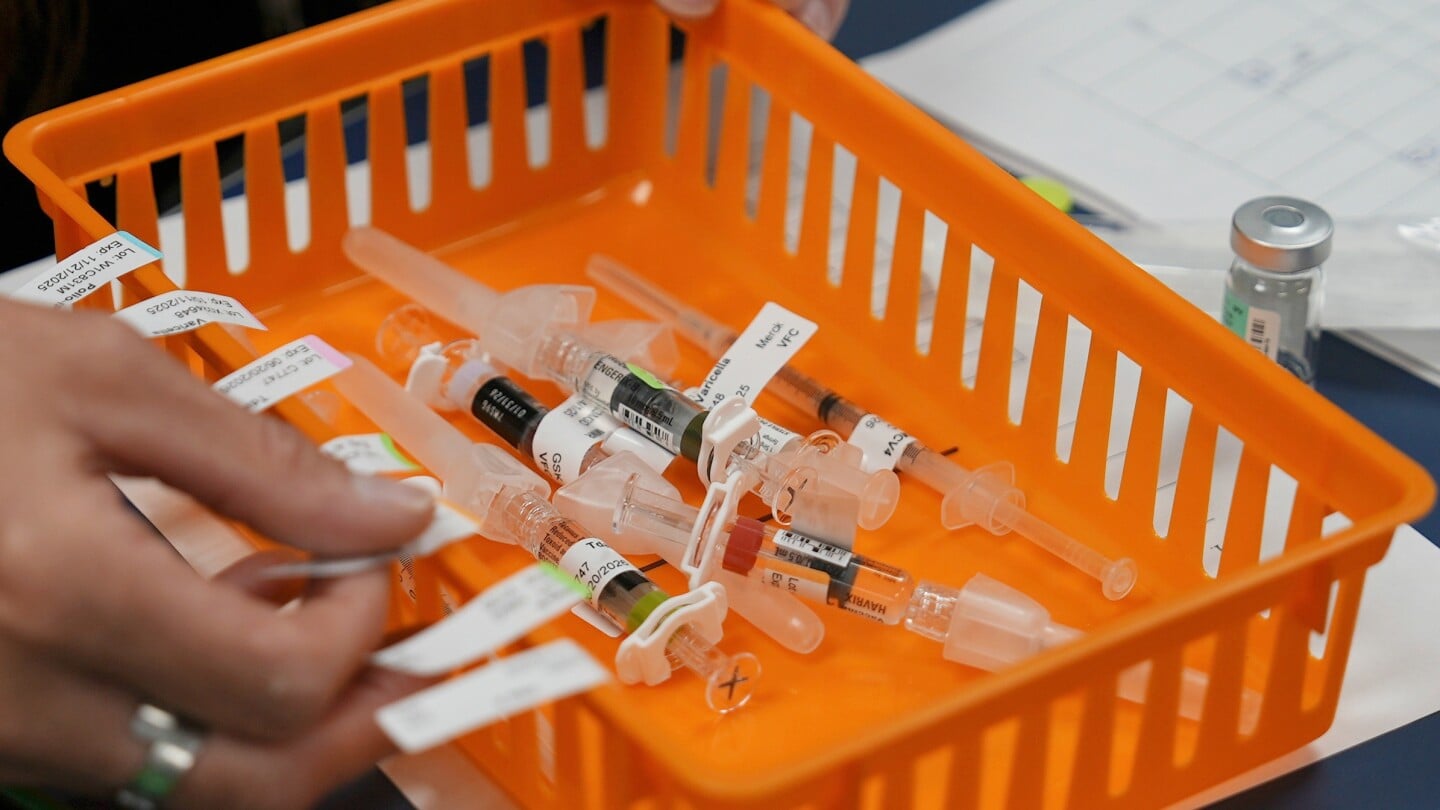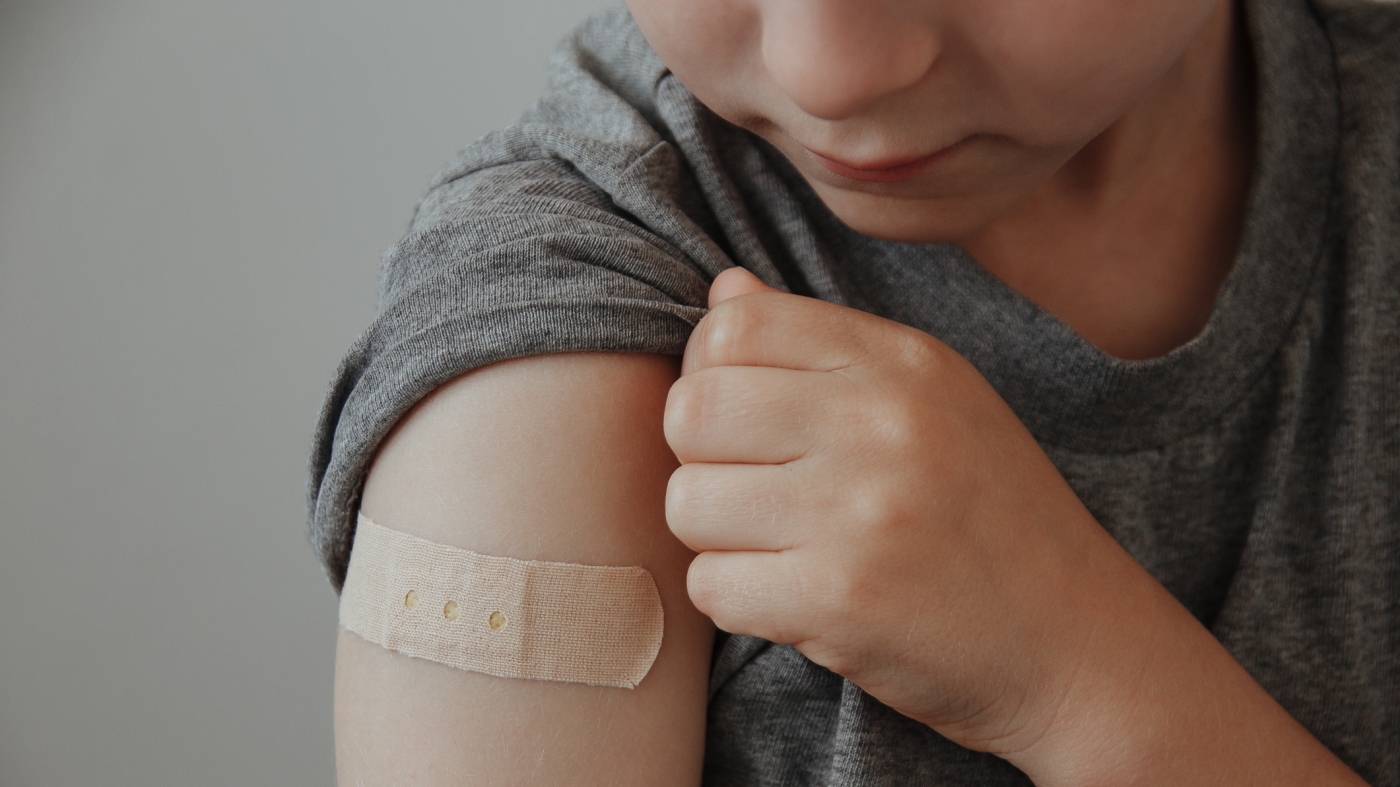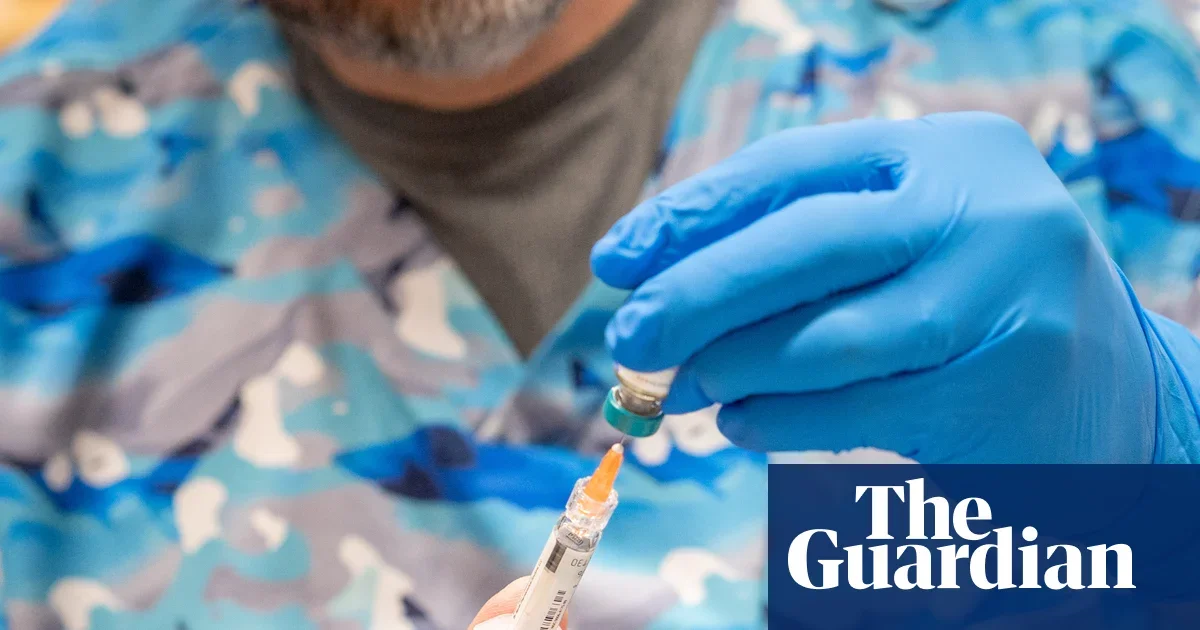
Recent changes to US vaccine guidelines, emphasizing shared decision-making and targeting only at-risk groups, have caused confusion and skepticism among parents and healthcare providers, potentially undermining vaccination rates and public health efforts.
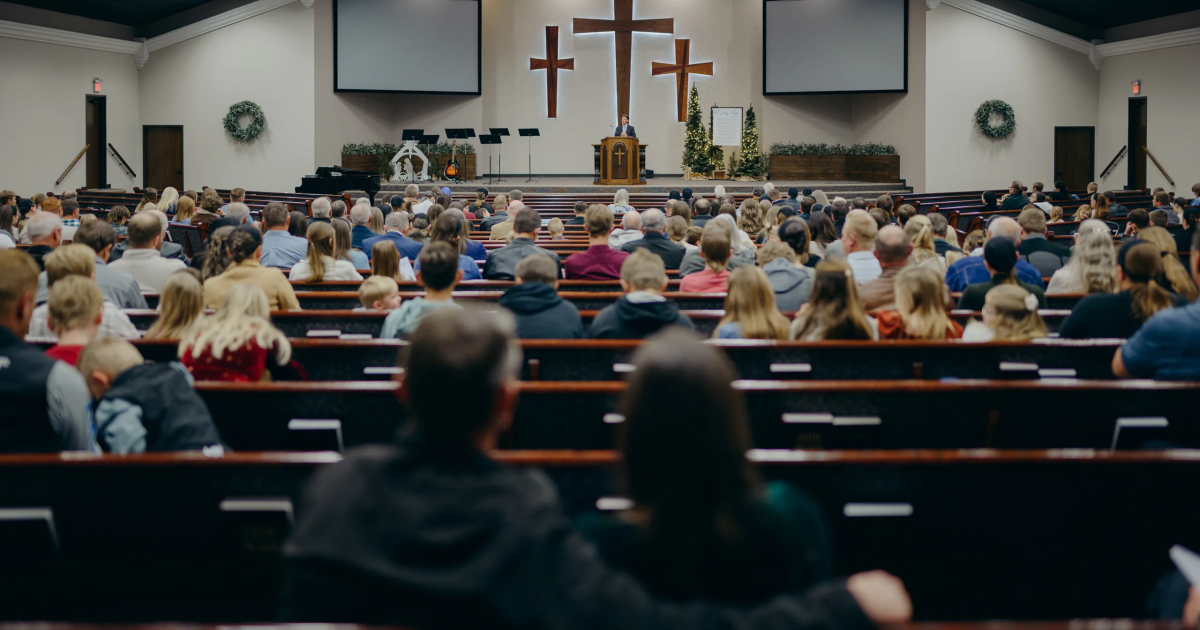
The article discusses a significant measles outbreak in West Texas, primarily among Mennonite communities who oppose vaccination due to distrust and religious beliefs, leading to increased cases and fatalities, while highlighting the community's resistance to public health efforts and the importance of culturally sensitive communication.
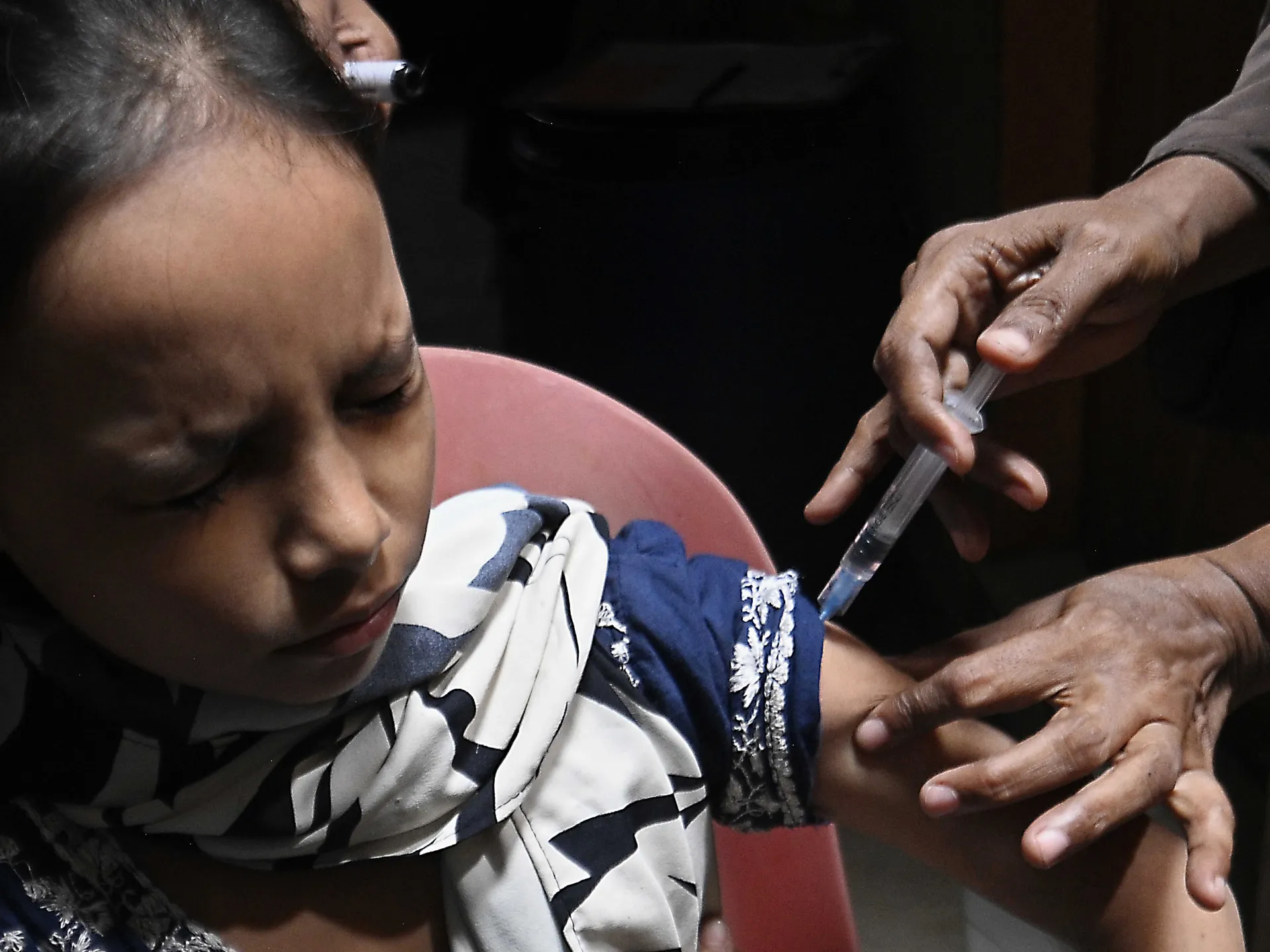
Pakistan's first national HPV vaccine campaign faced resistance due to misinformation, conspiracy theories, and cultural concerns, despite the vaccine's safety and importance in preventing cervical cancer, with efforts including public vaccination and government support to increase acceptance.
Cases of whooping cough in Florida have surged by 81% between 2024 and 2025, driven by declining vaccination rates amid vaccine hesitancy influenced by political figures, raising concerns about herd immunity and potential endemic spread of preventable diseases.
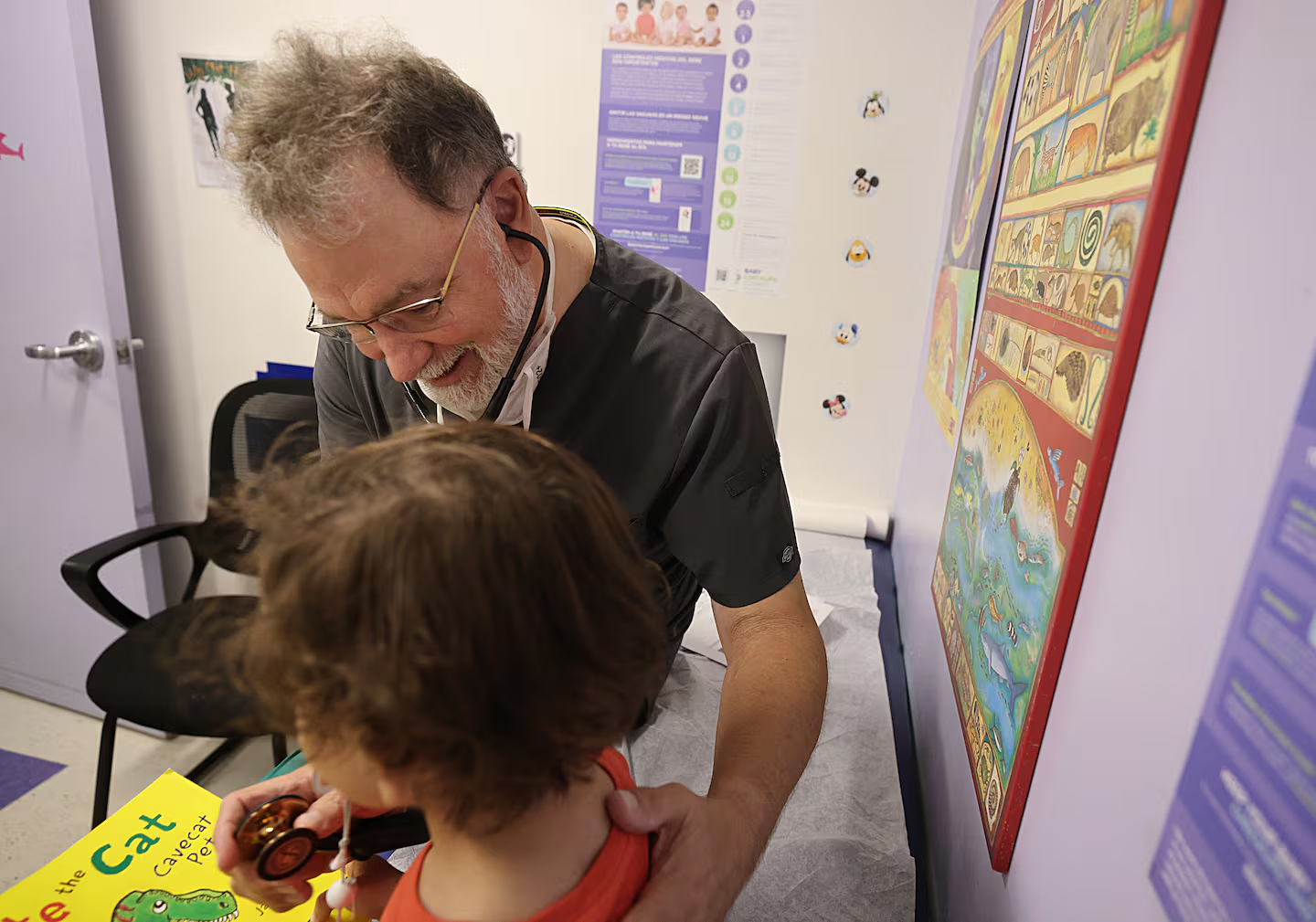
A group of pediatricians in Massachusetts are considering policies to drop unvaccinated patients due to increasing vaccine hesitancy and misinformation among parents, emphasizing the importance of vaccination for public health and patient safety.
Medical experts warn that delaying routine childhood vaccinations due to vaccine hesitancy can compromise children's health, weaken disease protection, and potentially lead to outbreaks of preventable diseases.
A Washington Post-KFF poll reveals that 1 in 6 American parents are delaying or skipping vaccines for their children, often due to distrust in the healthcare system, religious beliefs, or political affiliations, with higher rates among white, religious, Republican, and homeschooling families, raising concerns about potential outbreaks of preventable diseases.
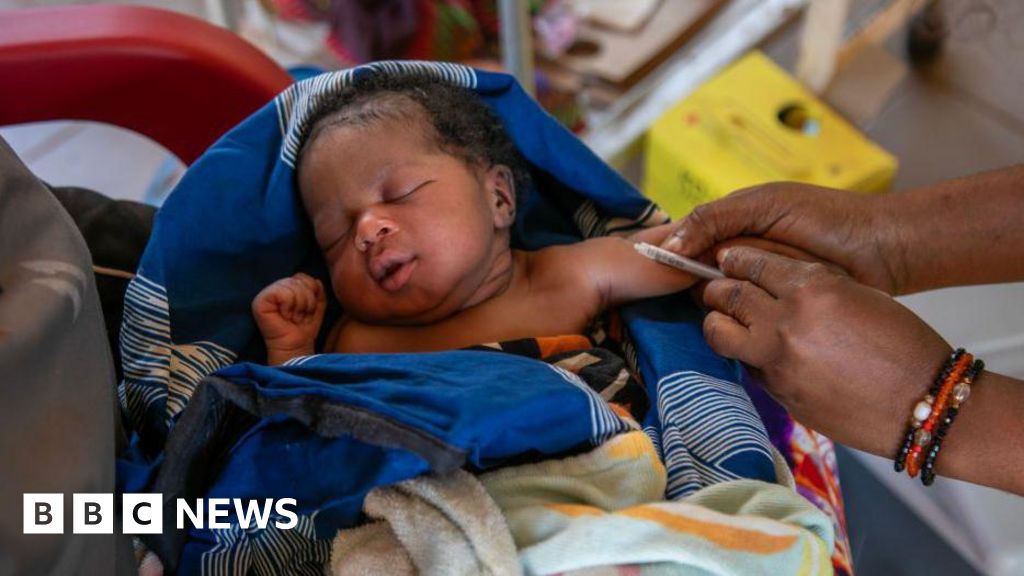
Progress in childhood vaccination has stalled globally over the past decade, worsened by the COVID-19 pandemic, with nearly 16 million children unvaccinated, risking outbreaks of preventable diseases; experts call for improved healthcare access and combating misinformation to reverse this trend.
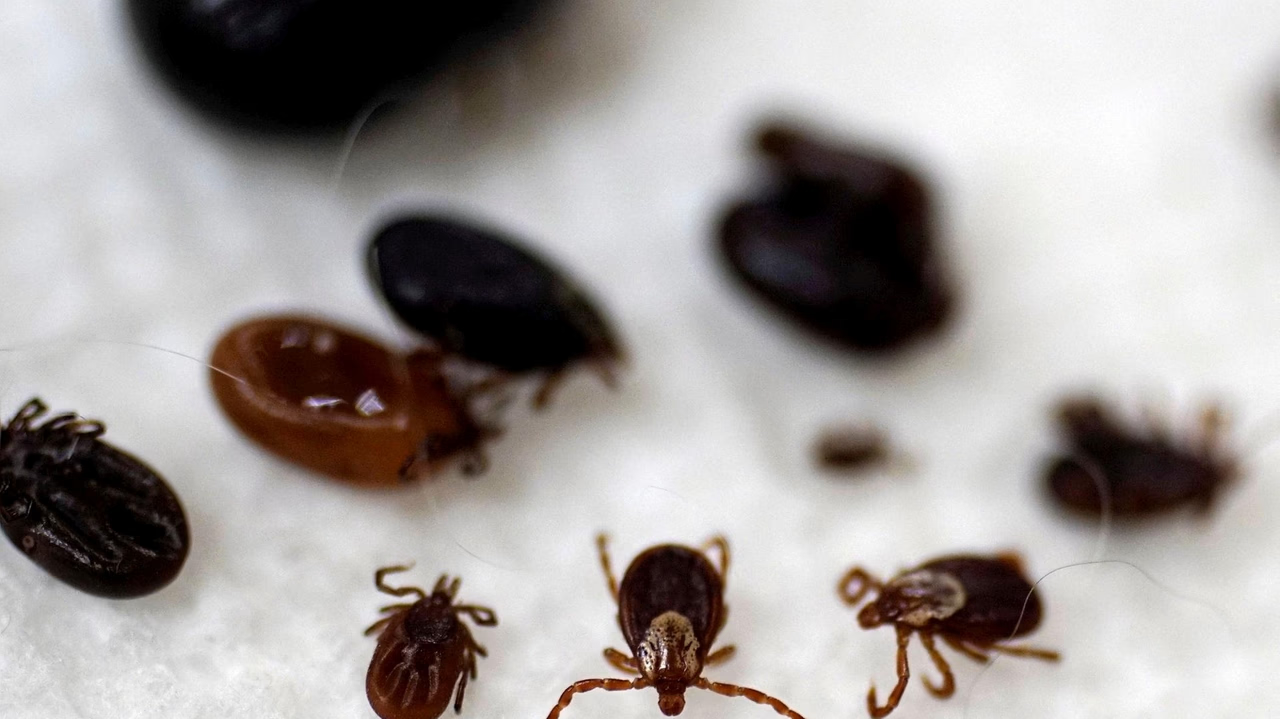
A new Lyme disease vaccine, VLA15, is in late-stage trials and could seek FDA approval by 2026, offering hope amid rising cases and public concern, but past vaccine controversies and hesitancy pose challenges to its acceptance.
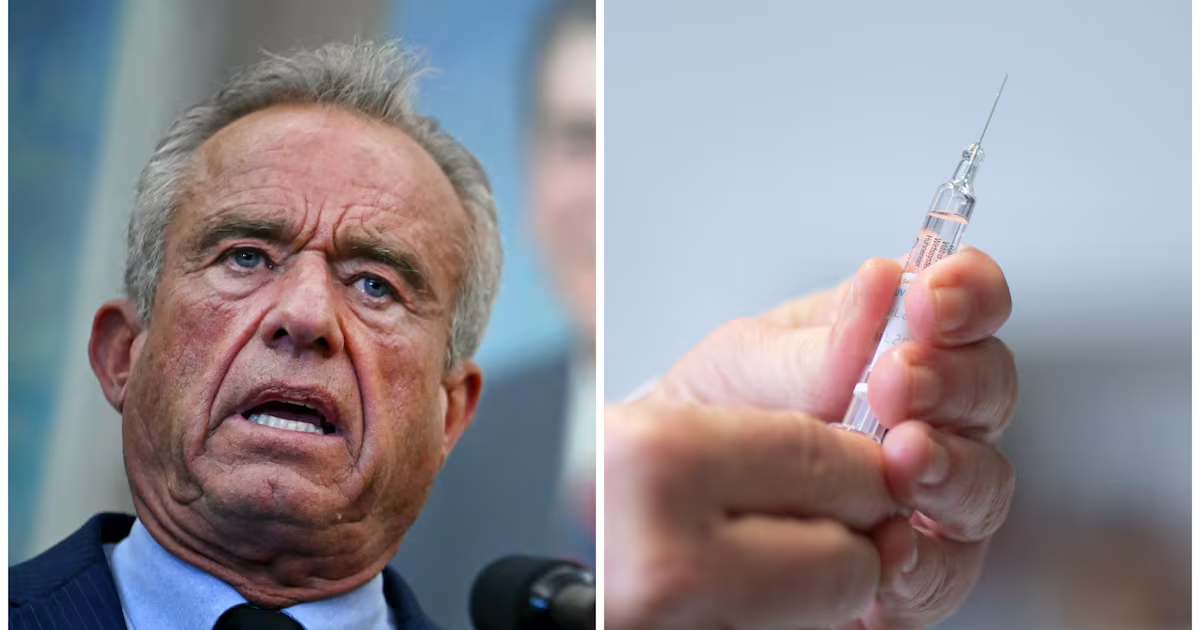
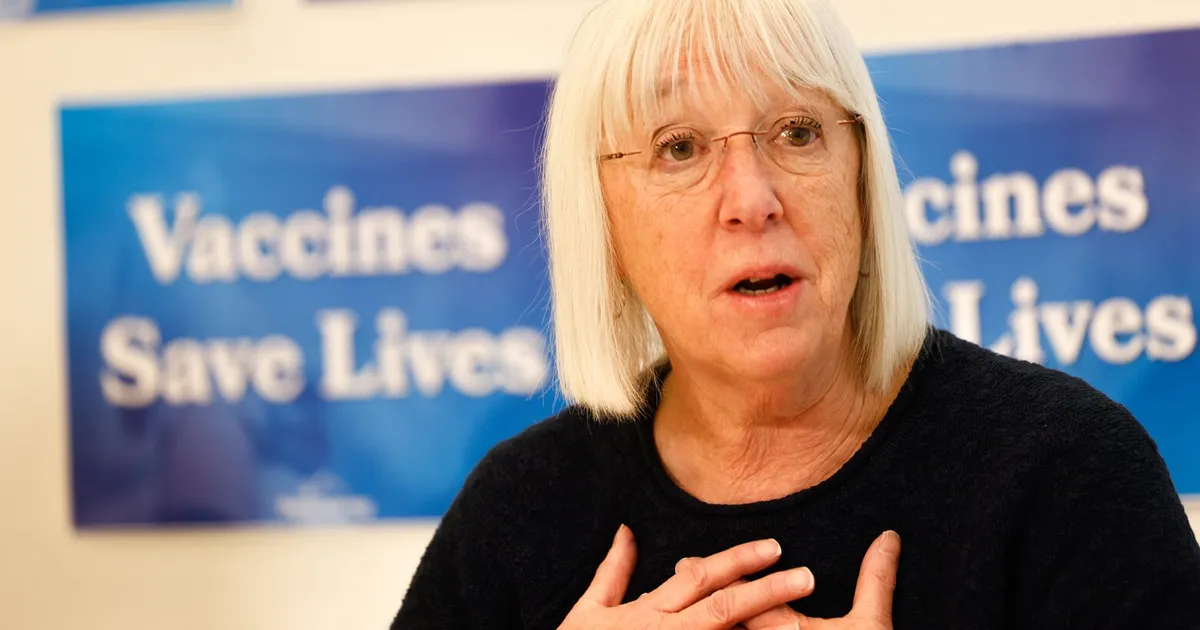
U.S. Senator Patty Murray has expressed strong concerns over the potential appointment of Robert F. Kennedy Jr. as Secretary of Health and Human Services, citing his anti-vaccine stance and its potential impact on public health. Kennedy, known for promoting debunked vaccine theories, could influence vaccine approval and funding for medical research if confirmed. Murray highlighted the importance of vaccines and bipartisan support for public health, warning that Kennedy's leadership could undermine vaccination efforts and public health research. The confirmation process may proceed without Democratic support due to a Republican Senate majority.
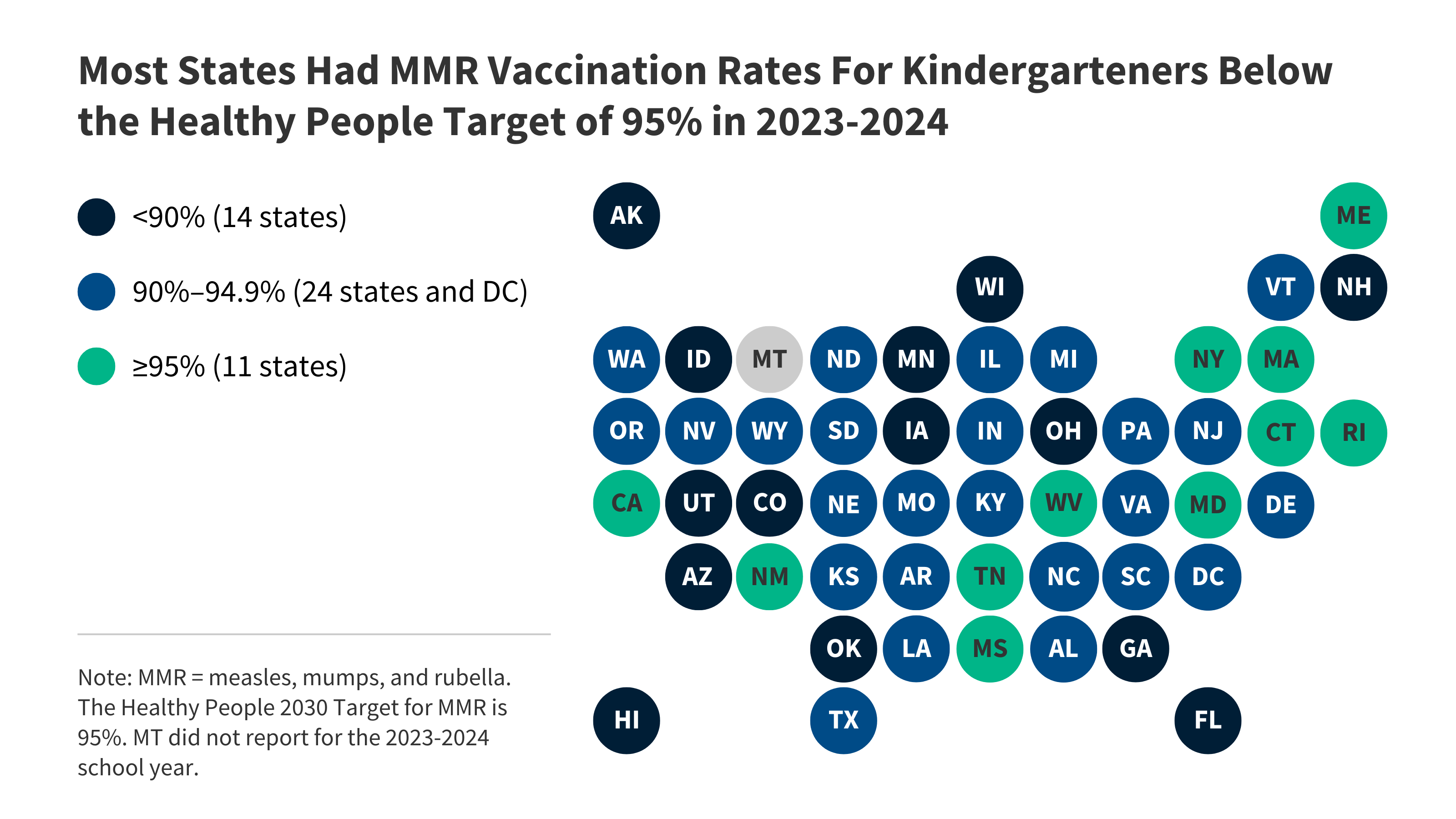
Childhood vaccination rates in the U.S. continue to decline, with less than 93% of kindergarteners up to date on required vaccines for the 2023-2024 school year, down from 95% pre-pandemic. This decline is accompanied by an increase in non-medical exemptions, rising from 2.2% to 3.1%. The trend is linked to vaccine hesitancy and misinformation, with public opinion becoming more partisan. The potential impact of a second Trump administration, which has shown support for anti-vaccination attitudes, could further influence these trends.
Vaccine hesitancy is rising in Florida, exacerbated by the state's surgeon general, Joseph Ladapo, who has been criticized for his anti-vaccine stance. This has contributed to a decline in routine childhood vaccination rates, now at their lowest in over a decade, and an increase in vaccine-preventable diseases like measles. Pediatricians are concerned that national health policy led by vaccine skeptics could further undermine public trust in vaccines, risking the resurgence of diseases like polio.
Despite CDC evidence debunking the myth, 24% of U.S. adults still incorrectly believe the MMR vaccine causes autism, contributing to vaccine hesitancy and a rise in measles cases. A new survey underscores the need for better public education on vaccine safety.
Two studies published in Science reveal that a small group of "supersharers," primarily older Republican women, were responsible for spreading 80% of misinformation on social media during the 2020 election. The MIT study highlights that exposure to vaccine misinformation significantly reduces vaccination intent, with unflagged misleading content having a greater overall impact than flagged misinformation. The second study identifies 2,107 U.S. voters as the primary spreaders of political fake news, demonstrating the outsized influence of a few individuals on social media.
Measles cases in the United States are on track to be the worst since 2019, with anti-vaccine activists contributing to vaccine hesitancy. Measles is highly contagious and can cause serious complications, but can be prevented with the measles, mumps, and rubella vaccine. Vaccination rates are falling globally, leading to outbreaks in multiple countries, including the United States. Vaccine hesitancy is being fueled by activists and social media, despite the proven effectiveness of vaccines in preventing measles. The battle against measles requires a concerted effort to boost vaccination rates and combat misinformation.