Tag

Tree Rings

All articles tagged with #tree rings

science7 months ago

Supernovae's Potential Role in Earth's Past and Future Climate Changes

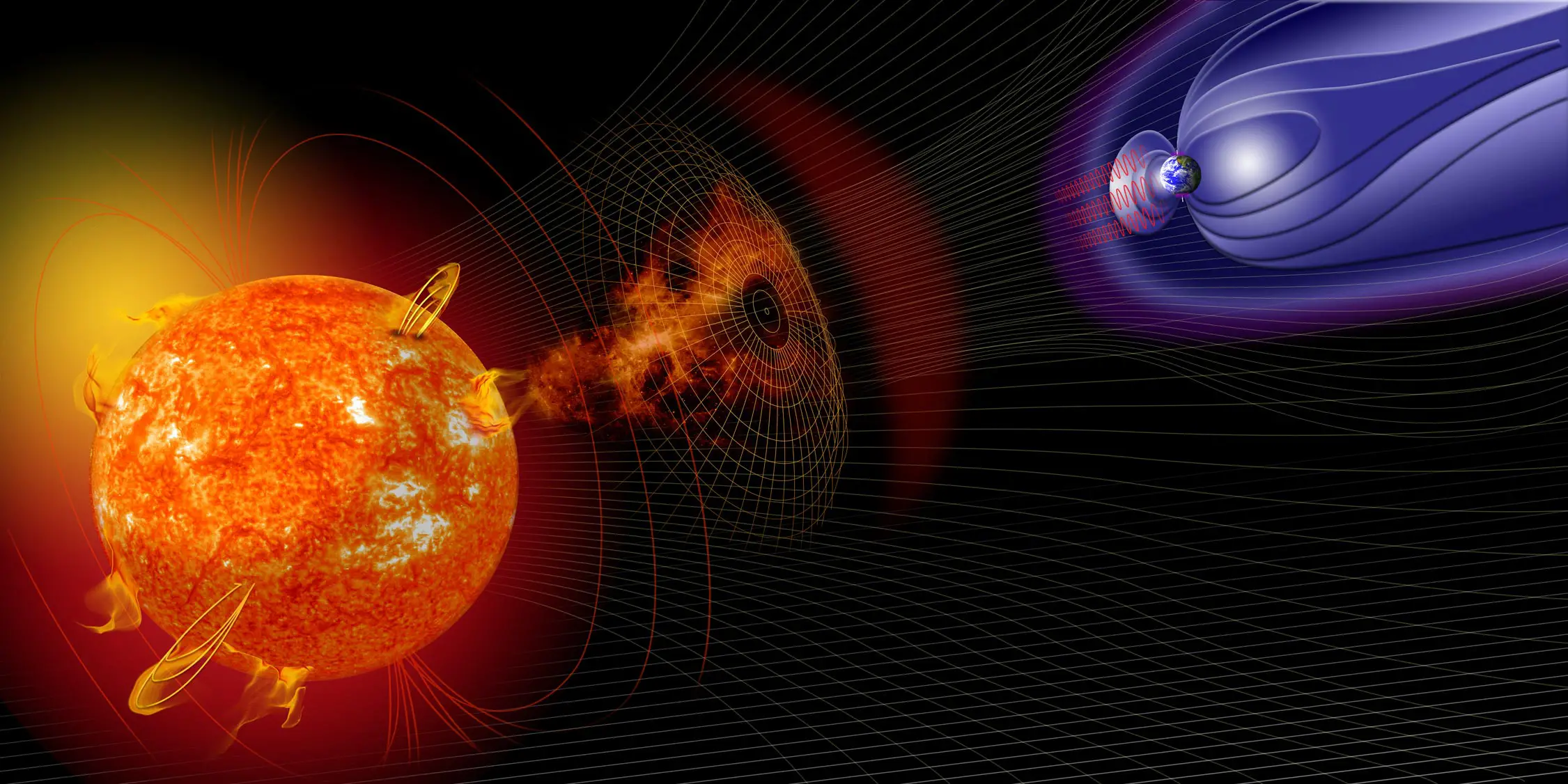
Research suggests supernovas may have caused significant climate changes on Earth in the past by damaging the ozone layer and affecting greenhouse gases, with potential implications for future events as nearby stars like Betelgeuse go supernova. Evidence from space telescopes and tree rings supports this theory, highlighting the importance of understanding supernova impacts on our planet.

science1 year ago

Ancient Tree Rings Uncover Solar Superstorm from 664 BCE

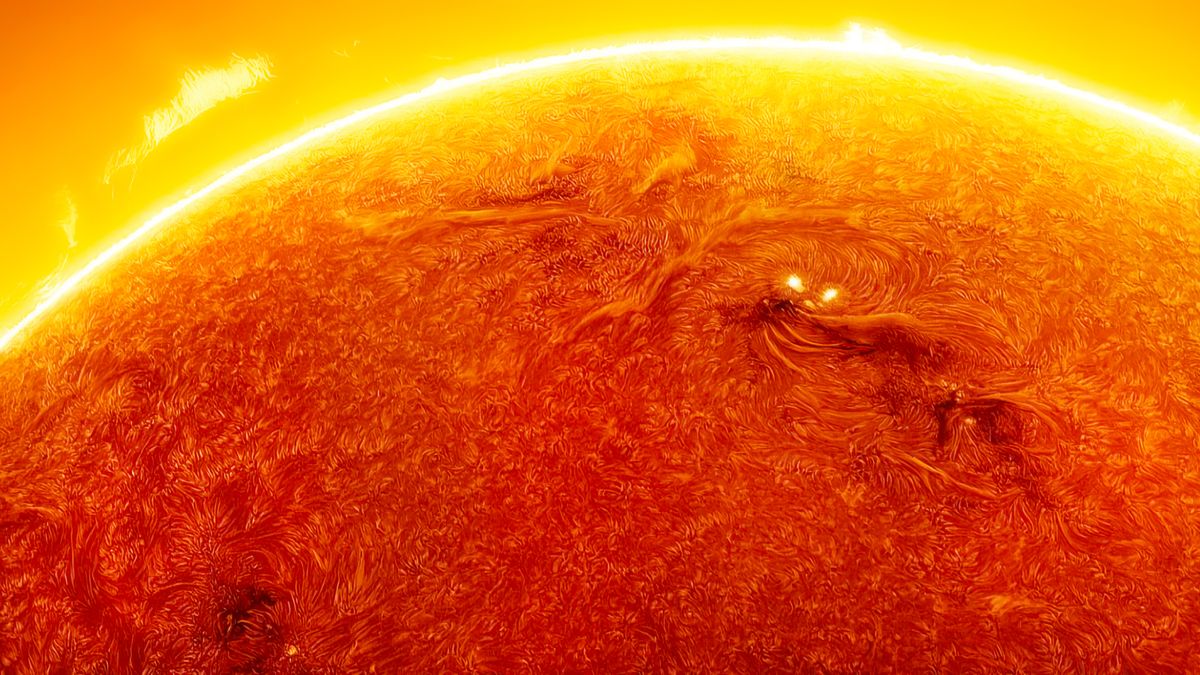
Researchers from the University of Arizona have identified a massive solar storm, known as a Miyake Event, that occurred around 664-663 BCE by analyzing tree rings and ice cores. These events, characterized by spikes in radioactive carbon-14 and beryllium-10 isotopes, are rare and could have catastrophic effects on modern technology if they occurred today. The study highlights the use of natural time capsules like ancient trees and ice cores to uncover historical solar activity.

science1 year ago

Ancient Tree Rings Uncover History of Cataclysmic Solar Storms

Researchers from the University of Arizona have discovered evidence of a massive solar storm, known as a Miyake Event, that occurred around 664-663 BCE by analyzing tree rings. These events, identified by sharp increases in carbon-14 isotopes, are rare and have only been detected six times in the past 14,500 years. If such a storm were to occur today, it could have catastrophic effects on modern communication technology. The study highlights the importance of ancient trees and ice cores as natural time capsules for understanding past solar activity.

science1 year ago

Unveiling Solar Storm Secrets: Tree Rings and the 1859 Carrington Event

Researchers from the University of Helsinki, in collaboration with other institutions, have studied the 1859 Carrington Event by analyzing radiocarbon concentrations in tree rings in Lapland, providing new insights into solar activity and its effects on Earth. This discovery could help in preparing for dangerous solar storms, as it offers a potential new way of investigating the frequency of Carrington-sized storms and understanding atmospheric dynamics and the carbon cycle. The study also sheds light on the impact of solar activity on radiocarbon production and transport, contributing to the development of increasingly detailed carbon cycle models.

climate-change1 year ago

"Unprecedented 'Hot Drought' in the West Lasts Over 500 Years"

New research using tree ring analysis suggests that the hot and dry conditions in the Western United States over the last two decades are unprecedented in at least 500 years. This "hot drought" is a result of extreme heat and dry conditions amplifying each other, and it has never been this severe. The study highlights the increasing prevalence of hot drought across western North America since the 16th century, emphasizing the impact of human-caused climate change on temperature changes and the uncertainty it brings to future projections and mitigation measures.

environment-climate-change1 year ago

"Unprecedented Overlap: Climate Change's Impact on Extreme Heat and Droughts in North America"

A new study published in Science Advances reveals that hotter temperatures are exacerbating the megadrought in the Western U.S., leading to the emergence of "hot droughts" – dry conditions intensified by heat. By analyzing tree rings, researchers found that the last 20 years have seen unprecedented frequency of compound warm and dry summers, attributed to human-caused climate change. The study suggests that future droughts will be worsened by higher temperatures, particularly in regions like the Great Plains and the Colorado River Basin, impacting water reserves for millions of people.

environment1 year ago

"Unprecedented Hot Drought: Western US Faces Extreme Weather in Last 500 Years, New Research Shows"

New research using a technique called blue light intensity on tree rings has revealed an unprecedented "hot drought" in Western North America over the last century, with increased association in recent decades. The study, published in Science Advances, shows a strong relationship between rising summer temperatures and decreasing soil moisture, leading to more frequent and severe drought conditions. The findings suggest that high temperatures have amplified soil moisture deficits and contributed to the frequency, intensity, and spatial extent of drought conditions, indicating a potential link to anthropogenic climate change.

science-and-technology2 years ago

Ancient Tree Rings Uncover Devastating Solar Storm

Scientists have identified evidence of the largest-ever solar storm that hit Earth 14,300 years ago, which could have had catastrophic effects on our modern technological society if it were to occur today. The storm was identified through the study of ancient tree rings, which showed an unprecedented spike in radiocarbon levels. By comparing this spike to measurements of beryllium in Greenland ice cores, the researchers concluded that the spike was caused by a colossal solar storm that bombarded Earth's atmosphere with energetic particles. Understanding the risks of such storms is crucial for building resilience in our communication and energy systems. While these extreme solar storms are rare, occurring only nine times in the last 15,000 years, their exact nature and causes remain poorly understood.

science-and-technology2 years ago

Ancient Tree Rings Uncover Massive Solar Storm from 14,000 Years Ago

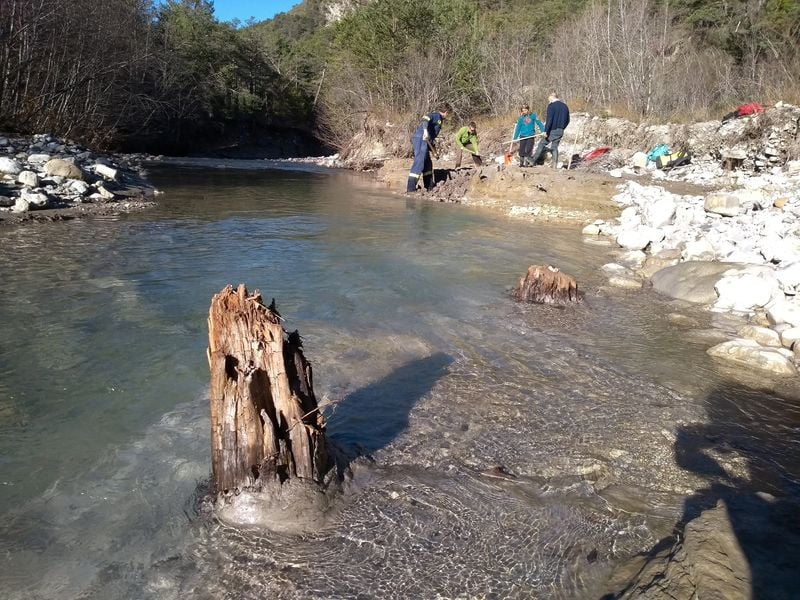
Tree rings from ancient Scots pine trees in the French Alps have revealed evidence of the largest-known solar storm, which occurred 14,300 years ago during the last Ice Age. The solar storm, characterized by a burst of energetic particles from the sun, would have caused significant damage to satellites and electricity grids if it had occurred today. The storm resulted in a spike in radiocarbon levels detected in the tree rings, indicating the absorption of high-energy particles into the trees' tissue. The study highlights the potential catastrophic impact of solar storms on modern society, including nationwide blackouts, damage to satellites, and radiation risks to astronauts and aviation.

science-and-technology2 years ago

Ancient Tree Rings Unveil Largest Solar Storm in History, Posing Modern Threat

Scientists have discovered a massive spike in radiocarbon levels 14,300 years ago, indicating the occurrence of the largest solar storm ever identified. The analysis of ancient tree rings found in the French Alps revealed the anomaly, raising concerns about the potential catastrophic impact of similar solar storms on our modern technological society. Such storms could disrupt telecommunications, satellite systems, and electricity grids, resulting in significant financial losses. Understanding and predicting extreme solar events is crucial for safeguarding Earth's communication and energy infrastructure, but much remains uncertain about the sun's behavior and the potential impact of future solar storms.

science-and-technology2 years ago

Ancient Tree Rings Reveal Earth's Largest Solar Storm, Threatening Modern Technology

Scientists have identified the largest known solar storm, which occurred 14,300 years ago, by analyzing ancient tree rings in the French Alps. The spike in radiocarbon levels caused by the storm suggests that a similar event today could have catastrophic consequences for modern technology, potentially wiping out telecommunications, satellite systems, and electricity grids, costing billions of dollars. Understanding and preparing for such solar storms is crucial to protect global communications and energy infrastructure.

natural-disasters2 years ago

"Unveiling the Hidden Earthquake Threats Looming Over the US"

Scientists have used tree rings to determine that the Puget Lowlands in western Washington, which is now home to over 4 million people, is facing a serious earthquake threat. By analyzing tree rings, researchers discovered evidence of a cluster of earthquakes that occurred about 1,000 years ago, indicating the potential for a repeat event. The earthquakes were either the result of multiple shallow faults rupturing together or twin quakes occurring back-to-back. The findings highlight the need for preparedness in the region, as a significant earthquake could cause severe damage to infrastructure and trigger landslides and local tsunamis.

science-and-technology2 years ago

"Miyake event" poses greater threat than "Carrington event" to modern technology.

Miyake events, sudden, single-year leaps in the concentration of carbon-14 in trees, as well as beryllium-10 and chlorine-36 in ice sheets, exhibit significantly greater intensity than the solar or stellar events that could have triggered the Carrington event in 1859. Scientists are using Miyake events to precisely date historic occurrences or specimens. However, a Miyake event powerful enough to leave its mark in the rings of trees would cripple modern society, collapsing telecommunications systems, flooding satellites, and toppling power grids, leaving anything reliant on electricity inoperable.