A comprehensive review finds that tramadol provides only modest pain relief for chronic pain but carries significant risks, including heart problems and increased adverse events, suggesting its benefits may not outweigh the harms and prompting a reevaluation of its widespread use.
A comprehensive review finds that tramadol provides only minimal relief for chronic pain and is associated with increased risks of serious side effects, including heart problems and potential cancer, suggesting its widespread use should be reconsidered due to its limited benefits and significant harms.
The 2026 Preventive Priorities Survey highlights the ongoing and emerging global conflicts that pose significant risks to U.S. interests, emphasizing the need for proactive conflict prevention and strategic foresight amid a world with increasing violence and instability.
New research indicates that current screening tools like the ASCVD and PREVENT scores may miss nearly half of heart attack cases, especially in individuals classified as low or borderline risk, highlighting the need for improved, personalized risk assessment methods to better prevent heart attacks.
Microplastics have become a public health concern in the US, but recent scientific reviews, particularly by the European Food Safety Authority, suggest that current exposure levels are much lower than feared and that many studies claiming health risks are based on unreliable data. While some evidence links microplastics to respiratory issues, there is no conclusive proof of harm to humans, and the hysteria may be driven more by media and environmental agendas than solid science.
A researcher at the University of Minnesota and a group of scientists have raised concerns about the potential dangers of creating mirror cells, which are synthetic organisms with reversed biomolecular structures. While such cells could advance scientific understanding and medical research, experts warn they might pose significant ecological and health risks if released, leading to calls for strict regulations and ethical considerations to prevent potential existential threats.
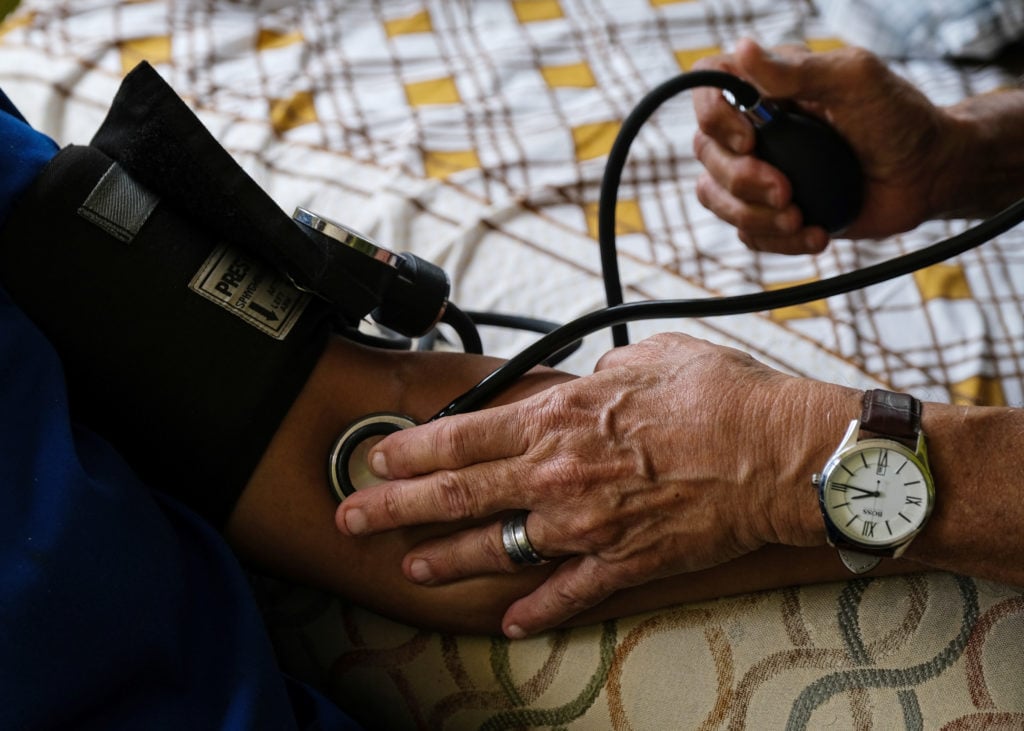
The new blood pressure guidelines, effective August 2025, lower the thresholds for hypertension diagnosis, emphasize personalized risk assessment using the PREVENT calculator, and promote lifestyle changes like diet, exercise, and alcohol moderation to better manage and prevent hypertension and related health risks.
The American Heart Association and American College of Cardiology released new, stricter guidelines for hypertension, lowering the blood pressure thresholds for diagnosis and emphasizing personalized risk assessment, lifestyle changes, and more aggressive treatment to better prevent heart disease, stroke, and dementia among Americans.
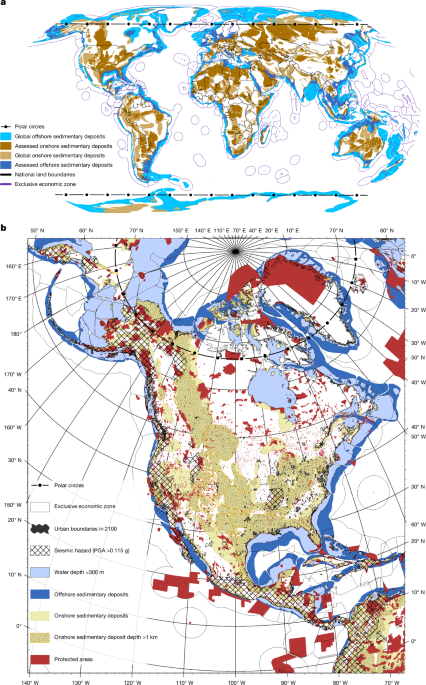
Storing carbon in geologic formations is crucial for achieving net-zero emissions and limiting global warming, but the potential is limited by technical, environmental, seismic, policy, and geopolitical risks. A spatially explicit analysis estimates a prudent planetary limit of about 1,460 GtCO2, emphasizing the need for careful, strategic deployment of this finite resource to support climate goals without exceeding safe and sustainable boundaries.
A neurologist suggests a simple 10-second balance test, standing on one leg, as an early indicator of dementia risk, supported by research linking impaired balance to brain dysfunction and cognitive decline, along with other assessments like strength and sleep behavior.
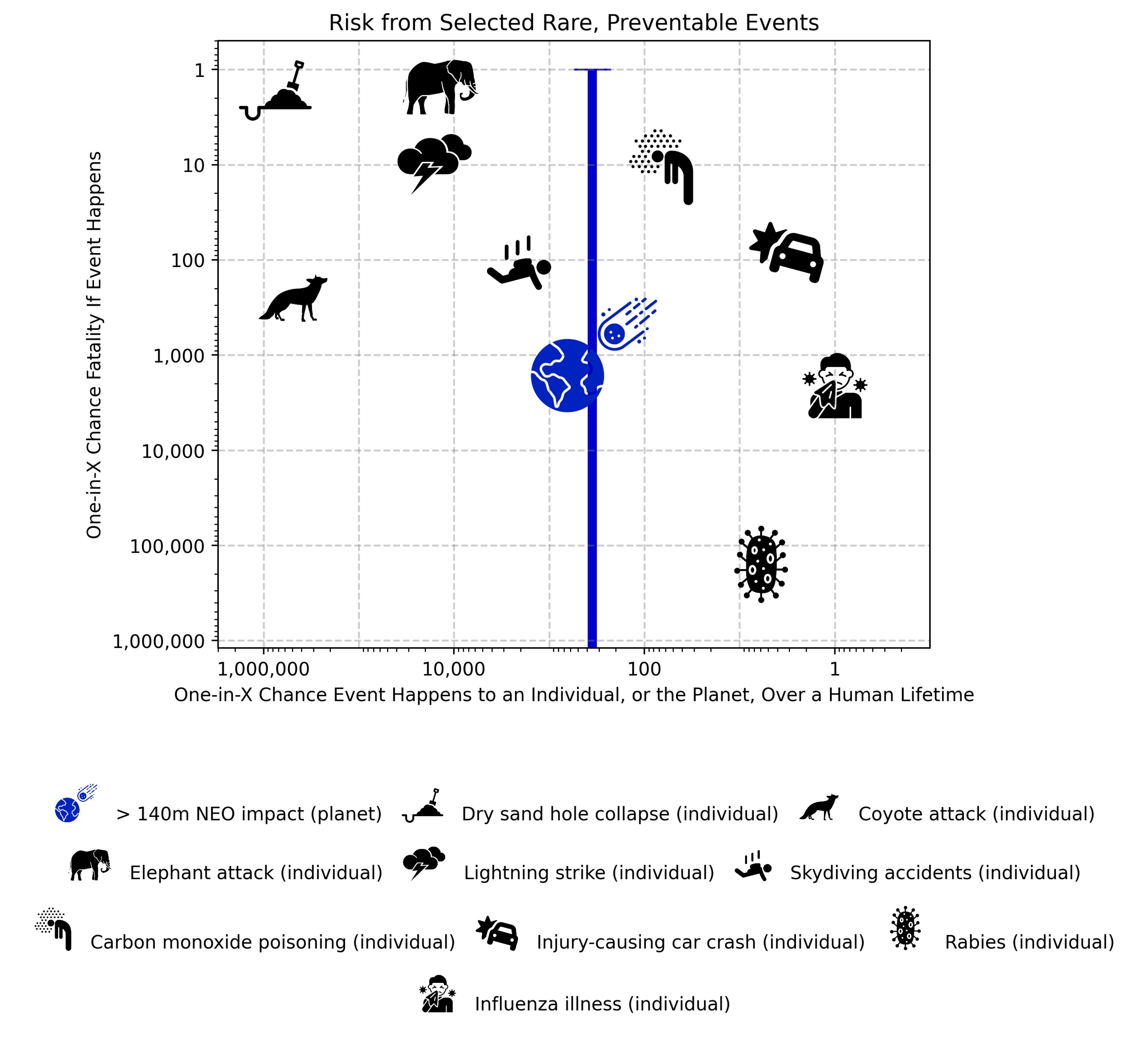
A study estimates the likelihood of dying from a >140 meter asteroid impact at about once every 11,000 years, comparing this rare event to more common risks like lightning strikes and car accidents, and emphasizes the importance of planetary defense efforts.
A recent study compares the likelihood of dying from an asteroid impact to other causes like lightning and car crashes, finding that while asteroid impacts are rare, they are more likely than some other deadly events, highlighting Earth's vulnerability and ongoing planetary defense efforts.
A study finds that dying from an asteroid impact is more likely than from rabies, but still less likely than dying in a car accident or from the flu, with all risks remaining very low overall. The research compares the probability of asteroid impacts with other causes of death to provide context for potential prevention efforts.
Scientists at Northwestern University have developed a new online calculator that estimates an individual's 'heart age' based on health factors, aiming to improve understanding and motivation for heart disease prevention, especially among younger adults and underserved communities.
A study by Washington University reveals a significant gap between people's interest in knowing their Alzheimer's risk and their actual willingness to receive such information when offered, highlighting ethical and emotional complexities in disclosing risk results without available treatments.