NASA has reestablished contact with SV1, one of two TRACERS satellites launched in July, which experienced power issues shortly after launch; the status of the satellite's science operations remains uncertain, but efforts are ongoing to recover it, while the other satellite, SV2, is functioning normally.
NASA is experiencing communication problems with two of its recent spacecraft launched on a SpaceX Falcon 9 rocket, with one TRACERS satellite losing contact due to power issues and the Athena EPIC satellite failing to send a beacon signal, complicating tracking and operations.
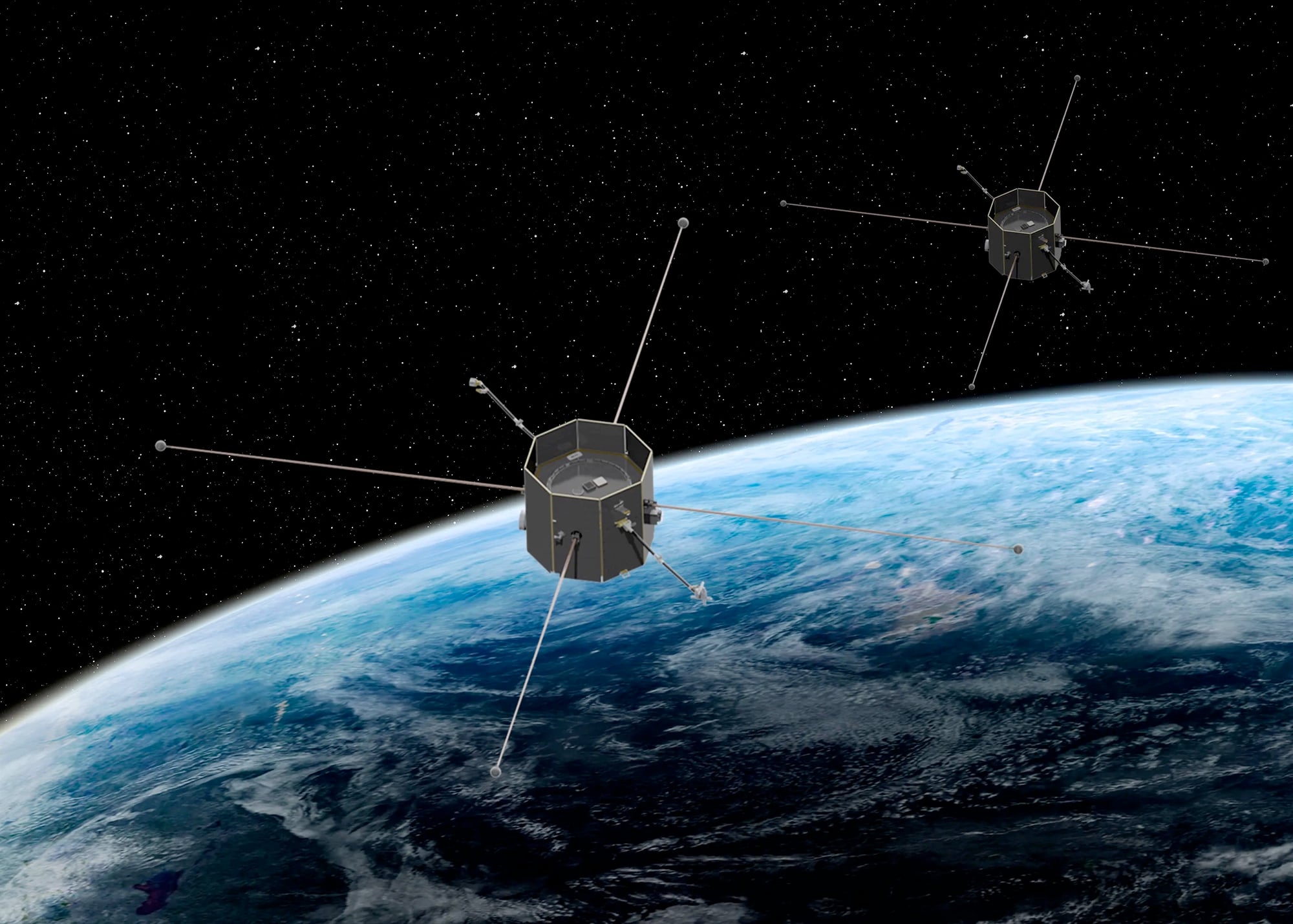
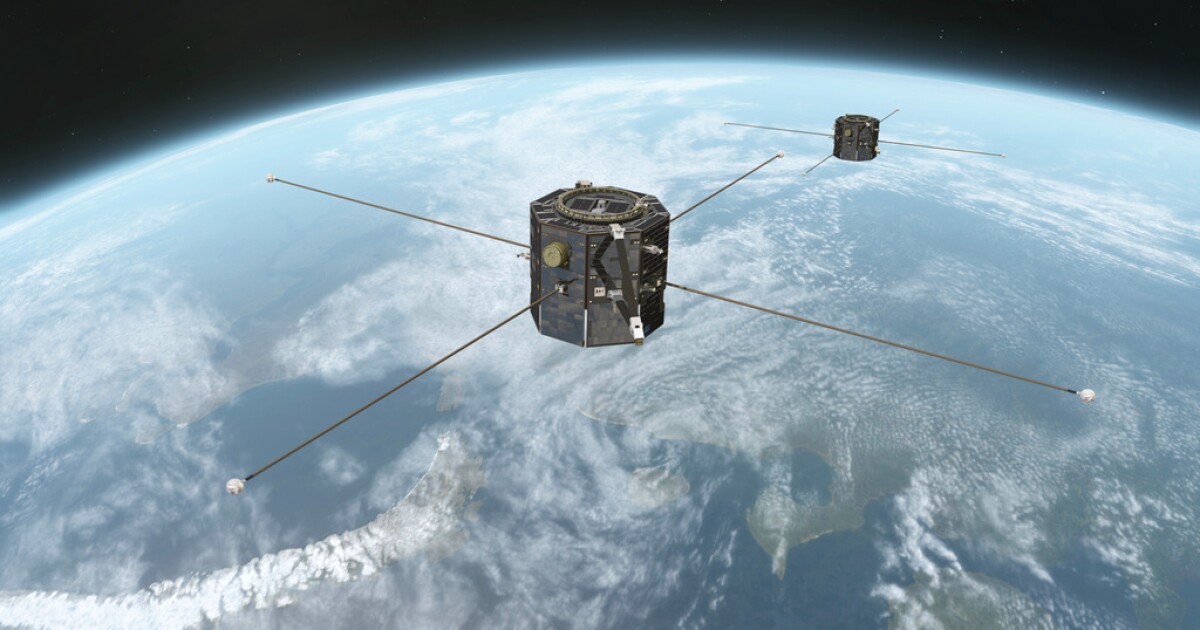
NASA launched the TRACERS mission, consisting of twin satellites, to study Earth's magnetic shield and magnetic reconnection near the North Pole, aiming to improve understanding of space weather impacts on Earth. The mission also includes small satellites demonstrating new technologies, and will conduct a year-long study to better understand how solar wind interacts with Earth's magnetic field.
NASA's TRACERS mission, launched by SpaceX from Vandenberg, consists of twin satellites to study magnetic reconnection in Earth's magnetosphere caused by solar wind, helping to understand space weather effects like auroras and geomagnetic storms. The launch included additional small satellites and missions, aiming to improve space weather prediction and satellite protection.
NASA's TRACERS mission, set to study Earth's magnetosphere, was postponed due to FAA airspace concerns, with a new launch window scheduled for July 23. The mission involves twin satellites in low Earth orbit, part of a larger rideshare payload on a SpaceX Falcon 9, alongside other international and commercial satellites.
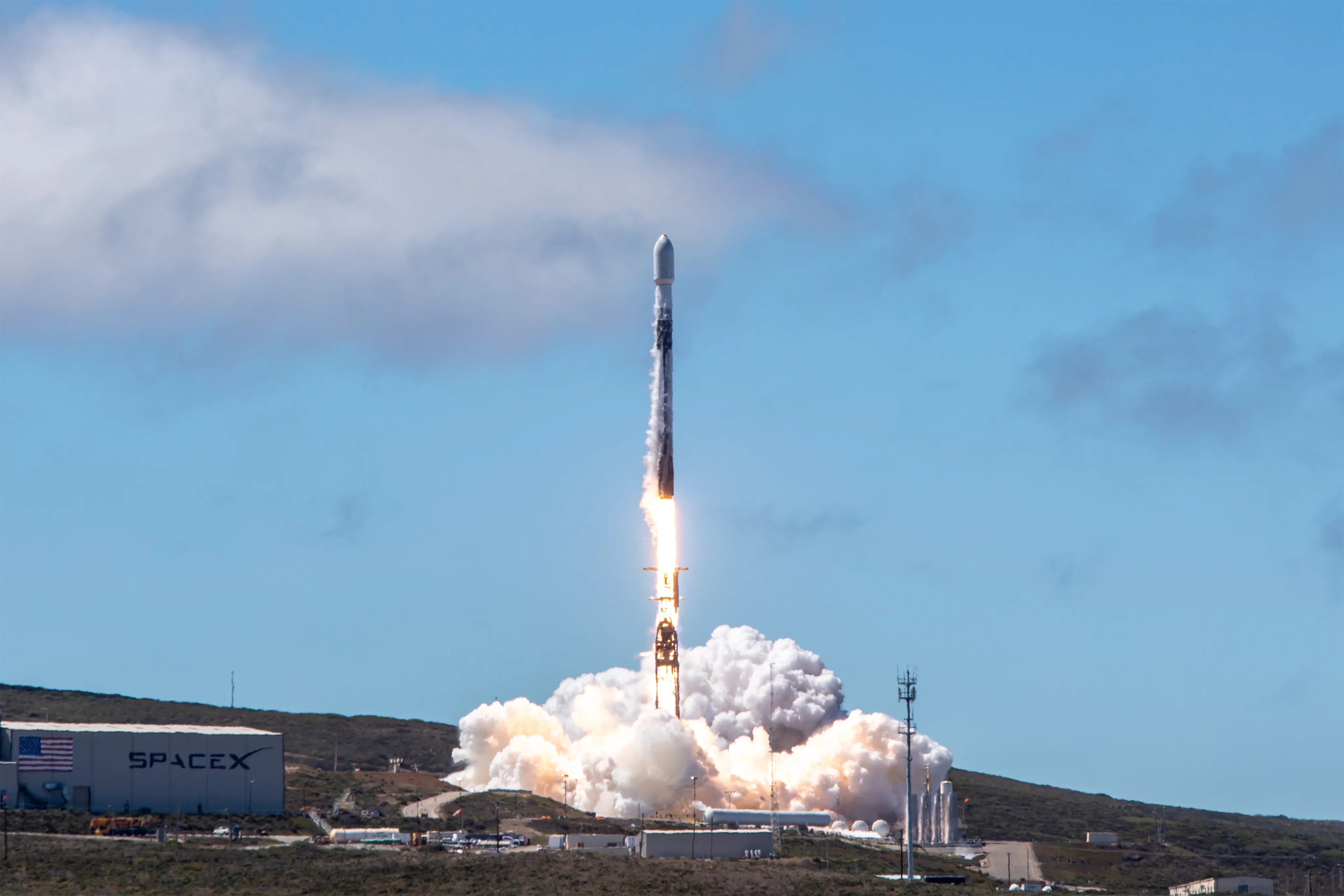
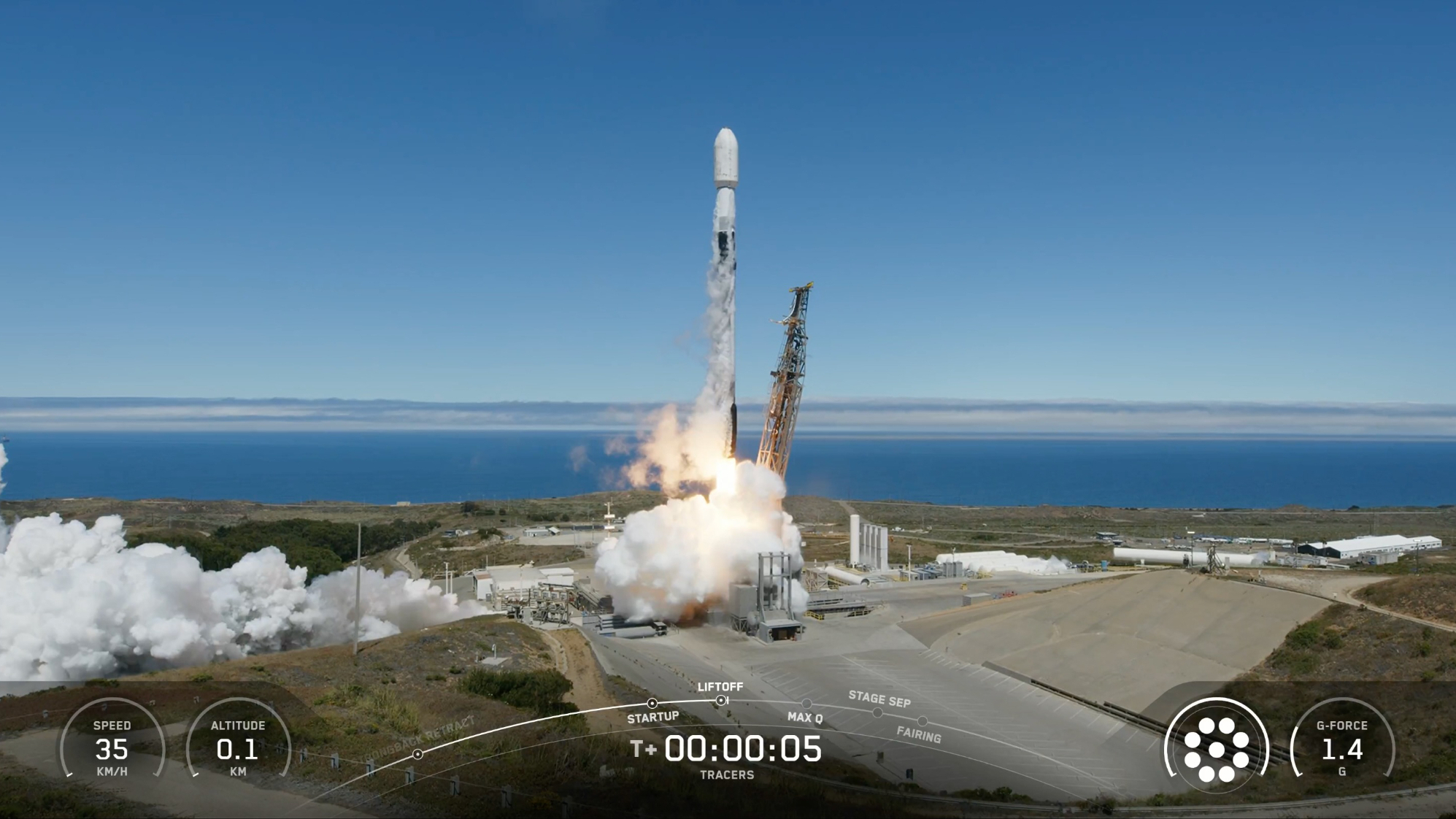
SpaceX is launching NASA's TRACERS mission from Vandenberg Space Force Base on Tuesday, which involves a Falcon 9 rocket carrying twin satellites to study Earth's magnetic field and solar wind interactions, with a sonic boom expected in nearby areas during the rocket's landing.