Consuming specific foods like broccoli, blueberries, and tomatoes daily can help reduce the risk of cancer due to their protective compounds, such as sulforaphane, antioxidants, and lycopene, respectively, when incorporated into a balanced diet and healthy lifestyle.
A Swiss research team used precise gene editing to correct a mutation in the SSP2 gene of domesticated tomatoes, resulting in earlier fruiting, more compact growth, and potential for improved crop scheduling, highlighting how fixing deleterious mutations can enhance crop traits.
La Tomatina, held annually in Buñol, Spain, is the world's largest food fight where thousands of participants throw overripe tomatoes at each other, transforming the streets into a sea of red for an hour, a tradition dating back to the 1940s and now an internationally renowned event.
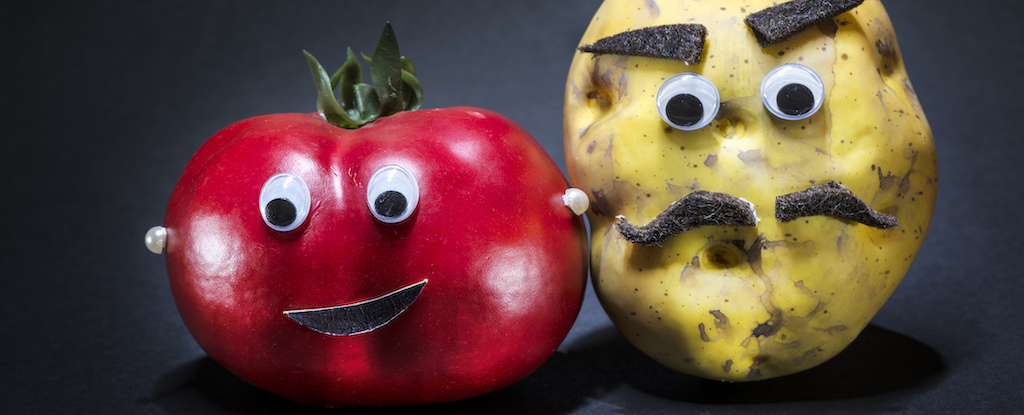
A recent study reveals that modern potatoes evolved from a hybridization event between wild tomatoes and potato-like plants in South America around nine million years ago, highlighting the significant role of ancient hybridization in evolution and opening new avenues for potato breeding.
Scientists have discovered that modern potatoes evolved from an ancient tomato ancestor around 9 million years ago, with key genetic contributions from both species enabling the development of tubers in potatoes.
Research reveals that potatoes originated from a hybridization event between wild tomato plants and potato-like species around 8-9 million years ago, which led to the development of tubers and contributed to the diversity of potato species today.
A recent study reveals that modern potatoes are descended from tomatoes, with genetic analysis showing potatoes likely emerged about 9 million years ago as a hybrid of tomatoes and a potato-like species, etuberosum, challenging previous beliefs about their origins.
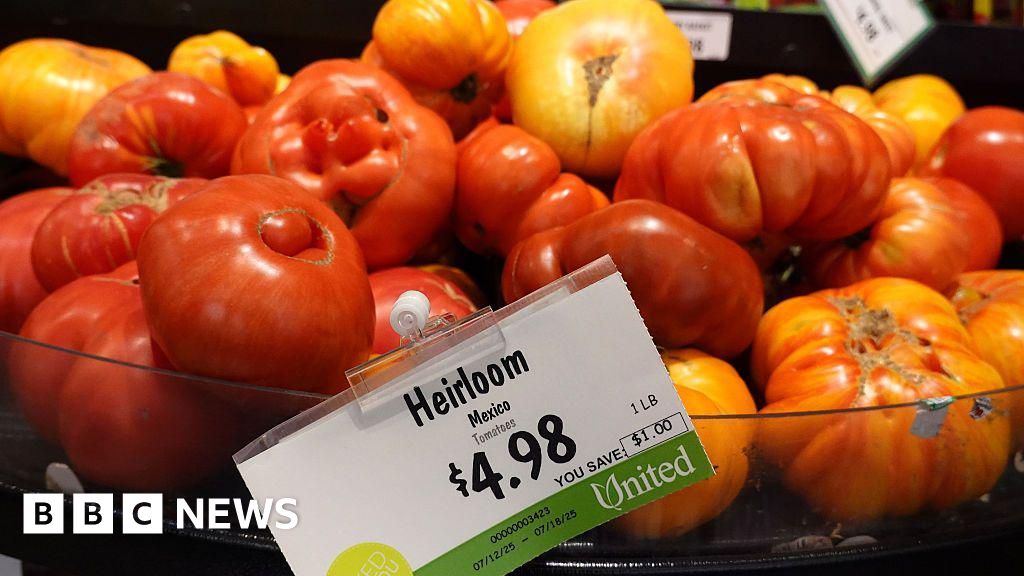
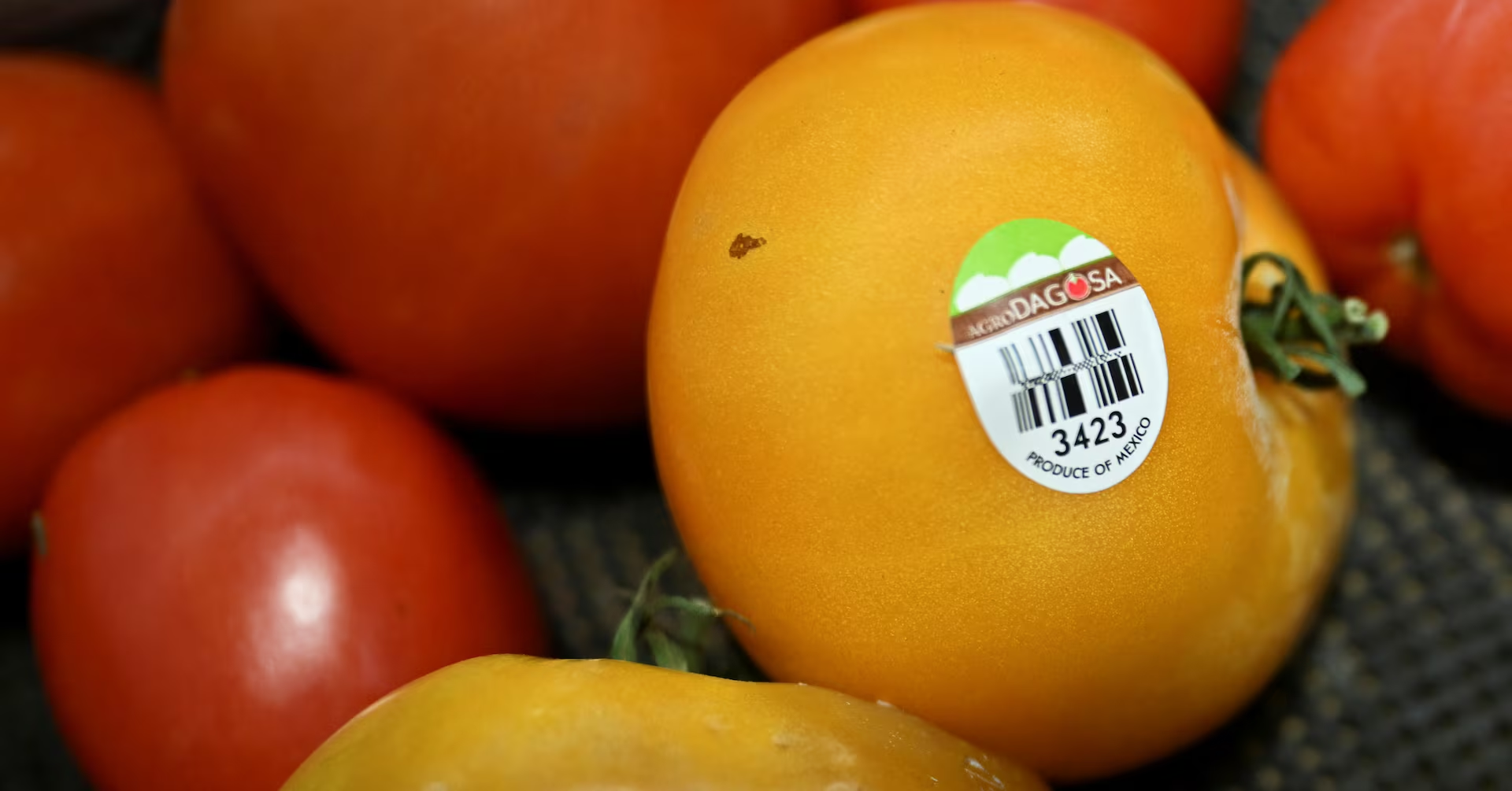
The US has imposed a 17% tariff on Mexican tomatoes after withdrawing from a trade agreement, citing unfair pricing practices, which is expected to raise prices and impact trade between the two countries. Mexico opposes the move, emphasizing the importance of Mexican tomatoes and seeking negotiations, while the US aims to protect its domestic growers amid broader trade tensions.
The US has imposed a 17% tariff on Mexican tomatoes after withdrawing from a 2019 trade agreement, citing unfair trade practices, which is expected to increase prices for tomato products in the US and impact Mexican producers who hope to negotiate a new deal.
Scientists have discovered that wild tomatoes in the Galápagos Islands are evolving backwards, regaining ancient traits lost millions of years ago, challenging traditional views of evolution and opening new avenues for genetic research and crop improvement.
Researchers have documented a rare example of reverse evolution in wild tomatoes on the Galapagos Islands, where some plants have reverted to ancestral chemical traits, suggesting environmental pressures can drive species back along their evolutionary path, with potential implications for genetic engineering and agriculture.
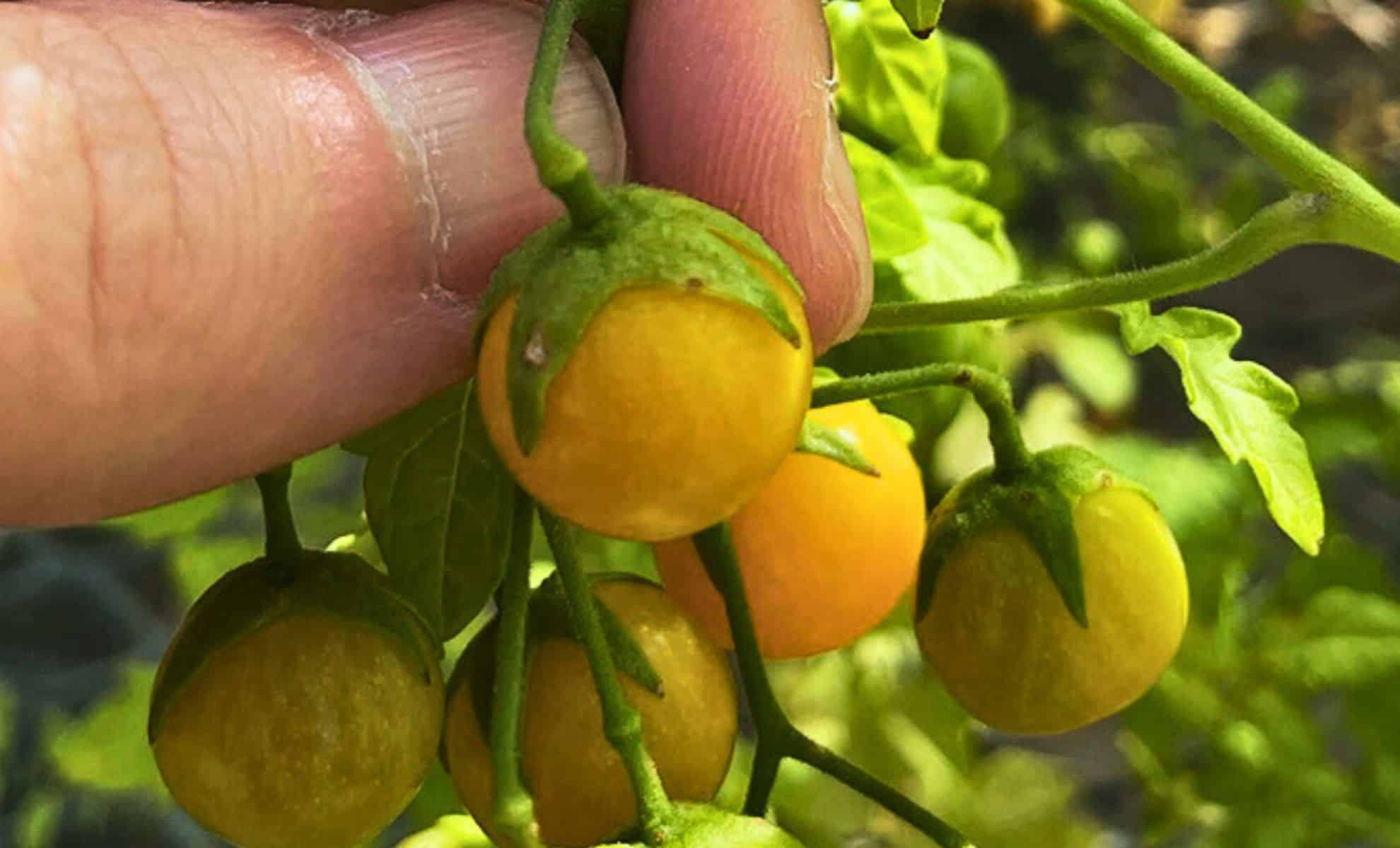
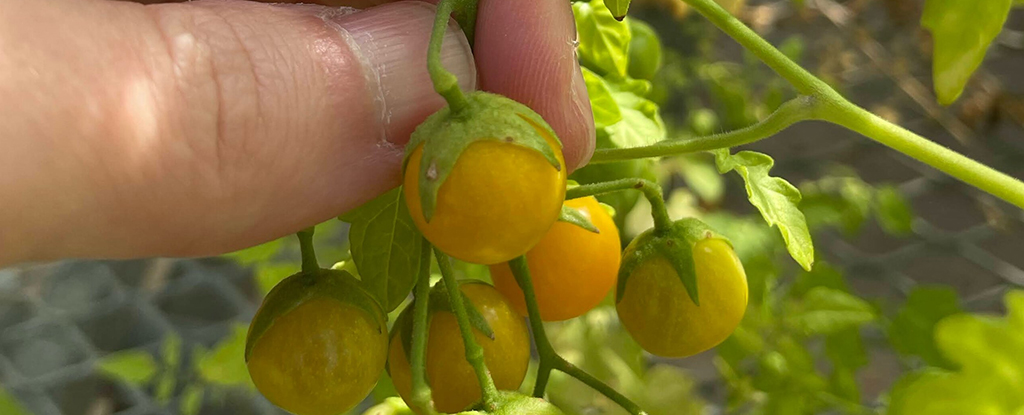
Researchers studying wild tomatoes in the Galápagos Islands discovered that plants on the younger western islands are producing alkaloids identical to those of ancient ancestors, suggesting a reversion to ancestral traits possibly as an adaptation to harsher environments, highlighting the flexibility and complexity of evolutionary processes.
Scientists studying wild tomatoes in the Galápagos Islands have observed a rare case of reverse evolution, where the plants are reverting to an ancient chemical state by producing alkaloids similar to those found in eggplants, likely driven by environmental factors on younger islands. This discovery challenges traditional views of evolution as a one-way process and suggests that traits can re-emerge through genetic changes, with potential implications for agriculture and medicine.
Florida tomato farmers are destroying crops due to economic losses caused by Trump's tariff and immigration policies, which have led to a labor shortage and a flood of cheaper Mexican tomatoes, resulting in plummeting prices and increased costs for farmers, with potential ripple effects on food prices and inflation.
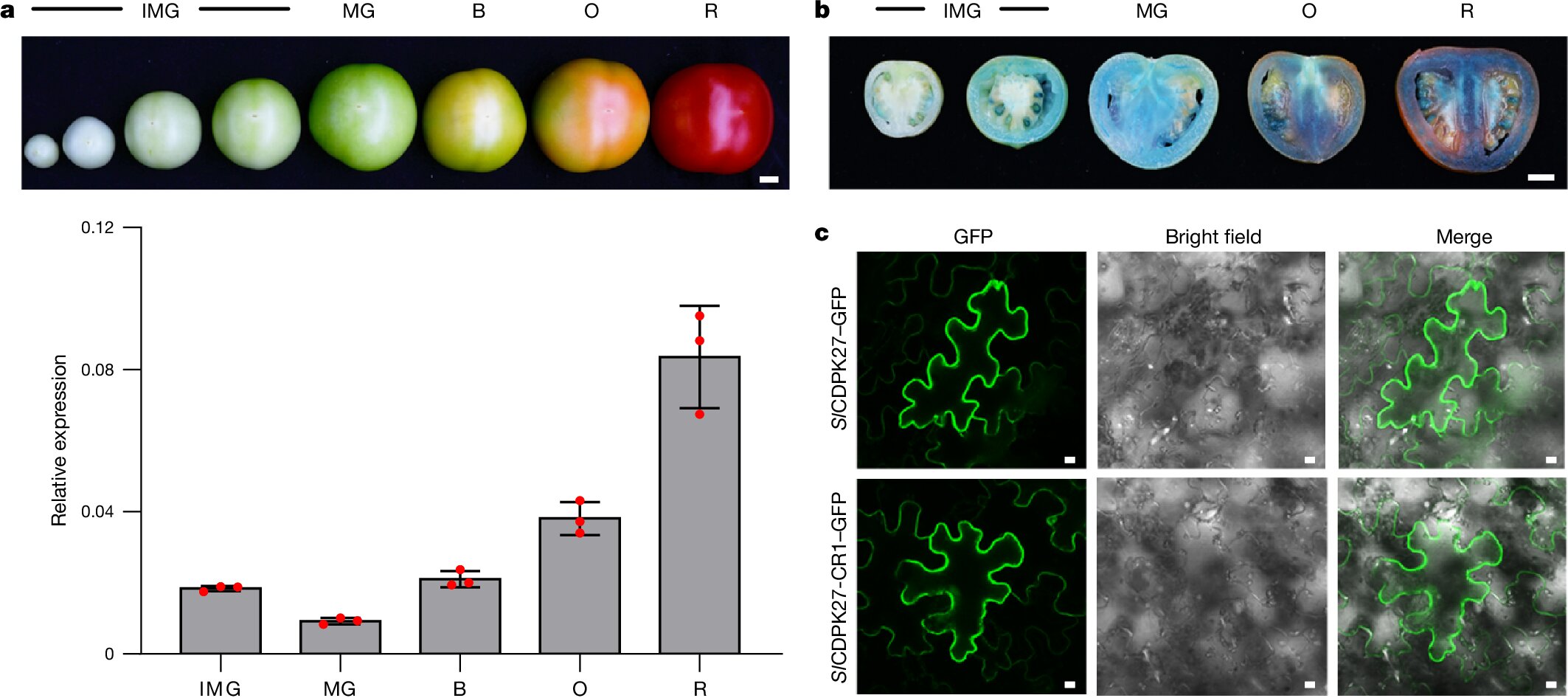
Researchers in China have genetically modified two genes in large tomato varieties to increase their sweetness without affecting size, weight, or yield. By disabling the genes SlCDPK26 and SlCDPK27, which reduce sugar-producing enzymes, the modified tomatoes showed a 30% increase in fructose and glucose levels. The study, published in Nature, suggests that while these tomatoes are not as sweet as cherry varieties, further genetic modifications could enhance sweetness further.