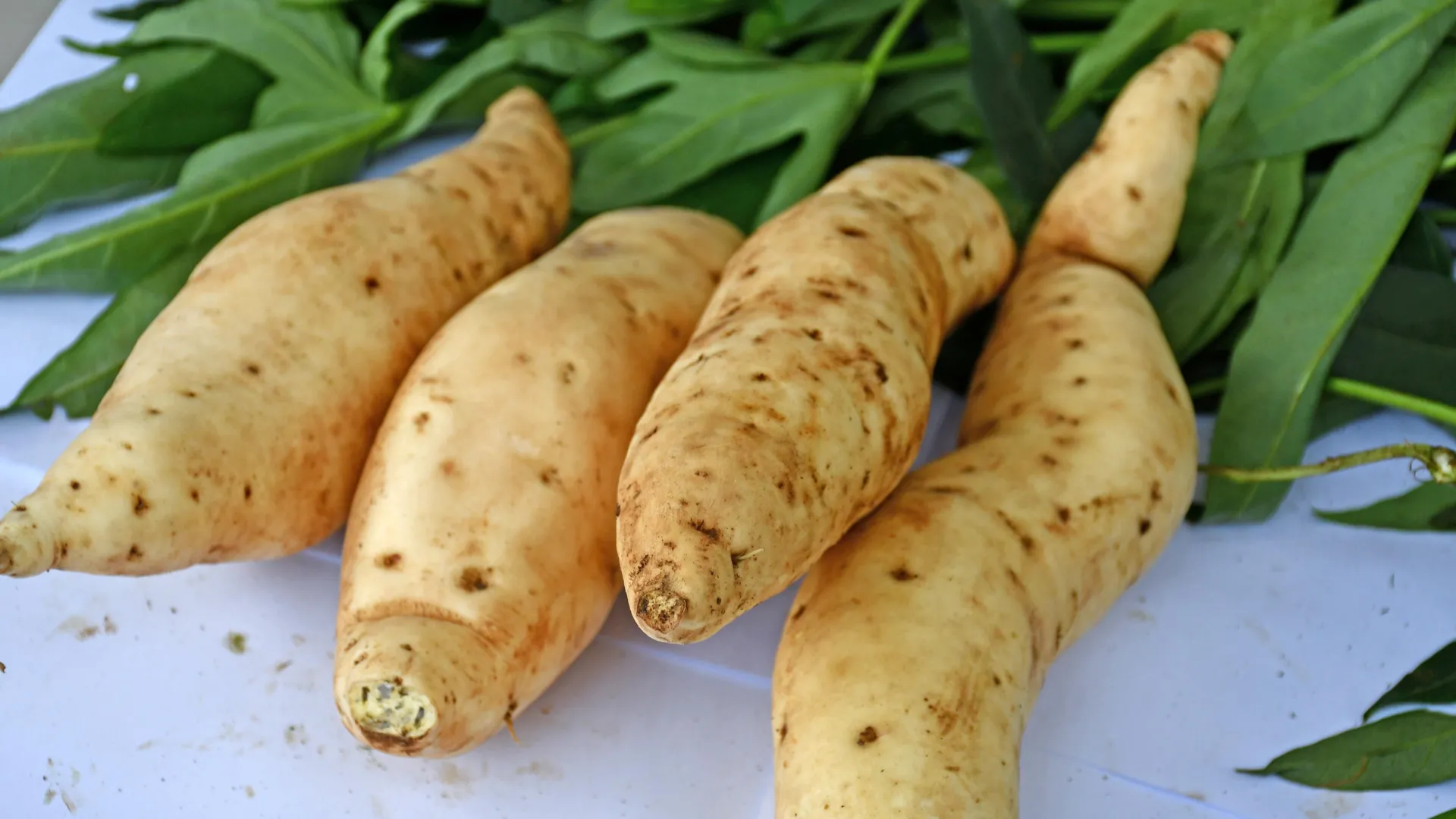
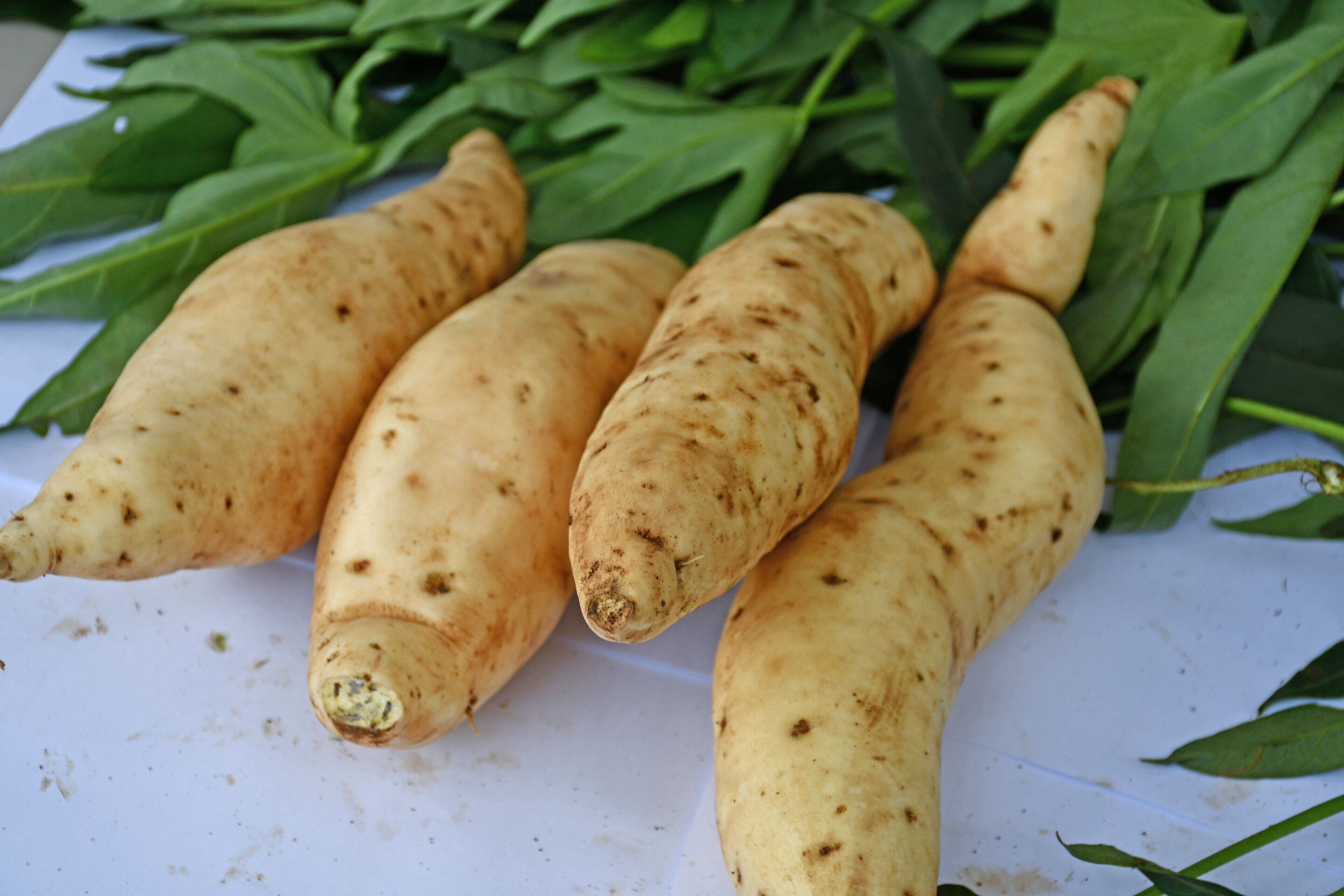
Scientists have decoded the complex genome of the sweetpotato, revealing its intricate hybrid origin and providing new tools for crop improvement, which is crucial for food security in the face of climate change and pests.
A Swiss research team used precise gene editing to correct a mutation in the SSP2 gene of domesticated tomatoes, resulting in earlier fruiting, more compact growth, and potential for improved crop scheduling, highlighting how fixing deleterious mutations can enhance crop traits.
Scientists have decoded the complex genome of the sweet potato, revealing its intricate ancestry from multiple wild species and its unique genomic architecture, which contributes to its resilience and adaptability, providing valuable insights for crop breeding and food security.
Scientists have successfully mapped the complex genome of sugarcane, a major crop used for sugar production and bioenergy. This breakthrough could lead to improved crop resilience, disease management, and increased agricultural productivity. The research, published in the journal Nature, involved the development of a highly accurate reference genome for sugarcane, which could aid in breeding more resilient crops and increasing sugar production. The study also identified specific genes responsible for disease resistance and utilized advanced genetic sequencing techniques to unravel the complexities of sugarcane's genetic blueprint. This milestone has significant implications for both agriculture and bioenergy development.
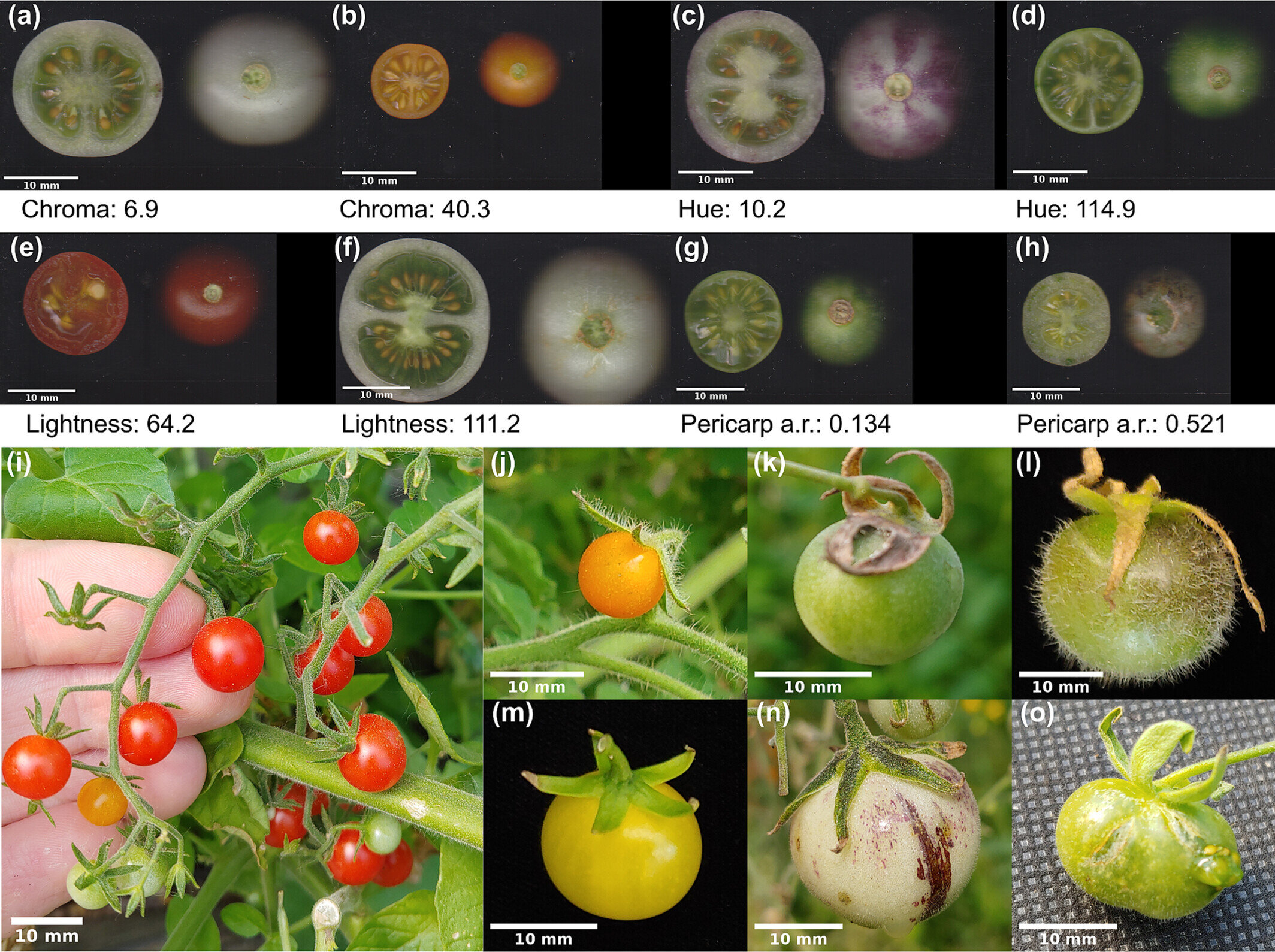
Biologists at the University of Massachusetts Amherst have discovered evolutionary syndromes in wild tomatoes that explain how they evolved their distinctive traits of color, sweetness, acidity, and aroma. The research provides insights into fruit evolution in the wild and can aid in breeding more nutritious and appealing varieties of fruits. The study involved growing and analyzing various species of wild tomatoes, revealing that traits such as smell, flavor, and color are syndromatic and that there is a match between the appearance and nutritional content of tomatoes. The findings suggest that animal preferences may have shaped the evolution of fruit syndromes.