The article explores the potential and ethical dilemmas of using CRISPR gene editing technology to combat environmental issues like coral reef extinction and species preservation, highlighting both scientific advances and the risks of unintended consequences in ecological interventions.
A Swiss research team used precise gene editing to correct a mutation in the SSP2 gene of domesticated tomatoes, resulting in earlier fruiting, more compact growth, and potential for improved crop scheduling, highlighting how fixing deleterious mutations can enhance crop traits.
A groundbreaking study reports the first successful human transplant of genetically edited pancreatic islet cells that produce insulin without the need for immunosuppressant drugs, bringing a potential cure for type 1 diabetes closer to reality.
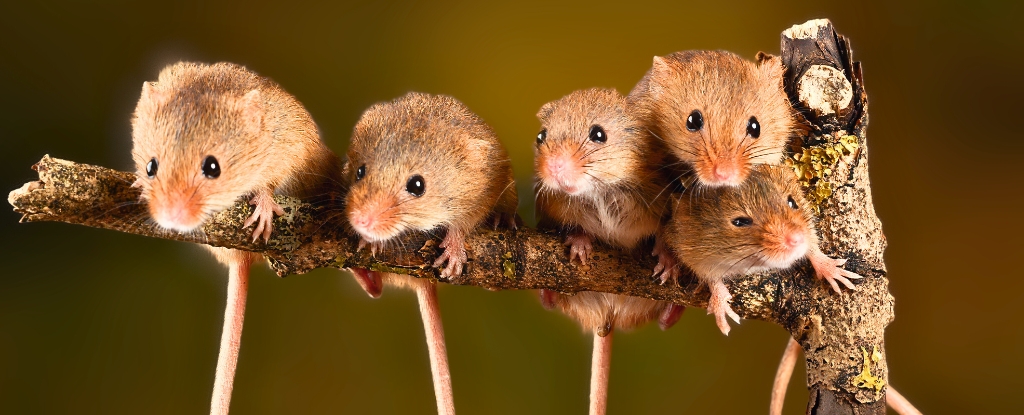
Scientists have successfully created fertile mice with genetic material from two fathers through advanced gene editing techniques, marking a significant breakthrough in asexual reproduction research, though the process remains inefficient and raises ethical questions for future applications.
Colossal Biosciences claimed to have 'de-extincted' the dire wolf, but it has been revealed that the animals are actually genetically edited gray wolves, not true dire wolves, highlighting a misleading PR narrative despite scientific clarifications.
Scientists from University College London and the Francis Crick Institute have identified a genetic pathway that significantly contributes to inflammatory bowel disease (IBD), including Crohn's disease. By exploring a "gene desert," they discovered an enhancer that activates inflammation-related genes in macrophages. This breakthrough could lead to more effective treatments using existing drugs that target this pathway, offering new hope for IBD patients. The findings were published in Nature.
Scientists are aiming to bring back extinct animals never before known in the natural world by extracting DNA from fossils, with plans to revive species like mammoths and Tasmanian Tigers within the next decade. The research, led by Colossal Bisciences in Texas and supported by Harvard geneticist George Church, aims to accelerate the discovery of ancient unknown species and potentially save threatened species from extinction by learning from past examples of animals adapting to changing climates.
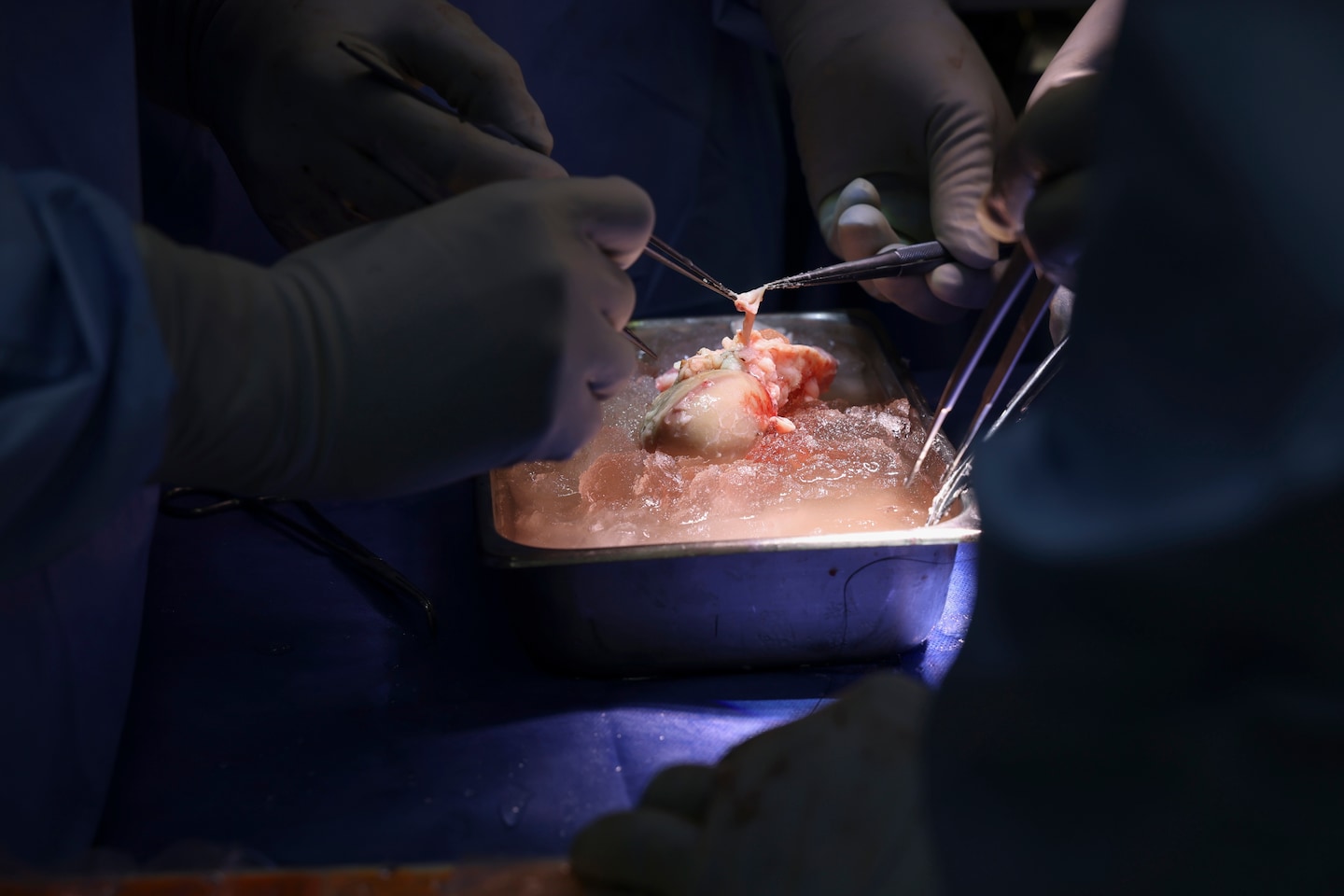
Richard Slayman, the first person to receive a genetically edited pig kidney transplant, has been discharged from the hospital and is recovering well at home, expressing immense happiness and relief. The successful surgery, which required FDA approval under "compassionate use" rules, offers hope for the 550,000 kidney patients in the United States. The use of pig kidneys and genetic editing technologies like CRISPR may address the shortage of human organs for transplantation and reduce disparities in access to transplants.
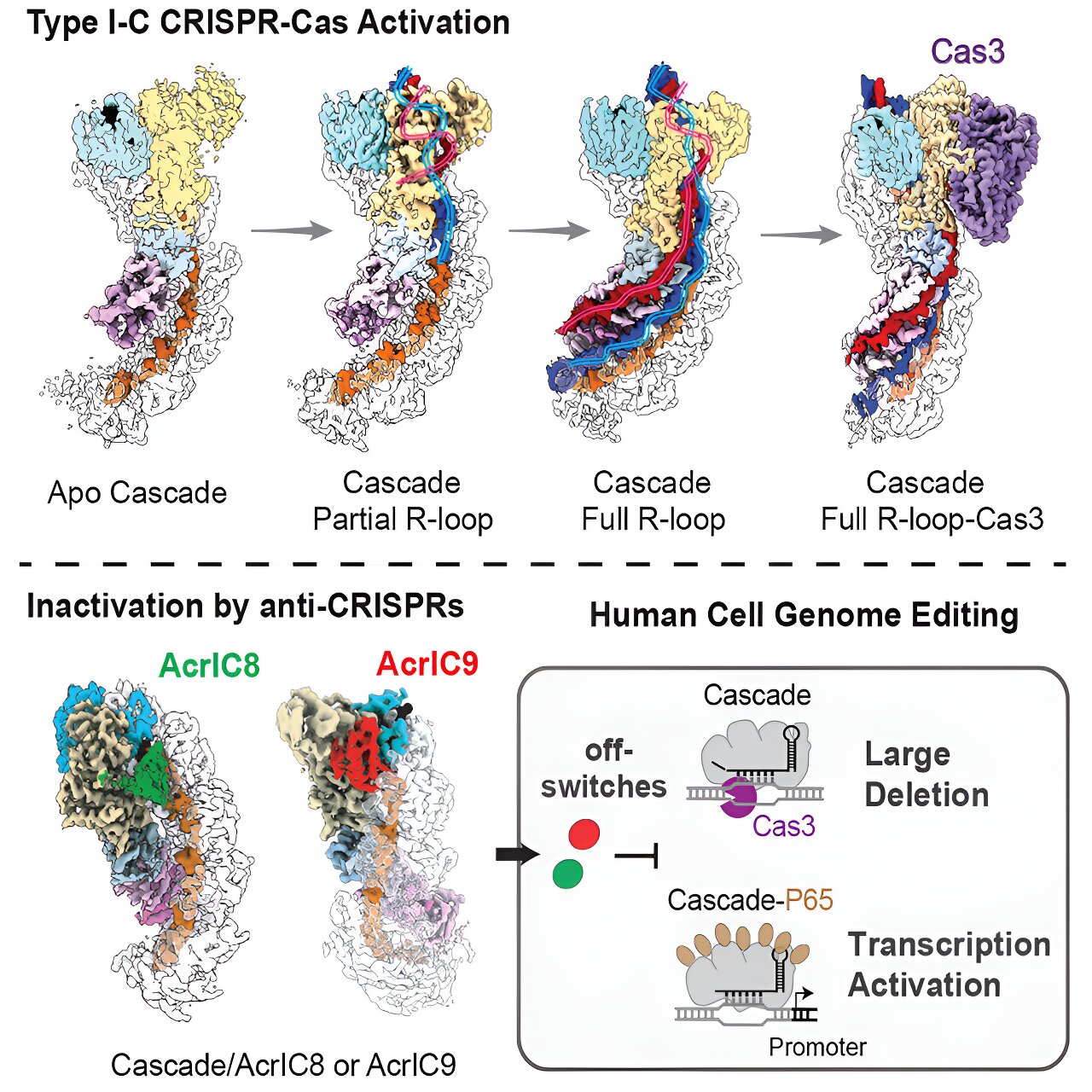
Scientists have developed off-switches for the Type I-C/Cas3 gene editor, a newer CRISPR platform with potential therapeutic use, to improve its safety. These off-switches, derived from anti-CRISPR proteins that bacteriophages have evolved to combat bacterial CRISPR immunity, can help mitigate off-target effects and increase the safety profile of CRISPR-based genome editing. The study, published in Molecular Cell, provides insights into the mechanisms of these off-switches, offering a potential path towards safer genome engineering.
Researchers are exploring the use of CRISPR, a genome-editing tool, to target the complex roots of Alzheimer's disease. Two projects presented at a medical conference highlighted different strategies for using CRISPR to tackle Alzheimer's. One project focused on modifying the gene that encodes the amyloid precursor protein, while the other aimed to reduce the activity of the APOE4 gene. These early-stage studies in mice and lab-made mini-brains demonstrate the potential of CRISPR in broadening the approaches to treating Alzheimer's, a disease that has proven challenging to address. However, further research and refinement of the technology are needed before testing in humans can occur.