Actress Erin Moriarty announced she was diagnosed with Graves' disease, an autoimmune thyroid disorder, encouraging others to get checked if they experience similar symptoms, emphasizing the importance of early detection and treatment.
Iodine deficiency can lead to serious health issues beyond thyroid problems, including increased cancer risk, heart disease, hormone imbalances, and metabolic issues. Low iodine levels can also affect reproductive health, brain function, immune system, and children's development, highlighting the importance of maintaining sufficient iodine intake through diet or supplements.
This article discusses 10 natural sources, including herbs, vitamins, oils, and effective methods, that can help manage and regulate T3 and T4 thyroid levels naturally. It covers the benefits of each source, such as ashwagandha, selenium, vitamin D, omega-3 fatty acids, probiotics, zinc, coconut oil, stress management techniques, exercise, and avoiding goitrogenic foods, and emphasizes the importance of consulting with a healthcare professional before making significant changes to one's routine or starting new supplements.
Managing hypothyroidism naturally involves incorporating a well-balanced diet rich in iodine, vitamin D, tyrosine, selenium, and antioxidants, as well as engaging in yoga practices such as Vipareetkaraniasana, Ustrasana, Sarvangasana, and Setubandhasana to support thyroid health and overall well-being. These holistic approaches offer promising avenues for enhancing the quality of life for individuals managing hypothyroidism.
While excessive sodium intake can lead to health issues, table salt remains a reliable source of iodine, a crucial nutrient for thyroid hormone production. Iodine deficiency is uncommon but can still affect certain individuals, including older adults. Symptoms of low iodine levels include weight gain, fatigue, memory issues, and an enlarged thyroid gland. However, getting enough iodine can be challenging as it is naturally found in only a few foods, and changes in farming practices and food processing have affected iodine content. Packaged foods typically do not contain iodized salt, and fancier salts like sea or Himalayan salts are not good sources. It is recommended to use iodized salt in moderation and increase intake of iodine-rich foods like whole-wheat bread, cod, seaweed, oysters, Greek yogurt, milk, and eggs.
Selenium is a trace mineral that is essential for healthy thyroid function. Low levels of selenium can lead to a sluggish thyroid, causing symptoms such as fatigue, weight gain, and mood changes. Supplementing with selenomethionine, a specific form of selenium, can dramatically improve thyroid health and alleviate symptoms. Selenium is also found in foods like beef, poultry, fish, seafood, and Brazil nuts. Additionally, taking vitamin D alongside selenium can further support thyroid function. One woman's success story highlights the positive impact of selenium supplementation on her thyroid health.
Dr. Emi Hosoda, a Seattle-based internist, discovered that inflammation in the GI tract can cause hidden thyroid issues, leading to symptoms like fatigue, stubborn weight gain, brain fog, and frequent GI issues. She recommends adopting an elimination diet to cut out thyroid-slowing foods and get plenty of nutrients proven to help relieve inflammation and repair damage. Her basic style of eating can benefit virtually everyone and can help prevent future issues and even offer significant relief to folks already diagnosed with a slow thyroid.
Dr. Emi Hosoda, a Seattle-based internist, discovered that inflammation in the GI tract can cause hidden thyroid issues, leading to symptoms like fatigue, stubborn weight gain, brain fog, and frequent GI issues. She recommends adopting an elimination diet to cut out thyroid-slowing foods and get plenty of nutrients proven to help relieve inflammation and repair damage. Her basic style of eating can benefit virtually everyone and can help prevent future issues and even offer significant relief to folks already diagnosed with a slow thyroid.
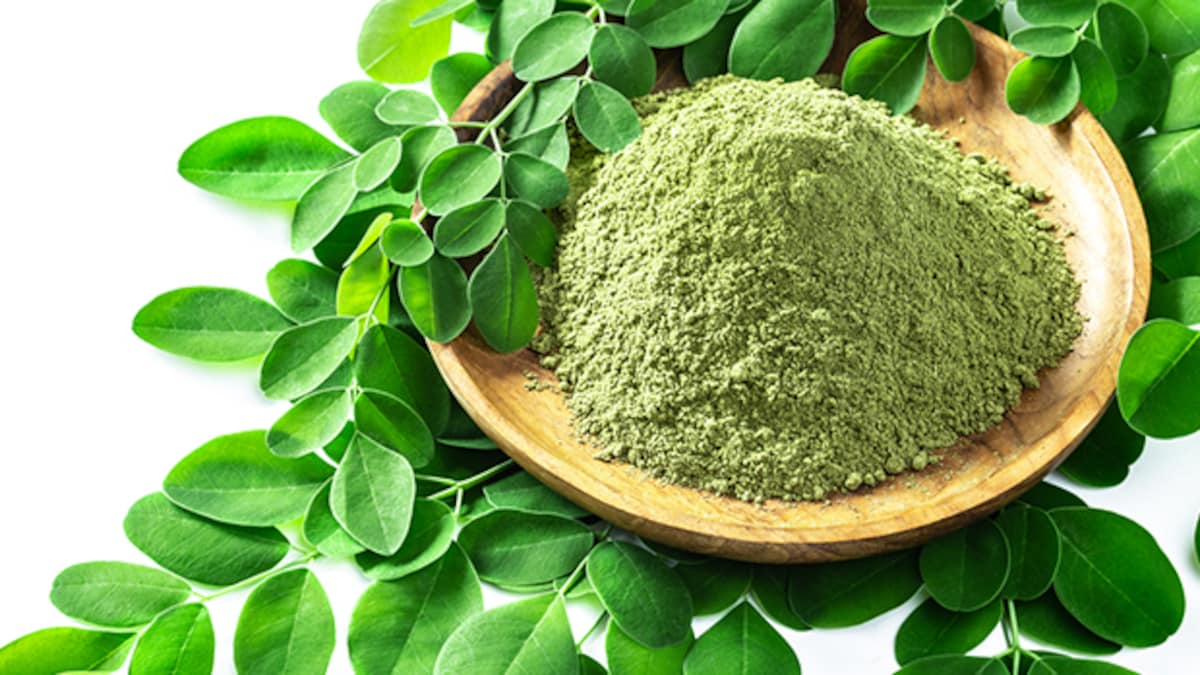
Incorporating certain herbs into one's diet can support thyroid health. Ashwagandha, ginger root, moringa, black cumin seeds, sage, licorice, and lemon balm have the potential to improve thyroid function. These herbs contain chemicals that are essential for active hormonal pathways in the system, regulate the production of thyroxine and triiodothyronine, decrease inflammation, protect the thyroid gland from oxidative damage, and inhibit TSH binding to the receptor.