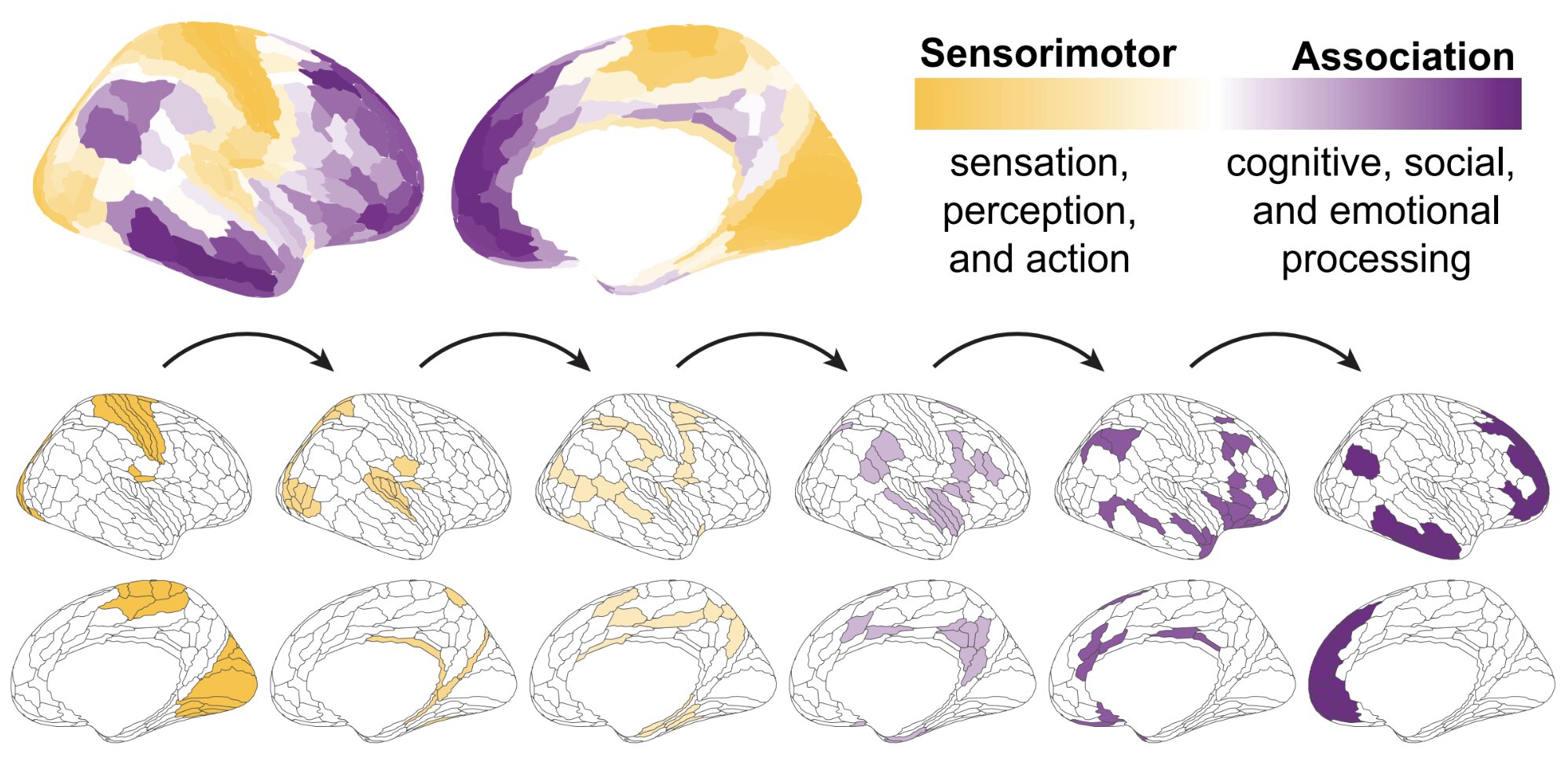
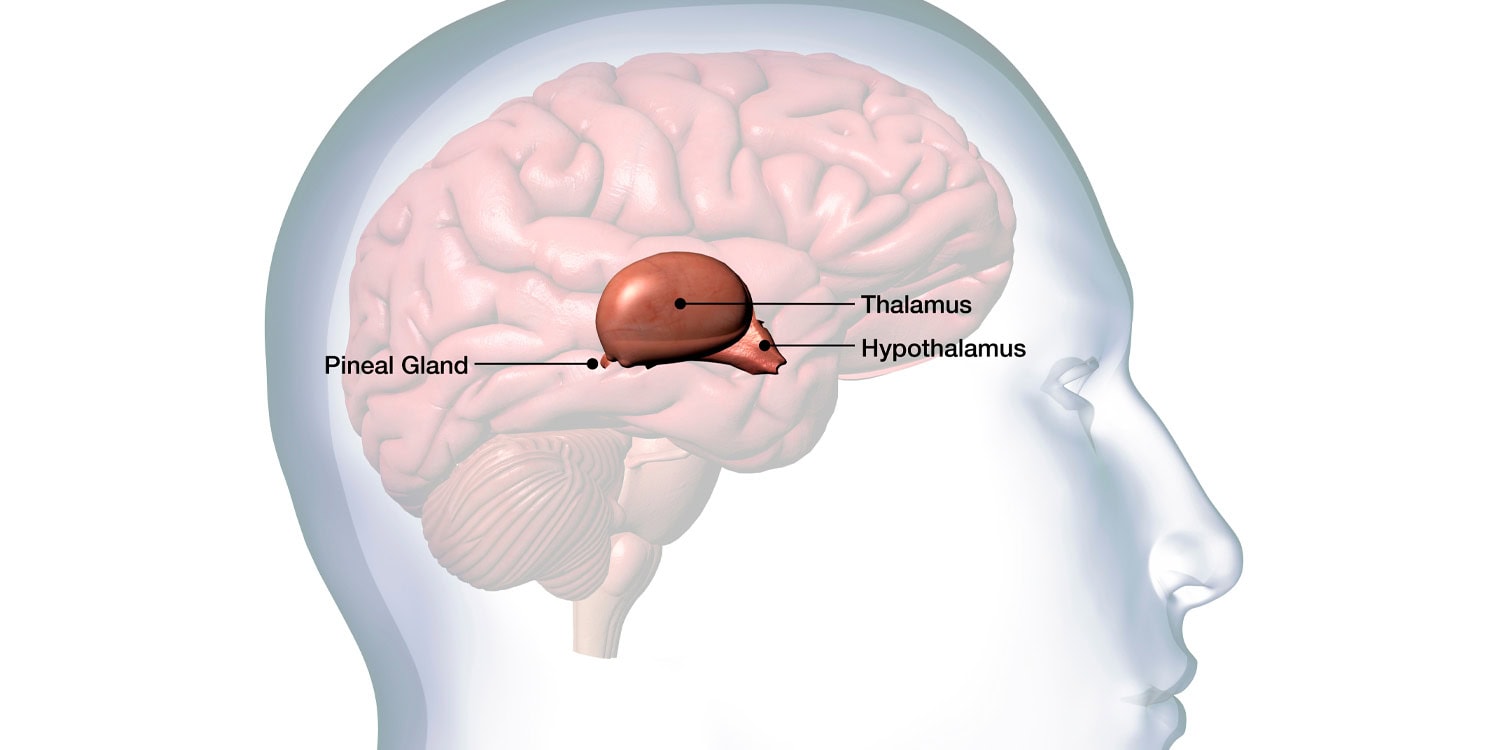
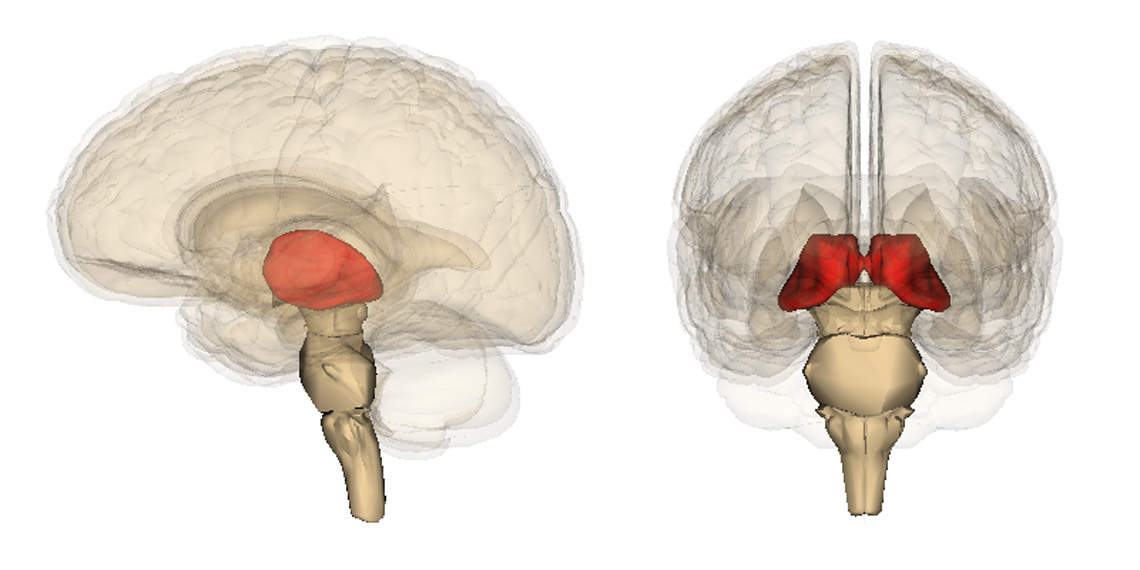
Research suggests that the thalamus plays a crucial role in regulating the timing of brain development and plasticity, extending beyond its traditional role as a relay station, with implications for understanding cognitive and emotional development in youth.
A study published in Science reveals that the thalamus, particularly its intralaminar and medial nuclei, actively initiates conscious visual perception by influencing the prefrontal cortex, challenging the traditional view of the thalamus as merely a sensory relay. Using deep brain recordings from patients, researchers found early and strong activity in these thalamic regions during moments of awareness, suggesting they serve as a gateway for consciousness. The findings highlight the thalamus's active role in shaping conscious experience, although the study's small sample size and clinical context limit generalization.
Researchers have discovered how distinct neuronal populations within the brain's thalamus, specifically the paraventricular nucleus (PVT), regulate actions towards achieving a goal, such as foraging for food. The study shows that dopamine D2 receptor-positive (PVTD2(+)) neurons amplify motivation and pursuit behaviors, while their counterparts, PVTD2(–) neurons, are associated with action termination. This challenges previous notions of the PVT's uniformity and suggests its critical role in translating hunger into motivated action, potentially leading to new treatments for motivation-related psychiatric conditions.
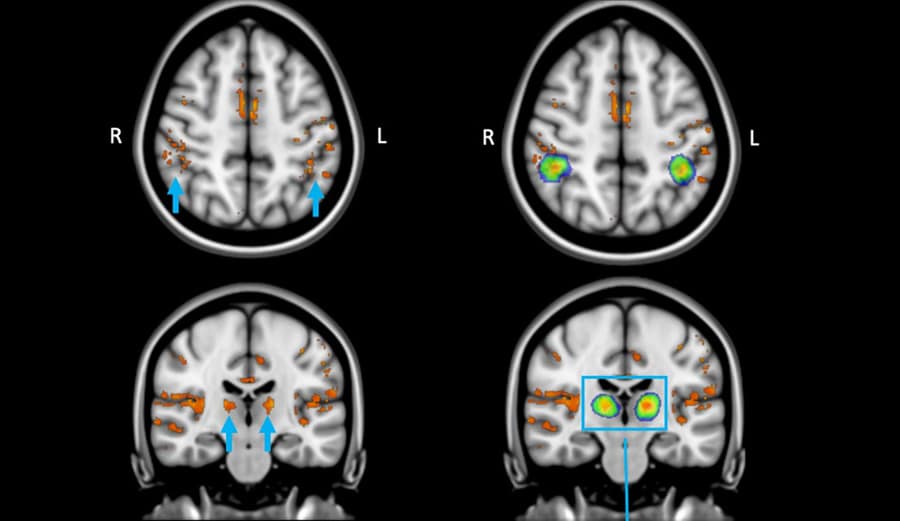
Researchers at the University of Liège have used ultrahigh-field MRI to investigate how blue light stimulates the brain. They found that exposure to blue-enriched light strengthened the connectivity between the posterior thalamus and the intraparietal sulcus, an attentional-related area of the cortex. This modulation of information flow from subcortical to cortical areas suggests that blue light affects non-visual cognitive activity. The study provides empirical data supporting the impact of blue light on brain function and highlights the role of the thalamus in relaying non-visual light information.
The thalamus, traditionally seen as a relay station, has been found to play a crucial role in adult brain plasticity, challenging the belief that adaptability mainly occurs in the cortex. Through mouse models in vision studies, researchers discovered that the thalamus actively participates in adaptive processes, particularly in sensory and motor information. These findings could lead to innovative therapeutic approaches for conditions like lazy eye, shifting the focus from the cortex to also include the thalamus.
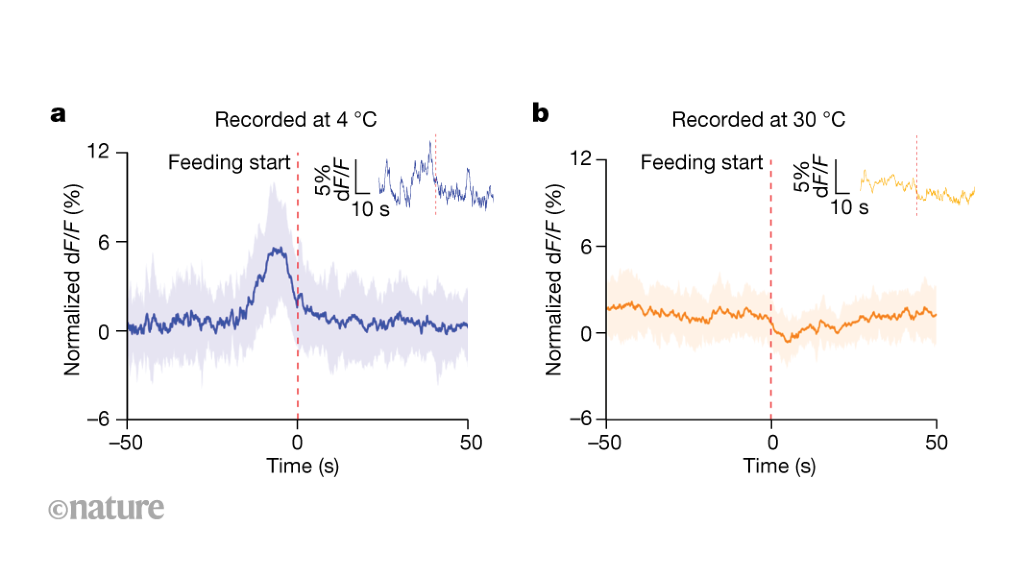
Mammals eat more in cold conditions to maintain their body heat, and a recent study has identified a small nucleus in the brain's thalamus that controls feeding behavior specifically in cold conditions by directly activating a reward center in the brain.
Treatment with ibudilast, an anti-inflammatory drug being developed for progressive forms of multiple sclerosis (MS), was found to significantly preserve tissue integrity in the thalamus, a brain region involved in sensory processing, in patients participating in the SPRINT-MS clinical trial. However, the therapy did not prevent the loss of thalamic tissue over a two-year period. Ibudilast slowed brain atrophy and exerted neuroprotective effects in the retina. The findings suggest that while ibudilast has neuroprotective properties, it may not prevent thalamic volume loss as effectively as an anti-inflammatory therapy. Thalamic integrity may be a useful outcome measure in future clinical trials of neuroprotective strategies for MS.
Preschool children with autism spectrum disorder who have sleep problems show heightened sensory sensitivity and excessive connectivity between the thalamus and auditory cortex regions of the brain, according to a neuroimaging study. The research also indicated a likely lack of auditory habituation during sleep. The study makes an important contribution to the scientific understanding of the physiological aspects of autism spectrum disorder.
A new study published in Neuropsychopharmacology has found that LSD disrupts the brain's gatekeeping process, leading to increased information flow and altered perception. The study utilized data from two randomized, placebo-controlled, double-blind, cross-over trials involving a total of 45 healthy participants. The researchers found evidence that LSD resulted in widespread changes in both functional connectivity and effective connectivity. Additionally, LSD was found to enhance connectivity in brain areas associated with thinking and cognitive functions. The study raises the possibility that LSD may disrupt the balance between excitation and inhibition in the brain, a factor that has been linked to psychosis and hallucinatory experiences.
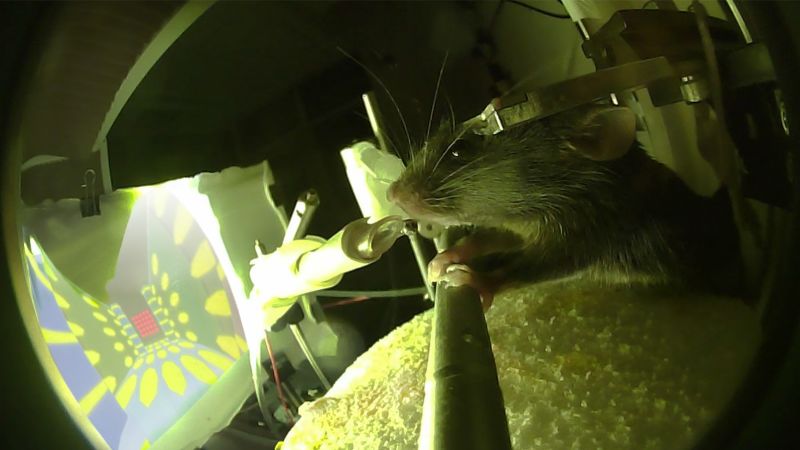
A recent study published in Neuron suggests that serotonergic neurons in the brainstem gate the transfer of visual information from the eyes to the thalamus, an egg-shaped area of the brain. The researchers used a technique known as two-photon calcium imaging to track the activity of individual retinal axons in the brains of awake mice as they viewed visual images on a computer monitor. They found that serotonin can suppress calcium signals in retinal axons and the release of glutamate in the thalamus, ultimately reducing the transmission of visual signals from the eye to the thalamus.
Researchers at Rockefeller University have discovered that the anterior thalamus, an area of the brain not typically associated with memory processing, plays a vital role in converting short-term memories to long-term memories. By stimulating this area in mice, researchers were able to enhance the consolidation of memories that mice would usually forget. The study will have broad implications for future research into the thalamus' role in memory storage.