Scientists used GoPro cameras attached to wild dolphins trained by the US Navy to observe their hunting behavior, revealing that dolphins use suction feeding and can consume dangerous prey like venomous sea snakes, challenging the perception of dolphins as solely cute and friendly creatures.
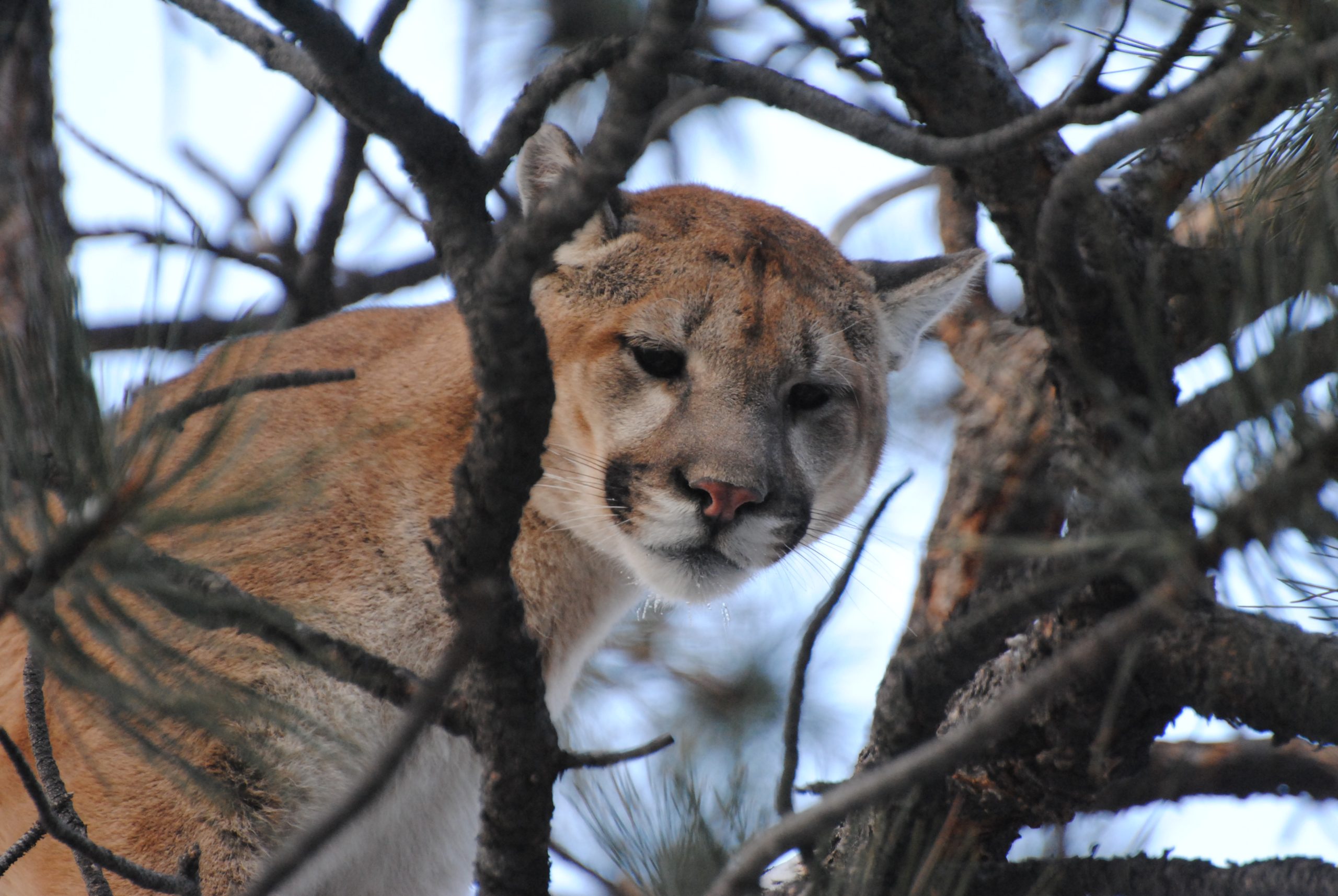
A Wyoming study found that mountain lions are highly resilient to human disturbance at feeding sites, often returning quickly after being displaced, which challenges previous assumptions about human impact on these predators.
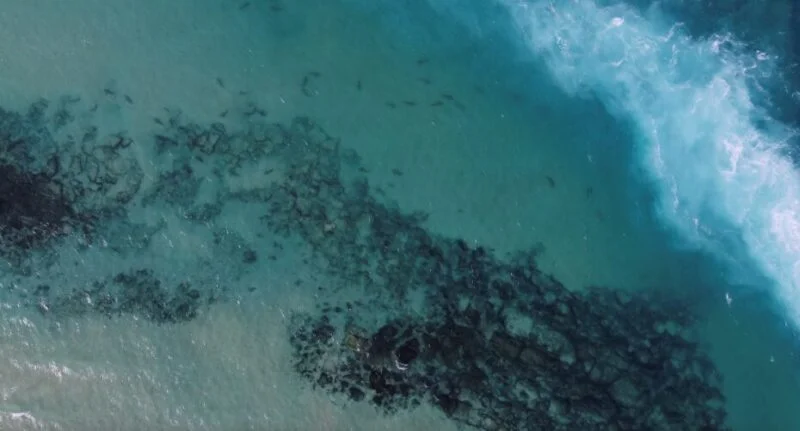
A fatal shark attack off Hadera Beach, Israel, was likely caused by tourists feeding sharks and the presence of a GoPro, which may have attracted the sharks' attention. Researchers suggest that human interaction and feeding behaviors have altered shark behavior, increasing the risk of attacks, and recommend banning artificial feeding and spearfishing to improve safety.
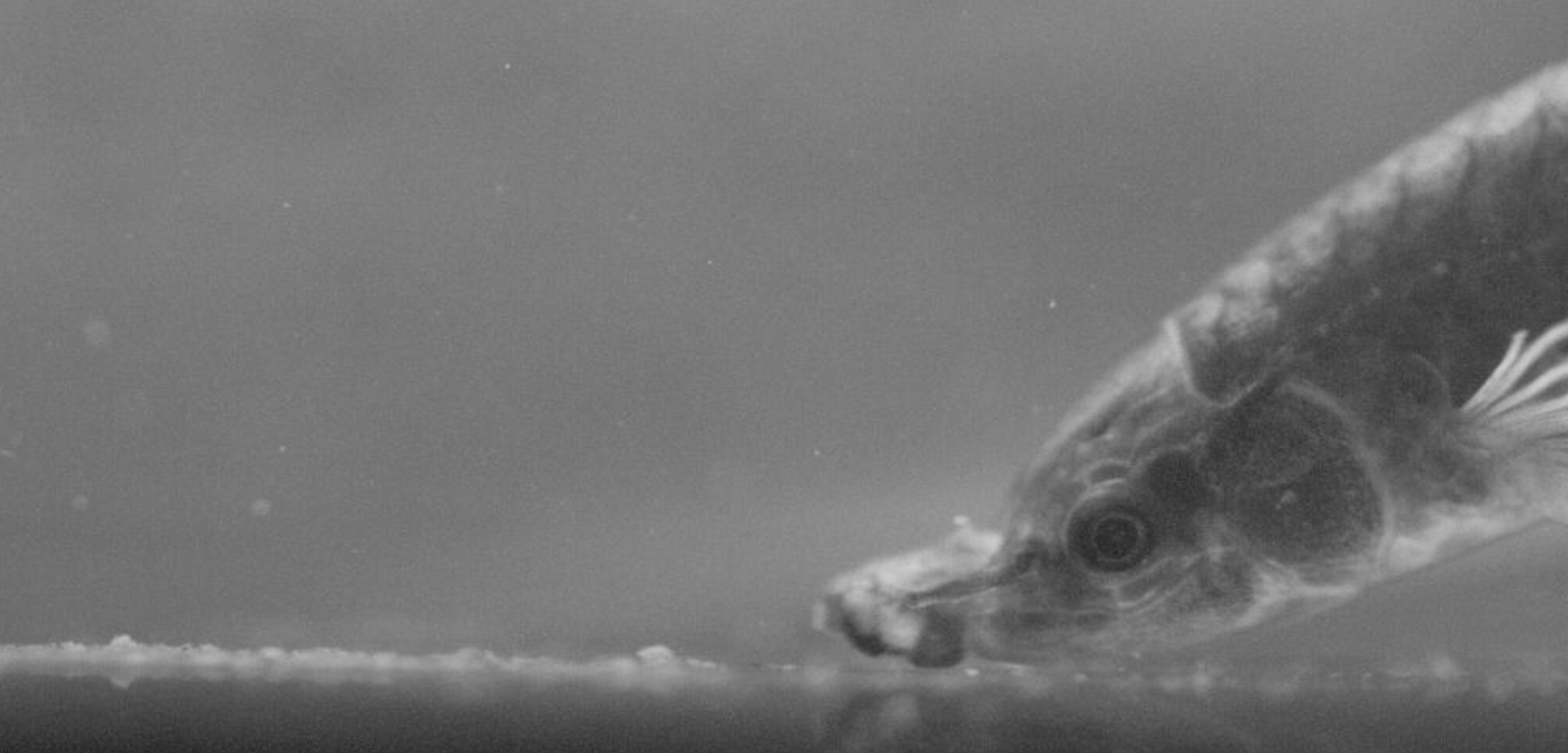
The hingemouth, a small brown fish found in central west Africa, has a truly bizarre feeding apparatus that includes a trunk-like mouth that extends from its forehead to suck up food from the ground. Researchers spent five years investigating this unique mouth structure, which they named the proboscis, and found that it allows the hingemouth to thrive in its swampy habitat by breathing air and feeding on detritus. Despite its extreme anatomical reorganization, the hingemouth proves that evolution can lead to wild diversity beyond conventional notions of success.
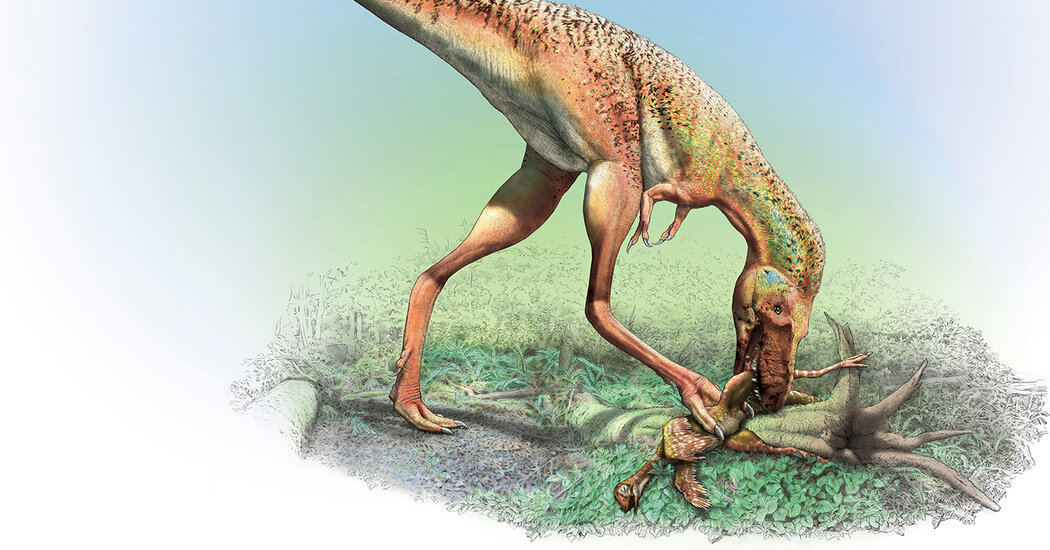
The fossil of a 75-million-year-old Gorgosaurus, a relative of Tyrannosaurus rex, has been discovered with preserved stomach contents, providing insight into the feeding behavior of young tyrannosaurs. The fossil contains the hind limbs of two small feathered dinosaurs, indicating that young tyrannosaurs fed on different animals than their adult counterparts. This finding supports the theory that young tyrannosaurs were nimble predators, filling a midsize predator niche before maturing into apex predators. The fossil also suggests that Gorgosaurus could not take on large herbivores until the age of 11.
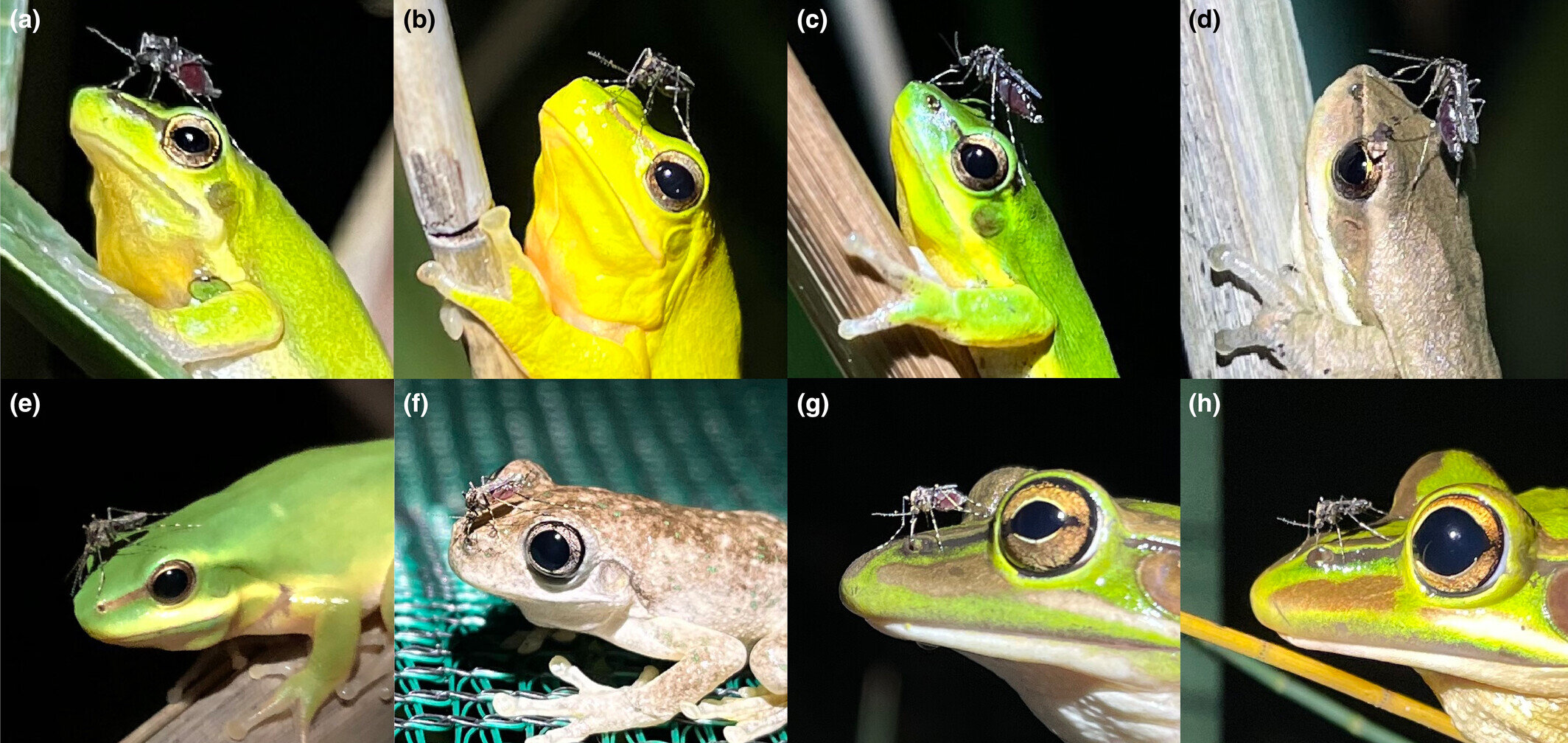
Researchers have discovered that a species of mosquito native to Australia, Mimomyia elegans, exclusively targets the noses of frogs for feeding. The mosquitoes land on the snouts of frogs and push their proboscis through the skin to access the blood vessels beneath. This behavior is of interest as mosquitoes can potentially transmit deadly fungi to frogs. The study highlights the need for further research to understand why these mosquitoes specifically target the snout and how it may impact disease transmission and conservation efforts for endangered frog species.
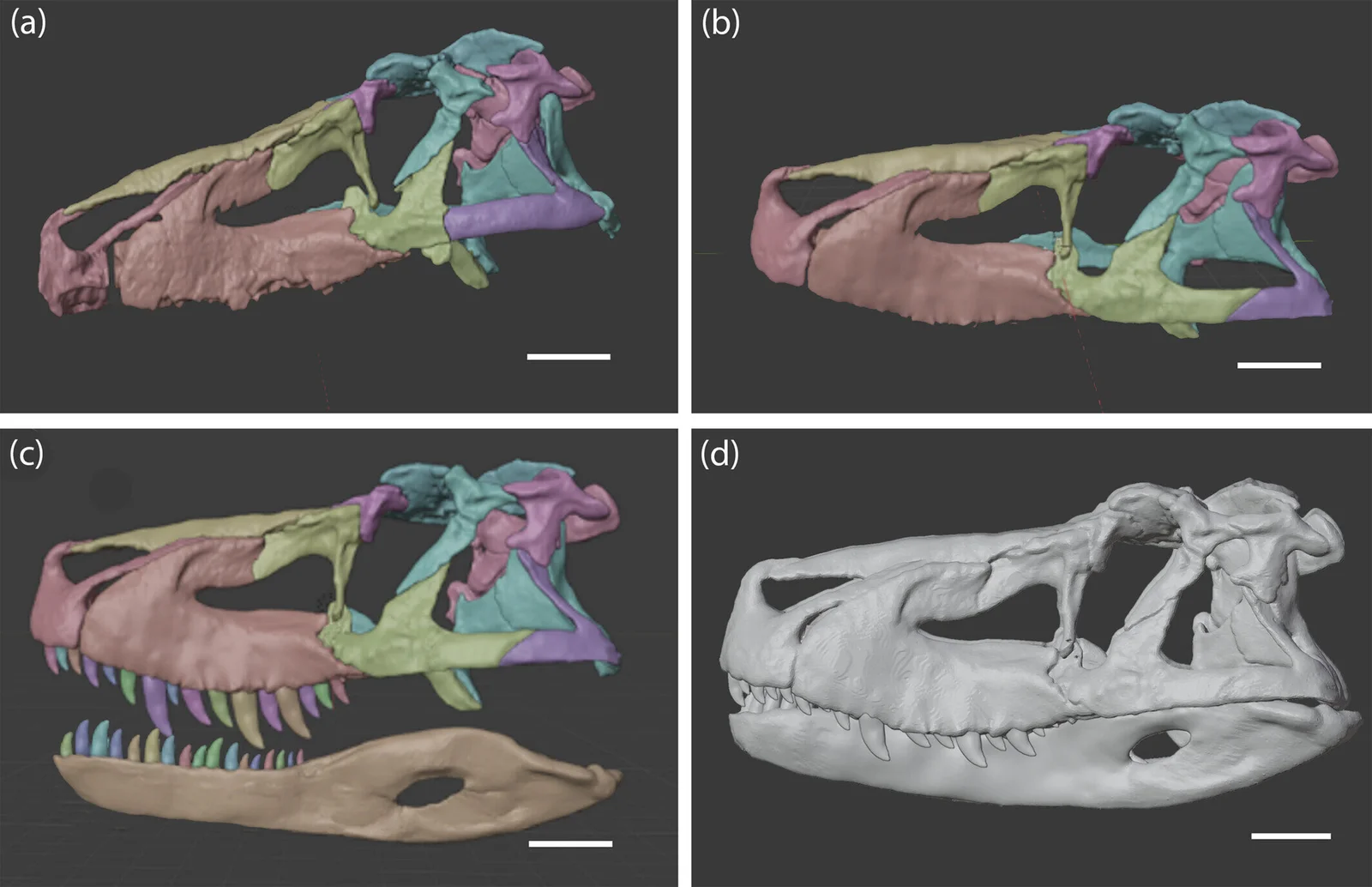
A new study reveals that Saurosuchus, a massive reptile that lived 230 million years ago and is a distant relative of modern crocodiles, had a weaker bite than previously thought. Despite its size and diet, Saurosuchus had a bite force similar to modern crocodiles called gharials, making it unable to crunch through bones. The study suggests that Saurosuchus was a careful eater, using its back teeth to remove flesh from its kills. This finding sheds light on the feeding behavior and evolutionary adaptations of apex predators in the Late Triassic period.
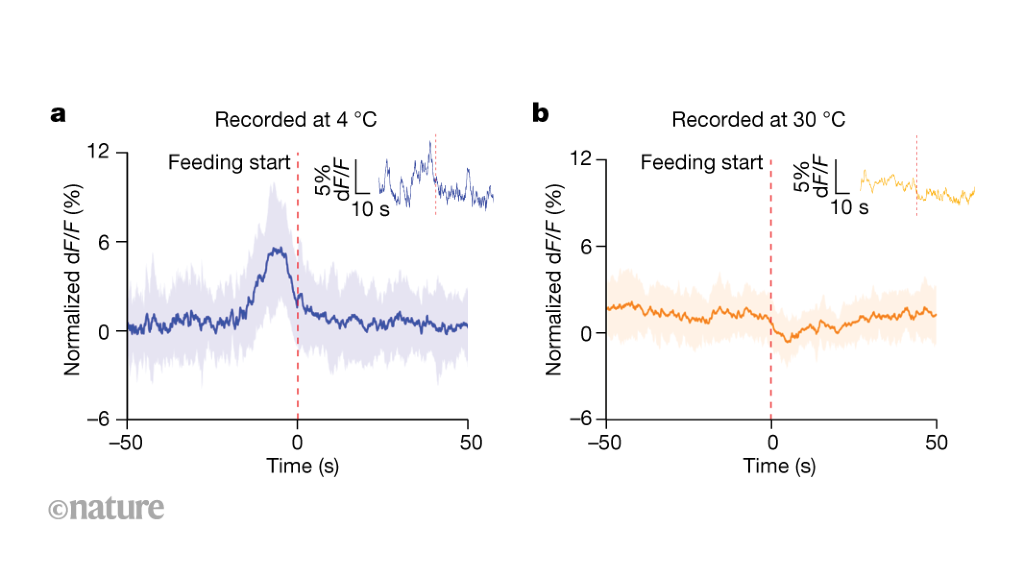
Mammals eat more in cold conditions to maintain their body heat, and a recent study has identified a small nucleus in the brain's thalamus that controls feeding behavior specifically in cold conditions by directly activating a reward center in the brain.
A new study has found that the hormone ghrelin, released when hungry, activates specific neurons in the amygdala, driving food consumption and generating feelings of hunger and satisfaction. The study identified nine different cell clusters in the amygdala that regulate appetite, with ghrelin activating those marked by the presence of protein Htr2a. Understanding these mechanisms could provide insights into pathological eating behaviors and potential therapeutic solutions.